
JG Ballard Books in Order
Explore JG Ballard books in order, with short summaries, where to start tips, and background on his major novels, memoirs, and related series.
Last updated: 10 new books added
As an Amazon Associate, we earn from qualifying purchases (at no extra cost to you).
JG Ballard books in publication order
36 books
Billenium
by JG Ballard
1962
Ten science fiction stories and novelettes bring together Ballard’s early work, including Billenium, Chronopolis, and The Garden of Time. The collection also contains The Insane Ones, Studio 5, The Stars, and stories later known as The Concentration City and Venus Smiles.
The Drowned World
by JG Ballard
1962
As solar heat melts the ice caps and tropical lagoons swallow London, biologist Robert Kerans is pulled toward the altered planet rather than away from it. Ballard turns climate disaster into a strange, hypnotic inward journey.
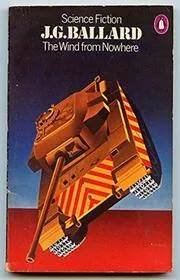
The Wind from Nowhere
by JG Ballard
1962
A global windstorm grows stronger by the day, wrecking cities and driving people underground. Ballard's first novel is a brisk catastrophe story, already full of the pressure, weather, and mental strain that would haunt his later work.
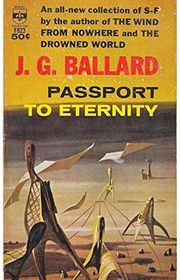
Passport to Eternity
by JG Ballard
1963
Nine early stories gather Ballard’s shorter fiction, including Thirteen to Centaurus, The Watch-Towers, and The Thousand Dreams of Stellavista. The selection also includes The Cage of Sand, A Question of Re-Entry, and the title story, Passport to Eternity.
The Drought
by JG Ballard
1964
When industrial pollution seals the oceans and the rain stops, Dr. Charles Ransom crosses a drying world in search of water and meaning. Ballard makes ecological collapse feel at once physical, dreamlike, and disturbingly calm.
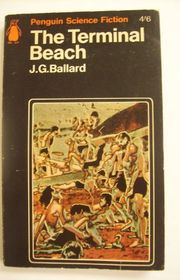
The Terminal Beach
by JG Ballard
1964
An abandoned Pacific island scarred by atomic testing becomes the setting for an unsettling exploration of memory and destruction. Across twelve stories, Ballard brings imagined worlds and psychological pressures together, confronting the uneasy relationship between creative vision and destructive impulses.
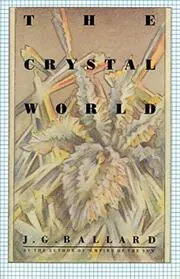
The Crystal World
by JG Ballard
1966
Dr. Edward Sanders travels into central Africa and finds a jungle where time seems to stop and everything is turning to crystal. The novel mixes expedition story, love triangle, and visionary apocalypse in one glittering, eerie landscape.
Love and Napalm
by JG Ballard
1970
In this fragmented, experimental novel, recurring figures drift through a world of assassinations, celebrity images, war footage, and sexual obsession. Ballard turns media saturation into a series of unnerving collisions between public spectacle and private breakdown.
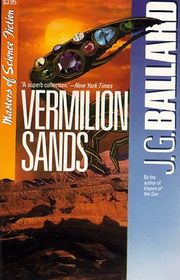
Vermilion Sands
by JG Ballard
1971
In the futuristic resort of Vermilion Sands, faded film stars and privileged dilettantes inhabit a languid world of strange inventions. Beneath its leisure and artistic experiments, sinister possibilities disturb their lives and reveal the unease within their apparently comfortable surroundings.
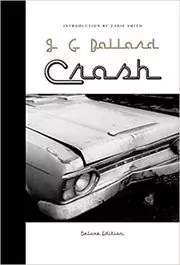
Crash
by JG Ballard
1973
After a car accident, narrator James Ballard is drawn into a group obsessed with the erotic charge of wrecked bodies and machines. The novel is cold, provocative, and still startling in the way it links technology to desire.
Recommended by
1 person Anthony Bourdain recommended this book
Anthony Bourdain
"Violent. Twisted. Hilarious and beautiful." - Anthony Bourdain
Anthony Bourdain's recommendation of this book
Concrete Island
by JG Ballard
1974
Architect Robert Maitland crashes onto a scrap of land between London motorways and can't get out. Stranded in plain sight, he turns the traffic island into a harsh test of survival, identity, and urban isolation.
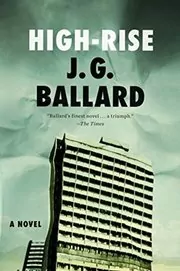
High-Rise
by JG Ballard
1975
Dr. Robert Laing moves into a luxury tower block built to contain every modern comfort. Then minor inconveniences harden into class war, and the building becomes a sealed laboratory of violence, boredom, and social breakdown.
The Best Short Stories of J. G. Ballard
by JG Ballard
1978
Nineteen stories explore the pressures that technology, nature, and imagined futures place on human lives. Ballard’s characters confront postatomic landscapes and the emerging computer age, revealing psychological disturbances and unexpected desires within worlds that have become increasingly strange.
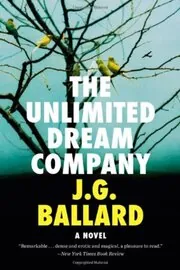
The Unlimited Dream Company
by JG Ballard
1979
After crashing a stolen plane into the Thames at Shepperton, Blake finds himself trapped in a transformed suburban world. As his powers grow, the novel slips from guilt and desire into vision, flight, and apocalypse.
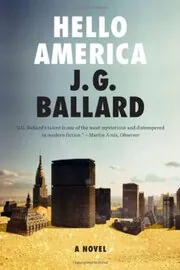
Hello America
by JG Ballard
1981
Centuries after ecological collapse empties the United States, a small expedition sails from Europe to the American east coast. For young Wayne, the ruined continent becomes a dreamscape of myth, technology, and national obsession.
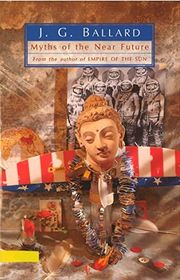
Myths of the Near Future
by JG Ballard
1982
American wastelands, an endless European holiday, and a divided London form settings for unsettling futures. These stories explore people retreating into television, believing themselves astronauts, or discovering that familiar routines conceal disturbing changes in the world around them.
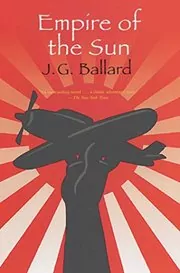
Empire of the Sun
by JG Ballard
1984
Young Jim Graham is separated from his parents in wartime Shanghai and learns to survive amid hunger, danger, and shifting loyalties. Ballard turns childhood, war, and fascination with machines into something both harsh and strangely luminous.
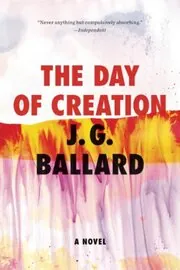
The Day of Creation
by JG Ballard
1987
In drought-stricken central Africa, Dr. John Mallory blows open a spring and becomes obsessed with the river that follows. His journey downstream turns into a feverish chase through politics, myth, and ecological fantasy.
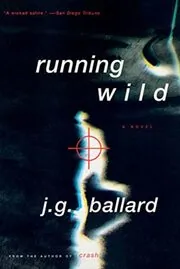
Running Wild
by JG Ballard
1988
Thirty-two adults are murdered in the gated community of Pangbourne Village, and all thirteen children disappear. As psychiatrist Richard Greville investigates, the novella becomes a cool, unnerving study of surveillance, privilege, and childhood rebellion.
Great World War II Stories
by Irwin Shaw, JG Ballard, Nevil Shute, Ewen Montagu, James Jones, W. Stanley Moss, James A. Michener, Richard Hillary, Kurt Vonnegut, Evelyn Waugh, Norman Mailer, Charles James Rolo, Bruce Marshall, Paul Brickhill, Graham Brooks, Cornelius Ryan, R. J. Minney, Lindsay Baly, P. R. Reed, Guy Gibson, Nella Last, Joseph Heller, Martha Gellhorn, Raymond Paull, H. E. Bates, Ronald Seth, John Prebble, Nancy Wake, F. J. Salfeld, John Steinbeck, Nicholas Monsarrat, R. L. Crimp, James Aldridge, Robert J. Casey & John Hersey
1989
An anthology of significant short fiction about World War II. Michener provides the introduction and selects stories that capture the global scale and human cost of the conflict.
War Fever
by JG Ballard
1990
A young fighter seeks peace in Beirut, an astronaut becomes a religious figure, and a crash survivor refuses to leave home. These stories bring private obsessions into contact with public violence, exposing unsettling possibilities within warfare, technology, and ordinary life.
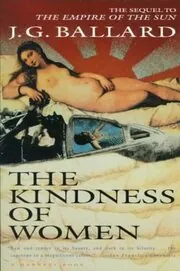
The Kindness of Women
by JG Ballard
1991
In this loose sequel to Empire of the Sun, Jim moves from postwar Europe into adulthood, marriage, grief, and literary success. Ballard tracks how a damaged childhood keeps shaping desire, memory, and the stories we tell ourselves.
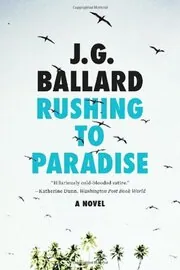
Rushing to Paradise
by JG Ballard
1994
Environmental activist Barbara Rafferty leads a band of followers to a remote Pacific island abandoned after nuclear testing. What starts as ecological protest turns into a dangerous experiment in charisma, idealism, and control.
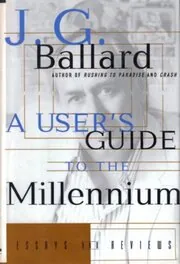
A User's Guide to the Millennium
by JG Ballard
1996
This essay and review collection gathers Ballard on art, literature, science, film, and the strange textures of late twentieth-century life. It's one of the best places to see how his fiction grew out of the headlines, screens, and objects around him.
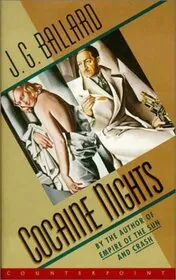
Cocaine Nights
by JG Ballard
1996
Charles Prentice arrives at the Spanish resort of Estrella de Mar to clear his brother's name after a deadly fire. Beneath the golf clubs and villas, he finds a community kept awake by crime, drugs, and appetite.
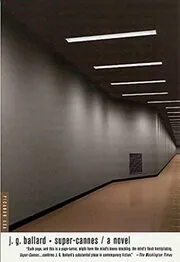
Super-Cannes
by JG Ballard
2000
Paul Sinclair moves to Eden-Olympia, a polished business park above Cannes, after his wife takes a job there. Investigating an earlier shooting spree, he discovers a corporate paradise that depends on carefully managed violence.
The Complete Stories of J.G. Ballard
by JG Ballard
2001
Ballard’s collected stories explore human psychology through strange houses, cities without clocks, and futures shaped by technology. Across decades of fiction, anxieties about nuclear destruction, overcrowding, corporate power, and the media become landscapes where ordinary perceptions and identities break down.
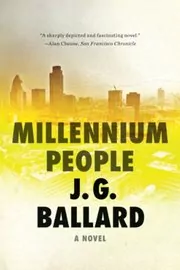
Millennium People
by JG Ballard
2003
When a Heathrow bombing kills his ex-wife, psychologist David Markham drifts into a revolt led by bored, angry professionals. Ballard turns middle-class grievance into a chilling portrait of terrorism, leisure, and suburban rage.
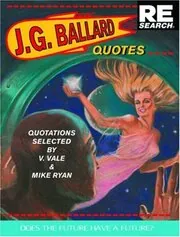
Quotes
by JG Ballard
2004
This themed selection gathers Ballard's own remarks on media, sex, technology, art, and the future, drawn from essays, fiction, and interviews. It's a quick way to trace the ideas and provocations running through his work.
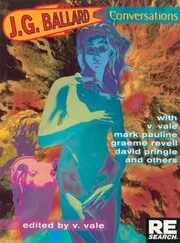
J.G. Ballard Conversations
by JG Ballard
2005
This interview volume catches Ballard talking with unusual directness about fiction, 9/11, celebrity culture, sex, media, and the modern city. It feels less like a memoir than a running commentary on the world that produced his novels.
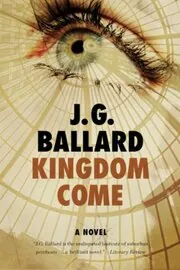
Kingdom Come
by JG Ballard
2006
After his father's death in a shooting at the Metro-Centre mall, advertising man Richard Pearson returns to suburban London to investigate. What he finds is a consumer culture sliding toward tribalism, sport, and soft fascism.
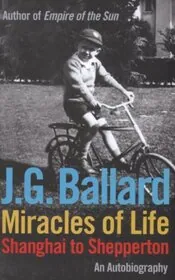
Miracles of Life
by JG Ballard
2008
Ballard's memoir moves from privileged prewar Shanghai to internment at Lunghua, then to family life and writing in Shepperton. It's calmer and more direct than the novels, but the same obsessions and wounds are clearly there.
Extreme Metaphors
by JG Ballard
2012
A wide-ranging interview collection spanning four decades, where Ballard discusses Shanghai, science fiction, suburbia, technology, and the strange logic of everyday life. It lets you watch his ideas sharpen, repeat, and mutate over time.
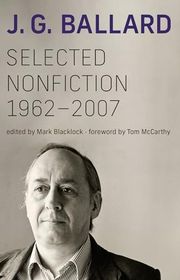
Selected Nonfiction, 1962-2007
by JG Ballard
2023
Reviews, essays, manifestos, and commentary trace Ballard’s cultural concerns across five decades. His writing examines literature, media, politics, and contemporary events, including September 11 and New Labour, revealing the ideas and diagnoses that informed his fiction and public criticism.
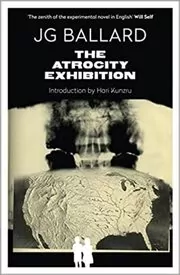
The Atrocity Exhibition
by JG Ballard
A fragmented narrative follows a man undergoing a nervous breakdown, haunted by celebrity deaths, assassinations, and crash imagery. His attempts to understand public violence blur bodies, landscapes, and private fantasies into an unsettling vision of modern life.
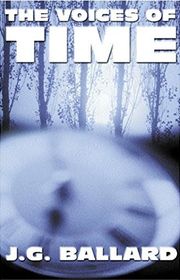
The Voices of Time
by JG Ballard
Stories of terror, longing, and pity explore experiences grounded in the workings of the human mind. Including The Overloaded Man, Chronopolis, and The Garden of Time, this collection brings Ballard’s psychological concerns into unsettling encounters beyond ordinary reality.
Where to start with JG Ballard
If you want Ballard at his sharpest and strangest: Crash → Concrete Island → High-Rise
If you want the climate and catastrophe novels: The Drowned World → The Drought → The Crystal World
If you want the autobiographical side: Empire of the Sun → The Kindness of Women → Miracles of Life
If you want the later suburban satires: Cocaine Nights → Super-Cannes → Millennium People → Kingdom Come
JG Ballard sub-series and character series
Standalone JG Ballard books





by Irwin Shaw, JG Ballard, Nevil Shute, Ewen Montagu, James Jones, W. Stanley Moss, James A. Michener, Richard Hillary, Kurt Vonnegut, Evelyn Waugh, Norman Mailer, Charles James Rolo, Bruce Marshall, Paul Brickhill, Graham Brooks, Cornelius Ryan, R. J. Minney, Lindsay Baly, P. R. Reed, Guy Gibson, Nella Last, Joseph Heller, Martha Gellhorn, Raymond Paull, H. E. Bates, Ronald Seth, John Prebble, Nancy Wake, F. J. Salfeld, John Steinbeck, Nicholas Monsarrat, R. L. Crimp, James Aldridge, Robert J. Casey & John Hersey
1989


Author bio
JG Ballard was born James Graham Ballard in Shanghai in 1930, the son of British parents working there. He spent his childhood in the city's International Settlement, a strange mix of privilege, commerce, and violence that later fed so much of his fiction. When Japan occupied Shanghai during the war, Ballard and his family were interned at Lunghua, an experience he would return to again and again.
Those years never really left him.
After the war he came to England, went to school at The Leys in Cambridge, and then studied medicine at King's College, Cambridge. He was drawn to psychiatry, but writing kept tugging harder. He left without taking a degree, spent time in the Royal Air Force in Canada, and worked a string of jobs, including copywriting and editing a scientific journal, while learning how to turn his obsessions into stories.
In the 1950s and 1960s he began publishing in British science fiction magazines and quickly stood apart from the usual rocket-ship stuff. Ballard was more interested in what modern life was doing to the mind. He helped push science fiction toward what he called inner space, where psychology, media, technology, and the built environment mattered as much as any future gadget.
That shift is easy to see in early novels like The Drowned World, The Drought, and The Crystal World, where environmental disaster feels both physical and dreamlike. Later books such as Crash and High-Rise moved even closer to the present day. Cars, tower blocks, motorways, shopping centers, and TV culture become the real engines of the plot, because Ballard understood that ordinary modern settings could be more unsettling than Mars.
He kept finding the nightmare inside the everyday.
He could also be unexpectedly direct. Empire of the Sun, his semi-autobiographical novel about a British boy surviving wartime Shanghai, brought his work to a much wider audience, and Steven Spielberg adapted it for film in 1987. He later returned to the same material from a different angle in The Kindness of Women, and in the memoir Miracles of Life he wrote about Shanghai, his family, and the quieter routines of the house in Shepperton where he lived for decades.
His personal life had its own sharp break. Ballard married Mary Matthews in 1953, and after her sudden death in 1964 he raised their three children on his own. That mix of domestic steadiness and emotional shock runs through a lot of his later fiction, along with his fascination with damaged suburbs, closed communities, lonely professionals, and people who drift toward extreme situations because ordinary life no longer feels real enough.
In his last years he kept writing novels such as Cocaine Nights, Super-Cannes, Millennium People, and Kingdom Come, books that turned gated leisure, corporate campuses, and consumer culture into pressure cookers. He was diagnosed with prostate cancer in 2006, published Miracles of Life in 2008, and died in London in 2009. By then, Ballard had spent half a century showing readers that the future was not somewhere else. It was already here, hiding in plain sight.













Edited by
Software engineer whose passion for tracking book recommendations from podcasts inspired the creation of MRB.
Lead investor at 3one4 Capital whose startup expertise and love for books helped shape MRB and its growth.
Comments
Did we miss something? Have feedback?
Help us improve this page by sharing your thoughts