
Jane Austen (Joan Aiken) Books in Order
Part ofJoan Aiken Books in OrderSee Joan Aiken's Jane Austen novels in order, with short summaries, series background, and help choosing where to start with her Austen follow-ups.
Last updated:
As an Amazon Associate, we earn from qualifying purchases (at no extra cost to you).
Jane Austen (Joan Aiken) books in publication order
6 books

Mansfield Revisited
by Joan Aiken
1984
A sequel to Mansfield Park that returns to Fanny Price's world after the original ending. Aiken explores marriage, family strain, and the old emotional knots left at Mansfield.
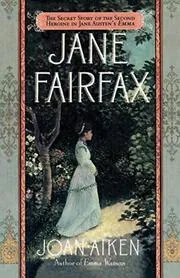
Jane Fairfax
by Joan Aiken
1990
A companion to Emma, this novel gives Jane Fairfax the fuller story Austen left mostly offstage. It traces her private burdens, hidden feelings, and the bleak prospect of becoming a governess.
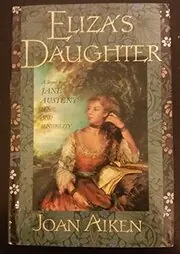
Eliza's Daughter
by Joan Aiken
1994
This sequel to Sense and Sensibility follows Eliza, the daughter of a past scandal, into a world of class anxiety, feeling, and risk. Aiken gives a shadowed corner of Austen's world its own story.
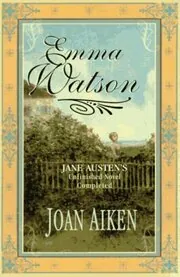
Emma Watson
by Joan Aiken
1996
Aiken completes Jane Austen's unfinished The Watsons by following Emma back into her impoverished family and a narrow marriage market. It is a story about money, choice, and self-respect under pressure.
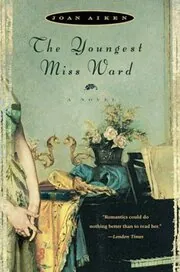
The Youngest Miss Ward
by Joan Aiken
1998
A companion to Mansfield Park, this novel turns to the Ward family and the youngest sister's place in that world. Aiken mixes family history, social pressure, and quiet emotional revision.
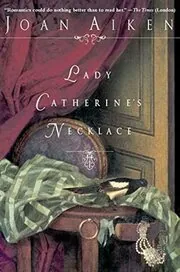
Lady Catherine's Necklace
by Joan Aiken
1999
Set after Pride and Prejudice, this sequel returns to Rosings Park and the formidable Lady Catherine de Bourgh. A blizzard, unexpected guests, and a necklace-bound mystery upset every plan in the house.
Jane Austen (Joan Aiken) books in chronological order
Series background & context
Joan Aiken's Jane Austen books are not a single continuous saga so much as a group of companion novels, sequels, and completions written in conversation with Austen's world. They show how deeply Aiken knew those books, but they also show that she was never interested in writing a pale copy.
Instead, she tends to look sideways. She asks what happened next to a side character. She takes up an unfinished manuscript. She moves beyond the wedding ending, where so many later continuations stop, and asks what life, money, family, disappointment, and desire might look like afterward.
That gives the series a nice variety.
Jane Fairfax turns to one of the most shadowed figures in Emma. Eliza's Daughter continues outward from Sense and Sensibility. Lady Catherine's Necklace revisits the world of Pride and Prejudice through Rosings and Anne de Bourgh. Mansfield Revisited and The Youngest Miss Ward circle around Mansfield Park. Emma Watson completes Austen's unfinished The Watsons.
What should you expect from Aiken's take on Austen? First, a real feel for period speech and social pressure. She understands rank, money, inheritance, marriage, and the narrow rooms women often had to live inside. But she also brings more overt adventure than Austen usually does. Her plots may include missing people, hidden identities, sudden travel, family scandals, or a touch of mystery. That makes these books feel a bit more Gothic and restless than their models.
She is especially interested in people Austen leaves partly offstage.
That is one reason these books can be rewarding even if you already know the originals very well. Aiken has sympathy for awkward daughters, overlooked women, compromised men, and households carrying more strain than good manners will admit. She likes the social comedy, but she does not stop there.
Because the books are connected by source rather than by one shared plot, you can read them in almost any order. A practical way in is to start with the Austen novel you know best, then try Aiken's companion. Readers who want the clearest example of her method often begin with Jane Fairfax or Emma Watson.
These are not museum pieces. They are lively, intelligent historical novels that use Austen as a starting point, then move into territory that feels recognizably Joan Aiken, brisker, stranger, and just a little more dangerous around the edges.





Edited by
Software engineer whose passion for tracking book recommendations from podcasts inspired the creation of MRB.
Lead investor at 3one4 Capital whose startup expertise and love for books helped shape MRB and its growth.
Comments
Did we miss something? Have feedback?
Help us improve this page by sharing your thoughts