
Jane Austen Books in Order
Explore Jane Austen books in order, from the major novels to the juvenilia, letters, and fragments, with quick summaries and easy where to start advice.
Last updated:
As an Amazon Associate, we earn from qualifying purchases (at no extra cost to you).
Jane Austen books in publication order
24 books
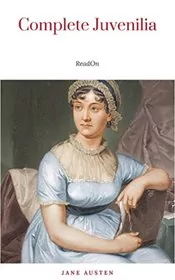
Juvenilia
by Jane Austen
1787
This collection gathers the energetic pieces Austen wrote as a teenager for family amusement. The stories are wild, fast, and funny, showing her early love of parody, letters, mock history, and comic bad behavior.
Juvenilia Volume I Annotated
by Jane Austen
1787
This annotated volume collects the pieces from Austen's Volume the First notebook. Expect quick satires, mock moral tales, and comic sketches, with notes that help place her earliest experiments in context.
Love and Freindship
by Jane Austen
1787
In this teenage epistolary spoof, Laura recounts a life of sudden passions, fainting fits, elopements, and absurd reversals. Austen gleefully mocks the excesses of sentimental fiction while showing just how good she already was at comic timing.
Lesley Castle: An Unfinished Novel In Letters
by Jane Austen
1793
Told through letters, this unfinished early work follows Margaret Lesley, Charlotte Lutterell, and a circle busy with illness, courtship, and family scandal. The real fun is Austen's dry eye for selfishness, melodrama, and social performance.
Sir Charles Grandison or The Happy Man
by Jane Austen
1793
Austen turns Samuel Richardson's massive moral novel into a brisk comic play. The result is playful, theatrical, and full of jokes about courtship, virtue, and the kinds of heroes literature likes to admire.
The Beautifull Cassandra
by Jane Austen
1793
Austen's tiny comic tale follows a sixteen-year-old heroine who falls for a bonnet and charges into a day of cheerful mayhem. It is brief, silly, and already wonderfully sure about the pleasures of absurdity.
Lady Susan
by Jane Austen
1794
Through a web of letters, the charming widow Lady Susan Vernon manipulates admirers, relatives, and even her daughter's future. Austen gives center stage to a cool, calculating heroine who is as funny as she is alarming.
Poems
by Jane Austen
1796
This volume collects Austen's surviving verses, many written for family occasions or private amusement. They are light, occasional, and revealing, offering a smaller, more playful side of the writer behind the novels.
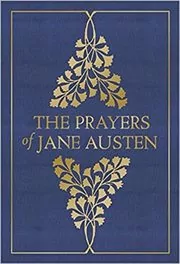
Prayers
by Jane Austen
1796
These three evening prayers show Austen in a quieter, more devotional mode. Written for shared household use, they reflect humility, moral self-examination, and the religious rhythms that shaped everyday family life.
The Watsons
by Jane Austen
1804
Emma Watson is sent back to her struggling birth family after a comfortable upbringing with wealthy relatives. In an unfinished novel full of money pressures and marriage calculations, Austen sets a clear-eyed heroine amid awkward social choices.
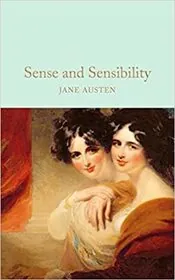
Sense and Sensibility
by Jane Austen
1811
After their father's death, Elinor and Marianne Dashwood must face reduced circumstances, unreliable suitors, and very different ideas about love. Austen turns family pressure and romantic disappointment into a sharp, deeply felt story.
Recommended by
1 person Elizabeth Warren recommended this book
Elizabeth Warren
"About an observant woman who cuts through all of — I know Jane would never call it this — but the BS." - Elizabeth Warren
Elizabeth Warren's recommendation of this book
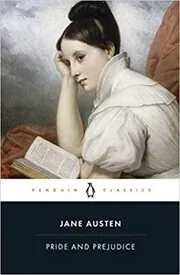
Pride and Prejudice
by Jane Austen
1813
Elizabeth Bennet thinks she has Mr. Darcy figured out, until pride, gossip, and a disastrous first impression force her to look again. It's a love story powered by wit, family chaos, and painful self-correction.
Recommended by
2 people Hillary Clinton recommended this book
Hillary Clinton
One of Hillary Clinton's 3 answers to "Is there one book you wish all students would read?"
Hillary Clinton's recommendation of this book  Tim O’Reilly recommended this book
Tim O’Reilly
"In terms of classics, you can’t do better than [this author] for understanding the human soul." - Tim O’Reilly
Tim O’Reilly's recommendation of this book
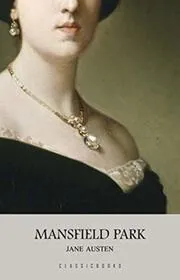
Mansfield Park
by Jane Austen
1814
Poor relation Fanny Price grows up at Mansfield Park, where gratitude, desire, and moral pressure rarely point the same way. As charming outsiders unsettle the household, Austen tests what steadiness really costs.
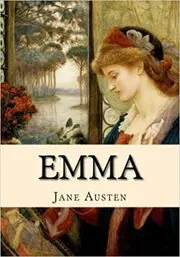
Emma
by Jane Austen
1815
Emma Woodhouse is clever, rich, and far too sure she understands other people's hearts. Her attempts at matchmaking set off a chain of misunderstandings that slowly teaches her how little she has seen, including in herself.
Recommended by
2 people J.K. Rowling recommended this book
J.K. Rowling
"Jane Austen is J.K. Rowling's favorite author of all time, and 'Emma' is her favorite of her books." - Business Insider
J.K. Rowling's recommendation of this book  Jack Edwards recommended this book
Jack Edwards
"[The author's] best piece of work." - Jack Edwards
Jack Edwards's recommendation of this book
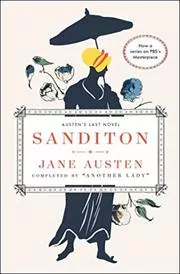
Sanditon
by Jane Austen
1817
Charlotte Heywood visits an ambitious new seaside resort and finds a world built on speculation, health obsessions, and social performance. Austen's unfinished final novel is bright, funny, and unusually interested in commerce and change.
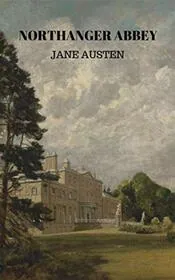
Northanger Abbey
by Jane Austen
1818
Catherine Morland arrives in Bath full of Gothic expectations and learns that ordinary people can mislead her quite well without secret tunnels or crimes. Austen's early novel is a witty coming-of-age story about reading, imagination, and judgment.
Recommended by
1 person- Jack Edwards recommended this book
Jack Edwards
"Another great one of [the author's] works." - Jack Edwards
Jack Edwards's recommendation of this book
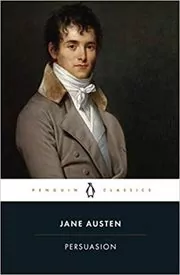
Persuasion
by Jane Austen
1818
Eight years after being persuaded to reject Captain Wentworth, Anne Elliot meets him again and gets one last chance to read her own heart honestly. This is Austen's most quietly emotional novel, full of regret and renewal.
Recommended by
1 person Christopher Hitchens recommended this book
Christopher Hitchens
"Captain Frederick Wentworth in [this book], is partly of interest to the female sex because of the 'prize' loot he has extracted from his encounters with Bonaparte's navy." - Christopher Hitchens
Christopher Hitchens's recommendation of this book
Catharine and Other Writings
by Jane Austen
1989
This collection brings together Austen's shorter fiction, unfinished pieces, prayers, and poems in one place. It is a good way to see the experiments, jokes, and fragmentary work that sit beside the major novels.
A Memoir of Jane Austen
by Jane Austen
2017
Written by Austen's nephew James Edward Austen-Leigh, this early memoir helped introduce the woman behind the novels to a wider public. It offers family recollections, anecdotes, and the beginnings of Austen's posthumous image.
The Wit and Wisdom of Jane Austen
by Jane Austen
2017
This quotation collection gathers sharp lines from Austen's fiction and letters. It works best as a small dip-in book for readers who want her jokes, social observations, and flashes of hard-earned common sense.
The Letters of Jane Austen
by Jane Austen
2018
Austen's surviving letters, many written to Cassandra, bring her voice close at hand. They mix family news, sharp social observation, travel, money worries, and flashes of the wit readers know from the novels.
Juvenilia Volume II Annotated
by Jane Austen
2021
This annotated volume covers Austen's Volume the Second notebook, including Love and Freindship and Lesley Castle. The notes help unpack the letters, parodies, and scraps written while her comic voice was taking shape.
Jane Austen's Little Book of Wisdom
by Jane Austen
2023
This compact quote collection pulls brief passages on love, friendship, society, and reading from across Austen's work. It's designed for browsing, with plenty of neat, pointed lines that still sound surprisingly current.
The Complete Novels of Jane Austen
by Jane Austen
This collection gathers Austen's six completed full-length novels and Lady Susan, presenting stories of courtship, family pressure, money, and social rank. An introduction accompanies the unabridged texts, offering context for the author's life and literary work.
Recommended by
1 person Paul Graham recommended this book
Paul Graham
Paul Graham's answer to "examples of books that you reread years later, & found to be much better?"
Paul Graham's recommendation of this book
Where to start with Jane Austen
Ranked by consensusBest Jane Austen BooksThe 7 books expert sources name most oftenIf you want the classic Austen first: Pride and Prejudice → Sense and Sensibility
If you like sharp social comedy: Emma → Northanger Abbey
If you want something quieter and more romantic: Persuasion → Mansfield Park
If you're curious about the early and unfinished work: Lady Susan → The Watsons → Sanditon
Jane Austen collections, short stories, and related book types
Short Stories/Novellas
Non-Fiction
Collections
Juvenilia
Standalone Jane Austen books
Author bio
Jane Austen was born on 16 December 1775 at Steventon Rectory in Hampshire, the seventh of eight children in a lively clerical family. She grew up especially close to her sister Cassandra, in a house full of books, talk, relatives, and visitors. That world stayed with her.
As a child she spent short periods at school in Oxford, Southampton, and Reading. She and Cassandra both fell ill and were brought home, and most of Austen's real education happened there anyway, through reading, music, family theatricals, and the habit of listening closely to how people spoke.
She started writing very young.
By her teens she was filling notebooks with stories, mock histories, letters, and tiny comic explosions now known as the Juvenilia. They are bolder and stranger than the later novels. In Love and Freindship, The Beautifull Cassandra, and Lady Susan, you can already see her delight in puncturing vanity, bad manners, and romantic foolishness.
In the 1790s she moved toward longer fiction. Early versions of Sense and Sensibility, Pride and Prejudice, and Northanger Abbey were drafted before she turned thirty. She wrote about courtship, certainly, but also about money, parents, rank, sisters, and the ways people misread one another.
Adult life was not settled. In 1801 the family moved from Steventon to Bath, and after her father's death in 1805 Jane, Cassandra, and their mother lived with much less security, spending time in Bath and Southampton before moving to Chawton in 1809. That house, offered by her brother Edward, gave Austen the steady home life she needed.
Chawton changed everything.
There she revised earlier work and published Sense and Sensibility, Pride and Prejudice, Mansfield Park, and Emma, all anonymously. Pride and Prejudice still wins readers with Elizabeth Bennet's quick mind and the slow untangling of first impressions. Emma makes comedy out of confidence and meddling. Persuasion, completed later, is quieter and more tender, built around Anne Elliot, regret, and a second chance.
What keeps Austen fresh is the scale of her work. She usually stays close to a few families, a village, a visit, a dinner table. Inside that small frame she notices everything that matters: inheritance, embarrassment, flirtation, class anxiety, kindness, and the tiny turns in conversation that reveal character.
She never put her name on a novel in her lifetime. Even so, her readership grew, and she kept working through illness, finishing Persuasion and beginning Sanditon. Austen died in Winchester on 18 July 1817 and was buried in Winchester Cathedral. The books remain easy to return to because the feelings in them still feel ordinary, sharp, and true.



Edited by
Software engineer whose passion for tracking book recommendations from podcasts inspired the creation of MRB.
Lead investor at 3one4 Capital whose startup expertise and love for books helped shape MRB and its growth.
Comments
Did we miss something? Have feedback?
Help us improve this page by sharing your thoughts