
James Sallis Books in Order
Explore James Sallis books in order, from Lew Griffin and Drive to his poetry and criticism, with quick summaries, series notes, and where to start first.
Last updated: 1 new book added
As an Amazon Associate, we earn from qualifying purchases (at no extra cost to you).
James Sallis books in publication order
38 books

The Guitar Players
by James Sallis
1982
Sallis looks at the guitar through the musicians who shaped American music across blues, jazz, country, and more. It is part history, part appreciation, and full of listening clues for curious readers.
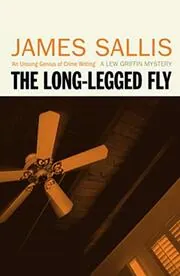
The Long-Legged Fly
by James Sallis
1992
Lew Griffin takes on a missing-person case in New Orleans and keeps finding echoes of his own broken life. The first Griffin novel is detective fiction, city portrait, and character study in one.
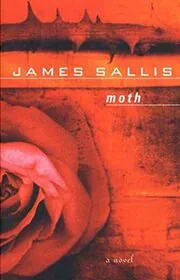
Moth
by James Sallis
1993
When the troubled daughter of an old lover disappears, Lew Griffin is drawn back into the streets he knows too well. The case becomes a dark search through addiction, grief, and the ruins people leave behind.
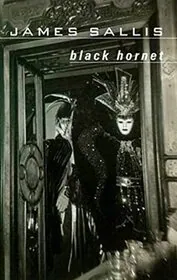
Black Hornet
by James Sallis
1994
Set in 1960s New Orleans, this Lew Griffin novel finds Lew caught up in a string of sniper killings and the city's racial tensions. It is both a murder story and a portrait of the man he is becoming.
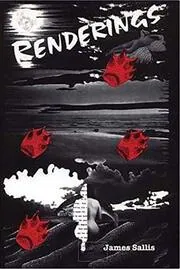
Renderings
by James Sallis
1995
An unnamed man travels alone to an island and reflects on art, love, memory, and approaching death. More collage than conventional plot, this is one of Sallis's most openly experimental novels.
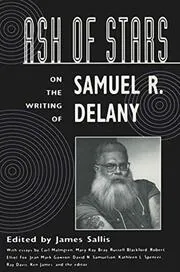
Ash of Stars
by James Sallis
1996
Edited by Sallis, this critical collection looks at the writing of Samuel R. Delany from multiple angles. It is a useful companion for readers interested in Delany's fiction, ideas, and influence.
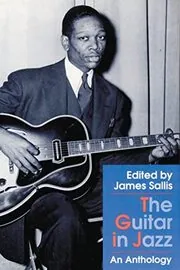
The Guitar in Jazz
by James Sallis
1996
Edited by Sallis, this anthology charts how the guitar found its voice in jazz. Essays on major players and styles make it a strong guide to the instrument's history and evolution.
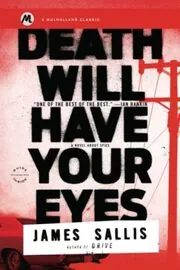
Death Will Have Your Eyes
by James Sallis
1997
David, a former Cold War operative turned sculptor, is pulled back when the last survivor of his old spy unit goes rogue. It is a road novel, manhunt, and meditation on identity all at once.
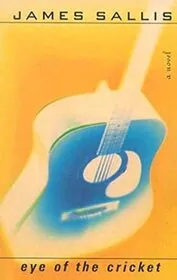
Eye of the Cricket
by James Sallis
1997
Lew Griffin, teacher, writer, and sometime detective, is drawn into fresh missing-person cases while still haunted by his lost son. Dreams, memory, and street-level New Orleans blur together in one of the series' richest books.
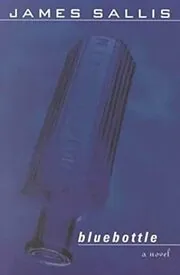
Bluebottle
by James Sallis
1999
Lew Griffin wakes from a coma with a year missing and only scraps of memory about the night he was shot. His search for answers leads through New Orleans, organized crime, and racist violence.
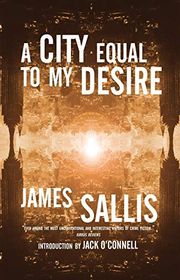
A City Equal to My Desire
by James Sallis
2000
This story collection ranges from intimate human trouble to stranger, more speculative ground. The pieces are short, sharp, and interested in how people carry violence, longing, and surprise through everyday life.
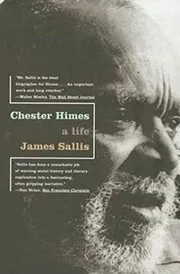
Chester Himes
by James Sallis
2000
Sallis traces the life of Chester Himes, from prison and literary fame to exile and reinvention. It is a clear-eyed biography of a major writer whose life was as turbulent as his books.
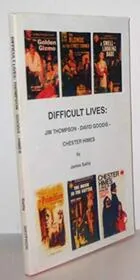
Difficult Lives
by James Sallis
2000
Sallis studies Jim Thompson, David Goodis, and Chester Himes in three concise literary biographies. It is a smart, early work of noir criticism, interested in both the books and the hard lives behind them.
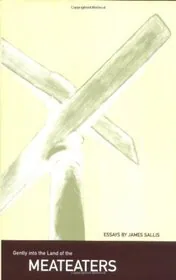
Gently into the Land of the Meateaters
by James Sallis
2000
This essay collection gathers Sallis on writing, reading, culture, and the odd details of everyday life. It shows the same clipped intelligence and restless curiosity that run through his fiction.
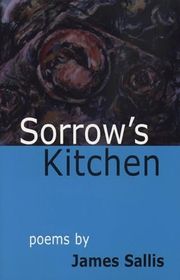
Sorrow's Kitchen Poems
by James Sallis
2000
These poems linger over aging, love, sleeplessness, and the ordinary losses that shape a life. The mood is late-night and reflective, but there is warmth here as well as sorrow.
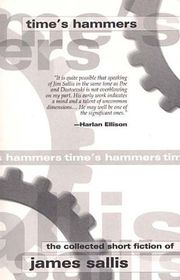
Time's Hammers
by James Sallis
2000
This collected stories volume brings together Sallis's shorter fiction from across genres. Crime, science fiction, and literary experimentation sit side by side, bound by his compact style and interest in people on the margins.
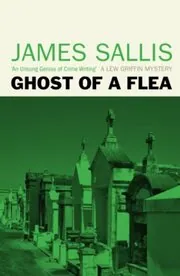
Ghost of a Flea
by James Sallis
2001
In the final Lew Griffin novel, age, loss, and old mysteries close in at once. Griffin moves through New Orleans trying to make sense of missing people, wounded friends, and the life he has made from fragments.
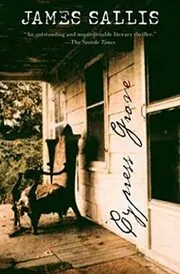
Cypress Grove
by James Sallis
2003
Turner, a former Memphis homicide cop trying to disappear in a rural backwater, is asked to help with a ritualistic murder. The case pulls him into the town's secrets and back toward the life he meant to leave.
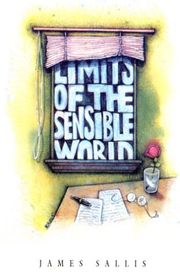
Limits of the Sensible World
by James Sallis
2003
An early collection of Sallis's short fiction, this book shows his taste for compression, unease, and speculative turns. Even at small scale, the stories keep pushing at questions of identity and reality.
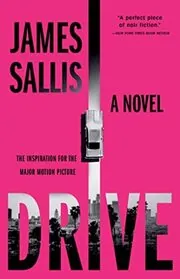
Drive
by James Sallis
2005
By day, Driver handles stunt work for movies. By night, he drives getaway cars, until a bad job leaves him hunted and forces this cool, stripped-down noir into sudden, brutal motion.
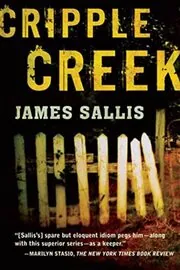
Cripple Creek
by James Sallis
2006
Turner is now a deputy in a small Tennessee town where the trouble looks minor until it doesn't. Sallis uses the case to dig into old loyalties, buried damage, and the uneasy calm of small-town life.
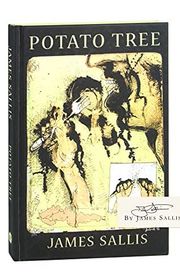
Potato Tree
by James Sallis
2006
Collecting stories from across decades, this volume shows how widely Sallis could range without losing his voice. The tales move through noir, science fiction, and quiet strangeness with equal ease.
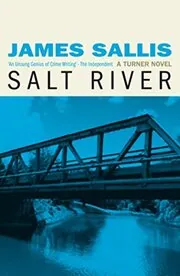
Salt River
by James Sallis
2007
Now wearing the sheriff's badge, John Turner faces a troubled young man, a possible murder, and a town running out of money and hope. It is a quiet Southern crime novel about grief, memory, and whatever can still be saved.
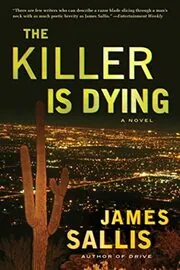
The Killer Is Dying
by James Sallis
2011
A dying hit man, a burned-out detective, and an abandoned boy move toward one another across Phoenix. The result is a spare, strange noir about violence, loneliness, and the thin line between fate and accident.
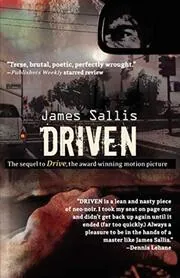
Driven
by James Sallis
2012
Years after Drive, Driver has tried to disappear into a new life. When sudden violence finds him again, he is pushed back onto the road in a sequel that is lean, bruised, and quietly mournful.
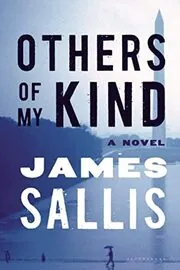
Others of My Kind
by James Sallis
2013
Years after surviving a childhood abduction, Jenny Rowan has built a fiercely independent life. When another missing child enters her orbit, Sallis turns a crime setup into a tender, tough novel about damage, resourcefulness, and chosen family.
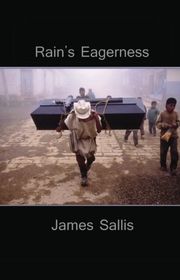
Rain's Eagerness
by James Sallis
2013
This poetry collection works in a plain, musical voice, attentive to weather, memory, aging, and the everyday world. The poems feel spare on the page but carry a lot of emotion underneath.
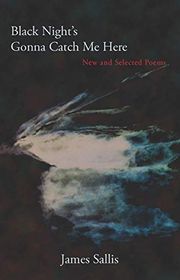
Black Night's Gonna Catch Me Here
by James Sallis
2015
This new and selected poems volume gathers the lyrical side of Sallis in one place. The poems are musical, plainspoken, and alert to darkness, tenderness, and the stubborn fact of being alive.
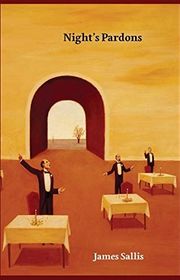
Night's Pardons
by James Sallis
2016
These poems stay close to ordinary fears, private reckonings, and the restless hours after dark. Sallis writes with a stripped-down music that turns anxiety and longing into something quietly memorable.
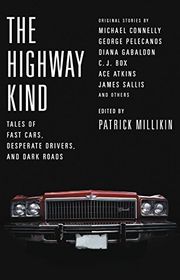
What You Were Fighting For
by James Sallis & CJ Box
2016
This story collection moves through crime, science fiction, and stranger territory in between. The tales are brief, sly, and often unsettling, with Sallis asking readers to piece together what really happened.
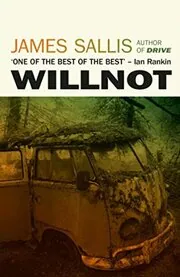
Willnot
by James Sallis
2016
A mass grave outside the small town of Willnot unsettles a local doctor and everyone around him. What follows is a quiet, uncanny novel where mystery, violence, love, and ordinary life keep colliding.
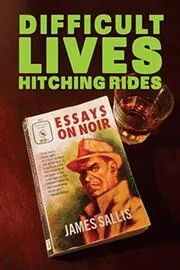
Difficult Lives Hitching Rides
by James Sallis
2018
This nonfiction collection pairs Sallis's landmark biographical essays on Jim Thompson, David Goodis, and Chester Himes with later pieces on noir writers and books. It is sharp, readable criticism from someone who knew the territory.
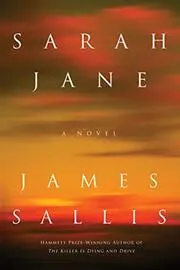
Sarah Jane
by James Sallis
2019
Sarah Jane Pullman, acting sheriff of a rural Southwestern town, looks back on the hard turns that made her a cop. It is part police story, part life story, and all about survival, memory, and second chances.
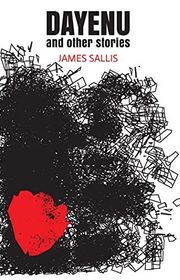
Dayenu and Other Stories
by James Sallis
2021
This collection brings together later short fiction that slips between crime, speculative fiction, and fable. The stories are brief, oblique, and often haunting, with entire worlds suggested in just a few pages.
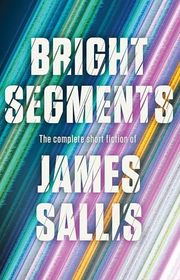
Bright Segments
by James Sallis
2024
For the first time, Sallis's complete short fiction is gathered in one volume, including previously uncollected work. It is the best single look at the range of his imagination, from noir to science fiction and beyond.
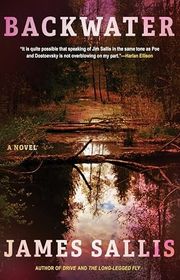
Backwater
by James Sallis
2026
When an old police friend asks for help in his hometown, retired cop and jazz guitarist Bishop steps back into investigation. What starts with a bloody car and a disappearance becomes a small-town case with long shadows.
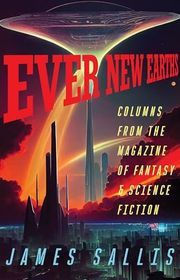
Ever New Earths
by James Sallis
2026
James Sallis gathers twenty-five years of book columns from The Magazine of Fantasy & Science Fiction. His criticism considers contemporary science fiction through its literary traditions and changing possibilities, offering readers a writer’s perspective on the genre’s development.

World's Edge
by James Sallis
2026
In a fractured near-future America, five linked stories follow refugees, veterans, children, and survivors trying to keep going. This mosaic novel is dystopian, but its real subject is endurance and human connection.
Where to start with James Sallis
If you want his best-known noir: Drive → Driven
If you want the essential detective series: The Long-Legged Fly → Moth → Black Hornet → Eye of the Cricket
If you prefer quiet Southern crime: Cypress Grove → Cripple Creek → Salt River
If you want later standalones: The Killer Is Dying → Willnot → Sarah Jane
James Sallis sub-series and character series
Drive books in order
Explore this seriesJames Sallis collections, short stories, and related book types
Short Stories/Novellas
Collections
Non-Fiction
Standalone James Sallis books
Author bio
James Sallis was born in Helena, Arkansas, on December 21, 1944, and grew up in a small Delta town by the Mississippi River. That landscape stayed with him. So did the sound of radio, music drifting through the dark, and the feeling that stories were always happening just off to the side.
He was a serious reader early on, and writing seems to have arrived just as early. His older brother, John, opened doors onto bigger worlds, and Sallis kept walking through them. Helena gave him the South in all its beauty and trouble, and that mix of place, history, loneliness, and hard-earned tenderness never really left his work.
Poetry came first.
After leaving Helena in 1962, Sallis went to Tulane University, but he left after two years to get on with becoming a writer. In the late 1960s he began publishing science fiction, selling stories to Damon Knight and Michael Moorcock and then heading to London to help edit the magazine New Worlds during its adventurous, rule-breaking phase. His first published science fiction story, Kazoo, appeared in 1967. Even then, you can see the pattern that would define him: he liked genre, but he never liked staying inside its fences.
He also did not build a neat, protected writer's life. Over the years Sallis worked as a respiratory therapist, including in intensive care with adults and newborns, and he later said that work kept him close to real problems and real people. He taught creative writing, reviewed books, translated from French, Russian, and Spanish, and wrote widely about music. He knew the world from more than one angle.
A lot of readers first meet him through Lew Griffin, the Black New Orleans detective at the center of The Long-Legged Fly and the books that followed. Those novels do not behave like standard detective stories. Missing-person cases matter, but so do memory, race, family, drinking, the city itself, and the stubborn question of who a person is when the old stories about them stop working. Later, Drive brought him a different kind of audience with its tale of a stunt driver who moonlights as a getaway driver. The 2011 film adaptation gave the book a second life, but on the page Sallis was just as memorable in quieter, stranger novels like Cypress Grove, The Killer Is Dying, Willnot, and Sarah Jane.
He never stayed in one lane for long.
That restlessness is part of what makes Sallis interesting. Alongside the crime novels, he wrote poetry, short stories, criticism, and books about music, including The Guitar Players. He also wrote Chester Himes: A Life, a full biography of one of the writers he cared about most. Readers who stick with Sallis tend to come back for the same things: the lean sentences, the atmosphere, the damaged people trying to make a life, and the sense that he cared as much about daily existence as about plot.
In later years he lived in Phoenix, Arizona, where he taught at Phoenix College for more than a decade. In 2015 he resigned after a dispute over Arizona's loyalty oath for public employees, a move that fit the independent streak running through his life and work. He kept publishing across genres into his final years. James Sallis died in Phoenix on January 27, 2026, leaving behind novels, poems, stories, essays, translations, and criticism that never sat still for long, and are better for it.



Edited by
Software engineer whose passion for tracking book recommendations from podcasts inspired the creation of MRB.
Lead investor at 3one4 Capital whose startup expertise and love for books helped shape MRB and its growth.
Comments
Did we miss something? Have feedback?
Help us improve this page by sharing your thoughts