
Drive Books in Order
Part ofJames Sallis Books in OrderSee the Drive books by James Sallis in order, with quick summaries, series background, and a clear guide to where this lean noir story begins.
Last updated:
As an Amazon Associate, we earn from qualifying purchases (at no extra cost to you).
Drive books in publication order
2 books
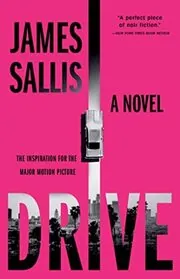
Drive
by James Sallis
2005
By day, Driver handles stunt work for movies. By night, he drives getaway cars, until a bad job leaves him hunted and forces this cool, stripped-down noir into sudden, brutal motion.
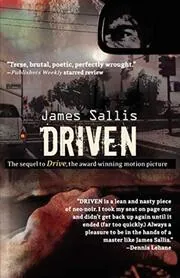
Driven
by James Sallis
2012
Years after Drive, Driver has tried to disappear into a new life. When sudden violence finds him again, he is pushed back onto the road in a sequel that is lean, bruised, and quietly mournful.
Drive books in chronological order
Series background & context
The Drive books are built around a man known simply as Driver. He works in movies as a stunt driver, and on the side he drives for criminals. That setup sounds like pure pulp, and it is, but James Sallis uses it to tell a much quieter and stranger kind of noir than readers may expect.
Driver is not a talker. He lives by routine, skill, and a code that makes sense mostly to him. He keeps moving, keeps his feelings locked down, and tries not to belong anywhere for long. That reserve is a big part of the series. The tension does not come from long explanations or elaborate schemes. It comes from watching a man who survives by control get pushed into chaos.
In Drive, the world is split between film sets and the criminal underworld, with Los Angeles and Arizona giving the story its hard, sun-blasted feel. Driver takes jobs, avoids questions, and does what he is paid to do. Then a bad robbery and a double-cross leave him exposed. What follows is part chase story, part revenge story, and part character study of a man who has spent so long protecting himself that ordinary human closeness feels almost dangerous.
Cars matter here, but they are not the whole point.
What really gives the series its shape is the gap between motion and stillness. Driver is brilliant when he is behind the wheel or handling trouble in the moment. He is much less at ease with the parts of life that ask for trust, attachment, or a future. Sallis writes the action in short, hard bursts, then opens space for memory, fatigue, and the cost of living this way. The books are lean, but they are not empty. A lot is happening underneath the surface.
Driven picks up years later, after Driver has tried to make some kind of life for himself under another name. He is older, a little wearier, and not quite as invisible as he hoped. When violence finds him again, the sequel becomes a story about whether someone like this can ever truly step out of the past. It keeps the stripped-down feel of the first book, but it is also sadder and more reflective.
The 2011 film adaptation of Drive brought the series a much wider audience, but the books have their own rhythm. They are smaller, tougher, and more inward-looking than people sometimes expect. If you like noir built on mood, silence, professional skill, and the uneasy line between escape and belonging, this is where Sallis is at his most distilled.











Edited by
Software engineer whose passion for tracking book recommendations from podcasts inspired the creation of MRB.
Lead investor at 3one4 Capital whose startup expertise and love for books helped shape MRB and its growth.
Comments
Did we miss something? Have feedback?
Help us improve this page by sharing your thoughts