
James Melville Books in Order
Browse James Melville books in order, with Tetsuo Otani, Lazenby, and Miss Seeton titles, short summaries, series notes, and help choosing where to start.
Last updated:
As an Amazon Associate, we earn from qualifying purchases (at no extra cost to you).
James Melville books in publication order
19 books

The Wages of Zen
by James Melville
1979
Otani's first case begins with the murder of an Irish Catholic priest at a Zen study center. Among monks, foreign students, and clashing assumptions, he has to uncover the truth without losing sight of the people involved.
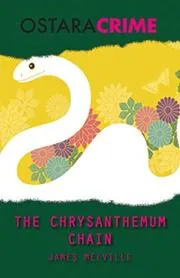
The Chrysanthemum Chain
by James Melville
1980
The murder of a British man in Japan lands Otani in a case tangled with sexual secrets, bad family ties, and political nerves before an election. It is an early Otani mystery, full of police work and cross-cultural friction.
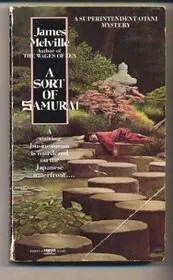
A Sort of Samurai
by James Melville
1981
After an earthquake near Kobe, Otani finds a German businessman dead in a warehouse, with no clear sign of murder. A loyal dog, a possible judo hold, and questions of honor make the case as tricky as it is unusual.
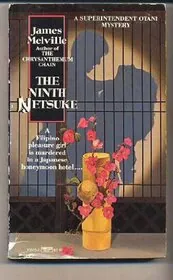
The Ninth Netsuke
by James Melville
1982
A hostess is found murdered in a hotel love suite, and Otani notices an ivory netsuke hidden at the scene. The tiny carving belongs to a set of nine, and its history opens the door to scandal, suspicion, and kidnapping.
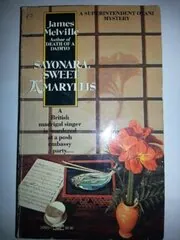
Sayonara, Sweet Amaryllis
by James Melville
1983
A murder case collides with Inspector Noguchi's private life when the son he had with a Korean woman surfaces in a drug-smuggling ring. Otani must investigate, even as the case cuts painfully close to his own team.

Death of a Daimyo
by James Melville
1984
While visiting family in England, Otani is pulled into the murder of a powerful Japanese businessman. Away from Kobe and on unfamiliar ground, he must navigate British habits, expatriate lives, and a case with roots back home.

Go Gently, Gaijin
by James Melville
1986
The suicide of one foreign student and the hit-and-run death of another seem connected, and both men belonged to the same student society. Otani's team follows the trail through politics, personal loyalties, and rising tension among outsiders in Japan.

Kimono for a Corpse
by James Melville
1987
A falling chandelier kills a businessman, then a foreigner is strangled at a fashion show. Otani has to connect two elegant deaths and follow the trail through Kobe's glossy world of style, ambition, and hidden dealings.
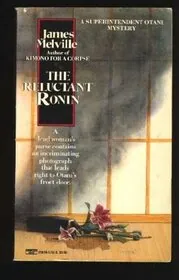
The Reluctant Ronin
by James Melville
1988
When a Dutch woman dies in a fire, the case points toward a yakuza feud and Otani's missing son-in-law, Akira. Forced to step back officially, Otani guides the inquiry from the shadows while his daughter's marriage wobbles.

A Haiku for Hanae
by James Melville
1989
During a holiday on Awaji Island, Otani remembers an earlier case involving a murdered American missionary at a Shinto shrine. Fox spirits, an exorcism, and long-buried desire make this one of his strangest investigations.

Advantage Miss Seeton
by James Melville
1990
An embittered ex-convict wants revenge on the judge who sentenced him, and his chosen target is the judge's tennis-star daughter. Miss Seeton, sketchpad and umbrella in hand, gets caught in the middle before menace turns to murder.
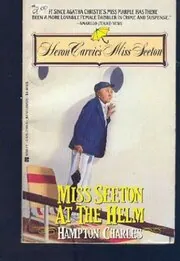
Miss Seeton at the Helm
by James Melville
1990
A luxury cruise between Venice and the Greek Islands sounds like a reward, until one of a group of feuding art experts ends up dead. Miss Seeton must sort through vanity, suspicion, and danger at sea.
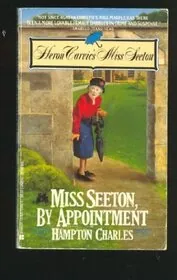
Miss Seeton by Appointment
by James Melville
1990
Miss Seeton heads to Buckingham Palace amid fears that a royal retainer may be a Russian agent. She also stumbles onto whispers of a major jewel theft, turning a formal outing into a very busy investigation.

The Bogus Buddha
by James Melville
1990
A murdered professor at the temple of Araku-in draws Otani into a case that links academic intrigue to organized crime. Kyoto, Kobe, and their quieter corners all start to look dangerous as the investigation widens.
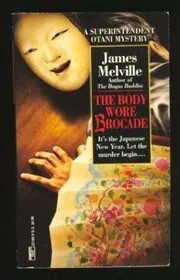
The Body Wore Brocade
by James Melville
1992
Otani tells this final case in his own voice, older, touchier, and looking hard at his life. After trouble at home and a sniper's bullet, the retired superintendent is drawn into a mystery that feels unusually personal.
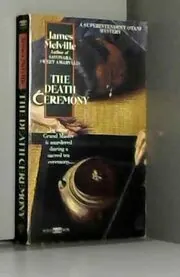
The Death Ceremony
by James Melville
1993
At an elite tea ceremony in Kyoto, Otani watches the Grand Master collapse with a bullet in his forehead. The investigation leads from ritual calm into political blackmail, old secrets, and questions about who the real target was.

Diplomatic Baggage
by James Melville
1995
Newly posted to Hungary, cultural attaché Ben Lazenby expects an easy art convoy mission. Instead he gets a missing truck, a Finnish journalist with a dangerous tape, and several intelligence services convinced he is playing spy.

The Reluctant Spy
by James Melville
1995
Ben Lazenby is pulled into espionage again, this time in Indonesia, where he is told to penetrate a secret microbiological research lab. What begins as reluctant service turns into a dangerous game around a discovery with global stakes.
The Oxford Book of Detective Stories
by Patricia Craig, Émile Gaboriau, John Charles Dent, Arthur Conan Doyle, R Austin Freeman, Maurice Leblanc, Palle Rosenkrantz, William Briggs MacHarg, Jacques Futrelle, Harvey J. O'Higgins, Raymond Chandler, Erle Stanley Gardner, Agatha Christie, Dashiell Hammett, James Thurber, Jorge Luis Borges, Georges Simenon, Ellery Queen, 松本清張, Robert Van Gulik, Paolo Levi, Gwendoline Butler, Josef Škvorecký, Amanda Cross, Janwillem van de Wetering, Ted Wood, James Melville, Stuart M Kaminsky, Shizuko Natsuki, Sarah L. Caudwell, Sue Grafton, Vincent Banville, Ruth Dudley Edwards, Sara Paretsky, Pentti Kirstilä, Garry Disher, Peter Robinson & Ian Rankin
2000
Patricia Craig’s international detective-story anthology spans classic and modern crime fiction from Britain, the United States, Europe, Japan, and beyond. The selection includes police procedurals, amateur sleuths, women detectives, and locked-room puzzles, with a story by Garry Disher.
Where to start with James Melville
If you want Japanese police procedurals: The Wages of Zen → The Chrysanthemum Chain → A Sort of Samurai
If you want the Otani series at full strength: The Ninth Netsuke → Sayonara, Sweet Amaryllis → Death of a Daimyo
If you want an English cozy mystery: Miss Seeton by Appointment → Advantage Miss Seeton → Miss Seeton at the Helm
If you want Cold War espionage with a wry edge: Diplomatic Baggage → The Reluctant Spy
James Melville sub-series and character series
Miss Seeton (James Melville) books in order
Explore this seriesMiss Seeton (James Melville) books in chronological order
Standalone James Melville books
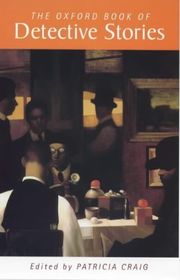
The Oxford Book of Detective Stories
by Patricia Craig, Émile Gaboriau, John Charles Dent, Arthur Conan Doyle, R Austin Freeman, Maurice Leblanc, Palle Rosenkrantz, William Briggs MacHarg, Jacques Futrelle, Harvey J. O'Higgins, Raymond Chandler, Erle Stanley Gardner, Agatha Christie, Dashiell Hammett, James Thurber, Jorge Luis Borges, Georges Simenon, Ellery Queen, 松本清張, Robert Van Gulik, Paolo Levi, Gwendoline Butler, Josef Škvorecký, Amanda Cross, Janwillem van de Wetering, Ted Wood, James Melville, Stuart M Kaminsky, Shizuko Natsuki, Sarah L. Caudwell, Sue Grafton, Vincent Banville, Ruth Dudley Edwards, Sara Paretsky, Pentti Kirstilä, Garry Disher, Peter Robinson & Ian Rankin
2000
Author bio
James Melville was the pen name Roy Peter Martin used for the books that grew out of his long relationship with Japan. He was born in London on January 5, 1931, grew up in a working-class family, and was educated in North London before studying philosophy at Birkbeck College. His university years were interrupted by service in the Royal Air Force Education Branch, but philosophy, public life, and the plain business of how people behave all stayed with him.
He did not head straight into fiction. After college he worked in local government and teaching, spent time at the Royal Festival Hall, and then moved into cultural diplomacy with the British Council. That career first took him to Indonesia, then to Kyoto in 1963, where he began the first of two long stretches in Japan.
Japan stuck.
In Kyoto he learned Japanese, opened a new cultural center, entertained visiting British figures, and later helped supervise the British Pavilion at Expo 70 in Osaka. He was eventually awarded an MBE for his work. More important for readers, he spent years watching how ordinary life, official ritual, and private feeling rubbed against each other, which is exactly the texture that shows up in his fiction.
Writing seems to have sharpened into focus in the mid-1970s. A real murder in Kyoto helped spark the book that became The Chrysanthemum Chain, and in 1979 he published The Wages of Zen, the first Otani novel to appear. He later said the name James Melville came from the names of his sons, James and Adam Melville. It was a practical, family-rooted choice, and very much in keeping with the man behind it.
Then came the run of books most readers know him for: A Sort of Samurai, The Ninth Netsuke, Sayonara, Sweet Amaryllis, The Reluctant Ronin, A Haiku for Hanae, and the rest of the Tetsuo Otani series. Readers tend to like these books not because Otani is flashy, but because he is steady, humane, and surrounded by people who feel lived in, especially Hanae, Kimura, and Noguchi. The crimes matter, but so do meals, manners, paperwork, marriage, and the quiet comedy of cultural misunderstanding.
He liked character as much as plot. Maybe more.
Martin did not stay in one lane. Under the name Hampton Charles he wrote three Miss Seeton novels, keeping that cozy, eccentric series in motion. He also turned his time in Budapest into the Ben Lazenby spy novels, Diplomatic Baggage and The Reluctant Spy, where a cultural official keeps stumbling into Cold War trouble. Outside detective fiction he wrote Japanese-set historical novels, including The Imperial Way, and later published The Chrysanthemum Throne, a history of Japan's emperors. With his second wife, Joan Martin, he also wrote Japanese Cooking.
After retiring from the British Council in 1983, he wrote full time. For a period he lived in Herefordshire with his third wife, Catherine, and later spent the rest of his life in Norwich with the medieval historian Carole Rawcliffe. He died there in 2014, aged eighty-three.
What lasts in his work is the sense that he knew his settings from the inside but never treated them as museum pieces. His books are interested in police work, yes, but also in food, weather, status, family strain, bureaucracy, and the awkward moments when one world bumps into another. Readers who come for the mystery usually stay for the people.







Edited by
Software engineer whose passion for tracking book recommendations from podcasts inspired the creation of MRB.
Lead investor at 3one4 Capital whose startup expertise and love for books helped shape MRB and its growth.
Comments
Did we miss something? Have feedback?
Help us improve this page by sharing your thoughts