
James Kavanagh Books in Order
Explore James Kavanagh books in publication order, with short summaries and series lists to help you compare titles and choose your next book to read.
Last updated: 200 new books added
As an Amazon Associate, we earn from qualifying purchases (at no extra cost to you).
James Kavanagh books in publication order
244 books
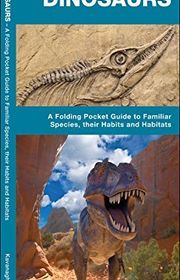
Dinosaurs
by James Kavanagh
2004
This illustrated guide introduces major dinosaur groups, their evolution, and more than forty familiar species. It also covers fossil formation, places to look for fossils, and later prehistoric mammals, including mammoths and saber-toothed cats, in a portable format.
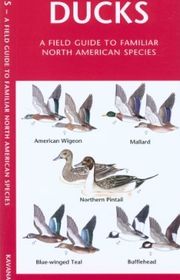
Ducks
by James Kavanagh
2004
This illustrated field reference helps readers identify North American ducks whether resting on the water or seen in flight. Its compact presentation is intended for quick consultation during nature walks, backyard observations, and other encounters with familiar species.
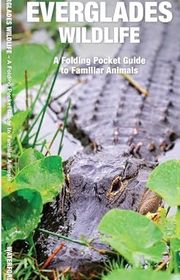
Everglades Wildlife
by James Kavanagh
2004
This illustrated folding guide introduces more than 140 animals found in the Everglades, including mammals, birds, reptiles, amphibians, fish, and butterflies. It provides a portable reference for recognizing wildlife in the region’s distinctive subtropical habitats.
Golf Course Wildlife, Southern Arizona
by James Kavanagh
2004
Southern Arizona's golf courses provide habitat for wildlife as well as recreation. This illustrated folding guide introduces more than 140 mammals, birds, reptiles, insects, and desert plants that golfers may encounter, offering a portable reference for identifying them.
Michigan Trees & Wildflowers
by James Kavanagh
2004
An illustrated introduction to 140 Michigan trees, shrubs, and wildflowers, spanning forest, dune, marsh, and prairie habitats. A map of botanical locations accompanies the folding reference, helping readers connect familiar plants with the places they grow.
Oklahoma Trees and Wildflowers
by James Kavanagh
2004
This illustrated guide introduces 140 familiar Oklahoma trees, shrubs, and wildflowers from the state’s intersecting plant communities. A map of botanical sites and a folding format help readers begin recognizing species across varied local landscapes.
Portland Birds
by James Kavanagh
2004
This illustrated folding guide helps readers recognize more than 140 familiar birds found around Portland. Developed with the local Audubon society, it includes a map of observation sites and covers birds encountered in gardens and along trails.

Rocky Mountain Wildlife Nature Activity Book
by James Kavanagh
2004
Games, quizzes, and classroom activities introduce children to wildlife found in the Rocky Mountains. Designed to support school science learning, this activity book encourages investigation of the region's animals while connecting local habitats with broader natural science concepts.

Southwestern Desert Wildlife Nature Activity Book
by James Kavanagh
2004
This children's activity book examines wildlife in the deserts of the American Southwest through games, quizzes, and classroom exercises. Designed to complement science lessons, it encourages curiosity about desert animals and the natural environments in which they live.
Virginia Trees & Wildflowers
by James Kavanagh
2004
This folding guide presents illustrations of 140 familiar Virginia trees, shrubs, and wildflowers. A map of botanical locations supports exploration of the state’s forests and wetlands, offering beginners a practical starting point for identifying local plants.

World Flags
by James Kavanagh
2004
This concise reference brings together the flags, capitals, and population figures of 210 countries. It also identifies more than 200 international symbols, providing a compact introduction to national emblems and other visual signs used around the world.
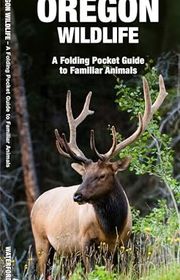
Oregon Wildlife
by James Kavanagh
2005
This illustrated guide introduces 140 Oregon animals, including mammals, birds, reptiles, amphibians, butterflies, and coastal creatures. A map highlights wildlife observation sites across the state, providing a compact reference for exploring forests, mountains, wetlands, and drier habitats.
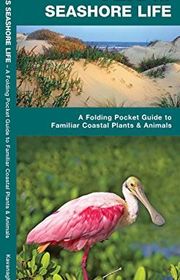
Texas Seashore Life
by James Kavanagh
2005
This folding guide introduces more than 140 plants and animals found along the Texas coast, including birds, mammals, shells, crabs, and fish. Illustrations and a map of wildlife observation sites support identification during visits to coastal habitats.
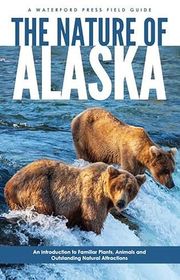
The Nature of Alaska
by James Kavanagh
2005
This field guide introduces more than 325 familiar Alaskan plants and animals alongside notable natural attractions. It connects wildlife identification with exploration of the state’s mountains, forests, wetlands, and tundra, offering a broad reference for visitors and residents.
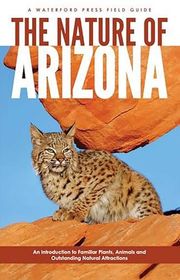
The Nature of Arizona
by James Kavanagh
2005
An illustrated field guide to more than three hundred Arizona plants and animals, accompanied by one hundred natural attractions. Coverage reflects the state’s contrasting deserts, mountains, and canyon habitats, offering an introduction to both wildlife and places to explore.
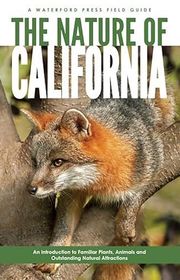
The Nature of California
by James Kavanagh
2005
This illustrated field guide introduces more than 370 California plants and animals alongside eighty-five natural attractions. It covers the state’s diverse coastal, desert, mountain, woodland, and wetland environments, combining species recognition with suggestions for exploring natural places.
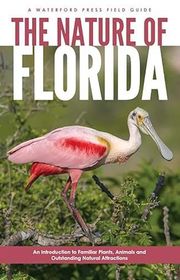
The Nature of Florida
by James Kavanagh
2005
This illustrated guide surveys Florida's plants, animals, and natural attractions, bringing together a broad range of species in one reference. It introduces the state's varied environments for students, visitors, and beginning naturalists exploring its wildlife.
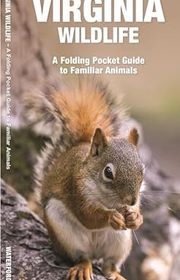
Virginia Wildlife
by James Kavanagh
2005
An illustrated folding reference introduces Virginia's familiar mammals, birds, reptiles, amphibians, fish, and insects. A map of wildlife-viewing areas accompanies the species guide, helping readers explore habitats from Appalachian forests to coastal marshes.
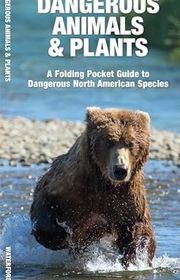
Dangerous Animals & Plants
by James Kavanagh
2006
This folding guide identifies potentially dangerous North American animals and plants while addressing common misconceptions about them. It also discusses encounters and injuries, giving readers a compact introduction to recognizing hazards during outdoor activities.
Knots
by James Kavanagh
2006
A portable illustrated reference explains a variety of useful knots and the jobs they perform. It introduces practical ways to fasten, secure, and join materials, serving as a compact companion for learning and practicing knot tying.
Miami Birds
by James Kavanagh
2006
This illustrated folding guide introduces more than 140 bird species familiar to the Miami area. A map highlights birdwatching locations throughout the city, giving residents and visitors a portable reference for recognizing birds during outdoor observation.

Nature of San Francisco & the Bay Area
by James Kavanagh
2006
This illustrated guide introduces common plants and animals of San Francisco and the Bay Area, including trees, wildflowers, birds, and coastal creatures. Its folding format provides a compact reference for exploring the region's green spaces.
Southwestern Butterflies & Moths
by James Kavanagh
2006
An illustrated folding reference introduces butterflies and moths found in the American Southwest. Designed for use outdoors, it helps readers recognize familiar species and provides a starting point for observing these insects and understanding their place in local nature.
Yellowstone Wildlife
by James Kavanagh
2006
A compact illustrated guide introduces familiar mammals, birds, reptiles, amphibians, fish, and butterflies of the Yellowstone area. A map highlights wildlife-viewing locations, helping visitors recognize the animals they may encounter while exploring the region.
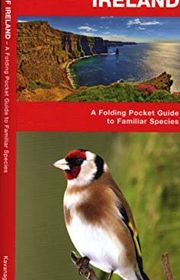
Birds of Ireland
by James Kavanagh
2007
This illustrated guide introduces more than 140 familiar and distinctive birds found in Ireland's varied habitats. A map identifies birdwatching locations, while the laminated folding format provides a portable reference for residents and visitors observing permanent and migratory species.
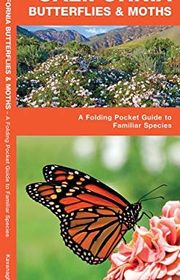
California Butterflies & Moths
by James Kavanagh
2007
An illustrated folding reference introduces butterflies and moths found in California. Designed for use outdoors, it helps readers recognize familiar species and provides a starting point for observing these insects and understanding their place in local nature.
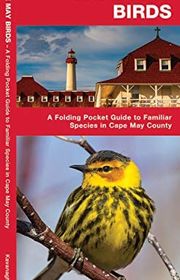
Cape May Birds
by James Kavanagh
2007
Cape May's coastal habitats and migration routes attract an exceptional variety of birds. This illustrated guide identifies more than 140 familiar and distinctive species, with a regional map helping visitors and residents find prominent places for observing them.
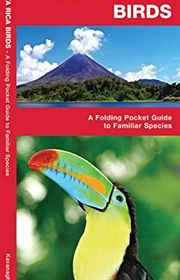
Costa Rica Birds
by James Kavanagh
2007
This illustrated folding guide introduces more than 140 birds found in Costa Rica. A map highlights birding locations across the country, providing visitors and beginning birdwatchers a compact reference for exploring its varied avian life.
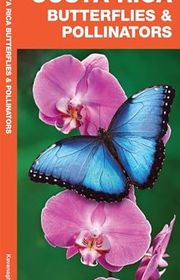
Costa Rica Butterflies & Moths
by James Kavanagh
2007
An illustrated folding guide introduces familiar butterflies and moths found in Costa Rica. Alongside species identification, it explains their life cycle and shows caterpillars and pupae, helping visitors recognize these insects at different stages of development.
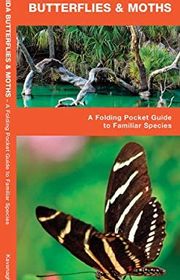
Florida Butterflies & Moths
by James Kavanagh
2007
An illustrated folding reference introduces butterflies and moths found in Florida. Designed for use outdoors, it helps readers recognize familiar species and provides a starting point for observing these insects and understanding their place in local nature.
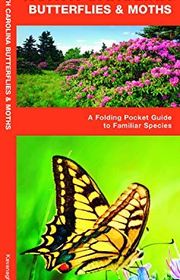
North Carolina Butterflies & Moths
by James Kavanagh
2007
An illustrated folding reference introduces butterflies and moths found in North Carolina. Designed for use outdoors, it helps readers recognize familiar species and provides a starting point for observing these insects and understanding their place in local nature.
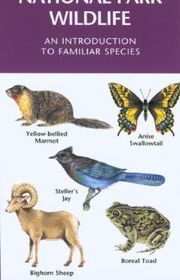
Rocky Mountain National Park Wildlife
by James Kavanagh
2007
This pocket guide introduces familiar animals found in Rocky Mountain National Park's alpine and subalpine habitats. Illustrations of mammals, birds, reptiles, amphibians, fish, and butterflies accompany a map of locations suited to wildlife observation.
Texas Butterflies & Moths
by James Kavanagh
2007
An illustrated folding reference introduces butterflies and moths found in Texas. Designed for use outdoors, it helps readers recognize familiar species and provides a starting point for observing these insects and understanding their place in local nature.
Alaska Butterflies & Moths
by James Kavanagh
2008
An illustrated folding reference introduces butterflies and moths found in Alaska. Designed for use outdoors, it helps readers recognize familiar species and provides a starting point for observing these insects and understanding their place in local nature.
Arizona Butterflies & Moths
by James Kavanagh
2008
An illustrated folding reference introduces butterflies and moths found in Arizona. Designed for use outdoors, it helps readers recognize familiar species and provides a starting point for observing these insects and understanding their place in local nature.
Cape Cod Seashore Life
by James Kavanagh
2008
An illustrated folding guide surveys Cape Cod's coastal wildlife and plants, including birds, mammals, fish, shells, and other seashore life. A map of viewing areas helps visitors connect the species they identify with local habitats.
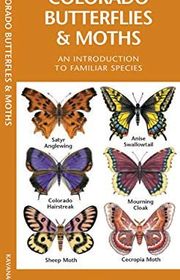
Colorado Butterflies & Moths
by James Kavanagh
2008
An illustrated folding reference introduces butterflies and moths found in Colorado. Designed for use outdoors, it helps readers recognize familiar species and provides a starting point for observing these insects and understanding their place in local nature.
Georgia Trees & Wildflowers
by James Kavanagh
2008
This folding guide introduces common Georgia trees, shrubs, and wildflowers through illustrations and a map of botanical sites. It gives beginners a portable reference for recognizing plants across the state's forests, floodplains, and coastal environments.
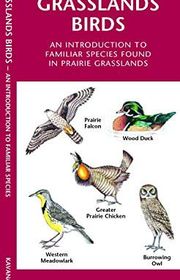
Grasslands Birds
by James Kavanagh
2008
This folding reference introduces more than 140 birds associated with prairie grasslands, including resident and migratory species. Illustrations support identification, and a map highlights birdwatching areas for readers exploring the region's varied habitats throughout their outdoor visits.
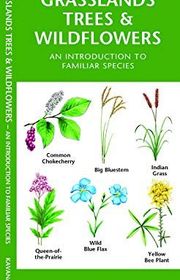
Grasslands Trees & Wildflowers
by James Kavanagh
2008
This illustrated reference introduces familiar trees, shrubs, and wildflowers of the grasslands, including the sunflower. A map of botanical locations accompanies the species guide, helping residents and visitors recognize plants across the region's varied habitats.
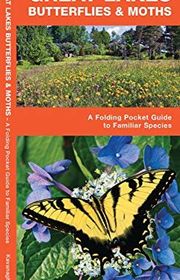
Great Lakes Butterflies & Moths
by James Kavanagh
2008
An illustrated folding reference introduces butterflies and moths found in the Great Lakes region. Designed for use outdoors, it helps readers recognize familiar species and provides a starting point for observing these insects and understanding their place in local nature.
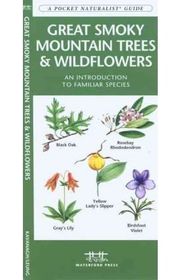
Great Smoky Mountains Trees and Wildflowers
by James Kavanagh
2008
An illustrated folding guide introduces familiar trees, shrubs, and wildflowers of the Great Smoky Mountains. Designed for use outdoors, it provides a compact reference for recognizing plants within the region's richly varied forests and other environments.
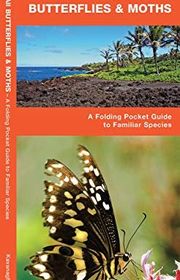
Hawaii Butterflies & Moths
by James Kavanagh
2008
An illustrated folding reference introduces butterflies and moths found in Hawaii. Designed for use outdoors, it helps readers recognize familiar species and provides a starting point for observing these insects and understanding their place in local nature.
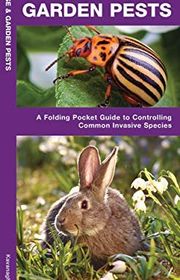
House & Garden Pests
by James Kavanagh
2008
This illustrated guide helps readers identify common household and garden pests, including insects that damage wood, contaminate food, or bite. It also covers control and beneficial insects, providing a compact reference for understanding unwanted visitors.
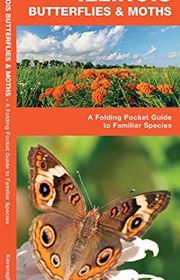
Illinois Butterflies & Moths
by James Kavanagh
2008
An illustrated folding reference introduces butterflies and moths found in Illinois. Designed for use outdoors, it helps readers recognize familiar species and provides a starting point for observing these insects and understanding their place in local nature.
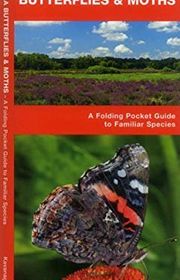
Indiana Butterflies & Moths
by James Kavanagh
2008
An illustrated folding reference introduces butterflies and moths found in Indiana. Designed for use outdoors, it helps readers recognize familiar species and provides a starting point for observing these insects and understanding their place in local nature.
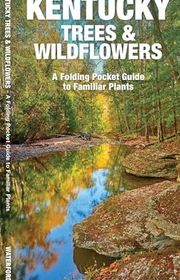
Kentucky Trees & Wildflowers
by James Kavanagh
2008
An illustrated folding guide introduces common trees, shrubs, and wildflowers found in Kentucky, including goldenrod. A map of botanical locations accompanies the species illustrations, helping readers explore plants across the state's forests, wetlands, and prairies.
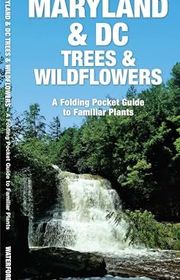
Maryland & DC Trees & Wildflowers
by James Kavanagh
2008
This illustrated guide introduces familiar trees, shrubs, and wildflowers of Maryland and Washington, DC. A map of botanical locations complements the species reference, giving beginning naturalists a portable tool for recognizing plants in the region.
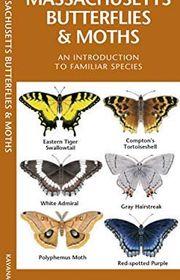
Massachusetts Butterflies & Moths
by James Kavanagh
2008
An illustrated folding reference introduces butterflies and moths found in Massachusetts. Designed for use outdoors, it helps readers recognize familiar species and provides a starting point for observing these insects and understanding their place in local nature.
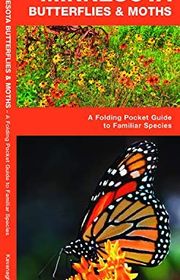
Minnesota Butterflies & Moths
by James Kavanagh
2008
An illustrated folding reference introduces butterflies and moths found in Minnesota. Designed for use outdoors, it helps readers recognize familiar species and provides a starting point for observing these insects and understanding their place in local nature.
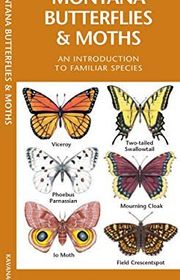
Montana Butterflies & Moths
by James Kavanagh
2008
An illustrated folding reference introduces butterflies and moths found in Montana. Designed for use outdoors, it helps readers recognize familiar species and provides a starting point for observing these insects and understanding their place in local nature.
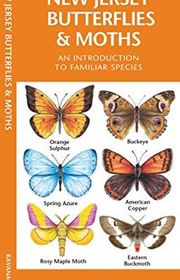
New Jersey Butterflies & Moths
by James Kavanagh
2008
An illustrated folding reference introduces butterflies and moths found in New Jersey. Designed for use outdoors, it helps readers recognize familiar species and provides a starting point for observing these insects and understanding their place in local nature.

New York State Butterflies & Moths
by James Kavanagh
2008
An illustrated folding reference introduces butterflies and moths found in New York State. Designed for use outdoors, it helps readers recognize familiar species and provides a starting point for observing these insects and understanding their place in local nature.
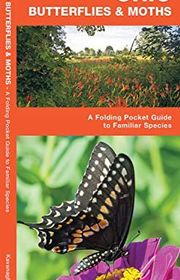
Ohio Butterflies & Moths
by James Kavanagh
2008
An illustrated folding reference introduces butterflies and moths found in Ohio. Designed for use outdoors, it helps readers recognize familiar species and provides a starting point for observing these insects and understanding their place in local nature.
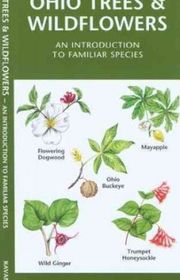
Ohio Trees and Wildflowers
by James Kavanagh
2008
This folding guide introduces common Ohio trees, shrubs, and wildflowers, including the Ohio Buckeye. Species illustrations and a map of botanical sites help readers identify plants across the state's prairies, marshes, river valleys, and forests.
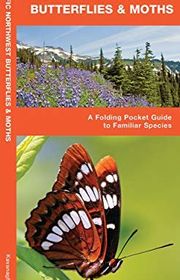
Pacific Northwest Butterflies & Moths
by James Kavanagh
2008
An illustrated folding reference introduces butterflies and moths found in the Pacific Northwest. Designed for use outdoors, it helps readers recognize familiar species and provides a starting point for observing these insects and understanding their place in local nature.
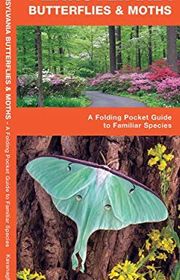
Pennsylvania Butterflies & Moths
by James Kavanagh
2008
An illustrated folding reference introduces butterflies and moths found in Pennsylvania. Designed for use outdoors, it helps readers recognize familiar species and provides a starting point for observing these insects and understanding their place in local nature.
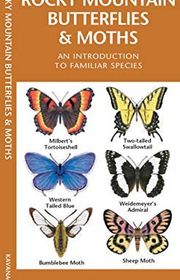
Rocky Mountain Butterflies & Moths
by James Kavanagh
2008
An illustrated folding reference introduces butterflies and moths found in the Rocky Mountains. Designed for use outdoors, it helps readers recognize familiar species and provides a starting point for observing these insects and understanding their place in local nature.
Vermont Wildlife
by James Kavanagh
2008
A compact illustrated reference introduces common Vermont mammals, birds, reptiles, amphibians, fish, and insects. A map of wildlife-viewing sites helps readers explore the state's forests and wetlands while becoming more familiar with local animals.
Virginia Butterflies & Moths
by James Kavanagh
2008
An illustrated folding reference introduces butterflies and moths found in Virginia. Designed for use outdoors, it helps readers recognize familiar species and provides a starting point for observing these insects and understanding their place in local nature.
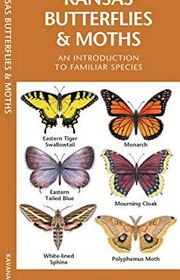
Kansas Butterflies & Moths
by James Kavanagh
2009
An illustrated folding reference introduces butterflies and moths found in Kansas. Designed for use outdoors, it helps readers recognize familiar species and provides a starting point for observing these insects and understanding their place in local nature.
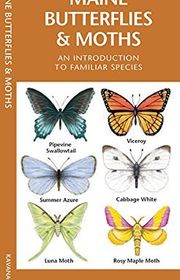
Maine Butterflies & Moths
by James Kavanagh
2009
An illustrated folding reference introduces butterflies and moths found in Maine. Designed for use outdoors, it helps readers recognize familiar species and provides a starting point for observing these insects and understanding their place in local nature.
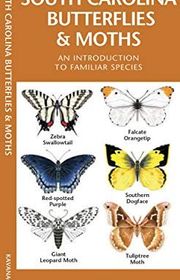
South Carolina Butterflies & Moths
by James Kavanagh
2009
An illustrated folding reference introduces butterflies and moths found in South Carolina. Designed for use outdoors, it helps readers recognize familiar species and provides a starting point for observing these insects and understanding their place in local nature.
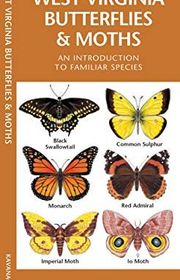
West Virginia Butterflies & Moths
by James Kavanagh
2009
An illustrated folding reference introduces butterflies and moths found in West Virginia. Designed for use outdoors, it helps readers recognize familiar species and provides a starting point for observing these insects and understanding their place in local nature.
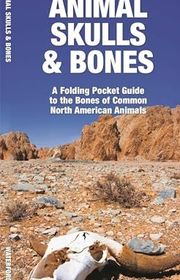
Animal Skulls & Bones
by James Kavanagh
2010
This illustrated reference explains how skull shape, teeth, horns, and limb bones distinguish common North American animals. It also covers basic skeletal structure and the preparation and preservation of specimens, with a ruler for field comparisons.
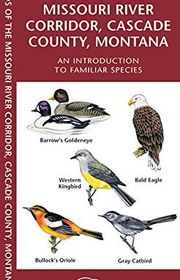
Birds of the Missouri River Corridor, Cascade County, Montana
by James Kavanagh
2010
Illustrations introduce more than 140 bird species found along the Upper Missouri River in Cascade County, Montana. A map of prominent river trails helps readers connect identification work with places to observe birds in the region.

Boat & Water Safety
by James Kavanagh
2010
A compact boating reference surveys navigation, weather, water laws, and common nautical hazards. It combines safety procedures with first-aid information and an equipment checklist for readers preparing to spend time on boats or around water.
Camping 101
by James Kavanagh
2010
Designed for novice and occasional campers, this reference covers choosing equipment, setting up camp, knots, fires, water purification, and wilderness first aid. Preparation lists help organize supplies, food, and medical kits before leaving home.
Cat Care
by James Kavanagh
2010
This portable introduction outlines the daily responsibilities of caring for cats, including feeding, grooming, exercise, and preventive care. It also discusses common health problems, giving new owners a concise reference to their animals’ basic needs.
Combat First Aid
by James Kavanagh
2010
Developed with emergency medical technicians and military medics, this reference introduces the assessment and care of serious injuries in the field. Its compact format organizes basic first aid and wound-specific information for situations before emergency assistance arrives.
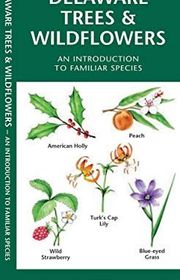
Delaware Trees & Wildflowers
by James Kavanagh
2010
Illustrations introduce familiar Delaware trees and wildflowers in a compact folding reference. Designed for use outdoors, the guide combines species identification with a map of botanical sites to help readers explore plants across the state.
Disaster Survival
by James Kavanagh
2010
This reference examines hazards associated with hurricanes, landslides, fires, heat waves, and disrupted essential services. It covers emergency preparation, survival-kit supplies, and ways to reduce illness and injury when people must leave homes or vehicles.

Dog Care
by James Kavanagh
2010
A concise introduction to dog ownership covers feeding, water, grooming, exercise, and preventive care. The portable reference also discusses common health issues, organizing basic information for newcomers learning to meet a dog’s everyday needs.
European Backyard Birds
by James Kavanagh
2010
This illustrated folding reference introduces familiar birds encountered in European gardens and nearby outdoor spaces. Its simplified identification format gives beginning and experienced observers a portable companion for recognizing the species they see around them.
Field Dressing Game
by James Kavanagh
2010
A field reference outlines dressing procedures for forty North American game species, alongside information about anatomy, habitats, and ranges. A basic tool checklist and discussion of hunting etiquette complement the practical material for novice and experienced hunters.
Horse Care
by James Kavanagh
2010
This compact reference introduces the everyday work of keeping horses, from feeding and grooming to exercise and preventive care. It also surveys common health issues, offering beginners an organized overview of essential animal-care responsibilities.
Middle East Wildlife
by James Kavanagh
2010
Illustrated coverage introduces familiar and potentially dangerous wildlife across the Middle East, including mammals, birds, reptiles, and insects. A separate section discusses field responses to hazardous bites, linking identification with the risks posed by particular animals.

My First Forests Nature Activity Book
by James Kavanagh
2010
Thirty nature-themed activities invite young children to explore forest life through games and quizzes. Bears, deer, nuthatches, mushrooms, and other woodland inhabitants provide starting points for learning about animals, plants, and the natural sciences through play.
New England Beachcomber
by James Kavanagh
2010
This coastal reference introduces New England beach habitats and their plants and animals from Connecticut to Maine. It also discusses seasonal discoveries, exploration methods, collection regulations, responsible beachcombing, and safety considerations for visitors to the shore.

Pacific Northwest Beachcomber
by James Kavanagh
2010
From rocky shores to mudflats, this folding guide introduces the beach habitats found between Oregon and British Columbia. Illustrations and concise information help readers recognize the widespread plants and animals of the Pacific Northwest’s intertidal environments.
Utah Wildlife
by James Kavanagh
2010
This illustrated folding guide introduces 140 familiar Utah animals, including mammals, birds, reptiles, fishes, and insects. An ecoregion map identifies wildlife-viewing locations and learning sites, linking species identification to the state’s varied landscapes.
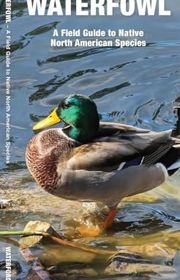
Waterfowl
by James Kavanagh
2010
Designed originally for the Federal Junior Duck Stamp program, this illustrated reference identifies common North American waterfowl. It shows breeding duck pairs both swimming and flying, alongside geese and swans, in a durable format for outdoor observation.
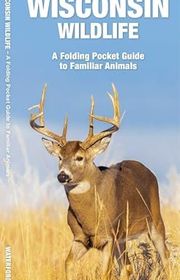
Wisconsin Wildlife
by James Kavanagh
2010
Illustrations identify 140 Wisconsin mammals, birds, reptiles, amphibians, fishes, and insects in this folding field reference. An ecoregion map points to wildlife-viewing sites, helping observers connect the state’s animals with forests, wetlands, and lakes.
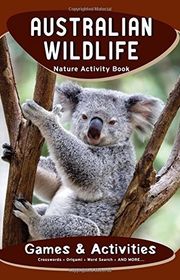
Australian Wildlife Nature Activity Book
by James Kavanagh
2011
Illustrated activities introduce children to Australia's wildlife, including dingoes, wombats, kangaroos, and koalas. Games and quizzes encourage young readers to explore native animals while building interest in nature and science through a workbook designed for active participation.
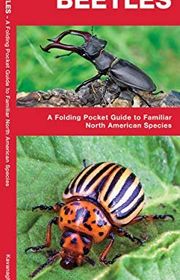
Beetles
by James Kavanagh
2011
More than 120 common North American beetles appear in this illustrated folding reference. Alongside identification material, the guide outlines their natural history, habitats, and distribution, introducing readers to the diversity of this large insect group.

Cat Breeds
by James Kavanagh
2011
This illustrated reference introduces forty popular cat breeds, from Persians to Burmese. Notes on breed origins, physical features, and typical personalities accompany the images, helping readers compare cats and recognize differences among familiar breeds.

Dog Breeds
by James Kavanagh
2011
This compact illustrated guide surveys fifty popular dog breeds recognized by the American Kennel Club through 2010. It compares origins, distinguishing physical features, and personality traits, providing a portable reference for identifying and learning about dogs.
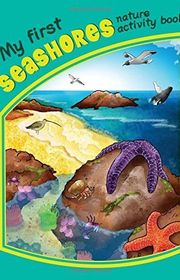
My First Seashores Nature Activity Book
by James Kavanagh
2011
Designed for children in kindergarten through second grade, this seashore activity book combines puzzles, word games, origami, and drawing exercises. The varied activities encourage curiosity about coastal nature while supporting early learning in the natural sciences.

My First Wetlands Nature Activity Book
by James Kavanagh
2011
Thirty activities help children explore wetland habitats through games, quizzes, and nature-based learning. Herons, frogs, backswimmers, cattails, and other inhabitants introduce the animals and plants of these environments, encouraging curiosity about wildlife and the natural sciences.
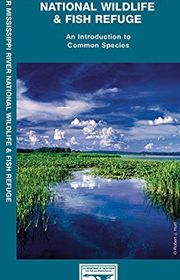
Upper Mississippi River National Wildlife & Fish Refuge
by James Kavanagh
2011
This illustrated guide introduces more than 140 animal species of the Upper Mississippi River National Wildlife and Fish Refuge. An area map complements the species accounts, helping visitors explore the refuge’s marshes, islands, forests, and prairies.
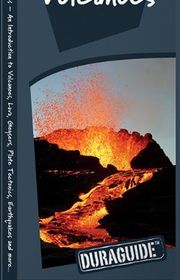
Volcanoes
by James Kavanagh
2011
A compact introduction explains different volcano types, lava flows, pyroclastic flows, and the rocks eruptions produce. Its simplified presentation gives students and outdoor explorers a portable reference for understanding volcanic landscapes and the processes shaping them.
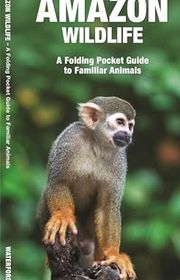
Amazon Wildlife
by James Kavanagh
2012
This illustrated folding reference introduces more than 140 animals of the Amazon region, including mammals, birds, reptiles, amphibians, fishes, and insects. Concise identification material offers travelers a portable way to become familiar with the region’s wildlife.
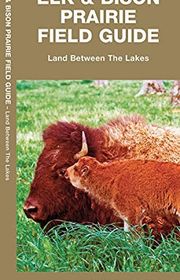
Elk & Bison Prairie Field Guide
by James Kavanagh
2012
Created with the Land Between the Lakes Association, this guide introduces elk, bison, and more than one hundred other plants and animals of the preserve. Illustrations provide a compact field reference for exploring its prairie wildlife.
Freshwater Fishing
by James Kavanagh
2012
A beginner’s freshwater-fishing reference explains where to fish, casting, bait, lures, rigging, and landing a catch. Profiles of fourteen widely stocked sport fish connect particular species with suitable tackle and fishing methods in a portable format.
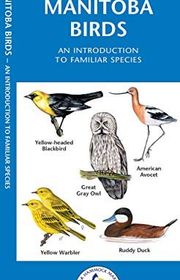
Manitoba Birds
by James Kavanagh
2012
Illustrations introduce familiar Manitoba birds, from blackbirds and owls to avocets and ducks. Developed with Oak Hammock Marsh, this compact field reference also maps prominent birding locations to help readers plan observations across the province.
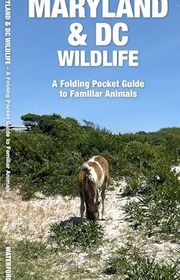
Maryland & DC Wildlife
by James Kavanagh
2012
This illustrated reference identifies 140 familiar animals of Maryland and Washington, DC, including birds, mammals, reptiles, fishes, and shoreline creatures. An ecoregion map highlights wildlife-viewing and learning sites across the area’s forests, marshes, and tidal habitats.
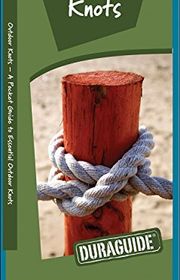
Outdoor Knots
by James Kavanagh
2012
Step-by-step instructions explain outdoor knots used in boating, fishing, camping, and climbing. This folding reference covers joining lines, fastening ropes, binding materials, and other practical tasks, giving readers a compact aid for common outdoor challenges.
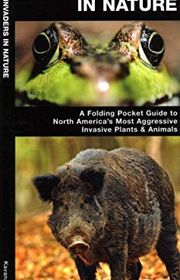
Alien Invaders in Nature
by James Kavanagh
2013
This illustrated guide profiles more than ninety invasive plants and animals affecting North American ecosystems. Identification marks, routes of introduction, and control efforts explain how these species spread and why they threaten native wildlife and plants.
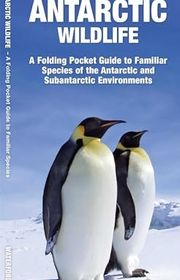
Antarctic Wildlife
by James Kavanagh
2013
More than 120 Antarctic and subantarctic species appear in this illustrated reference, including seabirds, whales, seals, fishes, and marine invertebrates. Distinguishing features help travelers recognize wildlife encountered on land and at sea in the region.
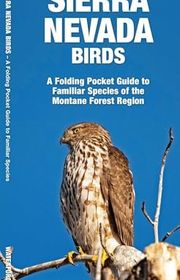
Sierra Nevada Birds
by James Kavanagh
2013
This folding guide illustrates more than 140 birds found in the Sierra Nevada’s montane forest region. A map highlights bird-viewing areas, giving residents and visitors a portable reference for identifying species during outdoor exploration.