
James Bradley Books in Order
Browse James Bradley books in order, with quick summaries, series guides, and where to start with his literary, climate, and speculative fiction.
Last updated:
As an Amazon Associate, we earn from qualifying purchases (at no extra cost to you).
James Bradley books in publication order
14 books

Paper Nautilus
by James Bradley
1994
Bradley's debut poetry collection moves between love, the body, water, memory, and the natural world. The poems are intimate and sensuous, but they also reach toward larger questions of time, wonder, and change.
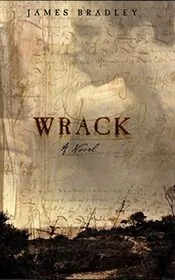
Wrack
by James Bradley
1997
Archaeologist David Norfolk is digging for a legendary Portuguese wreck on the New South Wales coast when he uncovers a decades-old body. The mystery widens into a layered story of obsession, betrayal, and the unstable line between history and myth.
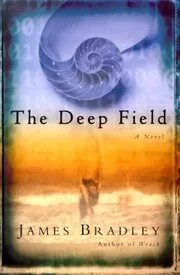
The Deep Field
by James Bradley
1999
Haunted by her twin brother's disappearance, photographer Anna Frasier returns to Sydney and begins a study of fossil shells. There she meets blind palaeontologist Seth LaMarque, and their relationship unfolds against a restless, near-future world.
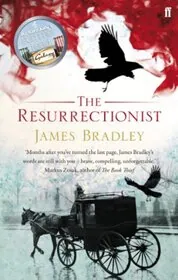
The Resurrectionist
by James Bradley
2006
London, 1826. Young medical apprentice Gabriel Swift arrives to study anatomy and is pulled into the brutal trade in stolen bodies, where ambition, science, and violence feed each other in the city's underworld.

Beauty's Sister
by James Bradley
2012
Juniper grows up in the forest knowing something is missing from her family, then discovers a beautiful girl in a nearby tower is her sister. This dark Rapunzel retelling turns fascination and jealousy into something far more dangerous.
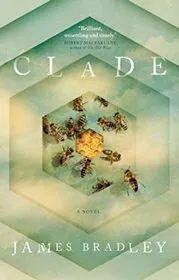
Clade
by James Bradley
2015
Beginning with Adam in Antarctica and Ellie waiting in Sydney, this novel follows one family across generations as climate change remakes the world. It is sweeping in scope, but stays close to private grief, love, and acts of care.
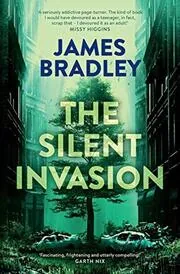
The Silent Invasion
by James Bradley
2017
In a near-future Australia overtaken by alien biology, Callie runs when her younger sister Grace is infected. Hunted by authorities and unsure who to trust, she heads for the Zone in a tense YA survival story.
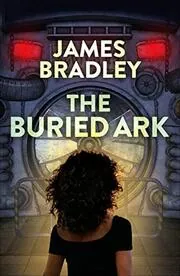
The Buried Ark
by James Bradley
2018
After reaching the Zone, Callie is stranded in a landscape reshaped by the alien Change. A discovery gives her a possible weapon, but the refuge known as the Ark may be even more dangerous than the world outside.
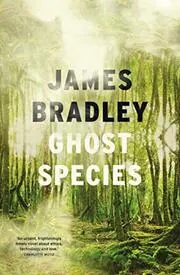
Ghost Species
by James Bradley
2020
Scientist Kate Larkin joins a secret project to bring extinct life back into a climate-ravaged world, then becomes protector to Eve, a girl with Neanderthal DNA. It is a thoughtful near-future novel about love, ethics, and what counts as human.

A Vastness of Stars
by James Bradley
2023
With Earth left barren after Firestorm, Callie wakes on an alien world far from home. To stop the Change for good, she has to survive the unknown, find others like her, and face the cost of returning.

Deep Water
by James Bradley
2024
In this wide-ranging nonfiction book, Bradley looks at the ocean through history, science, memory, and travel. It is about how the seas shaped life on Earth, and what their future might tell us about our own.

Landfall
by James Bradley
2025
In a flooded, heat-struck Sydney, Senior Detective Sadiya Azad races to find a missing child before a deadly storm arrives. The case opens onto murder, corruption, and the human cost of climate breakdown.

Flags of Our Fathers
by James Bradley
Drawing on family letters and photographs, James Bradley and Ron Powers examine the men associated with Iwo Jima's famous flag-raising photograph. Their nonfiction account connects the battle with the personal lives behind an enduring public image.
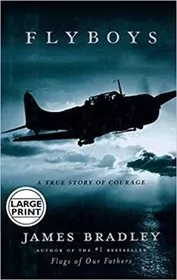
Flyboys
by James Bradley
Bradley investigates the fate of American airmen captured near Chichi Jima during World War II. Drawing on formerly secret records, this nonfiction account places their experiences alongside George H. W. Bush's rescue and the wider Pacific conflict.
Where to start with James Bradley
If you want climate fiction: Clade → Ghost Species → Landfall
If you want literary historical suspense: Wrack → The Resurrectionist
If you prefer intimate near-future fiction: The Deep Field
If you want YA sci-fi adventure: The Silent Invasion → The Buried Ark → A Vastness of Stars
If you want his nonfiction: Deep Water
James Bradley sub-series and character series
James Bradley collections, short stories, and related book types
Short Stories/Novellas
Collections
Standalone James Bradley books
Author bio
James Bradley was born in Adelaide in 1967 and grew up there, in a city that would keep echoing through his work. He studied philosophy and law at the University of Adelaide, trained as a lawyer, and spent time working in the law before writing took over.
Writing arrived a little late.
He has said that, although he always read widely, it did not really occur to him that he might write books until he was in his twenties. He began by publishing poems, then moved toward fiction, and after a year at film school made a simple, practical choice: novels were the form that gave him the most room to build a world and follow it through.
That choice led first to Wrack, a novel that folds together archaeology, history, obsession and murder around the search for a Portuguese shipwreck on the New South Wales coast. Then came The Deep Field, a near-future story about photographer Anna Frasier, her vanished twin brother, and her relationship with the blind palaeontologist Seth LaMarque. Even at the start, Bradley was writing books that liked to stand with one foot in private feeling and the other in big questions.
He does not seem especially interested in repeating himself.
The Resurrectionist moved to London in 1826 and into the body-snatching world of anatomists and resurrection men, following Gabriel Swift into a grim underside of science and ambition. Years later, Clade took another sharp turn, tracking one family across generations as climate change reshapes daily life. Readers who come to Bradley from different directions often end up noticing the same thing: he likes large ideas, but he keeps them close to human lives.
That became even clearer in Ghost Species, where a scientist is drawn into a secret program to resurrect extinct life and help recreate Neanderthals in a damaged future. His later novel Landfall brings those environmental anxieties into crime fiction, following detective Sadiya Azad through a flooded Sydney as she searches for a missing child. He has also written the YA Change trilogy and the nonfiction book Deep Water, which looks at the ocean through history, science, memory, and culture.
Across all of this work, some patterns keep returning. Bradley is drawn to thresholds: past and future, land and sea, the human and non-human, science and feeling. His books often place ordinary people inside systems that are much larger than they are, climate crisis, historical violence, ecological collapse, and then watch what love, grief, loyalty, or curiosity do under pressure.
Alongside fiction, he has also built a long career as a critic and essayist. He has written for Australian and international publications, won the Pascall Prize for criticism in 2012, and seen his books translated and shortlisted for major awards. That critical side helps explain the range of his fiction: he is plainly interested in ideas, but just as interested in what ideas feel like when they enter a family, a body, or a landscape.
He now lives in Sydney with his partner, the novelist Mardi McConnochie, and their children. By now his body of work stretches across novels, poetry, criticism, and nonfiction, but the through line is steady enough: he keeps asking how people live when the world around them starts to shift, sometimes slowly, sometimes all at once.





Edited by
Software engineer whose passion for tracking book recommendations from podcasts inspired the creation of MRB.
Lead investor at 3one4 Capital whose startup expertise and love for books helped shape MRB and its growth.
Comments
Did we miss something? Have feedback?
Help us improve this page by sharing your thoughts