
Jack Schaefer Books in Order
Explore Jack Schaefer books in order, with quick summaries, key western standouts, and straightforward advice on where to start reading his work.
Last updated:
As an Amazon Associate, we earn from qualifying purchases (at no extra cost to you).
Jack Schaefer books in publication order
21 books
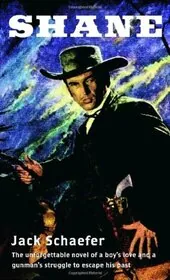
Shane
by Jack Schaefer
1949
In 1889 Wyoming, a mysterious drifter rides into the Starrett family's valley just as homesteaders and cattle interests move toward violence. Told through a boy's eyes, it is both a gripping range-war story and a portrait of a fading hero.

The Big Range
by Jack Schaefer
1953
These seven stories move through ranches, towns, camps, and open country, each centered on a different western life. Schaefer keeps the scale broad but the emotions close, showing how pride, work, and place shape people on the frontier.

The Canyon
by Jack Schaefer
1953
Little Bear, a Cheyenne man who resists the warrior role expected of him, is forced into a harsh test of survival and self-knowledge. Schaefer blends adventure with a searching story about identity, love, and the pull of community.

First Blood
by Jack Schaefer
1954
Jess Harker, a young stagecoach driver, finally gets his big chance when he rides beside the company's top messenger on a gold run. After an ambush, he must choose between flashy gunman glamour and the harder demands of law and responsibility.

First Blood and Other Stories
by Jack Schaefer
1954
This volume pairs the coming-of-age novella First Blood with three additional stories, giving a sharp sample of Schaefer at shorter length. Honor, courage, and hard choices run through every piece without drowning out the human details.
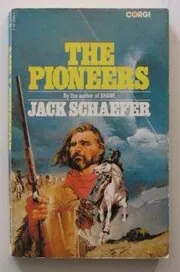
The Pioneers
by Jack Schaefer
1954
This collection brings together early Schaefer stories about settlers, horsemen, and stubborn frontier personalities at turning points in their lives. The tone shifts from funny to poignant, but the focus stays on character under pressure.

Company of Cowards
by Jack Schaefer
1957
After a court-martial brands him a coward, Jared Heath is sent to lead Company Q, a ragged unit of disgraced soldiers. Their march through danger becomes a fierce test of leadership, honor, and whether broken men can earn back self-respect.
Out West
by Jack Schaefer
1959
Edited by Schaefer, this anthology gathers western stories by a range of writers, from frontier adventure to quieter tales of settlement and survival. It works well as a broad tour of the moods, myths, and realities of western fiction.
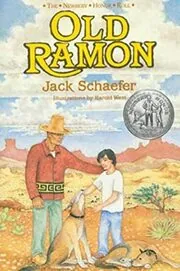
Old Ramon
by Jack Schaefer
1960
A boy spends a summer in the Mojave Desert with Old Ramon, an elderly shepherd whose wisdom comes from work, weather, and animals. Quiet on the surface, the story becomes a moving lesson in friendship, patience, and growing up.

The Kean Land
by Jack Schaefer
1960
Young Ben Hammon comes to western Colorado after his parents' deaths to live with his lawman uncle, and soon finds himself caught in the pressures bearing down on the Kean family and their land. The book mixes frontier growth with real loss.

Tales from the West
by Jack Schaefer
1961
This story collection ranges from humor to hardship, following ordinary western lives through work, weather, pride, and sudden tests of nerve. It shows Schaefer's gift for finding drama in places that look quiet from the outside.
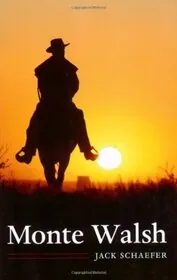
Monte Walsh
by Jack Schaefer
1963
Monte Walsh and Chet Rollins thrive on ranch work, jokes, trouble, and hard riding, until the modern world begins to close in. It is a big, humane western about friendship and what happens when a whole way of life starts disappearing.

The Great Endurance Horse Race
by Jack Schaefer
1963
Schaefer recounts the 1908 endurance race from Evanston, Wyoming, to Denver, a six-hundred-mile test of horseflesh and nerve. The result reads like frontier sports history, full of grit, strategy, and respect for the riders and their mounts.

The Plainsmen
by Jack Schaefer
1963
Chosen especially for younger readers, these stories follow cowboys, settlers, and other plains characters through comic and serious turning points. It is a lively introduction to Schaefer's short fiction and his feel for everyday frontier life.

Stubby Pringle's Christmas
by Jack Schaefer
1964
On his way to a Christmas dance, cowboy Stubby Pringle stops to help a struggling homesteader family and finds his whole night changing course. The story is plain, warm, and funny, with a rough-edged kindness that never feels sentimental.
Heroes Without Glory
by Jack Schaefer
1965
Instead of outlaws and gunfighters, Schaefer spotlights overlooked western figures, explorers, doctors, scouts, and community builders. These linked biographical essays show how much of the West was shaped by courage, stamina, and ordinary decency.

Adolphe Francis Alphonse Bandelier.
by Jack Schaefer
1966
Schaefer turns biographer here, tracing the life of Adolphe Bandelier, the scholar and fieldworker who helped document the peoples and ruins of the Southwest. It is a concise portrait of curiosity, travel, and careful historical work.

The Collected Stories of Jack Schaefer
by Jack Schaefer
1966
This large omnibus gathers Schaefer's western short fiction in one place, from tough frontier pieces to gentler character studies. It is the best single volume for readers who want the full sweep of his storytelling rather than one novel.

Mavericks
by Jack Schaefer
1974
Old Jake Hanlon, worn down by age and memory, looks back on the cowboy life he once loved. As his past comes into focus, Schaefer turns a western into a tender meditation on endurance, regret, and facing the end with grit.
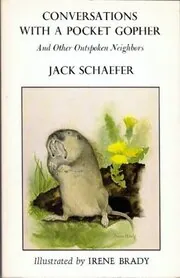
Conversations with a Pocket Gopher
by Jack Schaefer
1978
In these playful essays, Schaefer imagines conversations with a pocket gopher and other animals, turning sharp observation into reflections on nature, survival, and human damage to the land. It is wry, odd, and more ecological than western.

Jack Schaefer And The American West
by Jack Schaefer
1978
This eight-story selection offers a compact entry into Schaefer's western writing, pairing frontier action with quieter pieces about work, place, and character. It is a good sampler if you want his range without starting with a full novel.
Where to start with Jack Schaefer
If you want the classic first: Shane
If you want a big, character-rich cowboy novel: Monte Walsh → Mavericks
If you want coming-of-age stories: Old Ramon → First Blood → The Plainsmen
If you want Schaefer in short form: The Big Range → The Kean Land → The Collected Stories of Jack Schaefer
Jack Schaefer collections, short stories, and related book types
Short Stories/Novellas
Short Story Collections
Non-Fiction
Standalone Jack Schaefer books
Author bio
Jack Schaefer was born in Cleveland, Ohio, on November 19, 1907. In 1910 his family moved to nearby Lakewood, and he grew up in a house full of books, reading everything from Edgar Rice Burroughs to Zane Grey. His father was a lawyer, his parents were serious readers, and Schaefer seems to have picked up that habit of deep reading very early.
Books came first.
At Lakewood High School he worked on the yearbook and sent pieces to the school literary magazine. He went on to Oberlin College, where he studied English, classics, and creative writing, graduating in 1929. After that he headed to Columbia University for graduate work in eighteenth-century English literature, thinking he might become a professor. When the faculty rejected his idea for a master's thesis on the development of motion pictures, he gave up that plan and moved on.
The detour turned out to matter.
Schaefer's early working life was a mix of journalism and other jobs that kept him close to people, institutions, and deadlines. He spent a short time with United Press in New Haven, worked at the Connecticut Reformatory in Cheshire, and then built a long newspaper career with the New Haven Journal-Courier, The Baltimore Sun, and The Virginian-Pilot. That training shows in his fiction. The sentences are lean, the scenes are clear, and even the mythic parts feel researched rather than hazy.
He did not become a novelist young. Shane, published in 1949 when he was in his early forties, was his first novel, and it changed the course of his life. The book became a bestseller, and the 1953 film adaptation made it even more widely known. One striking fact about Schaefer is that he wrote this defining western before he had really seen the far West for himself. He built it from reading, reporting habits, and a very strong sense of story.
That was only the start.
He followed Shane with books that show how broad his version of the West could be. First Blood is a coming-of-age story about a young stagecoach driver caught between law and outlaw glamour. The Canyon, one of Schaefer's own favorites, centers on Little Bear, a Cheyenne man trying to live by his conscience even when his culture pulls the other way. In Monte Walsh, probably his other best-known novel, the focus shifts to the everyday life of cowboys and the slow disappearance of their world. Then there is Old Ramon, a quieter book for younger readers, about a boy, an old shepherd, and a hard summer in the desert. Readers often come to Schaefer for the western setting, but they stay for the moral pressure, the friendship, and the feeling that choices matter.
In 1955, after years in the East, he moved to New Mexico and stayed there for the rest of his life. The move did not suddenly make him a different writer, but it deepened interests he already had, history, landscape, working lives, and the cost of change. Later books such as Heroes Without Glory turned toward neglected figures from western history, and Conversations with a Pocket Gopher showed his growing concern for the natural world and the damage people do to it.
He was also a writer for younger readers, and he took that work seriously. Old Ramon received a Newbery Honor and the Ohioana Book Award. Years later, Shane was named the best western novel by the Western Writers of America, which says a lot about the reach of his first big success.
Schaefer died in Santa Fe, New Mexico, on January 24, 1991. What lasts is the steadiness of the work. He wrote about gunfighters, cowboys, shepherds, scouts, and strays, but the real subject was usually character under pressure. That still feels fresh.






Edited by
Software engineer whose passion for tracking book recommendations from podcasts inspired the creation of MRB.
Lead investor at 3one4 Capital whose startup expertise and love for books helped shape MRB and its growth.
Comments
Did we miss something? Have feedback?
Help us improve this page by sharing your thoughts