
J Kenji López Alt Books in Order
Browse J Kenji López Alt books in order, with quick summaries, reading paths, cookbook highlights, and clear advice on where to start with his food writing.
Last updated:
As an Amazon Associate, we earn from qualifying purchases (at no extra cost to you).
J Kenji López Alt books in publication order
4 books
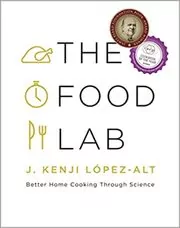
The Food Lab
by J Kenji López Alt
2015
This big, practical cookbook explains why classic techniques work, then turns that science into better home cooking. From steaks and roast chicken to potatoes and sauces, López-Alt tests kitchen myths so readers can get more reliable results.
Recommended by
1 person Seth Godin recommended this book
Seth Godin
"Genius." - Seth Godin
Seth Godin's recommendation of this book
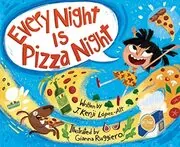
Every Night Is Pizza Night
by J Kenji López Alt
2020
Pipo is sure pizza is the best food in the world, until her neighborhood introduces her to other favorites. It is a bright, funny picture book about curiosity, community, and how best can mean different things to different people.

The Best American Food Writing 2020
by J Kenji López Alt
2020
Edited by López-Alt, this anthology gathers essays and reporting about restaurants, identity, labor, and the changing food world. It is less a cookbook than a snapshot of how Americans were thinking and writing about food in 2020.
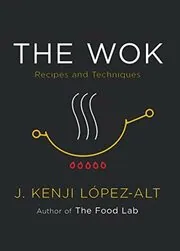
The Wok
by J Kenji López Alt
2022
López-Alt makes the wok feel useful, not mysterious, with clear lessons on heat, tools, prep, and motion. The book moves from fried rice and noodles to tempura and curries, showing how one pan can handle fast, flavorful cooking.
Where to start with J Kenji López Alt
If you want the big general home cooking guide: The Food Lab → The Wok
If you love high-heat technique and stir-frying: The Wok → The Food Lab
If you're reading with kids: Every Night Is Pizza Night
If you want food essays instead of recipes: The Best American Food Writing 2020
J Kenji López Alt collections, short stories, and related book types
Cookbooks
Children's Books
Collections
Author bio
J. Kenji López-Alt was born in Boston and grew up in New York, in a family where science was part of everyday conversation. His father is a geneticist, his mother is Japanese, and he has said that living close to his grandparents meant Japanese food was a regular part of home life. Long before he became a food writer, he was soaking up both lab-minded curiosity and the practical rhythm of family meals.
Cooking was not the plan.
At MIT, he started out in biology, switched to architecture, and went looking for a summer job when he got tired of lab work. He was trying to be hired as a waiter, but the restaurant needed a cook that day, so he stepped into the kitchen instead. That detour stuck. He kept cooking through college and then worked in Boston restaurants, learning the fast, repetitive, useful side of professional cooking.
The next turn came when he realized he wanted answers, not just repetition. Restaurant work taught speed and feel, but he also wanted to know why a steak browned the way it did, why potatoes crisped, or why one roast chicken worked better than another. That curiosity took him to Cook's Illustrated and America's Test Kitchen, and later to Serious Eats, where his The Food Lab column helped make food science feel usable for ordinary home cooks.
He made nerdy kitchen questions feel friendly.
The Food Lab turned that approach into a huge, practical cookbook. It won major cookbook awards, became a bestseller, and found a wide audience because it does not just hand readers recipes, it shows the thinking behind them. People return to it for the plain talk, the side-by-side testing, and the sense that better cooking is mostly about understanding a few key ideas. The Wok carries that same spirit into high-heat cooking, with lessons on equipment, technique, and dishes that range from fried rice and stir-fries to tempura and curries.
He has also taken his writing in a couple of different directions. Every Night Is Pizza Night is a picture book about a child named Pipo who learns that the best food depends on context, family, and who is sharing the table. The Best American Food Writing 2020, which he edited, shows his interest in the wider culture around food, collecting essays and reporting about restaurants, identity, labor, and the changing way Americans talk about eating.
Across all of this work, the themes stay pretty consistent. López-Alt likes curiosity over rules, good explanations over mystery, and food that people can actually cook at home. He often writes about dishes shaped by Japanese cooking, Chinese American restaurant food, and the broader mix of flavors that come from life in American cities, but he is just as interested in helping readers think clearly about technique. Now based in Seattle, he writes a New York Times column, makes videos, and lives with his family, dog, and cats. He talks openly about wanting cooking to feel less stressful and more joyful, which is probably why so many readers come away feeling like he is teaching, not showing off.



Edited by
Software engineer whose passion for tracking book recommendations from podcasts inspired the creation of MRB.
Lead investor at 3one4 Capital whose startup expertise and love for books helped shape MRB and its growth.
Comments
Did we miss something? Have feedback?
Help us improve this page by sharing your thoughts