
Isadora Wing Books in Order
Part ofErica Jong Books in OrderBrowse the Isadora Wing series by Erica Jong with the novels in order, overviews, background on Isadora’s journey, and tips on how to read the books.
Last updated:
As an Amazon Associate, we earn from qualifying purchases (at no extra cost to you).
Isadora Wing books in publication order
4 books
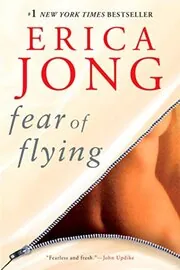
Fear of Flying
by Erica Jong
1973
Jong’s breakthrough novel introduces Isadora Wing, a 29 year old poet who flies to a psychoanalysts’ conference in Vienna with her husband and impulsively runs off with another analyst. Her road trip across Europe becomes a funny, raw examination of marriage, fantasy, and female freedom.

How to Save Your Own Life
by Erica Jong
1977
Picking up several years after Fear of Flying, this sequel finds Isadora Wing famous, restless, and trapped in a failing marriage. A trip to California and Hollywood throws her into affairs, gurus, and movie deals as she tests whether freedom can coexist with loyalty and love.

Parachutes & Kisses
by Erica Jong
1984
Isadora Wing returns as a divorced writer and single mother trying to balance literary success, an ex husband, a beloved daughter, and an often ridiculous lineup of suitors. The novel pokes fun at baby boomer privilege while tracing Isadora’s search for real intimacy in middle age.
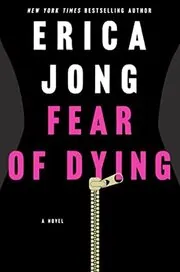
Fear of Dying
by Erica Jong
2015
Sixty year old actress Vanessa Wonderman juggles frail parents, an aging husband, a new grandchild, and her own undimmed hunger for sex and adventure. Her online flirtations collide with illness and loss, forcing her to rethink what intimacy and courage look like late in life.
Isadora Wing books in chronological order
Series background & context
The Isadora Wing novels follow one woman over several decades as she tries to work out what freedom really means. Across Fear of Flying, How to Save Your Own Life, and Parachutes & Kisses, Isadora moves from anxious newlywed to famous author to divorced single mother, always talking to the reader as if to a sharp, skeptical friend.
In Fear of Flying she is twenty nine, a poet who flies to a psychoanalysts’ conference in Vienna with her second husband, Bennett. She is terrified of planes and equally afraid of giving up the safety of marriage, yet bored by the role she is supposed to play. When she meets Adrian, an attractive British analyst who promises adventure, she runs off with him on a ramshackle car trip through Europe. The novel is less about their affair than about the furious, funny monologue in Isadora’s head as she weighs fantasy against the messy reality of love, family, and her own past.
Isadora is funny, self sabotaging, and painfully self aware, which is a big part of why readers still recognize themselves in her.
How to Save Your Own Life picks up a few years later. Isadora is now the author of a notorious bestseller and suddenly finds herself rich and in demand. Her marriage is crumbling, Hollywood comes calling, and the open marriages and encounter groups of 1970s California tempt her with new versions of liberation. The book follows the slow unravelling of a relationship and asks what kind of risks a woman will take in order not to feel trapped again.
By Parachutes & Kisses the world has moved into the 1980s and so has Isadora. She is divorced, sharing custody of a young daughter, and trying to raise a child while keeping her writing career alive. There is an ex husband to negotiate with, a big house in Connecticut that may or may not feel like home, and a parade of often ridiculous suitors. The comedy of dating as a nearly forty year old single mother sits alongside serious questions about money, caretaking, and what “having it all” really costs.
Read together, the books trace one consciousness aging in real time. The tone stays conversational and explicit about sex, but the stakes shift from whether to leave a husband to how to balance lovers, work, and parenting without losing herself. Jewish identity, psychoanalysis, and travel remain strong threads, as do Jong’s riffs on other books and writers.
Readers coming to the series now should expect long interior monologues, plenty of therapy talk, and more cultural name checking than most contemporary novels, all used in the service of charting how one woman thinks. The trilogy stands on its own, but Isadora’s later cameo as a wise, older friend in Fear of Dying shows how strongly she continues to live in Jong’s imagination and in that of her readers.





Edited by
Software engineer whose passion for tracking book recommendations from podcasts inspired the creation of MRB.
Lead investor at 3one4 Capital whose startup expertise and love for books helped shape MRB and its growth.
Comments
Did we miss something? Have feedback?
Help us improve this page by sharing your thoughts