
Erica Jong Books in Order
See all Erica Jong books in order, from the Isadora Wing trilogy to her stand alone novels, memoirs, and poetry, with book summaries and where to start.
Last updated:
As an Amazon Associate, we earn from qualifying purchases (at no extra cost to you).
Erica Jong books in publication order
29 books

Fruits and Vegetables
by Erica Jong
1971
Jong’s first poetry collection mixes surreal, witty, and erotic poems about the female body, city life, politics, and art. Everyday objects turn into lovers or enemies, and the speaker tries to claim pleasure and power in a culture that keeps telling her to stay small.
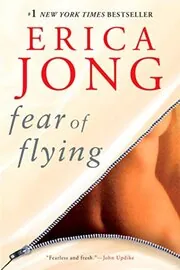
Fear of Flying
by Erica Jong
1973
Jong’s breakthrough novel introduces Isadora Wing, a 29 year old poet who flies to a psychoanalysts’ conference in Vienna with her husband and impulsively runs off with another analyst. Her road trip across Europe becomes a funny, raw examination of marriage, fantasy, and female freedom.

Half-Lives
by Erica Jong
1973
This second book of poems is sharper in tone, focusing on women’s work, sexuality, ambition, and fear. The poems move between offices, bedrooms, and art studios, using humor and candor to expose how women are judged for wanting both passion and autonomy.

Here Comes and Other Poems
by Erica Jong
1975
A mass market gathering of Jong’s early verse, originally published in Fruits and Vegetables and Half-Lives. It offers an accessible doorway into her first decade of poetry, charting her shift from experimental wordplay to more direct, confessional pieces about sex, politics, and literary life.

Loveroot
by Erica Jong
1975
Written soon after the success of Fear of Flying, this collection celebrates desire, books, and female friendship with a bold, conversational voice. Jong riffs on other writers, jokes about therapy and fame, and keeps circling the central question of what real erotic freedom might look like.

The Poetry of Erica Jong
by Erica Jong
1976
A boxed set collecting Fruits and Vegetables, Half-Lives, and Loveroot in one slipcase. Together these volumes show Jong evolving from a playful young surrealist into a poet who writes more openly about women’s anger, joy, and longing during the years of the sexual revolution.
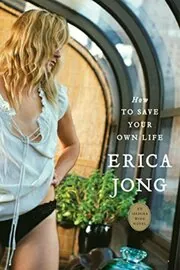
How to Save Your Own Life
by Erica Jong
1977
Picking up several years after Fear of Flying, this sequel finds Isadora Wing famous, restless, and trapped in a failing marriage. A trip to California and Hollywood throws her into affairs, gurus, and movie deals as she tests whether freedom can coexist with loyalty and love.

Selected Poems, Volume 1
by Erica Jong
1978
The first of two paperback selections drawn from Jong’s early books Fruits and Vegetables, Half-Lives, and Loveroot. It highlights her most quoted poems on love, anger, and the body, giving new readers a compact introduction to her strongest early work.

At the Edge of the Body
by Erica Jong
1979
In these meditative poems Jong turns from youthful bravado toward questions of aging, illness, and spiritual restlessness. She writes about the body as both pleasure and burden, about marriage and travel, and about how to stay fully alive while living with the knowledge of death.
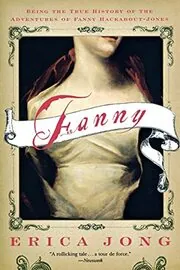
Fanny
by Erica Jong
1980
In this exuberant eighteenth century style romp, orphaned Fanny Hackabout Jones is determined to become a great poet but instead tumbles through brothels, manor houses, and pirate ships. The novel parodies classic picaresque tales while letting a clever, lusty heroine tell her own story.

Selected Poems, Volume 2
by Erica Jong
1980
This companion volume continues the selection from her first three collections, balancing the satirical and sensual sides of Jong’s voice. It gathers love poems, feminist pieces, and travel lyrics that show how her early work moves between vulnerability, rage, and mischievous humor.
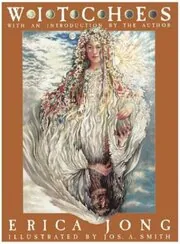
Witches
by Erica Jong
1981
A richly illustrated exploration of the witch as historical figure and archetype, mixing folklore, feminist commentary, poetry, and recipes for charms and potions. Jong traces how goddesses became demons, how wise women became scapegoats, and why witchcraft still speaks to women’s hunger for power and magic.

Ordinary Miracles
by Erica Jong
1983
Poems about pregnancy, childbirth, parenting, divorce, and renewal that treat domestic life as a source of both comedy and awe. Jong pays attention to small daily transformations and the resilient bonds between parents and children, lovers and friends, in language that feels intimate and musical.
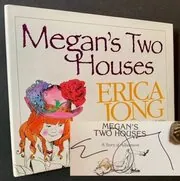
Megan's Two Houses
by Erica Jong
1984
Told in the voice of six year old Megan, this illustrated story follows a child learning to live with divorced parents, two homes, and their new partners. With honesty and gentle humor, it validates kids’ anger and confusion while showing that love can survive family change.
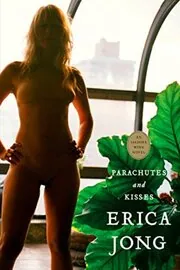
Parachutes & Kisses
by Erica Jong
1984
Isadora Wing returns as a divorced writer and single mother trying to balance literary success, an ex husband, a beloved daughter, and an often ridiculous lineup of suitors. The novel pokes fun at baby boomer privilege while tracing Isadora’s search for real intimacy in middle age.
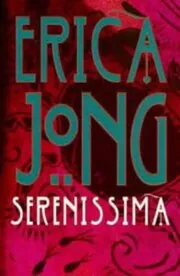
Serenissima / Shylock's Daughter
by Erica Jong
1987
Set between contemporary Venice and the world of Shakespeare, this time bending novel follows film star Jessica Pruitt, who slips back into the sixteenth century and into the body of Shylock’s daughter. Her journey entwines love, theater, politics, and the dark history of the ghetto.
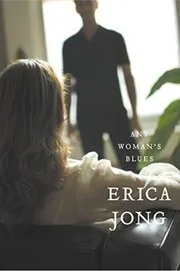
Any Woman's Blues
by Erica Jong
1989
World famous painter and recovering addict Leila Sand is hooked on a charming but destructive younger lover. As their affair spirals through betrayal, obsession, and self sabotage, Leila must choose between the chaos she craves and the sobriety, friendship, and art that could save her.

Becoming Light
by Erica Jong
1991
A wide ranging volume of new and selected poems in which Jong looks back on wild years, addictions, marriages, and creative highs. The work wrestles with demons of desire and self destruction yet keeps returning to the possibility of forgiveness, steady love, and a hard won inner peace.
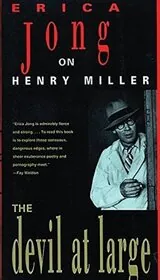
The Devil at Large
by Erica Jong
1993
Jong’s portrait of Henry Miller blends biography, literary criticism, and personal reminiscence. She revisits his life and work, remembers their friendship, and uses his example to investigate censorship, sexual honesty on the page, and the complicated power dynamic between muse and mentor.
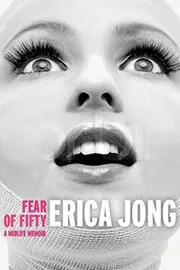
Fear of Fifty
by Erica Jong
1994
A midlife memoir in which Jong looks back on childhood, parents, marriages, fame, and feminism from the vantage point of turning fifty. Moving between past and present, she writes about desire, aging, family duty, and what it means to keep creating in middle age.
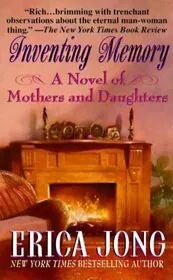
Inventing Memory / Of Blessed Memory
by Erica Jong
1997
This family saga follows four generations of Jewish women, from a pogrom in Russia to contemporary New York. As a young historian uncovers her foremothers’ lives, the novel explores memory, immigration, art, and how daughters inherit both wounds and strength from their mothers.
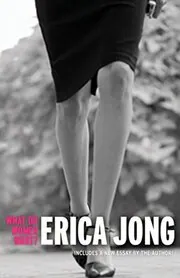
What Do Women Want?
by Erica Jong
1998
In these essays Jong tackles politics, literature, sex, and celebrity with her usual mix of humor and bluntness. She writes about power, beauty myths, mothers and daughters, and the challenges facing outspoken women while asking what equality and pleasure should look like in modern life.
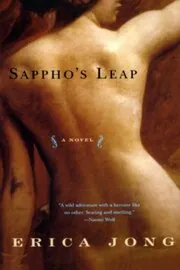
Sappho's Leap
by Erica Jong
2003
A playful historical novel that reimagines the life of Sappho, the legendary poet of Lesbos. From forced marriage and exile to wild adventures with pirates, sorceresses, and Amazons, Sappho’s quest for love and artistic freedom becomes a feminist odyssey through the ancient world.
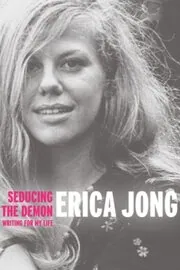
Seducing the Demon
by Erica Jong
2006
Part memoir and part craft book, this collection of essays follows Jong through love affairs, marriages, addiction, and writer’s block as she wrestles with the “demons” that drive her work. It offers a candid look at how obsession, fear, and joy all feed a writing life.

Love Comes First
by Erica Jong
2009
This later collection returns to love in all its forms, from erotic obsession to grief for lost parents and friends. The poems are frank, funny, and reflective, shaped by a writer who has lived through fame and heartbreak and is now thinking hard about what endures.
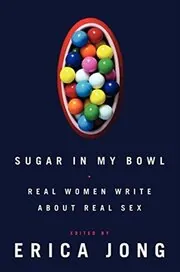
Sugar in My Bowl
by Erica Jong
2011
An anthology edited by Jong in which women writers of many ages and backgrounds write frankly about desire, fantasy, long marriages, and bad sex. Essays, stories, and cartoons explore how sexuality intersects with motherhood, aging, power, and shame in women’s real lives.
A Letter to the President
by Erica Jong
2012
This short polemic frames an open letter to the United States president as a plea on behalf of American women. Jong lays out worries about reproductive rights, economic justice, and cultural backlash, blending personal experience with plainspoken political anger and guarded hope.
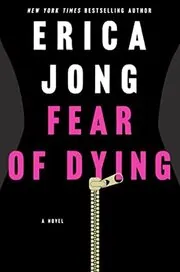
Fear of Dying
by Erica Jong
2015
Sixty year old actress Vanessa Wonderman juggles frail parents, an aging husband, a new grandchild, and her own undimmed hunger for sex and adventure. Her online flirtations collide with illness and loss, forcing her to rethink what intimacy and courage look like late in life.

The World Began with Yes
by Erica Jong
2019
A recent book of poems that blends political unease, family stories, astrophysics, and aging into brief, punchy lyrics. Jong writes about grandchildren, her mother’s death, and daily pleasures, insisting on saying yes to life even while recognizing how fragile bodies, memory, and communities can be.
Where to start with Erica Jong
If you want her iconic feminist fiction: Fear of Flying → How to Save Your Own Life → Parachutes & Kisses.
If you like intimate autobiographical nonfiction: Fear of Fifty → Seducing the Demon → What Do Women Want?.
If you prefer historical adventures: Fanny → Serenissima / Shylock's Daughter → Sappho's Leap.
If you are curious about later life and aging: Fear of Dying → Love Comes First → The World Began with Yes.
If you want to start with the poetry: Fruits and Vegetables → Half-Lives → Loveroot → Ordinary Miracles.
Erica Jong sub-series and character series
Erica Jong collections, short stories, and related book types
Collections
Picture Books
Non-Fiction Books
Standalone Erica Jong books
Author bio
Erica Jong grew up in New York City in a household where art, music, and argument were part of ordinary life. Her father, Seymour Mann, came from a Polish Jewish family and moved from music into a successful gift and doll business. Her mother, Eda Mirsky, was a painter and textile designer who had emigrated from England with Russian Jewish parents. The mix of immigrant stories, downtown art studios, and uptown ambition gave Jong a strong sense that books and images mattered.
As a teenager she attended the High School of Music and Art in Harlem, commuting across the city to study with other young artists. She went on to Barnard College, majoring in literature and writing, editing the campus literary magazine, and soaking up everything from Alexander Pope to Sylvia Plath. Graduate work at Columbia University followed, where she earned a master’s degree in eighteenth century English literature and wrote a thesis on how women are portrayed in Pope’s poetry.
Poetry came first.
Before anyone had heard of Fear of Flying, Jong was publishing poems in magazines and bringing out her first books of verse. Collections like Fruits and Vegetables and Half-Lives announced a new voice that was funny, erotic, politically sharp, and unapologetically female. She won the Bess Hokin Prize for poetry and taught writing at New York colleges and overseas programs, including several years in Heidelberg, Germany, where she lived while her then husband served in the army.
In the early 1970s she turned the frank, confessional tone of her poems into prose. The result was Fear of Flying, the novel that introduced Isadora Wing and a now famous phrase for a fantasy of anonymous sex. Published in 1973, the book blended road novel, psychoanalytic case study, and stand up comedy about marriage and desire. It sold in the tens of millions, was translated into dozens of languages, and became a landmark of second wave feminism for the way it treated women’s sexual fantasies as serious material.
Jong continued Isadora’s story in How to Save Your Own Life and Parachutes & Kisses, following her heroine through divorce, fame, Hollywood temptations, and single motherhood. At the same time she wrote stand alone novels that played with literary history. Fanny reimagines the picaresque tradition through a bawdy eighteenth century heroine. Serenissima, later retitled Shylock’s Daughter, sends a modern actress back into the Venice of Shakespeare. Sappho’s Leap invents an adventurous life for the ancient Greek poet, while Inventing Memory traces four generations of Jewish women in America. Decades after Isadora’s debut, Fear of Dying returned to similar questions from the perspective of an aging actress facing illness, loss, and undiminished desire.
Her nonfiction has been just as varied. Witches explores the witch as a figure of fear and power, mixing history, myth, and images. The Devil at Large is part critical study, part memoir of her friendship with Henry Miller. In Fear of Fifty she writes a midlife memoir about turning fifty in the wake of the women’s movement. Essay collections such as What Do Women Want? and the writing memoir Seducing the Demon braid literary criticism, personal confession, and cultural commentary. As an editor she has also pulled together other women’s voices, most notably in the anthology Sugar in My Bowl, and she has written a short polemic, A Letter to the President, on the state of women’s rights in the United States.
Across all this, poetry remains a through line. Collections including Loveroot, At the Edge of the Body, Ordinary Miracles, Becoming Light, Love Comes First, and The World Began with Yes show her returning to the lyric voice to think about motherhood, divorce, addiction, politics, aging, and joy. The poems are usually colloquial and clear, willing to move from sex to death to jokes in a few lines, and they often tip their hat to earlier writers she admires.
Jong has also spent much of her life teaching, lecturing, and serving as a very public author. She has held visiting posts at colleges and writers’ conferences, led workshops, and spoken bluntly in interviews about feminism, censorship, and the economics of being a writer. Over the years she has received major literary prizes in the United States and Europe, including honors for both her fiction and her verse.
Her personal life has always fed into the work. Multiple marriages, a long partnership with lawyer Kenneth Burrows, the birth of her daughter Molly Jong-Fast, and the push and pull between domestic responsibility and artistic ambition all show up, transformed, in her pages. In later years her family has spoken openly about the challenges of aging and dementia, while her late poems and essays circle themes of memory, legacy, and saying yes to life as long as possible.
At heart, her books keep returning to one stubborn set of questions: how to live as a woman, a writer, and a whole human being without giving up any essential part of yourself.




%20-%20Disney%20Frozen%3A%20Anna%20%26%20Elsa%2C%20Book%209.jpg)
Edited by
Software engineer whose passion for tracking book recommendations from podcasts inspired the creation of MRB.
Lead investor at 3one4 Capital whose startup expertise and love for books helped shape MRB and its growth.
Comments
Did we miss something? Have feedback?
Help us improve this page by sharing your thoughts