
Instrumentalities of the Night Books in Order
Part ofGlen Cook Books in OrderFind the Instrumentalities of the Night series by Glen Cook in order, with book lists, summaries, and context for its crusades, cold gods, and tangled politics.
Last updated:
As an Amazon Associate, we earn from qualifying purchases (at no extra cost to you).
Instrumentalities of the Night books in publication order
4 books
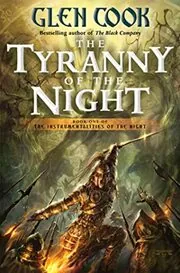
The Tyranny of the Night
by Glen Cook
2005
In the opening Instrumentalities novel, mercenary commander Else Tage—soon to be known as Piper Hecht—kills what may be a god, drawing the attention of rival churches, hidden sorcerers, and inhuman powers that have grown used to ruling the night.
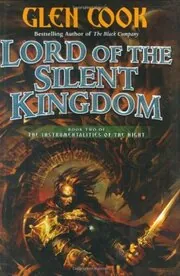
Lord of the Silent Kingdom
by Glen Cook
2007
Now Captain-General of the Grail Empire’s armies, Piper Hecht fights crusades abroad and political wars at home, even as ancient sorcerer Cloven Februaren and the Instrumentalities of the Night pull him into conflicts that span centuries.
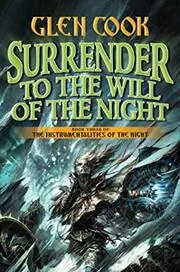
Surrender to the Will of the Night
by Glen Cook
2009
As crusades splinter and gods maneuver in the shadows, Piper Hecht is pushed into even higher command and deeper intrigue, forced to decide which masters he truly serves while Instrumentalities and human fanatics alike try to turn the world into a battlefield.
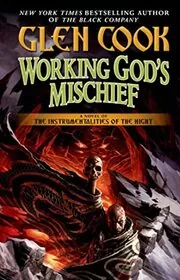
Working God's Mischief
by Glen Cook
2014
The final Instrumentalities of the Night novel sees Piper Hecht caught between fading gods, ruthless churches, and collapsing empires, trying to keep his friends and family alive while the last great moves in a centuries-long holy war play out around him.
Instrumentalities of the Night books in chronological order
Series background & context
Instrumentalities of the Night takes place in a world that looks a lot like late-medieval Europe and the Mediterranean, but with one crucial difference: the gods are real, present, and increasingly annoyed. They manifest as storms, living glaciers, and monstrous shadows known as Instrumentalities, feeding on fear and worship even as the climate cools and their power slowly ebbs.
The main thread follows Piper Hecht, born Else Tage, a professional soldier who becomes Captain-General of the armies of the Grail Empire. On paper he serves the Patriarch of the dominant western church. In reality he is also an agent of hidden powers who see in him a tool for steering history away from outright apocalypse. Piper is pragmatic, stubborn, and very good at surviving the sort of battles that kill legends.
Across four large novels, Cook layers military campaigns, spy games, and theological arguments. The Grail Empire, rival Patriarchs, island city-states, and desert powers all plot against one another while trying to stay ahead of Instrumentalities that can still wreck fleets or wipe out cities when conditions are right. Old sorceries and forbidden books are as dangerous as any invading army, and a single misjudged alliance can hand whole regions to the wrong god.
One of the series’ distinctive tricks is the way it treats religion as both sincerely felt faith and a political technology. Some characters believe deeply; others treat the churches as tools; most are a mix of both, making choices that are at once pious and self-serving. The fading of the gods does not automatically make the world safer. In many cases it simply removes constraints on human cruelty.
Readers who enjoy The Black Company’s mix of battlefield detail and big-picture fate will find similar pleasures here, but in a setting that borrows from crusades history, Byzantine intrigue, and Reformation-era schisms. This series_background focuses on grounding you in who Piper is, what the Instrumentalities actually are, and how the four books connect so you can tackle the saga without needing a separate atlas.





Edited by
Software engineer whose passion for tracking book recommendations from podcasts inspired the creation of MRB.
Lead investor at 3one4 Capital whose startup expertise and love for books helped shape MRB and its growth.
Comments
Did we miss something? Have feedback?
Help us improve this page by sharing your thoughts