
Inspector Vignoles Books in Order
Part ofStephen Done Books in OrderSee the Inspector Vignoles books in order by Stephen Done, with quick summaries, series background, and clear guidance on the best place to start.
Last updated:
As an Amazon Associate, we earn from qualifying purchases (at no extra cost to you).
Inspector Vignoles books in publication order
10 books
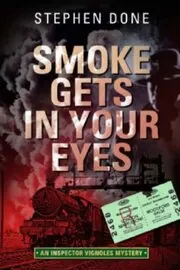
Smoke Gets in Your Eyes
by Stephen Done
2007
In austerity-hit March 1946, dressmaker Violet McIntyre is pulled into DI Charles Vignoles' hunt for a gang of counterfeiters. When a shocking discovery turns the case deadly, a mistake could cost someone her life.
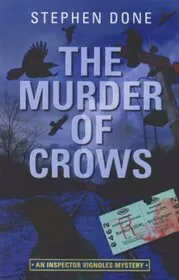
The Murder of Crows
by Stephen Done
2008
During the brutal winter of 1947, a young woman is hurled from a train near Catesby Tunnel. Vignoles and Sergeant Trinder must track a killer through snowbound rail lines, refugees, and a country still reeling from war.
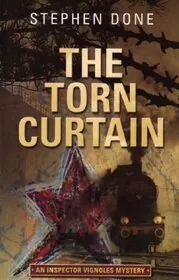
The Torn Curtain
by Stephen Done
2009
When two British soldiers working the railways in Trieste are murdered, the case soon reaches England and Inspector Vignoles. A searched office and a suspicious captain draw him into a Cold War mystery tied to buried secrets.
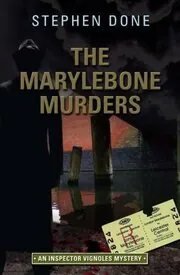
The Marylebone Murders
by Stephen Done
2011
On a smoggy Halloween in 1949, Jack Pym's body is found in the Regent's Canal near Marylebone station. What looks like suicide quickly unravels into a web of lies, private scandals, and deadly secrets.
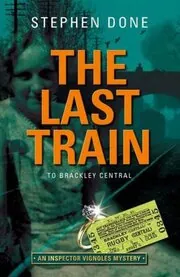
The Last Train to Brackley Central
by Stephen Done
2012
A strange woman slips into Richard Irons's railway compartment with a desperate story and a lethal request, then seems to vanish at Brackley Central. Vignoles follows the trail of a woman thought dead, a dangerous dog, and the Cobra's Eye diamond.
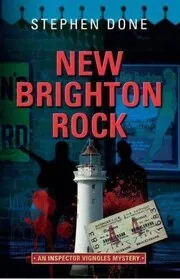
New Brighton Rock
by Stephen Done
2013
While holidaying in New Brighton in the summer of 1951, Charles and Anna Vignoles are drawn into the disappearance of a fellow guest. Their search leads from a boarding house to Bidston station, where a deadly robbery still casts a shadow.
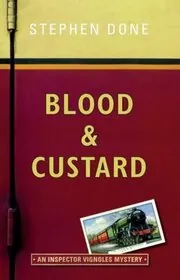
Blood and Custard
by Stephen Done
2015
Archaeologists digging beneath Leicester's old railway arches uncover a body burned almost beyond recognition. As Vignoles and Trinder investigate, another boy goes missing and the case begins to look like the work of a relentless killer.
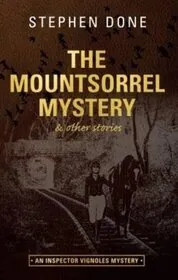
The Mountsorrel Mystery
by Stephen Done
2017
This linked story collection follows Vignoles and his colleagues through railway mysteries set between 1939 and 1953. Murders, stolen parcels, and old cases give Anna Carelli, Superintendent Badger, and the wider detective team room to shine.
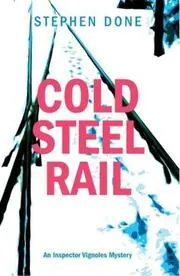
Cold Steel Rail
by Stephen Done
2018
A quiet branch line Christmas in 1954 turns vicious when murder ripples through a close railway community. While coping with personal loss, Vignoles must untangle a dangerous case involving a young mother, her daughter, and a ruthless pair of killers.
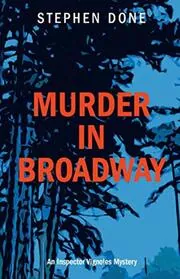
Murder in Broadway
by Stephen Done
2019
A lost trinket on the way to the 1955 Cheltenham Gold Cup sparks a chain of murders. As the case races from the Cotswolds to London's East End, Vignoles also has to manage a brash new deputy.
Inspector Vignoles books in chronological order
Series background & context
The Inspector Vignoles books are historical mysteries set in the years after the Second World War, when Britain is still rationed, smoky, and trying to steady itself again. The railway is not just background decoration. It is the workplace, the timetable, the social world, and very often the crime scene. Stations, sidings, signal boxes, tunnels, branch lines, and express routes all shape how the stories move.
At the center is Detective Inspector Charles Vignoles, a railway detective who works cases across the old Great Central Railway and beyond. He is usually joined by Sergeant Trinder and a wider department that understands railway life from the inside. These books are police mysteries, but they are also community stories. Porters, cleaners, signalmen, schoolmasters, widows, train-spotters, refugees, and holidaymakers all matter here, and their lives often pull the investigation in unexpected directions.
The series begins with Smoke Gets in Your Eyes in 1946 and then moves forward almost year by year. That gives the books a strong sense of time passing. The weather, the postwar shortages, the shift from wartime to uneasy peace, and the slow changes in British rail travel all leave their mark. One book may take Vignoles into a counterfeit case and a grim engine shed, while another sends him into the Big Freeze, Cold War shadows, London smog, a seaside boarding house, or the crowds around the Cheltenham Gold Cup.
And yes, the trains matter.
Done writes the railway world as a living system, not a museum display. Timetables, routes, local knowledge, and the habits of railway workers often help build the mystery, but you do not need to be a rail enthusiast to enjoy the books. The appeal is broader than that. These are solid postwar crime novels with a strong sense of place, a patient build, and a lot of atmosphere. The tone sits somewhere between classic British detection and a grounded historical thriller, with enough warmth in the recurring cast to keep the darker plots from feeling cold.
The supporting characters help give the series its shape. Anna Carelli, later Anna Vignoles, is more than a background figure, and The Mountsorrel Mystery & Other Stories shows that clearly by widening the lens beyond Charles himself. That collection also lets readers spend more time with colleagues such as Superintendent Badger and see different corners of the detective department at work. It makes the series feel bigger than one man solving one case at a time.
If you like mysteries that mix murders with weather, soot, rail yards, and the awkward business of rebuilding a country, this is a good world to settle into. Each book stands on its own, but together they build a fuller picture of postwar Britain, and of a detective trying to keep order while the old steam age rolls on for a little longer.


Edited by
Software engineer whose passion for tracking book recommendations from podcasts inspired the creation of MRB.
Lead investor at 3one4 Capital whose startup expertise and love for books helped shape MRB and its growth.
Comments
Did we miss something? Have feedback?
Help us improve this page by sharing your thoughts