
Imperial (Allan Massie) Books in Order
Part ofAllan Massie Books in OrderExplore the Imperial novels by Allan Massie in order, with summaries, series background, and guidance on where to start with his Roman books.
Last updated:
As an Amazon Associate, we earn from qualifying purchases (at no extra cost to you).
Imperial (Allan Massie) books in publication order
3 books

Augustus / Let the Emperor Speak
by Allan Massie
1986
Massie lets Augustus speak for himself as he remembers civil war, statecraft, and the long labour of founding an empire. It is both a rise-to-power story and a meditation on what victory costs.
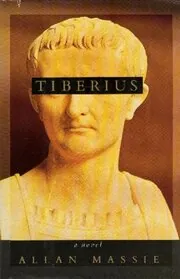
Tiberius
by Allan Massie
1991
An ageing emperor looks back on exile, duty, bereavement, and the long solitude of rule. Massie gives Tiberius a grave, reflective voice that pushes past the usual caricature.
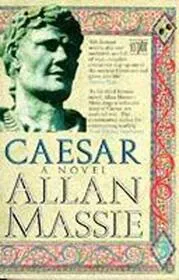
Caesar
by Allan Massie
1993
Decimus Brutus, once close to Caesar and later one of his killers, looks back on the rise and fall of Rome's most famous leader. The novel turns public history into a personal reckoning.
Imperial (Allan Massie) books in chronological order
Series background & context
Massie's Imperial books are his great Roman sequence, a run of novels that takes the reader from the end of the Republic into the dangerous heart of the early empire. The core titles here are Augustus / Let the Emperor Speak, Tiberius, Caesar, Antony, Caligula, and Nero's Heirs. They are historical novels, but they often feel closer to memoir, confession, or witness statement than to the usual march of battles and dates.
That choice of voice is central to what makes the series work. Sometimes Massie lets the ruler speak directly, as he does with Augustus and Tiberius. Sometimes he stands slightly to the side and uses an observer, ally, or betrayer, which allows the public legend to be tested against private memory. In Caesar, for example, the story comes through Decimus Brutus, one of the men closest to Caesar and one of the men who helped kill him. In Antony, a secretary watches power, appetite, charm, and self-destruction unfold from very near at hand.
The result is a Rome that feels political before it feels decorative. These books care about succession, dynastic marriage, reputation, loyalty, military force, and the daily theatre of power. They also care about loneliness. Again and again, Massie returns to the strange isolation of rulers who command armies and nations but cannot be sure of the people sitting closest to them.
Power is never secure for long.
That is why the sequence hangs together so well. Augustus builds. Tiberius inherits. Antony fights the losing battle against Octavian's harder, colder vision. Caligula becomes a story about terror, performance, and what later generations choose to remember. Nero's Heirs moves into the brutal uncertainty that follows the end of one regime, when everybody is suddenly somebody's claimant, somebody's rival, or somebody's casualty.
What you should not expect is wall-to-wall action. Massie is not writing Roman adventure in the usual sense. He is much more interested in motive, self-justification, and the gap between what history says happened and what a participant might say about it years later. That gives the books a reflective, almost conversational quality, even when the events themselves are immense.
If you enjoy Roman fiction that treats famous figures as difficult human beings instead of museum exhibits, this series is a very good fit. The books work one by one, but they also deepen when read in order, because each volume keeps asking the same unsettling question. What does rule do to the people who achieve it, and to the people forced to live in its shadow?







Edited by
Software engineer whose passion for tracking book recommendations from podcasts inspired the creation of MRB.
Lead investor at 3one4 Capital whose startup expertise and love for books helped shape MRB and its growth.
Comments
Did we miss something? Have feedback?
Help us improve this page by sharing your thoughts