
Howard Fast Books in Order
Explore Howard Fast books in order, with concise summaries, series guides, background on his pen names, and suggestions for where to begin.
Last updated:
As an Amazon Associate, we earn from qualifying purchases (at no extra cost to you).
Howard Fast books in publication order
74 books
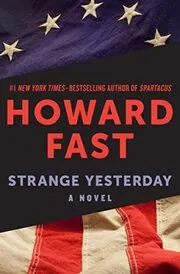
Strange Yesterday
by Howard Fast
1933
An early novel in which the past presses unexpectedly on the present. Fast explores memory, change, and youthful uncertainty through characters trying to understand what has happened to the lives they once imagined.
Two Valleys
by Howard Fast
1933
Howard Fast's first published novel follows young people trying to find direction amid emotional uncertainty and economic hardship. Written when he was still a teenager, it offers an early glimpse of his interest in lives under pressure.
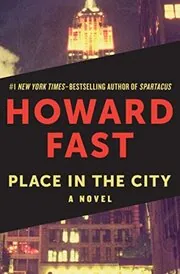
Place in the City
by Howard Fast
1937
An early Howard Fast novel about city life, young people, and the search for a place in a crowded modern world. It reflects his early interest in class, belonging, and the pressures shaping ordinary lives.
Conceived in Liberty
by Howard Fast
1939
At Valley Forge during the winter of 1777 and 1778, exhausted Continental soldiers struggle to hold together. Fast places the Revolution in the mud and cold, showing the loyalty and hardship behind its ideals.
Haym Salomon, Son of Liberty
by Howard Fast
1941
This historical book introduces Haym Salomon, the Jewish financier and patriot who aided the American Revolution. Fast presents his work for the revolutionary cause in a clear, accessible story for younger readers.
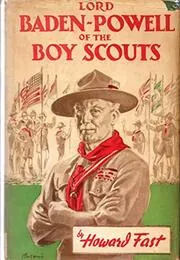
Lord Baden-Powell of the Boy Scouts
by Howard Fast
1941
A youth biography of Robert Baden-Powell, founder of the Boy Scout movement. Fast follows his military career, outdoor interests, and the ideas that helped turn scouting into an international organization.
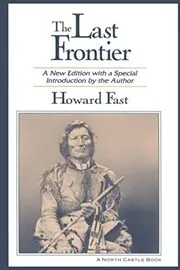
The Last Frontier
by Howard Fast
1941
In 1878, Northern Cheyenne people flee an Oklahoma reservation and attempt to return to their homeland in Wyoming and Montana. Their dangerous journey becomes a powerful story of endurance, grief, and resistance.

The Novelist
by Howard Fast
1941
A play centered on Jane Austen, imagining the private life behind a writer whose books have endured. Fast explores the tension between artistic ambition, family expectations, love, and the limits placed on a woman of her time.
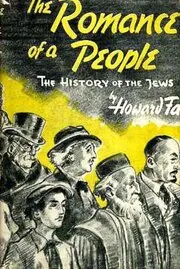
The Romance of a People
by Howard Fast
1941
A broad narrative of Jewish history that follows a people across centuries of migration, faith, persecution, and renewal. Fast presents major events and traditions in a story-driven, accessible form.
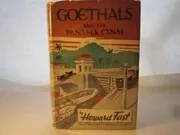
Goethals and the Panama Canal
by Howard Fast
1942
A biography for younger readers about George W. Goethals and the enormous task of building the Panama Canal. Fast explains the engineering challenge, the human labor involved, and the persistence needed to finish it.
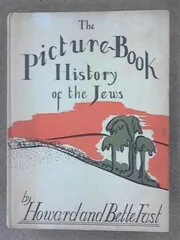
The Picture Book History of the Jews
by Howard Fast
1942
An illustrated introduction to Jewish history for young readers, created with Bette Fast. It traces a people's long journey through biblical beginnings, dispersal, persecution, cultural achievement, and survival.
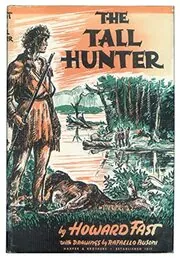
The Tall Hunter
by Howard Fast
1942
A historical adventure set on the American frontier, where survival depends on skill, endurance, and an understanding of an unforgiving landscape. Fast explores the tensions between settlers, native peoples, and the changing wilderness.
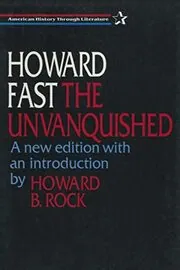
The Unvanquished
by Howard Fast
1942
George Washington's determination is at the center of this Revolutionary War novel. As defeat and hardship threaten the patriot cause, Fast follows the people who continue fighting when victory still seems remote.
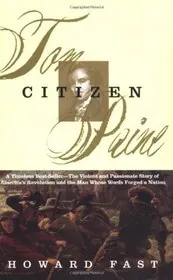
Citizen Tom Paine
by Howard Fast
1943
Thomas Paine's life becomes the subject of a sweeping historical novel about revolution and political conviction. Fast follows the pamphleteer through the American and French revolutions, showing both the force and cost of his radical beliefs.
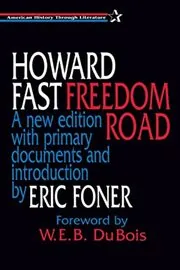
Freedom Road
by Howard Fast
1944
After the Civil War, Gideon Jackson and other formerly enslaved people try to build political power and keep their land during Reconstruction. Their struggle for education, safety, and self-government meets violent resistance from the old order.
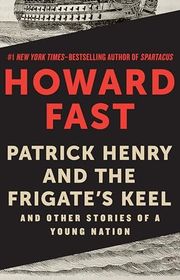
Patrick Henry and the Frigate's Keel
by Howard Fast
1945
This collection gathers short historical stories of early America, including its title tale. Fast writes about revolution, frontier life, and ordinary people whose small decisions become part of the country's larger history.
The American
by Howard Fast
1946
This fictionalized biography follows Illinois governor John Peter Altgeld, whose pardon of Haymarket defendants destroys his political future. Fast portrays a public official choosing conscience over convenience in an America divided by class and fear.
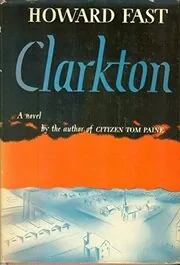
Clarkton
by Howard Fast
1947
After World War II, a labor dispute in a Massachusetts mill town turns increasingly bitter and violent. Factory owners, organizers, workers, and townspeople are all pulled into a conflict that leaves nobody untouched.

The Children
by Howard Fast
1947
Four children of immigrant families grow up in New York tenements amid hunger, prejudice, and violence. Jewish, Irish, and Italian friendships are tested as they struggle to imagine a future beyond the city's harsh divisions.
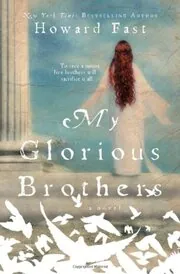
My Glorious Brothers
by Howard Fast
1948
In ancient Judea, Simon Maccabeus and his brothers lead a revolt against foreign rule and religious oppression. Fast tells the Hanukkah story as a family drama of courage, sacrifice, faith, and the fight for a homeland.
Departure and Other Stories
by Howard Fast
1949
A collection of short fiction about people facing departures, losses, moral choices, and sudden shifts in ordinary life. The stories show Fast moving between social realism, history, and closely observed personal drama.
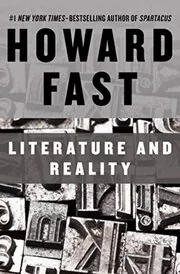
Literature and Reality
by Howard Fast
1950
A collection of essays in which Fast considers literature, politics, and the writer's responsibility to society. Written during his years of political commitment, it argues for fiction that engages directly with real human conflict.
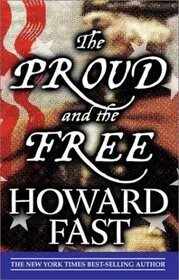
The Proud and the Free
by Howard Fast
1950
A Revolutionary War novel about people fighting for independence while confronting hunger, fear, and uncertainty. Fast focuses on the common soldiers and civilians whose endurance gives the ideal of freedom its real cost.
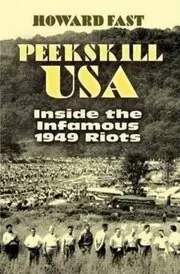
Peekskill, USA
by Howard Fast
1951
Fast recounts the violence surrounding a 1949 Peekskill concert connected with Paul Robeson. This personal political document examines racism, anti-Communism, mob intimidation, and the failure of authorities to protect peaceful citizens.
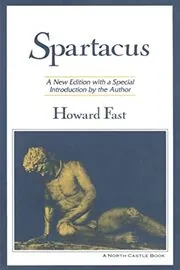
Spartacus
by Howard Fast
1951
A Thracian slave named Spartacus escapes captivity and leads a growing revolt against Rome. Fast turns the ancient uprising into a human story of freedom, sacrifice, and people refusing to accept a world built on slavery.
Fallen Angel / Mirage
by Howard Fast
1952
A man wakes after an accident with gaps in his memory and evidence that his life may not be what he believed. Searching for the truth pulls him into a dangerous maze of identity, conspiracy, and pursuit.
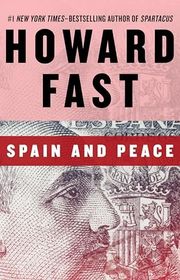
Spain and Peace
by Howard Fast
1952
A political pamphlet written in the early Cold War period, focused on Spain, anti-fascism, and the cause of peace. It reflects Fast's activist commitments and his concern with international struggles after World War II.
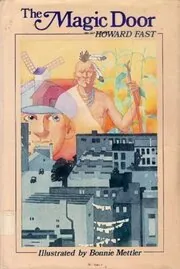
The Magic Door / Tony and the Wonderful Door
by Howard Fast
1952
Tony discovers a remarkable door that opens onto an adventure beyond his ordinary world. This imaginative children's story follows curiosity, courage, and the surprises waiting when a young boy decides to step through.
The Passion of Sacco and Vanzetti
by Howard Fast
1953
Fast fictionalizes the case of Nicola Sacco and Bartolomeo Vanzetti, immigrants whose trial became a symbol of injustice. The novel focuses on prejudice, political fear, and the long shadow cast by a contested conviction.
Silas Timberman
by Howard Fast
1954
A liberal university professor becomes a target during the McCarthy era and finds his career and freedom under attack. Fast turns Silas Timberman's ordeal into a direct story about conscience, intimidation, and civil liberties.
The Last Supper and Other Stories
by Howard Fast
1955
Sixteen stories explore faith, war, family, injustice, and the awkward moments that expose character. Fast moves from contemporary settings to historical and political subjects, keeping the focus on people under moral pressure.
The Story of Lola Gregg
by Howard Fast
1956
Lola Gregg becomes caught in the pressure surrounding a hunted Communist labor activist. As federal authorities close in, the novel explores fear, loyalty, and the strain political persecution places on ordinary family life.
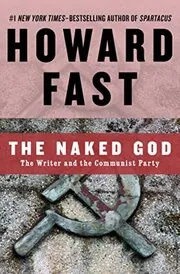
The Naked God
by Howard Fast
1957
In this autobiographical account, Fast confronts his years in the Communist Party and the beliefs that once sustained him. He writes about political idealism, repression, disappointment, and the painful process of breaking away.
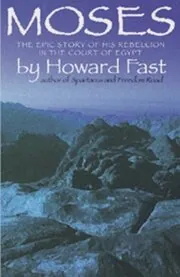
Moses, Prince of Egypt
by Howard Fast
1958
Fast retells the early life of Moses as a boy raised within Egypt's royal world while drawn toward a different spiritual inheritance. Palace politics, religious conflict, and Moses's Hebrew origins drive the historical drama.
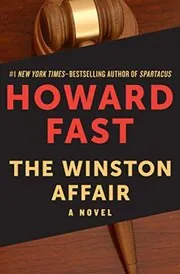
The Winston Affair
by Howard Fast
1959
A military officer faces a difficult court-martial case in a tense overseas setting. As the investigation develops, questions of duty, colonial power, and justice become inseparable from the fate of the accused man.
The Howard Fast Reader
by Howard Fast
1960
A wide-ranging selection of Howard Fast's work, bringing together novels and short stories from different stages of his career. It is a useful introduction to his historical fiction, social concerns, and direct storytelling style.
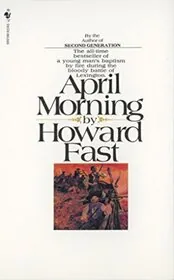
April Morning
by Howard Fast
1961
Fifteen-year-old Adam Cooper wants to be treated as a man, but the battle at Lexington gives him more than he expects. Over one terrifying day in 1775, he faces fear, loss, and the real cost of revolution.
The Edge of Tomorrow
by Howard Fast
1961
A collection of speculative short stories that uses science fiction and fantasy to test human habits, fears, and moral assumptions. Fast's imaginative premises often work like sharp fables about the present.
Power
by Howard Fast
1962
Howard Fast examines the ways power changes the people who seek it and those forced to live under it. The novel turns political and personal ambition into a tense story of loyalty, compromise, and consequence.
Agrippa's Daughter
by Howard Fast
1964
In first-century Judea, Berenice, daughter of King Agrippa, tries to protect her people as Roman power closes in. Civil conflict, loss, and her complicated bond with Titus make political survival painfully personal.
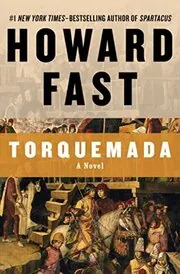
Torquemada
by Howard Fast
1966
Set during the Spanish Inquisition, this historical novel examines religious persecution and the machinery of fear. Fast centers the human cost of a system that demands obedience while turning suspicion into a weapon.
The Hunter and the Trap
by Howard Fast
1967
This collection of fantastical and science-fiction stories turns strange situations into moral puzzles. Fast's characters encounter traps of their own making, unexpected visitors, and worlds that expose familiar human weaknesses.
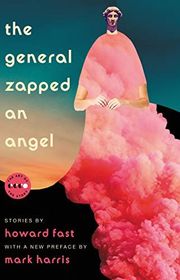
The General Zapped an Angel
by Howard Fast
1970
A collection of satirical fantasy and science-fiction stories in which the impossible arrives with unsettling logic. Fast uses angels, aliens, and strange events to poke at military authority, greed, certainty, and human vanity.

The Jews
by Howard Fast
1970
Howard Fast offers a broad popular history of the Jewish people, tracing survival, migration, faith, persecution, and cultural continuity. It is an accessible overview shaped by his lifelong interest in Jewish history and identity.
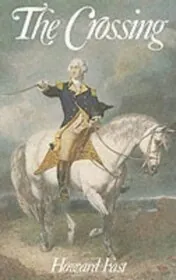
The Crossing
by Howard Fast
1971
In the desperate winter of 1776, George Washington's battered army prepares to cross the Delaware River and strike at Trenton. Fast tells the familiar historical moment through soldiers and civilians facing cold, exhaustion, and possible defeat.
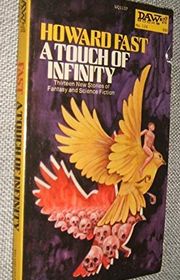
A Touch of Infinity
by Howard Fast
1973
Thirteen fantasy and science-fiction stories imagine encounters with the impossible, then use them to question ordinary human behavior. Fast mixes humor, unease, and moral curiosity in tales designed to linger after their twists.
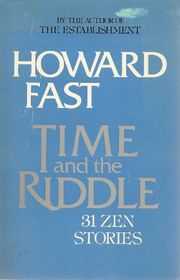
Time and the Riddle
by Howard Fast
1973
Thirty-one brief Zen-inflected stories blend fable, fantasy, and science fiction. Each piece offers a compact riddle about time, pride, fear, compassion, or the gap between what people think they know and what they miss.
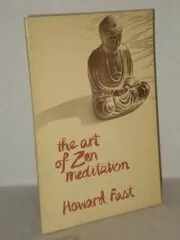
The Art of Zen Meditation
by Howard Fast
1977
A plainspoken introduction to Zen meditation from a writer who brought Zen interests into several later works. Fast discusses the practice as a way of paying attention, sitting still, and approaching everyday life with greater clarity.
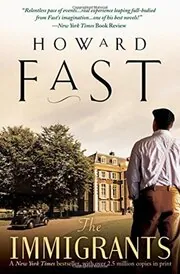
The Immigrants
by Howard Fast
1977
After surviving the 1906 San Francisco earthquake, Daniel Lavette rises from a fisherman's son to a powerful shipping magnate. His ambitions and loves intertwine with the fortunes of Italian, Jewish, Chinese, and Irish immigrant families.
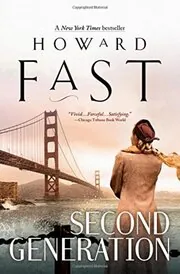
Second Generation
by Howard Fast
1978
Barbara Lavette rejects the sheltered social world expected of her and seeks a life on her own terms. Her journey carries the family saga from the Depression into wartime Europe, where danger reshapes her understanding of herself.
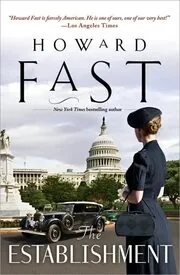
The Establishment
by Howard Fast
1979
The Lavette family enters a new phase as its members move through wealth, influence, war, and changing social rules. Personal ambition and family obligation collide while the younger generation tries to shape its own future.
The Legacy
by Howard Fast
1981
The Lavette family's wealth and influence continue to grow, but success does not simplify their lives. The next generation must deal with old loyalties, tangled relationships, and the political pressures that come with privilege.
Max
by Howard Fast
1982
Max follows a man confronting the weight of his past and the demands of the present. Fast builds a personal drama around memory, loyalty, and the search for a life that feels honest after years of compromise.
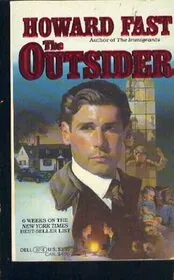
The Outsider
by Howard Fast
1984
A novel about Jewish identity, belonging, and the costs of living outside the expectations of a community. Howard Fast brings personal conviction and family conflict into a story shaped by history and difficult choices.
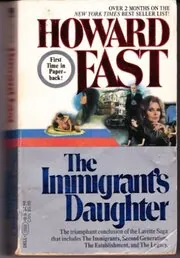
The Immigrant's Daughter
by Howard Fast
1985
Barbara Lavette, daughter of the self-made Dan Lavette, becomes the focus of the fifth Lavette family novel. Her activist past and sprawling family history carry the saga into later generations and changing American politics.
The Call of Fife and Drum
by Howard Fast
1987
This omnibus gathers three of Fast's Revolutionary War novels, *The Unvanquished*, *Conceived in Liberty*, and *The Proud and the Free*. Together they follow soldiers and civilians enduring the uncertain fight for American independence.
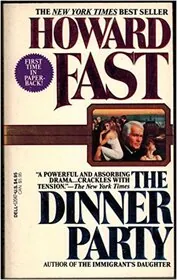
The Dinner Party
by Howard Fast
1987
Senator Richard Cromwell hosts a small country dinner at the urging of the secretary of state. Over one tense day, family secrets, political compromise, and a personal crisis force him to reconsider the life he has built.
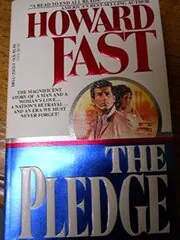
The Pledge
by Howard Fast
1988
A politically charged novel about loyalty, conscience, and the promises people make when private lives meet public pressure. Fast follows characters forced to choose between safety, principle, and the consequences of speaking plainly.
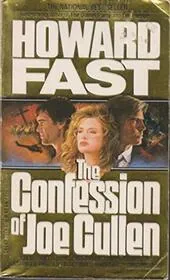
The Confession of Joe Cullen
by Howard Fast
1989
A CIA pilot walks into a New York police station and confesses to murder, drug smuggling, and covert operations in Central America. His astonishing account forces investigators to decide whether he is unstable, truthful, or both.
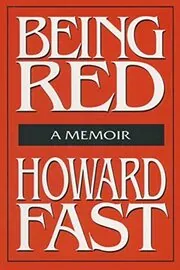
Being Red
by Howard Fast
1990
Howard Fast looks back on his years in the Communist Party, his imprisonment, and the blacklist. This candid memoir traces both his political commitment and the painful disillusionment that led him to leave the movement.
War and Peace
by Howard Fast
1992
A collection of Howard Fast's observations on public life, conflict, and the arguments that shape modern society. It brings together his direct, politically engaged reflections on war, peace, citizenship, and human responsibility.
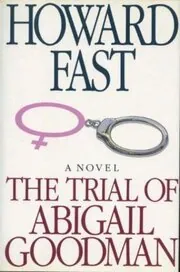
The Trial of Abigail Goodman
by Howard Fast
1993
In a near-future Southern state, professor Abigail Goodman faces a murder charge after an abortion becomes punishable by death under a new law. Her courtroom trial turns into a fierce public battle over law, faith, and women's autonomy.
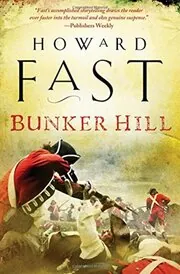
Bunker Hill
by Howard Fast
1994
Set during the opening battles of the American Revolution, this novel follows volunteers, militia members, and ordinary people swept into the conflict around Boston. Their courage and confusion build toward the bloody fight at Bunker Hill.
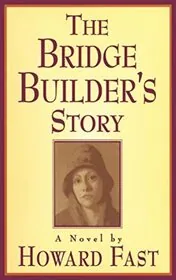
The Bridge Builder's Story
by Howard Fast
1995
An American engineering student survives a Nazi arrest in Berlin after his new wife is murdered. Years later, haunted by guilt and wartime memories, he meets another survivor and must decide whether a shattered life can be rebuilt.
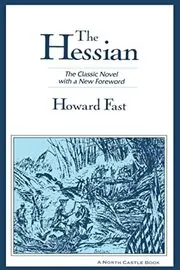
The Hessian
by Howard Fast
1996
During the Revolutionary War, a young Hessian drummer is accused after the death of a vulnerable Connecticut villager. His trial forces a divided community to confront war, prejudice, mercy, and what justice can mean in brutal times.
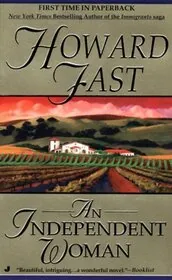
An Independent Woman
by Howard Fast
1997
The Lavette family saga returns years later through a woman determined to define her own life. Old family ties, inherited expectations, and the changing world around her make independence both a promise and a hard-won struggle.
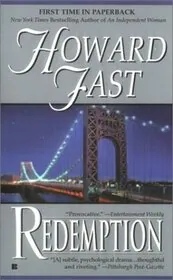
Redemption
by Howard Fast
1999
A story of people trying to live with past choices and find a way forward. Howard Fast explores the pull between private regret, public consequences, and the difficult hope that damaged relationships can still be repaired.
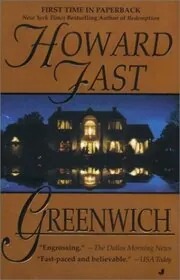
Greenwich
by Howard Fast
2000
Eight people gather for a dinner party in wealthy Greenwich, Connecticut, where comfort and status conceal guilt and unresolved damage. As the evening unfolds, their private compromises raise difficult questions about responsibility and redemption.
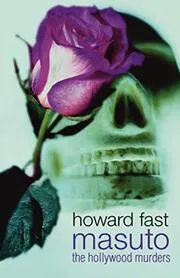
Matsuto: The Hollywood Murders
by Howard Fast
2001
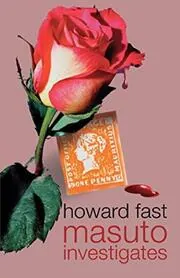
This Masao Masuto volume returns to Beverly Hills, where Hollywood glamour repeatedly masks old crimes and dangerous private lives. Masuto's careful, patient method is tested by murder cases shaped by fame, money, and buried history.
The Hollywood Blacklist
by Howard Fast
2002
This volume revisits the fear and censorship surrounding the Hollywood blacklist era, a period Fast knew firsthand. It explores the human cost of political suspicion and the pressure placed on writers, performers, and other film workers.
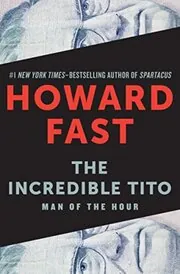
The Incredible Tito
by Howard Fast
2011
Howard Fast profiles Yugoslav leader Josip Broz Tito during the upheaval of World War II. The book follows Tito's rise as a resistance figure and places his leadership within Yugoslavia's difficult fight against occupation.
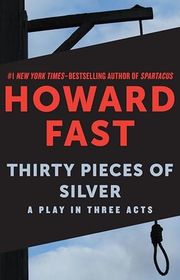
Thirty Pieces of Silver
by Howard Fast
2011
A dramatic work that uses betrayal, conscience, and political pressure to examine the price people pay for survival. Fast turns a biblical echo into a tense story about loyalty, fear, and moral compromise.
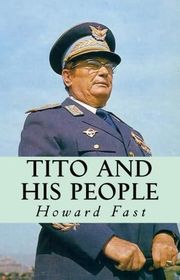
Tito and His People
by Howard Fast
2013
This nonfiction portrait examines Josip Broz Tito and the people of wartime Yugoslavia. Fast considers the resistance struggle against Axis occupation and the political forces shaping a country divided by history, region, and war.
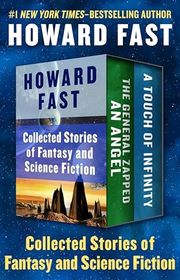
Collected Stories of Fantasy and Science Fiction
by Howard Fast
2018
A collection of Howard Fast's speculative fiction, including stories of strange visitors, altered realities, and moral reversals. These imaginative tales show another side of a writer better known for sweeping historical novels.
Where to start with Howard Fast
For American Revolution fiction: April Morning → The Crossing → The Hessian → Bunker Hill
For stories of resistance and freedom: Freedom Road → The Last Frontier → Spartacus
For a sweeping family saga: The Immigrants → Second Generation → The Establishment → The Legacy
For classic detective fiction: The Case of the Angry Actress → The Case of the One-Penny Orange → The Case of the Russian Diplomat
Howard Fast sub-series and character series
Howard Fast collections, short stories, and related book types
Short Stories/Novellas
Short Story Collections
Plays
Non-Fiction Books
Art of the Story Books
Standalone Howard Fast books
Author bio
Howard Fast was born in New York City on November 11, 1914, into a family that knew hard times well. His father, Barney, had come to America from what is now Ukraine, and his mother, Ida, had grown up in England after leaving a Lithuanian Jewish family. When Ida died in 1923, the family was left with very little. Fast and his older brother sold newspapers to help get by.
Books became his way out, at least for a while. A part-time job at the New York Public Library gave him steady access to them, and he later credited those shelves with making him a fierce, curious reader. As a teenager, he traveled by rail and hitchhiked around the country looking for work, writing whenever he could.
His first novel, Two Valleys, appeared in 1933, when he was eighteen. He soon found the material that would shape much of his career, American history seen from the ground level. Conceived in Liberty follows ordinary soldiers at Valley Forge, while Citizen Tom Paine turns the revolutionary writer into the center of a big, fast-moving historical story.
Fast liked people who were pushed aside and refused to stay there.
That interest runs through The Last Frontier, about the Northern Cheyenne's dangerous journey toward their homeland, and Freedom Road, set during Reconstruction as formerly enslaved people fight to build safer, more independent lives. He returned to ancient history in My Glorious Brothers and Spartacus, both novels about people resisting powerful empires.
His own public life was complicated. During World War II, Fast worked for the Office of War Information and wrote for Voice of America. He joined the Communist Party in 1943, then was convicted of contempt of Congress after refusing to name people connected with a Spanish Civil War relief fund. He served three months in prison in 1950 and was later shut out by major American publishers during the blacklist years.
That period led to one of his best-known books. Fast began Spartacus while imprisoned and published it himself after other publishers turned it down. The novel's story of a Roman slave revolt found a large audience, and the 1960 film adaptation helped bring it to another generation.
He never stuck to one kind of book for long. Readers can find coming-of-age history in April Morning, family drama in the Lavette novels beginning with The Immigrants, political fiction such as The Confession of Joe Cullen, and lighter, sharp-edged mysteries written as E.V. Cunningham. His Masao Masuto novels feature a thoughtful Japanese American detective working murder cases in Beverly Hills.
Fast also wrote nonfiction, plays, screenplays, short stories, children's books, and speculative fiction. The range is part of the fun. One book might take readers to Lexington in 1775, the next to ancient Rome, San Francisco after the 1906 earthquake, or a tense modern courtroom.
He married Bette Cohen in 1937, and they had two children, Jonathan and Rachel. After Bette's death in 1994, Fast married Mercedes O'Connor in 1999. He spent his later years in Old Greenwich, Connecticut, where he died on March 12, 2003.
He kept writing almost to the end.

Edited by
Software engineer whose passion for tracking book recommendations from podcasts inspired the creation of MRB.
Lead investor at 3one4 Capital whose startup expertise and love for books helped shape MRB and its growth.
Comments
Did we miss something? Have feedback?
Help us improve this page by sharing your thoughts