
Helen Forrester Books in Order
See all Helen Forrester books in order, with short summaries, memoir and novel reading order, background on her Liverpool stories, and tips on where to start.
Last updated:
As an Amazon Associate, we earn from qualifying purchases (at no extra cost to you).
Helen Forrester books in publication order
15 books
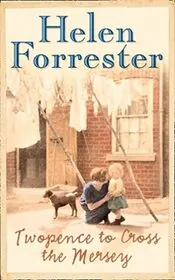
Twopence to Cross the Mersey
by Helen Forrester
1974
In this classic memoir, twelve-year-old Helen is hurled from comfortable middle-class life into Liverpool’s slums after her father’s bankruptcy. Kept from school to run the household, she records hunger, humiliation and small kindnesses with clear-eyed honesty and flashes of stubborn humour.
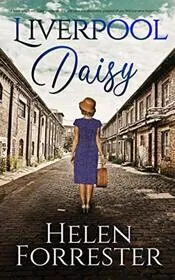
Liverpool Daisy
by Helen Forrester
1979
In Depression-era Liverpool, market trader Daisy Gallagher supports her struggling family and her sick friend Nellie. Desperation drives her into dangerous nighttime work in the dockside streets, a sacrifice she hides from her husband until the day truth can no longer be avoided.
Minerva's Stepchild / Liverpool Miss
by Helen Forrester
1979
The second volume of Forrester’s autobiography shows fourteen-year-old Helen battling to escape relentless domestic drudgery. Malnourished yet determined, she fights her parents for the chance to work, wash properly and claim a life beyond caring for six younger siblings.
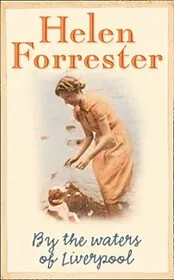
By the Waters of Liverpool
by Helen Forrester
1981
In this third memoir, teenage Helen finally wins the right to evening classes and a job, even as her parents remain reckless with money. As war closes in, first love and the terror of air raids reshape her sense of what a future might hold.
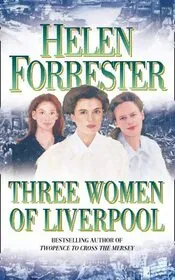
Three Women of Liverpool
by Helen Forrester
1984
During the worst week of the Liverpool Blitz, neighbours Ellen, Gwen and Emmie face very different fears - homelessness, family strain and a fiancé at sea. As bombs fall, their lives intersect in shelters and ruined streets, revealing courage in ordinary women.
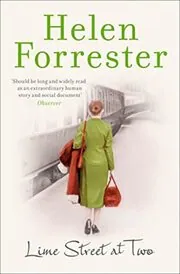
Lime Street at Two
by Helen Forrester
1985
This fourth volume of Forrester’s memoirs follows young Helen through the Liverpool Blitz, working long hours at a welfare centre and later on the dangerous waterfront. Amid bombing raids, low pay and family tensions, she clings to hard-won independence and hope.
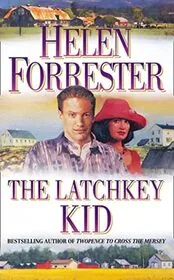
The Latchkey Kid
by Helen Forrester
1985
In a conservative Canadian town, social climber Olga Stych devotes herself to respectability and neglects her son Hank. When his racy novel becomes a bestseller, mother and son end up on opposite sides of a public morals campaign and a generational divide.
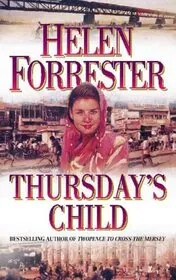
Thursday's Child
by Helen Forrester
1985
Peggy Delaney, a Lancashire girl scarred by wartime loss, falls in love with Ajit Singh, an Indian student due to return home for an arranged marriage. Their relationship tests two families, two faiths and their own patience as they try to build a shared life.
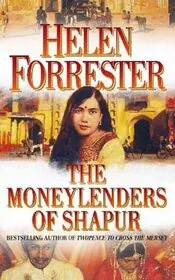
The Moneylenders of Shahpur
by Helen Forrester
1987
In newly independent India, dutiful Anasuyabehn is promised to Mahadev, a wealthy moneylender, but falls in love with Tilak, a reform-minded professor. Torn between tradition, religion and her own desires, she must decide whose future she is willing to sacrifice.
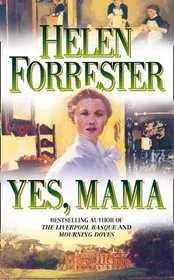
Yes, Mama
by Helen Forrester
1987
Alicia Woodman grows up unwanted in a prosperous Liverpool household where her stepfather rejects her and her mother turns away. Taken in by Polly Ford, a dockworker’s widow, she finds real love and slowly learns to stand tall in a harsh, judgmental world.
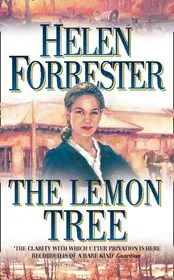
The Lemon Tree
by Helen Forrester
1989
Helena Al-Khoury flees turmoil in Lebanon as a child and endures hardship in Liverpool, Chicago and the Canadian wilderness. With the steady support of her lover Joe, she builds a new life, then must choose between family duty in Liverpool and the love she left behind.
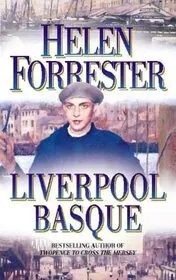
The Liverpool Basque
by Helen Forrester
1993
Manuel Echaniz grows up in Liverpool’s docklands, the son of a Basque seafaring family who stayed when others sailed on. Raised mostly by the women at home, he confronts poverty, prejudice and unemployment while fighting for an education and a future.
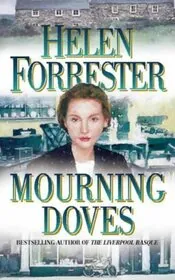
Mourning Doves
by Helen Forrester
1996
After her husband’s sudden death, Louise Gilmore and her daughters are forced from a comfortable Liverpool home to a shabby cottage in Hoylake. In the shadow of the Great War, they learn new skills, face fear, and discover unexpected sources of strength.
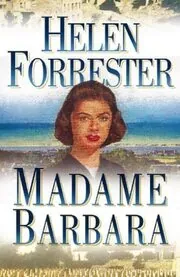
Madame Barbara
by Helen Forrester
1999
In the late 1940s, a young Liverpool widow travels to Normandy to visit the grave of the husband she barely knew. There she meets a war-worn French taxi driver, and grief slowly gives way to a fragile, hard-won new love.
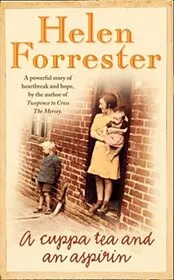
A Cuppa Tea and an Aspirin
by Helen Forrester
2003
Set in a Liverpool tenement during the Depression, this novel follows Martha Connelly as she fights to keep her large family fed and safe. Amid slum hardship and looming war, small acts of kindness and stubborn hope hold the community together.
Where to start with Helen Forrester
If you want her life story in order: Twopence to Cross the Mersey → Liverpool Miss → By the Waters of Liverpool → Lime Street at Two.
If you love Liverpool family sagas: Liverpool Daisy → Three Women of Liverpool → A Cuppa Tea and an Aspirin.
If you enjoy cross-cultural love stories: Thursday's Child → The Moneylenders of Shahpur → The Lemon Tree.
If you prefer powerful stand-alone dramas: Yes, Mama → Mourning Doves → Madame Barbara.
If you are curious about her Canadian settings: The Latchkey Kid → The Lemon Tree.
Helen Forrester collections, short stories, and related book types
Non-Fiction
Standalone Helen Forrester books
Author bio
Helen Forrester was the pen name of June Huband Bhatia, an Anglo-Canadian writer whose books grew out of a childhood spent in poverty in Liverpool. Born in Hoylake, Cheshire, in 1919, she was the eldest of seven children.
Her parents had lived on credit and optimism until her father went bankrupt at the start of the 1930s. Overnight the family fell from a comfortable middle-class life into the Liverpool slums. At twelve, Helen was taken out of school to mind her younger brothers and sisters.
Those years of hunger, overcrowding and parish relief shaped both her character and her later work. She scrubbed floors, queued for handouts and slept in unheated rooms, all the while missing the education she longed for and watching her parents struggle to cope.
At fourteen she finally rebelled. Her parents agreed that she could attend evening classes, and she began to build the education she had been denied. By day she worked first as an office girl, then as a social worker in Liverpool and Bootle, gaining an intimate knowledge of the city’s poorest streets.
During the Second World War she endured the Liverpool Blitz, walking to work through blackout rubble and helping families whose homes had been destroyed. She lost two fiancés in the conflict, grief that would later echo through books like Three Women of Liverpool and Madame Barbara.
After the war she met Indian physicist Avadh Bhatia. They married in 1950 and moved to India, where she lived near a new university campus and absorbed the texture of everyday life in a newly independent country. These years lay behind novels such as Thursday’s Child and The Moneylenders of Shahpur.
Academic posts took the couple on to Edinburgh, then Ottawa, before they settled in Edmonton, Alberta, in 1955 with their son Robert. In Canada Helen carved out time to write between caring for her family and supporting a husband whose health was often fragile. Her first book, Thursday’s Child, was published in 1959.
Her four-volume memoir - Twopence to Cross the Mersey, Liverpool Miss, By the Waters of Liverpool and Lime Street at Two - tells the story of her childhood and young adulthood with clear, unsentimental detail. Readers responded to the way she combined social history with the small moments of humour, shame and kindness that make up a life.
Her Liverpool-set novels, including Liverpool Daisy, Three Women of Liverpool, Mourning Doves, A Cuppa Tea and an Aspirin and Yes, Mama, grew from the same ground. Other stories, such as The Lemon Tree, The Latchkey Kid and The Liverpool Basque, followed characters across continents, exploring migration, class, faith and family ties.
Recognition came slowly but solidly. She received honorary doctorates from the University of Liverpool and the University of Alberta, and her work inspired stage adaptations of Twopence to Cross the Mersey and By the Waters of Liverpool. She continued writing into her eighties and died in Edmonton in 2011, leaving behind a body of work that still speaks plainly about hardship, resilience and the quiet bravery of ordinary people.










Edited by
Software engineer whose passion for tracking book recommendations from podcasts inspired the creation of MRB.
Lead investor at 3one4 Capital whose startup expertise and love for books helped shape MRB and its growth.
Comments
Did we miss something? Have feedback?
Help us improve this page by sharing your thoughts