
Helen Dore Boylston Books in Order
Explore Helen Dore Boylston books in order, with quick summaries, Sue Barton and Carol Page series guides, and simple tips on where to start reading.
Last updated:
As an Amazon Associate, we earn from qualifying purchases (at no extra cost to you).
Helen Dore Boylston books in publication order
14 books

Sister
by Helen Dore Boylston
1927
In this memoir, Boylston records her service as a frontline nurse in France during World War I. Long operating nights, air raids, exhausted humor, and ordinary courage give the diary its force.
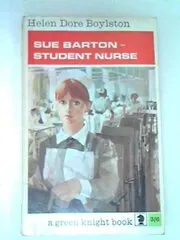
Sue Barton, Student Nurse
by Helen Dore Boylston
1936
Sue begins nurse's training with equal parts confidence and nerves. Friendship, strict rules, medical emergencies, and a first meeting with Dr. Bill Barry make her student years busy, risky, and hard to forget.
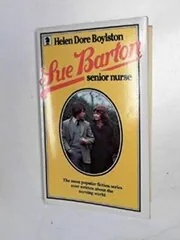
Sue Barton, Senior Nurse
by Helen Dore Boylston
1937
As Sue enters the final stretch of training, she faces new hospital assignments in surgery, psychiatry, and maternity care. At the same time, her growing feelings for Dr. Bill Barry threaten to complicate the future she wants.
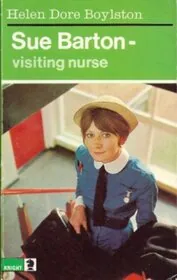
Sue Barton, Visiting Nurse
by Helen Dore Boylston
1938
Sue and her friend Kit move into New York City to work in settlement nursing. In crowded neighborhoods they treat illness, teach families, and discover that public health work can be as demanding as any hospital ward.
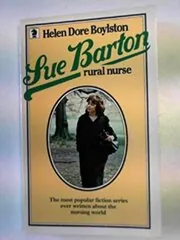
Sue Barton, Rural Nurse
by Helen Dore Boylston
1939
Back in New Hampshire, Sue takes up rural nursing while Bill Barry is tied down by family troubles. A typhoid outbreak and a dam disaster show how exposed a small town can be, and how much one good nurse matters.
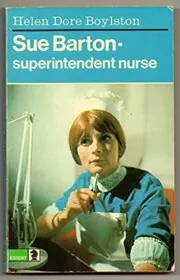
Sue Barton, Superintendent of Nurses
by Helen Dore Boylston
1940
Newly married and full of plans, Sue helps lead a nursing school at a new hospital in Springdale. Administration, student problems, and the strain of combining marriage with professional responsibility make this one of her toughest tests.
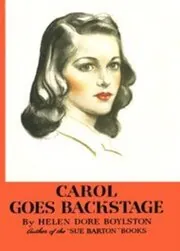
Carol Goes Backstage
by Helen Dore Boylston
1941
After a high school triumph, Carol Page and her friend Julia join a New York apprentice theater group. Hard criticism, long practice, and a running clash with Mike Horodinsky force Carol to decide how badly she wants the stage.
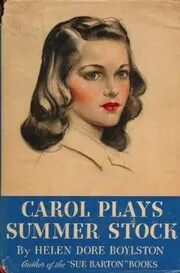
Carol Plays Summer Stock
by Helen Dore Boylston
1942
Carol lands her first real theater job at a summer company in coastal Maine. Rehearsals, scenery, bad weather, and backstage rivalries teach her that acting is as much grit and teamwork as talent.
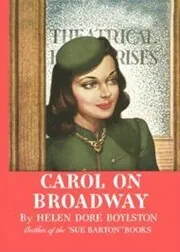
Carol Goes on the Stage / Carol on Broadway
by Helen Dore Boylston
1943
Carol and Julia chase stage work in New York, where agents, producers, and endless waiting make success feel far away. Broadway is dazzling from the outside, but the real test is persistence.

Carol on Tour
by Helen Dore Boylston
1946
Life on the road is tougher than Carol imagined, with constant travel, new audiences, and no room for careless mistakes. Touring pushes her to grow up fast and prove that her talent can stand up outside New York.
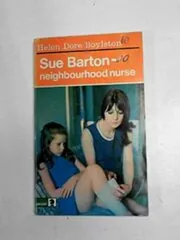
Sue Barton, Neighborhood Nurse
by Helen Dore Boylston
1949
Now a wife and mother, Sue feels the pull of the career she left behind. She starts helping the people around her, and small acts of nursing turn into a wider story about family, community, and purpose.
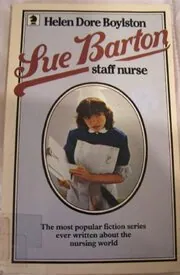
Sue Barton, Staff Nurse
by Helen Dore Boylston
1952
With her husband ill and four children depending on her, Sue goes back to hospital work as a staff nurse. The job tests her stamina, judgment, and sense of duty as she tries to hold family and career together.

Clara Barton
by Helen Dore Boylston
1955
Boylston tells the life of Civil War nurse Clara Barton for younger readers, following her from battlefield relief work to the founding of the American Red Cross. It's a brisk, accessible portrait of a stubborn, practical reformer.

Travels with Zenobia
by Helen Dore Boylston
1983
Drawn from a 1926 journal, this travel memoir follows Helen Dore Boylston and Rose Wilder Lane as they drive a stubborn Model T from Paris toward Albania. Breakdowns, border crossings, and sharp-eyed observations make the trip both funny and adventurous.
Where to start with Helen Dore Boylston
If you want the core Sue Barton story: Sue Barton, Student Nurse → Sue Barton, Senior Nurse → Sue Barton, Visiting Nurse
If you want Sue beyond the hospital wards: Sue Barton, Rural Nurse → Sue Barton, Superintendent of Nurses → Sue Barton, Neighborhood Nurse
If you want theater and career fiction: Carol Goes Backstage → Carol Plays Summer Stock → Carol Goes on the Stage / Carol on Broadway → Carol on Tour
If you want Boylston's real-life adventures: Sister → Travels with Zenobia
If you want a historical nursing biography: Clara Barton
Helen Dore Boylston sub-series and character series
Helen Dore Boylston collections, short stories, and related book types
Non-Fiction
U.S. Landmark Non-Fiction
Author bio
Helen Dore Boylston was born in Portsmouth, New Hampshire, on April 4, 1895, and grew up there as an only child in a comfortable family. Friends called her Troub, short for Trouble, which tells you something about her energy. For a while she thought about medicine, like her father, but nursing offered a faster way into serious work.
She spent a year at Simmons College in Boston, then trained at Massachusetts General Hospital, graduating in 1917. Two days later, with the United States newly in World War I, she joined the Harvard Medical Unit and sailed for France. At a front-line hospital she worked brutal hours, cared for badly wounded soldiers, and specialized as a nurse anesthetist.
War gave her material, but it also showed her what kind of life she wanted.
Boylston kept a diary during the war. Rose Wilder Lane later helped get that writing into print in The Atlantic, and it became Sister, her memoir of nursing in France, published in 1927. After the Armistice she stayed in Europe doing Red Cross relief work in Albania, Poland, Russia, Italy, and Germany, then returned to the United States to work in hospitals and teach anesthesiology.
She was not built for a quiet life.
In 1926 she and Lane drove from Paris toward Albania in a Model T Ford they called Zenobia. The trip would not appear in book form until decades later, when Travels with Zenobia was published in 1983, but the story fits Boylston perfectly: part travel diary, part comedy of endurance, part proof that she liked doing things the hard way if they were interesting.
Her best-known work is the Sue Barton series, starting with Sue Barton, Student Nurse in 1936. The books follow Sue through training, hospital work, public health nursing, rural service, marriage, and motherhood. Readers kept coming back because the books treat nursing as real work, not just background scenery. There are friendships, romance, and plenty of feeling, but there are also wards, long shifts, mistakes, and hard decisions.
That firsthand feel matters. Boylston said many of the nursing episodes in the early Sue Barton books were drawn from real experience.
When Sue's story moved into married life, Boylston started a new path with the Carol Page books, beginning with Carol Goes Backstage in 1941. These novels swap hospitals for rehearsal rooms, summer stock, Broadway, and touring companies. They keep the same interest in young women learning a craft, taking criticism, and figuring out how ambition fits into everyday life. Later she also wrote Clara Barton, a biography for younger readers about the founder of the American Red Cross.
Boylston published stories and articles in magazines as well, and her books reached readers far beyond the United States. She spent later years in Connecticut, where she died in Trumbull on September 30, 1984. A lot of writers borrowed glamour from the worlds they described. Boylston did the opposite. She brought those worlds down to earth, and that is a big part of why her books still read so clearly.











Edited by
Software engineer whose passion for tracking book recommendations from podcasts inspired the creation of MRB.
Lead investor at 3one4 Capital whose startup expertise and love for books helped shape MRB and its growth.
Comments
Did we miss something? Have feedback?
Help us improve this page by sharing your thoughts