
Hazel Micallef Books in Order
Part ofInger Ash Wolfe Books in OrderSee the Hazel Micallef series by Inger Ash Wolfe in order, with short summaries, setting and character notes, and a clear guide to the best place to start.
Last updated:
As an Amazon Associate, we earn from qualifying purchases (at no extra cost to you).
Hazel Micallef books in publication order
4 books
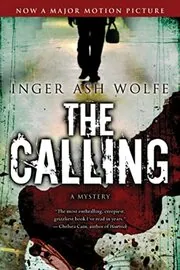
The Calling
by Inger Ash Wolfe
2008
Hazel Micallef thought Port Dundas had gone quiet, until a terminally ill woman is found brutally murdered. As more staged killings follow, Hazel has to hunt a killer whose crimes mix ritual, belief, and deliberate terror.
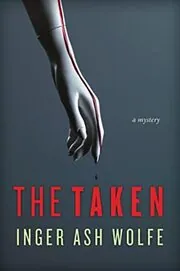
The Taken
by Inger Ash Wolfe
2009
Recovering from back surgery and stuck in her ex-husband's house, Hazel Micallef is drawn into a nightmare that starts with a body in a lake and a story in the local paper. Someone is staging a cruel game, and Hazel is part of it.
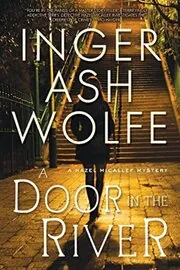
A Door in the River
by Inger Ash Wolfe
2011
What looks like a freak death from a sting does not sit right with Hazel Micallef. As bodies mount and jurisdictions clash, she uncovers a much stranger and uglier crime moving through small-town Ontario.
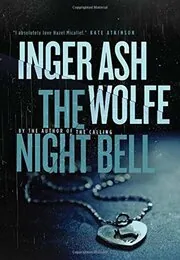
The Night Bell
by Inger Ash Wolfe
2015
When murdered children's bones are uncovered beneath a new subdivision, Hazel Micallef is pulled into a case that links old local secrets to fresh killings. The investigation also reopens a childhood wound and pushes Hazel toward a very personal reckoning.
Hazel Micallef books in chronological order
Series background & context
The Hazel Micallef books are police procedurals, but they do not feel sleek or glamorous. Hazel works in and around Port Dundas, Ontario, a small place where everybody knows who used to own the land, who married whom, and which old trouble never really went away. That matters, because these novels are built on the idea that violent crime does not arrive in a vacuum. It grows out of history, gossip, family damage, and the secrets a town learns to live beside.
Hazel herself is one of the big reasons the series stands out. She is already in her sixties when the books begin. She has a bad back, a short fuse, an uneasy relationship with painkillers, and very little patience for nonsense. She lives with the aftershocks of divorce and spends plenty of time sparring with her formidable mother, Emily. None of this makes her softer. It makes her sharper, funnier, and much harder to fool.
She is not a polished superhero.
Each book gives Hazel a case that looks strange from the start. The Calling opens with a murder that grows into a hunt for a ritual-minded serial killer. The Taken starts with a discovery in a lake and turns into a nasty game of misdirection, surveillance, and storytelling. A Door in the River begins with what seems like a freak death from a sting, then widens into something uglier and more unpredictable. The Night Bell ties present-day murders to buried crimes and old memories, making Hazel face the past as well as the killer in front of her.
The supporting cast matters too. Detectives like James Wingate and the other officers around Hazel are not just there to hand her clues. They bring friction, loyalty, inexperience, worry, and the ordinary mess of police work. The books make room for procedure, but they also keep circling back to age, authority, class, family, and the wear that hard cases leave on the people who investigate them. Hazel is always solving a crime, but she is also fighting her own body, her own history, and the limits of what police work can actually fix.
The setting does a lot of work here. These are Ontario crime novels full of county roads, lakes, subdivisions, reserve land, foster homes, shabby offices, and houses with too much silence in them. The landscape is not scenic wallpaper. It shapes the investigations. Distance slows people down. Old institutions leave scars. Local memory keeps pulling the present backward.
Dark, yes. Empty, no.
If you are trying to place the tone, think of a literary police procedural with real bite. The crimes can be grim, but the books are just as interested in character and atmosphere as they are in shocks. That mix helped make Hazel memorable enough to move to the screen, with The Calling adapted into a film starring Susan Sarandon as Hazel. On the page, though, the series works because Hazel never feels borrowed from anywhere else. She feels stubbornly, specifically herself.







Edited by
Software engineer whose passion for tracking book recommendations from podcasts inspired the creation of MRB.
Lead investor at 3one4 Capital whose startup expertise and love for books helped shape MRB and its growth.
Comments
Did we miss something? Have feedback?
Help us improve this page by sharing your thoughts