
Harriet Beecher Stowe Books in Order
Browse Harriet Beecher Stowe books in order, with short summaries, major themes, and simple advice on where to start with her fiction and nonfiction.
Last updated:
As an Amazon Associate, we earn from qualifying purchases (at no extra cost to you).
Harriet Beecher Stowe books in publication order
72 books
Uncle Tom's Cabin or Life Among the Lowly
by Harriet Beecher Stowe
1852
Stowe's landmark antislavery novel follows Uncle Tom, Eliza, and other characters whose families are broken by sale and violence. It makes slavery personal, emotional, and impossible to treat as a distant abstraction.
Key to Uncle Tom's Cabin
by Harriet Beecher Stowe
1853
Written after critics attacked her novel, this companion book gathers documents, testimony, and firsthand material behind Uncle Tom's Cabin. It is Stowe's factual defense of her portrait of slavery.
Sunny Memories in Foreign Lands
by Harriet Beecher Stowe
1854
The first half of Stowe's European travel memoir follows her post-Uncle Tom's Cabin journey through Britain and the Continent. Public receptions, private meetings, and antislavery conversation sit beside vivid travel writing.
Sunny Memories of Foreign Lands - Vol. 2
by Harriet Beecher Stowe
1854
Volume two continues Stowe's European tour, blending scenery, social observation, and political reflection. It is especially revealing about how she understood transatlantic opinion on slavery and reform.
A New Geography for Children
by Harriet Beecher Stowe
1855
A simple introductory geography for young readers, built to explain places, maps, peoples, and natural features in clear language. It shows Stowe's early interest in education as well as storytelling.
David and His Throne
by Harriet Beecher Stowe
1855
A biblical study that follows the promise attached to David's line and reads it through prophecy, kingship, and Christian hope. Stowe writes as a devotional guide rather than a technical scholar.
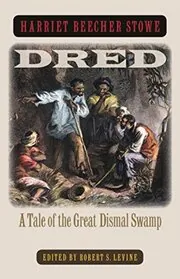
Dred; A Tale of the Great Dismal Swamp
by Harriet Beecher Stowe
1855
Set in the slaveholding South, this novel follows plantation families, enslaved people, and the maroon preacher Dred as violence and moral rot push everyone toward crisis. It is darker and broader than Uncle Tom's Cabin.
Our Charley - And What to Do with Him
by Harriet Beecher Stowe
1858
Stowe turns a lively little boy into a funny, affectionate study of childhood energy. The book mixes story and advice as adults wonder how to guide a child without crushing his spirit.
Golden Fruit in Silver Baskets
by Harriet Beecher Stowe
1859
An English selection from Stowe's writings, this volume gathers short extracts chosen for reflection and moral force. It offers a compact sampler of her domestic, religious, and reform-minded prose.
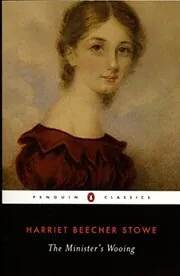
The Minister's Wooing
by Harriet Beecher Stowe
1859
In late eighteenth-century Newport, Mary Scudder is pulled between duty and love when a learned minister courts her while the man she loves is believed lost at sea. Theology and romance are tightly linked here.
Agnes of Sorrento
by Harriet Beecher Stowe
1862
Set in fifteenth-century Italy, this historical romance follows the sheltered Agnes as faith, family pressure, and dangerous politics shape her future. Stowe blends convent life, intrigue, and moral conflict.
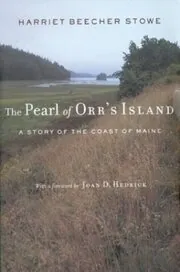
The Pearl of Orr's Island
by Harriet Beecher Stowe
1862
On the Maine coast, a girl grows up among fishermen, stern religion, deep affections, and buried family secrets. The novel is quiet in pace but rich in place, atmosphere, and emotional stakes.
A Reply to the Affectionate and Christian Address of Many Thousands of Women of Great Britain and Ireland, to Their Sisters, the Women of the United States of America
by Harriet Beecher Stowe
1863
In this open letter, Stowe answers British women who appealed to American women on the subject of slavery. She thanks their sympathy while describing the moral and political struggle abolition demanded at home.
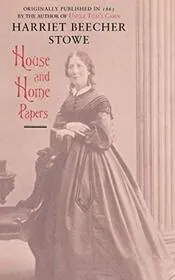
House and Home Papers
by Harriet Beecher Stowe
1864
A lively essay collection on housekeeping, servants, beauty, cookery, economy, and what makes a real home. Stowe mixes practical advice with a broader argument about comfort, taste, and moral life.
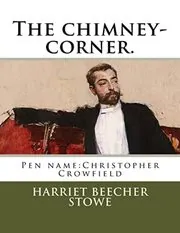
The Chimney Corner
by Harriet Beecher Stowe
1864
These conversational essays move from the woman question and Reconstruction to health, dress, company, and everyday manners. Stowe makes large public issues feel like fireside talk among thoughtful friends.
Religious Poems
by Harriet Beecher Stowe
1865
A collection of devotional verse on grief, consolation, Christ, memory, and the hope of another life. The poems are plainspoken and earnest, closer to prayer and meditation than literary display.
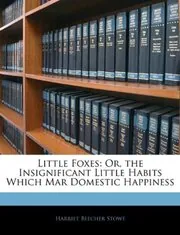
Little Foxes; or, The Insignificant Little Habits Which Mar Domestic Happiness
by Harriet Beecher Stowe
1866
This set of domestic essays looks at the small selfish habits that quietly wear down family life. Stowe is sharp, practical, and often funny about the tiny faults people excuse in themselves.
Men of Our Times
by Harriet Beecher Stowe
1868
A Civil War era gallery of biographical sketches, this book introduces leading politicians, soldiers, reformers, and speakers of the day. Stowe writes history through lives rather than abstract events.
Oldtown Folks
by Harriet Beecher Stowe
1869
Narrated by Horace Holyoke, this sprawling novel looks back on post-Revolutionary New England through schooling, family trouble, friendship, religion, and village talk. It is one of Stowe's richest portraits of regional life.
The American Woman's home, or, Principles of Domestic Science
by Harriet Beecher Stowe
1869
Written with Catharine Beecher, this handbook covers home design, housekeeping, health, cooking, child care, and the practical running of a household. It shows how seriously the sisters took domestic labor.
Lady Byron Vindicated
by Harriet Beecher Stowe
1870
Stowe's controversial defense of Lady Byron retells the long Byron scandal from her point of view. It is part literary dispute, part moral argument, and part document of Victorian public combat.
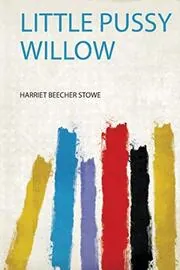
Little Pussy Willow
by Harriet Beecher Stowe
1870
A gentle children's tale centered on a little girl nicknamed Pussy Willow. Stowe follows her small joys, mistakes, and household adventures with warmth rather than heavy moralizing.
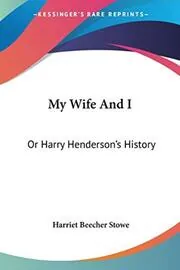
My Wife And I
by Harriet Beecher Stowe
1871
Harry Henderson narrates a broad domestic novel about love, marriage, family claims, and social pressure. Stowe keeps one eye on romance and the other on the everyday realities that test it.
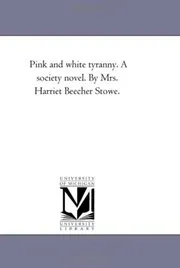
Pink and White Tyranny
by Harriet Beecher Stowe
1871
A clever social satire about beauty, courtship, and the way a charming young woman can rule a whole circle of admirers. Stowe uses comedy to question shallow ideas about femininity and marriage.
The Lives and Deeds of Our Self-Made Men
by Harriet Beecher Stowe
1872
This large biographical collection profiles major American figures such as Lincoln, Grant, Douglass, Garrison, and Sumner. Stowe treats public life as both national history and moral example.
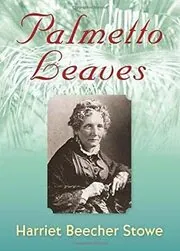
Palmetto Leaves
by Harriet Beecher Stowe
1873
Part memoir and part travel book, this volume records Stowe's winters in Mandarin, Florida. Orange groves, river journeys, local life, and postwar Southern realities all enter the picture.
Woman in Sacred History
by Harriet Beecher Stowe
1873
Stowe retells the lives of biblical and legendary women with an eye on faith, character, and moral choice. The book moves between narrative, reflection, and religious interpretation.
Betty's Bright Idea
by Harriet Beecher Stowe
1875
The title story turns on Betty's practical spark and the trouble and opportunity it creates, while the volume adds two more New England tales. It is a compact mix of ingenuity, family feeling, and moral choice.
We and Our Neighbors or the Records of an Unfashionable Street
by Harriet Beecher Stowe
1875
This sequel to My Wife and I turns an ordinary street into a busy world of family tension, courtship, gossip, and social ambition. Stowe keeps the tone domestic, observant, and gently satirical.
Footsteps of the Master
by Harriet Beecher Stowe
1876
A devotional book of meditations on the life of Jesus, arranged around the Christian year. Stowe writes in a direct, reflective way about Scripture, suffering, friendship, and faith.
Poganuc People
by Harriet Beecher Stowe
1878
Set in the fictional New England town of Poganuc, this novel follows Dolly Cushing as she grows up among family pressures, local customs, and strong religious feeling. It is part childhood story, part town portrait.
A Dog's Mission
by Harriet Beecher Stowe
1881
In the title story, a stray dog changes the life of a lonely old woman in the fading Avery house. The volume also gathers other child-friendly tales marked by kindness, humor, and moral feeling.
Life of Harriet Beecher Stowe, compiled from her letters and journals
by Harriet Beecher Stowe
1889
Compiled from Stowe's own letters and journals, this life story follows her from childhood through fame, controversy, travel, and later years. It gives her public career a strong personal frame.
Cousin William
by Harriet Beecher Stowe
1942
A short New England domestic tale about Mary, her cousin William, and the trouble that gossip can stir up around easy companionship. Stowe keeps the scale small and the social pressure very real.
Uncle Sam's Emancipation; Earthly Care, A Heavenly Discipline, And Other Sketches
by Harriet Beecher Stowe
1953
This collection gathers antislavery, religious, and domestic sketches in one place. Stowe moves from public causes to private worry, always trying to connect moral principle with lived experience.
Oldtown Folks, Volume 1
by Harriet Beecher Stowe
1966
The opening half introduces Horace Holyoke's childhood in Oldtown, a New England village full of gossip, theology, grief, and comic local characters. It lays the ground for the friendships and family histories that shape the whole novel.
Oldtown Folks, Volume 2
by Harriet Beecher Stowe
1966
The second half carries Horace and those around him into deeper questions of love, ambition, religion, and hidden family trouble. Village anecdote widens into a broad portrait of New England life.
Regional Sketches
by Harriet Beecher Stowe
1972
A gathering of Stowe's place-based writing, full of village talk, household scenes, and close observation of local custom. Character and setting matter more here than tight plot.
The Papers of Harriet Beecher Stowe
by Harriet Beecher Stowe
1977
A documentary collection of letters, drafts, and family papers that shows Stowe at work as an author, mother, traveler, and public figure. It is especially useful for readers interested in process and context.
The Writings of Harriet Beecher Stowe
by Harriet Beecher Stowe
1992
A collected edition of Stowe's work, bringing together fiction, sketches, essays, and devotional writing. It suits readers who want breadth and a sense of how many forms she worked in.
The Harriet Beecher Stowe Reader
by Harriet Beecher Stowe
1993
A curated anthology that samples Stowe's novels, sketches, essays, and letters. It gives a compact way to see both the famous antislavery writer and the sharp observer of home, religion, and regional life.
Father Henson's Story of His Own Life
by Harriet Beecher Stowe
1998
This autobiography follows Josiah Henson from enslavement to freedom in Canada. It is a direct, often painful life story that later became closely linked to the origins of Uncle Tom's Cabin.
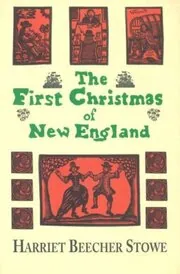
The First Christmas of New England
by Harriet Beecher Stowe
2002
Set in colonial New England, this Christmas tale brings together stern religious custom, family feeling, and the slow return of festivity. Stowe uses a holiday setting to show warmth and grace inside a hard world.
Stories and Sketches for the Young
by Harriet Beecher Stowe
2003
This omnibus gathers Stowe's children's tales, including the animal stories of Queer Little People and later pieces such as Little Pussy Willow, A Dog's Mission, and Our Charley. It is playful, observant, and gently instructive.
The Christian Slave
by Harriet Beecher Stowe
2004
This dramatic adaptation reshapes part of Uncle Tom's Cabin for reading or performance. It keeps Stowe's focus on slavery, Christian witness, and the human cost of treating people as property.
The Mayflower Or Sketches Of Scenes And Characters Among The Descendants Of The Pilgrim
by Harriet Beecher Stowe
2004
One of Stowe's early collections, this book gathers New England sketches, household stories, and character pieces about the descendants of the Pilgrims. It is a strong introduction to her local color and moral comedy.
The Works of Charlotte Elizabeth
by Harriet Beecher Stowe
2010
A collected edition of Charlotte Elizabeth Tonna's writings, introduced by Stowe. The volume brings together religious fiction, essays, and other prose by a Victorian author Stowe admired.
Hen that Hatched Ducks
by Harriet Beecher Stowe
2014
Mrs. Feathertop, a lively hen, ends up hatching duck eggs and must cope with a brood unlike anything she expected. It is funny, affectionate, and quietly interested in difference and adaptation.
Hum, the Son of Buz
by Harriet Beecher Stowe
2014
A buzzing little insect becomes the focus of a playful domestic sketch. Stowe turns close observation into character comedy, showing how much imagination can gather around the smallest visitor.
Miss Katy-Did and Miss Cricket
by Harriet Beecher Stowe
2014
A fashionable katydid and a plain cricket become the center of a sparkling insect society tale. Beauty, usefulness, class feeling, and a memorable party all get gently mocked.
Mother Magpie's Mischief
by Harriet Beecher Stowe
2014
Mother Magpie is always busy, but never with her own business. Stowe makes her a comic portrait of meddling, gossip, and misplaced advice in a woodland world that feels very human.
Our Country Neighbours
by Harriet Beecher Stowe
2014
A friendly set of sketches about birds, animals, and everyday rural life, written for young readers. Stowe turns close looking into quiet adventure, finding character and comedy in ordinary country neighbors.
The Ghost in the Cap'n Brown House
by Harriet Beecher Stowe
2014
A New England ghost story told in Sam Lawson's unmistakable voice, this tale plays with rumor, fear, and village storytelling. The pleasure comes as much from the telling as from the haunting.
The History of Tip-Top
by Harriet Beecher Stowe
2014
A young robin nicknamed Tip-Top grows from a noisy, demanding nestling into a bird tested by the wider world. The story blends humor, animal observation, and a gentle lesson about pride and good company.
The Nutcrackers of Nutcracker Lodge
by Harriet Beecher Stowe
2014
This animal fable follows a young squirrel who looks down on the old ways of Nutcracker Lodge. Stowe turns family pride and childish posing into a funny lesson in humility and usefulness.
The Squirrels That Live in a House
by Harriet Beecher Stowe
2014
A family of squirrels moves into a human house and gradually learns to trust the kind people living there. The story mixes animal charm, household mishap, and quiet affection for shared spaces.
A Young Inventor's Pluck
by Harriet Beecher Stowe
2015
Jack Willington, a young machinist, is thrown into trouble when work disappears, money dries up, and he is falsely accused of arson. His inventive skill and stubborn courage drive a mystery plot forward.
Antislavery Recollections
by Harriet Beecher Stowe
2015
This volume looks back on the British antislavery struggle through letters and recollections addressed to Stowe. It traces campaigns, personalities, and the long political work behind abolition.
Life and Letters of Harriet Beecher Stowe
by Harriet Beecher Stowe
2015
Edited after Stowe's death, this book gathers letters, memories, and commentary to show her family life, travels, work habits, and public battles. It offers a more intimate portrait than a standard biography.
Our Famous Women
by Harriet Beecher Stowe
2015
This collective biography profiles prominent American women in reform, literature, science, and public life. It offers brisk sketches of figures such as Susan B. Anthony, Clara Barton, Louisa May Alcott, and others.
Religious Studies
by Harriet Beecher Stowe
2015
A collection of meditations, sketches, and poems centered on the life of Christ, prayer, sorrow, and the habits of faith in ordinary life. It shows Stowe's later writing at its most openly devotional.
Slavery Past and Present
by Harriet Beecher Stowe
2015
A brief antislavery work that compares older systems of bondage with more recent forms of oppression. Its central argument is simple and fierce: injustice survives when people rename it and look away.
Tales and Sketches of New England Life
by Harriet Beecher Stowe
2015
A collection of New England stories and character pieces, full of village talk, household trouble, ministers, neighbors, and moral choices. It shows Stowe's gift for turning local life into vivid narrative.
The Scene in Jerusalem and the Sabbath
by Harriet Beecher Stowe
2015
These paired religious sketches imagine the stillness of Jerusalem at a sacred hour and reflect on Sabbath observance in daily life. Stowe writes with a devotional eye for ritual, memory, and reverence.
Life of Harriet Beecher Stowe
by Harriet Beecher Stowe
2016
This biography, assembled from letters and journals by Stowe's son, follows her from a Connecticut childhood to literary fame, reform work, travel, family sorrow, and the long aftermath of Uncle Tom's Cabin.
Light After Darkness
by Harriet Beecher Stowe
2016
A slim devotional volume of poems about sorrow, waiting, and renewed faith. The movement is from grief toward consolation, in the plain, earnest voice that marks Stowe's religious writing.
Tell It All
by Harriet Beecher Stowe
2016
Fanny Stenhouse recounts her years in Mormonism, her move to Utah, and her growing alarm over polygamy. The book reads as both personal memoir and a sharp nineteenth-century exposé.
The Lives and Deeds of Our Self-Made Men, Volume 2
by Harriet Beecher Stowe
2016
Volume two continues Stowe's gallery of American public figures, pairing biography with moral example. Statesmen, reformers, generals, and speakers are presented as people shaped by work, conviction, and national crisis.
The Writings of Harriet Beecher Stowe, with Biographical Introductions, Portraits, and Other Illustrations, Volume 2
by Harriet Beecher Stowe
2016
This illustrated collected volume presents part of Stowe's work with biographical framing and period images. It is useful for readers who want the texts alongside editorial context and visual material.
The Education of Freedmen
by Harriet Beecher Stowe
2018
In this essay, Stowe considers the schooling of formerly enslaved people after the Civil War. She treats education as a practical need, a moral duty, and a test of what emancipation really means.
Oldtown Fireside Stories
by Harriet Beecher Stowe
2019
A story collection told largely through the Yankee voice of Sam Lawson, mixing ghost tales, humor, gossip, and village memory. It is one of Stowe's warmest and funniest books about old New England.
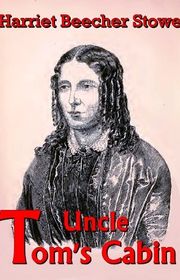
Uncle Tom's Cabin
by Harriet Beecher Stowe
Sold away from his family, enslaved Tom faces successive owners while Eliza flees with her son to prevent their separation. Their intertwined stories expose slavery's violence through struggles over freedom, faith, and the bonds of family.
Recommended by
2 people George Raveling recommended this book
George Raveling
"I actually have a first edition of [this book]." - George Raveling
George Raveling's recommendation of this book  Christopher Hitchens recommended this book
Christopher Hitchens
"Leaves an ineradicable 'scratch on the mind.'" - Christopher Hitchens
Christopher Hitchens's recommendation of this book
Where to start with Harriet Beecher Stowe
If you want the essential anti-slavery work: Uncle Tom's Cabin or Life Among the Lowly → Key to Uncle Tom's Cabin → Dred; A Tale of the Great Dismal Swamp
If you want New England fiction: The Minister's Wooing → The Pearl of Orr's Island → Oldtown Folks
If you want memoir and travel writing: Sunny Memories in Foreign Lands → Sunny Memories of Foreign Lands - Vol. 2 → Palmetto Leaves
If you want home and social essays: House and Home Papers → The Chimney Corner → The American Woman's home, or, Principles of Domestic Science
If you want stories for younger readers: A Dog's Mission → Little Pussy Willow → Stories and Sketches for the Young
Harriet Beecher Stowe collections, short stories, and related book types
Short Stories/Novellas


The Mayflower Or Sketches Of Scenes And Characters Among The Descendants Of The Pilgrim
by Harriet Beecher Stowe
2004


Short Story Collections


Uncle Sam's Emancipation; Earthly Care, A Heavenly Discipline, And Other Sketches
by Harriet Beecher Stowe
1953


Non-Fiction
Standalone Harriet Beecher Stowe books
Little Foxes; or, The Insignificant Little Habits Which Mar Domestic Happiness
by Harriet Beecher Stowe
1866

Author bio
Harriet Beecher Stowe was born in Litchfield, Connecticut, on June 14, 1811, into the large Beecher family, a household full of sermons, debate, and hard work. Her father, Lyman Beecher, was a well-known minister. Her mother, Roxana Foote Beecher, died when Harriet was five, a loss that stayed with her for the rest of her life.
She grew up first in Connecticut and then studied at the Hartford Female Seminary run by her older sister Catharine. That mattered. The school gave girls a more serious education than many of their peers could get at the time, and Stowe took to reading, writing, languages, and argument early.
Books came early.
In 1832 she moved with her family to Cincinnati, Ohio, where Lyman Beecher became president of Lane Theological Seminary. Cincinnati sat on the border of free and slave states, and Stowe saw how close slavery was to ordinary Northern life. She heard first-hand accounts from Black people who had escaped slavery, visited Kentucky, joined the Semi-Colon Club literary circle, and in 1836 married the scholar Calvin Ellis Stowe.
Cincinnati changed her.
Before she became famous, she was already writing constantly, short fiction, sketches, articles, and schoolbooks, often while raising a large family and keeping a house going. The turning point came after two blows in 1850 and 1851: Congress passed the Fugitive Slave Act, and her eighteen-month-old son Samuel Charles died during a cholera epidemic. Grief sharpened her sense of what slavery did to parents and children. In Brunswick, Maine, where Calvin had taken a post at Bowdoin, she began serializing Uncle Tom's Cabin in 1851. When it came out as a book in 1852, it reached a huge readership in the United States and Britain. She followed it with Key to Uncle Tom's Cabin, which gathered evidence behind the novel, and then Dred, another fierce antislavery work.
That success can make the rest of her career easy to miss, but Stowe kept writing in many forms. Readers who come to The Minister's Wooing, The Pearl of Orr's Island, and Oldtown Folks usually find something different from the public fire of Uncle Tom's Cabin. These books are slower, more domestic, and deeply interested in New England speech, belief, courtship, and family life. She also wrote children's stories, religious meditations, travel books, and practical household writing, including Palmetto Leaves and, with her sister Catharine, The American Woman's Home.
She had range.
After the Civil War, Stowe lived mainly in Hartford, Connecticut, though she also spent winters in Mandarin, Florida, for many years. Florida gave her new scenery and a new subject, warm-weather gardens, river travel, orange groves, and the unsettled life of the postwar South. Hartford gave her a long final home, first at Oakholm and then on Forest Street, where she lived from 1873 until her death. In those later years she remained a public figure, even as family losses and age made life harder.
Harriet Beecher Stowe died in Hartford on July 1, 1896. What keeps readers returning to her is not just historical importance. It is the way she joined public questions to everyday rooms, kitchens, churches, nurseries, and small talk. She wrote about power in a language ordinary people could feel. That is still a rare skill.









Edited by
Software engineer whose passion for tracking book recommendations from podcasts inspired the creation of MRB.
Lead investor at 3one4 Capital whose startup expertise and love for books helped shape MRB and its growth.
Comments
Did we miss something? Have feedback?
Help us improve this page by sharing your thoughts