
Harold Schechter Books in Order
Explore Harold Schechter books in order, with quick summaries, series guides, and simple tips on where to start with his true crime and mystery titles.
Last updated:
As an Amazon Associate, we earn from qualifying purchases (at no extra cost to you).
Harold Schechter books in publication order
47 books
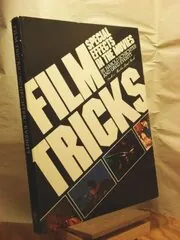
Film Tricks
by Harold Schechter
1980
Written with David Everitt, this book explains how movie special effects create screen magic, from classic camera illusions to more elaborate practical techniques. It is a clear, enthusiastic look at pre-digital filmmaking craft.
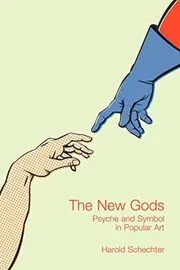
The New Gods
by Harold Schechter
1980
One of Schechter's earliest critical studies, this book looks at superheroes, monsters, science fiction, and other popular myths as modern symbolic storytelling. It argues that mass culture often does the work older religious myths once did.

The Manly Handbook
by Harold Schechter
1982
Written with David Everitt, this playful book riffs on macho know-how and masculine posturing. It sits on the comic side of Schechter's bibliography, mixing parody, pop culture, and deadpan advice.
Discoveries
by Harold Schechter
1983
Edited with Jonna Gormely Semeiks, this anthology gathers fifty stories built around the idea of the quest. It pairs a wide range of authors with classroom tools, thematic structure, and a useful introduction to close reading.
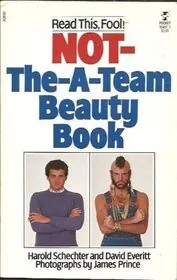
Not-The-A-Team Beauty Book
by Harold Schechter
1984
A small humor title that turns the language of beauty advice into pop-culture parody. It belongs to Schechter's lighter early work, where spoof and media satire do most of the heavy lifting.
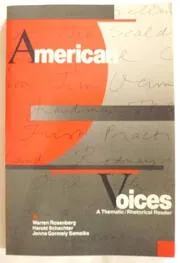
American Voices
by Harold Schechter
1988
Compiled with Warren Rosenberg and Jonna Gormely Semeiks, this reader brings together literature and prose for writing and rhetoric courses. It is designed to help students read closely while thinking about theme, structure, and argument.
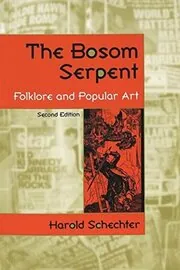
The Bosom Serpent
by Harold Schechter
1988
This study links folklore to modern popular culture, arguing that comics, pulp stories, tabloids, and B-movies recycle old narrative patterns. Schechter treats mass entertainment as a living form of myth rather than disposable noise.
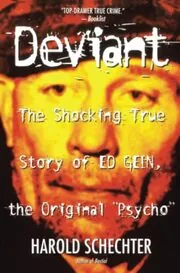
Deviant
by Harold Schechter
1989
Schechter revisits Ed Gein's Wisconsin world, from bleak farm life to the crimes that later fed horror movies for decades. The book is strong on setting, psychology, and the everyday dreariness behind legendary nightmare material.
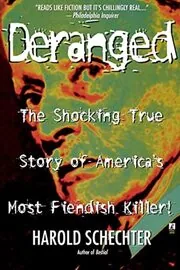
Deranged
by Harold Schechter
1990
Albert Fish looked like a harmless old man and committed some of the most horrifying crimes in twentieth-century New York. Schechter confronts the case head-on, pairing careful research with the sickening gap between appearance and appetite.
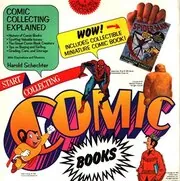
Start Collecting Comic Books
by Harold Schechter
1990
A beginner-friendly guide to comic book collecting that covers the history of the medium, key eras, and what newcomers should know. It captures the excitement of the hobby while keeping one eye on practical advice.
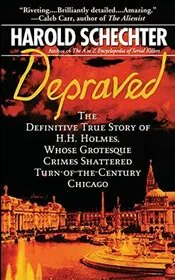
Depraved
by Harold Schechter
1994
Schechter retells the H. H. Holmes case with a close eye on the Chicago of the World's Fair years. Charm, fraud, trapdoors, and missing victims all feed a classic account of America's first famous serial killer.
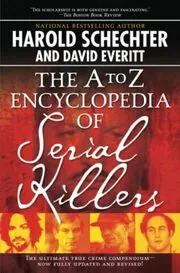
The A to Z Encyclopedia of Serial Killers
by Harold Schechter
1996
A browsable reference book, written with David Everitt, that gathers serial killers, nicknames, themes, and related cultural trivia in one place. It balances quick facts with the unsettling reminder that these stories keep generating their own folklore.
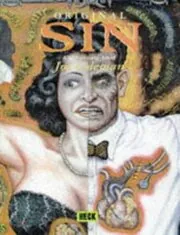
Original Sin
by Harold Schechter
1997
Schechter contributes to this book on Joe Coleman, an artist drawn to religion, crime, Americana, and nightmare imagery. It is part art study and part guided tour through a vision of the grotesque.
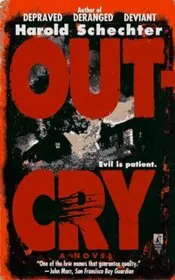
Outcry
by Harold Schechter
1997
Reporter Paul Novak follows a trail of brutal killings into the legend-haunted shadow of Ed Gein. What begins as investigation turns into a dark novel about obsession, inherited menace, and rural horror.

The Manipulator
by Harold Schechter
1997
Written with David Everitt, this is a tongue-in-cheek guide to macho movie culture, full of recommendations, riffs, and mock-serious commentary. It celebrates action, war, western, and other tough-guy genres with both affection and parody.
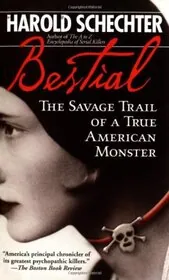
Bestial
by Harold Schechter
1998
Schechter traces the life and crimes of Earle Leonard Nelson, whose roaming spree left terror across the United States and Canada. The book pairs gruesome case history with a portrait of a drifter whose violence kept outrunning the era's police.
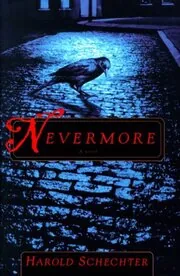
Nevermore
by Harold Schechter
1999
A young Edgar Allan Poe is pulled into a bloody murder investigation in 1830s Baltimore. As the clues grow stranger, Schechter turns literary atmosphere and urban history into a fast-moving historical whodunit.
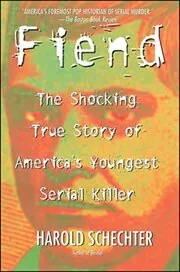
Fiend
by Harold Schechter
2000
Jesse Pomeroy was only a teenager when he terrorized Boston's children with sadistic violence. Schechter uses the case to ask hard questions about juvenile evil, public fear, and how a boy became a historic monster.
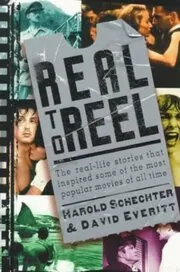
Real to Reel
by Harold Schechter
2000
Schechter profiles the real people and incidents that fed the making of popular films, including stories behind titles like The Fugitive, Raiders of the Lost Ark, and Saving Private Ryan. It is movie trivia with a strong human backstory.
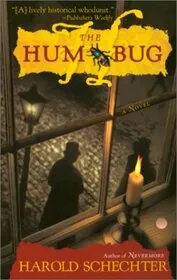
The Hum Bug
by Harold Schechter
2001
Poe takes up a murder case in mid-nineteenth-century New York and finds himself working alongside, and against, P. T. Barnum. The mystery blends theatrical showmanship, literary mood, and a killer hiding in plain sight.
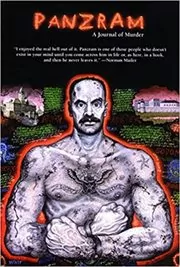
Panzram
by Harold Schechter
2002
Schechter provides the introduction to Carl Panzram's brutal prison memoir, a firsthand account of murder, rage, and abuse. It is a chilling self-portrait of a man who saw cruelty everywhere and answered it with more cruelty.
Recommended by
2 people Jocko Willink recommended this book
Jocko Willink
Jocko Willink covered this book in "Jocko Podcast" Ep. 158
Jocko Willink's recommendation of this book  Jordan Peterson recommended this book
Jordan Peterson
"He made friends with this physician in the prison [...] and the physician encouraged him to write his autobiography." - Jordan Peterson
Jordan Peterson's recommendation of this book

Fatal
by Harold Schechter
2003
Jane Toppan entered respectable homes as a trusted nurse and hid a deadly obsession beneath that mask. Schechter follows her upbringing, her experiments with poison, and her transformation into one of the nineteenth century's most notorious female killers.
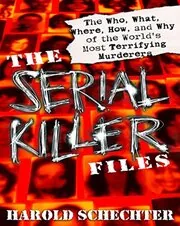
The Serial Killer Files
by Harold Schechter
2003
This big reference guide surveys serial murder from every angle, famous cases, psychology, methods, myths, and pop culture fallout. It is built for browsing, but it also works as a grim map of how the phenomenon has been understood.
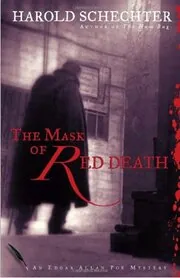
The Mask of Red Death
by Harold Schechter
2004
In sweltering 1845 New York, Poe investigates killings so savage that the city starts hunting the wrong monster. Schechter mixes gothic dread, urban panic, and historical mystery as suspicion circles Chief Wolf Bear.
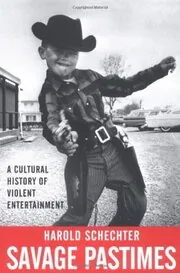
Savage Pastimes
by Harold Schechter
2005
Schechter argues that violent entertainment did not begin with modern movies or games. By tracing everything from public executions to revenge drama, he offers a sharp cultural history of why people watch staged violence.
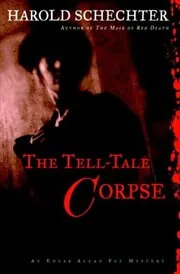
The Tell-Tale Corpse
by Harold Schechter
2006
Edgar Allan Poe heads to Boston on an urgent errand and stumbles into a chain of brutal murders. With P. T. Barnum and a young Louisa May Alcott in the mix, Schechter builds a lively historical mystery around hidden connections and dark disguises.
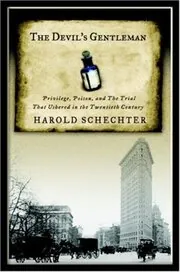
The Devil's Gentleman
by Harold Schechter
2007
Roland Molineux had wealth, charm, and a famous name, then found himself at the center of a sensational poison case. Schechter uses the murders and trials to open up Gilded Age New York and its appetite for scandal.

The Whole Death Catalog
by Harold Schechter
2009
Part reference book, part darkly funny cultural tour, this volume roams through funerals, last words, death anxiety, burial customs, and more. Schechter packs it with odd facts, practical questions, and a skeptical sense of humor.
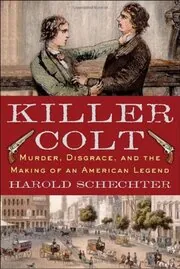
Killer Colt
by Harold Schechter
2010
After printer Samuel Adams is found murdered in 1841 Manhattan, suspicion settles on John Colt, brother of Samuel Colt. Schechter turns the case into a vivid story of family name, scandal, and a city hooked on courtroom drama.
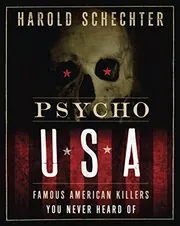
Psycho USA
by Harold Schechter
2012
Instead of retelling the usual household names, Schechter profiles lesser-known American killers from the margins of history. The result is part rogues' gallery, part reminder that notoriety often depends on publicity as much as bloodshed.
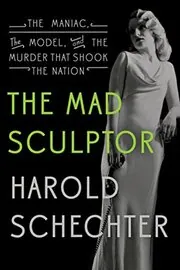
The Mad Sculptor
by Harold Schechter
2014
A promising young artist, a fixation on Veronica Gedeon, and a horrifying 1937 triple murder collide in this period true crime study. Schechter uses the case to capture Depression-era Manhattan, ambition, and unraveling sanity.

Beauty Slain in Bath
by Harold Schechter
2015
Schechter revisits the 1936 murder of writer Nancy Evans Titterton in her Beekman Place home. It is a compact old-school true crime case, built around forensic clues, tabloid attention, and the slow narrowing of suspicion.
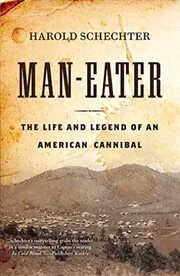
Man-Eater
by Harold Schechter
2015
When only Alfred Packer came back from a doomed winter trek in the Colorado Rockies, legend took over fast. Schechter follows the trial, the mythmaking, and the long fight over what really happened in the snow.
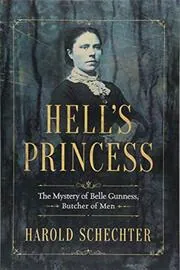
Hell's Princess
by Harold Schechter
2018
Belle Gunness lured men to her Indiana farm and many never came back. Schechter turns her story into a tense account of greed, deception, and one of the most notorious female killing sprees in American history.
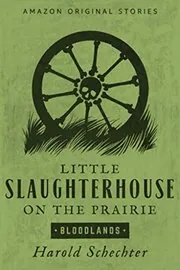
Little Slaughterhouse on the Prairie
by Harold Schechter
2018
This short true crime book revisits the Bloody Benders, the Kansas family whose roadside inn doubled as a killing ground. Schechter leans into the frontier setting, the grisly discoveries, and the mystery that lingered after their disappearance.
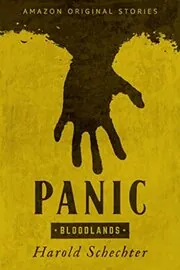
Panic
by Harold Schechter
2018
Set during the Depression, this short book studies a wave of child murder fear that spiraled into national hysteria. Schechter is as interested in the crimes as in the panic, rumors, and reckless certainty that followed.

Rampage
by Harold Schechter
2018
Howard Unruh's 1949 walk of death shocked New Jersey and helped define the modern mass murderer. Schechter tracks the attack and the long, unsettled question of how a quiet neighbor became a human time bomb.

The Brick Slayer
by Harold Schechter
2018
A string of brutal home invasions leads to the arrest of Robert Nixon and to a grim study of racism, rage, and the speed of justice. Schechter uses the case to show how crime and prejudice can feed each other.
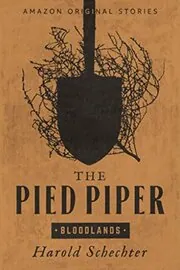
The Pied Piper
by Harold Schechter
2018
Charlie Schmid built himself into a Tucson bad-boy idol, then used charm and vanity to hide his murders. Schechter captures the strange pull he had on local teenagers and the darker mood gathering around him.

The Pirate
by Harold Schechter
2018
When a blood-soaked sloop drifts into New York Harbor, suspicion falls on Albert Hicks, a killer who murdered for loot. Schechter follows the crime, the manhunt, and the execution that turned a murderer into public spectacle.
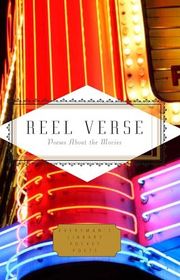
Reel Verse
by Michael Waters, Harold Schechter & Louise Erdrich
2019
Edited by Michael Waters and Harold Schechter, this poetry anthology surveys a century of poems inspired by cinema. More than one hundred poets write about moviegoing, stars, directors, genres, and individual films, with Louise Erdrich contributing a poem about John Wayne.
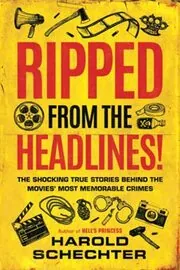
Ripped from the Headlines!
by Harold Schechter
2020
A collection of essays on the real crimes that inspired famous films, from Hitchcock thrillers to cult shockers. Schechter shows how actual murders and scandals were reshaped into movie lore, often with the facts proving stranger than fiction.
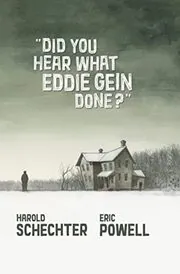
Did You Hear What Eddie Gein Done?
by Harold Schechter
2021
In this graphic true crime book, Schechter and Eric Powell revisit Ed Gein's life, family, and crimes with close research and stark artwork. It looks past the movie myths to the bleak human story underneath.
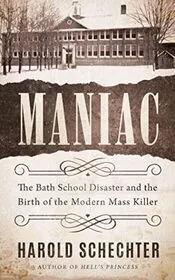
Maniac
by Harold Schechter
2021
Schechter reconstructs the 1927 Bath School disaster, when Andrew Kehoe blew up a Michigan school and killed dozens of children and adults. The book traces the rage, planning, and aftermath behind one of America's worst mass murders.
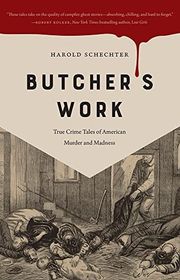
Butcher's Work
by Harold Schechter
2022
A collection of historical true crime tales that follows several American murders from the post Civil War years into the Jazz Age. Schechter uses each case to show how madness, press coverage, and legend feed one another.
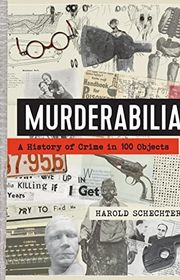
Murderabilia
by Harold Schechter
2023
Using 100 crime-related objects as entry points, Schechter tells a wide spread of murder stories across two centuries. The format is brisk and browseable, but the bigger subject is our long fascination with violence and its leftovers.
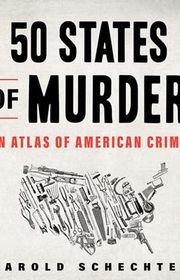
50 States of Murder
by Harold Schechter
2025
This atlas-style book organizes true crime by geography, moving state by state through notorious cases, local legends, and dark historical episodes. It is built for dipping in, but it also adds up to a nationwide portrait of American violence.
Where to start with Harold Schechter
If you want a classic serial-killer case: Deviant → Deranged → Depraved
If you want standout full-length true crime: Hell's Princess → Maniac → The Devil's Gentleman
If you want shorter, quick-hit reads: The Pirate → Little Slaughterhouse on the Prairie → Rampage
If you want historical mystery instead: Nevermore → The Hum Bug → The Mask of Red Death → The Tell-Tale Corpse
If you want a reference-style overview: The Serial Killer Files → The A to Z Encyclopedia of Serial Killers
Harold Schechter sub-series and character series
Bloodlands Collection books in order
Explore this seriesBloodlands Collection books in chronological order
Edgar Allan Poe Mystery books in order
Explore this seriesEdgar Allan Poe Mystery books in chronological order
Harold Schechter collections, short stories, and related book types
Non-Fiction
Standalone Harold Schechter books
Author bio
Harold Schechter was born in New York City in 1948, and for a long time he lived two professional lives at once. He taught American literature and myth criticism at Queens College, City University of New York, for more than four decades, and at the same time built a second career as one of the country's best-known writers on murder, folklore, and popular culture.
That double life, professor and crime historian, ended up giving his books their shape.
Schechter studied at City College of New York and later earned a PhD at SUNY Buffalo. His academic background matters because he never writes about crime as if it exists in a vacuum. In his work, murder cases sit beside myth, tabloid culture, public fear, and the strange stories a society tells itself about evil. He has also written essays for major newspapers and magazines, which helps explain why his books feel both well researched and built for general readers.
A real turning point came in the late 1980s, when he began researching Ed Gein. What caught his attention was not only the case itself, but the way a real killer could turn into a kind of modern monster story, feeding films like Psycho, The Texas Chainsaw Massacre, and The Silence of the Lambs. That interest in the border between fact and legend runs through much of his work, and it helped lead to books like Deviant, Deranged, Fiend, and Depraved.
Readers often come to Schechter for the grisly material and stay for the storytelling. Hell's Princess digs into Belle Gunness and her Indiana murder farm. Maniac reconstructs the Bath School disaster of 1927 with the pace of a thriller and the care of a historian. The Devil's Gentleman opens up a poison case in Gilded Age New York, while Man-Eater follows the long argument over what really happened to Alfred Packer and the men who traveled with him into the Colorado Rockies. He likes cases where rumor, spectacle, and hard fact keep crashing into each other.
He never really stopped being a teacher.
You can feel that clearly in books like The Serial Killer Files and The A to Z Encyclopedia of Serial Killers, which organize a huge amount of material without losing the human story behind the facts. He also edited True Crime: An American Anthology, a reminder that crime writing has been part of American literature from very early on. Outside the page, he has often been called on as a true crime expert for television and documentary work, which fits his larger interest in how crime gets retold and repackaged for different audiences.
Schechter has never stayed in one lane. He wrote the historical Edgar Allan Poe Mystery novels, beginning with Nevermore and continuing through The Hum Bug, The Mask of Red Death, and The Tell-Tale Corpse. He has also written about popular entertainment in books like Savage Pastimes and The Bosom Serpent. Under the name H. C. Chester, he co-wrote the Curiosity House books with his daughter Lauren Oliver.
Now a professor emeritus, Schechter is married to poet Kimiko Hahn. Across all of his work, the same interests keep returning: forgotten American lives, the uneasy line between truth and legend, and the old machinery that turns violence into story. He writes about dark material, but he does it with the steady curiosity of someone who wants to understand not just the crime, but why people keep looking at it.


Edited by
Software engineer whose passion for tracking book recommendations from podcasts inspired the creation of MRB.
Lead investor at 3one4 Capital whose startup expertise and love for books helped shape MRB and its growth.
Comments
Did we miss something? Have feedback?
Help us improve this page by sharing your thoughts