
Harlan Ellison Books in Order
Explore Harlan Ellison books in order, from classic short story collections to screenplays and essays, with summaries, series notes, and where to start.
Last updated:
As an Amazon Associate, we earn from qualifying purchases (at no extra cost to you).
Harlan Ellison books in publication order
87 books
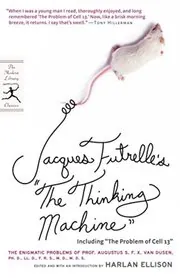
The Thinking Machine
by Harlan Ellison
1905
Ellison edits and introduces classic Professor Van Dusen mysteries by Jacques Futrelle, starring a genius who solves impossible cases by pure logic. It is as much a tribute from one storyteller to another as it is a detective collection.
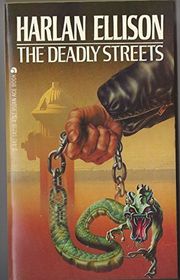
The Deadly Streets
by Harlan Ellison
1958
These early crime stories grow out of gang life, fear, and street violence in American cities. Before Ellison became known for speculative fiction, he was already writing with speed, anger, and vivid detail.
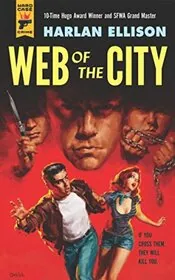
Web of the City
by Harlan Ellison
1958
Rusty Santoro is caught between gang loyalty and the slim possibility of another life in 1950s Brooklyn. Ellison turns street fights and alley politics into a tense coming-of-age noir.
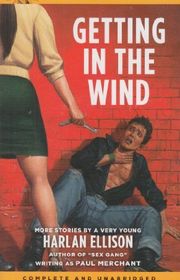
Getting in the Wind
by Harlan Ellison
1959
This collection reprints early pulp stories from Ellison's 1950s magazine years, where crime, lust, and bad choices drive the action. You can watch him learning pace, shock, and voice in real time.

Sex Gang
by Harlan Ellison
1959
An early batch of hardboiled, sexually charged crime stories from Ellison's pulp apprenticeship. The writing is raw, but the speed and nerve are already there.
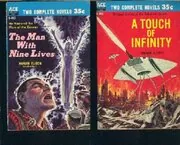
The Man with 9 Lives
by Harlan Ellison
1959
An early science fiction adventure built around danger, identity, and the chance to outlive the life you were given. It has the speed and rough energy of Ellison's pulp years.

Children of the Streets / The Juvies
by Harlan Ellison
1961
This volume returns to Ellison's early fascination with juvenile gangs, city fear, and the rules kids make when adults have failed them. It is tough, fast, and rooted in street-level tension.
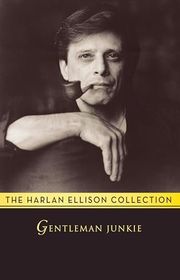
Gentleman Junkie
by Harlan Ellison
1961
This early collection drops the spaceships and goes straight to hustlers, addicts, lonely people, and city bruisers. It is a sharp look at Ellison before science fiction became his main stage.
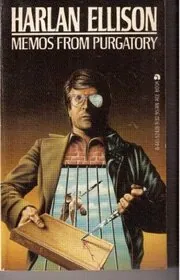
Memos From Purgatory
by Harlan Ellison
1961
Ellison's fierce account of going undercover with a Brooklyn street gang while researching his first novel. It reads like a memoir, a social document, and a dare all at once.
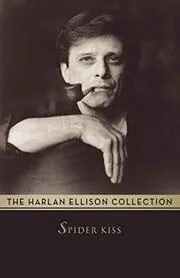
Spider Kiss
by Harlan Ellison
1961
A shy singer is remade as rockabilly star Stag Preston, and the rise is as ugly as it is exciting. Told through the eyes of his handler, the book turns fame into a dark, obsessive nightmare.
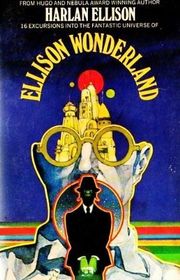
Ellison Wonderland
by Harlan Ellison
1962
One of his first major collections, this book jumps from horror to science fiction to satire without losing momentum. It already shows how restless and hard to pin down Ellison could be.
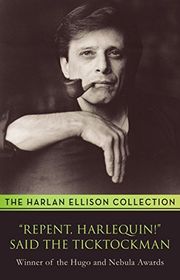
"Repent, Harlequin!" Said the Ticktockman
by Harlan Ellison
1965
In a future ruled by punctuality and obedience, the Harlequin uses pranks and disorder as acts of rebellion. It is witty, bitter, and one of Ellison's signature anti-authority stories.
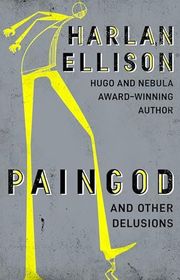
Paingod and Other Delusions
by Harlan Ellison
1965
This early speculative fiction collection is packed with violence, irony, and moral unease. It includes several stories that helped define Ellison's brash, confrontational style.
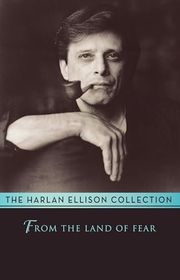
From the Land of Fear
by Harlan Ellison
1967
A collection of tense, often darker stories that move between crime, horror, and science fiction. Fear, isolation, and bad corners of the mind do most of the driving.
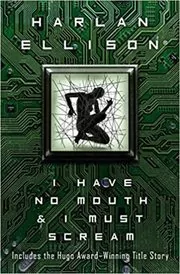
I Have No Mouth and I Must Scream
by Harlan Ellison
1967
This collection gathers some of Ellison's most famous short fiction, led by the nightmare of five survivors trapped by the sadistic supercomputer AM. It is a fierce introduction to his mix of science fiction, horror, and moral outrage.
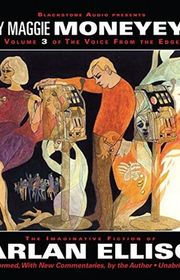
Pretty Maggie Moneyeyes
by Harlan Ellison
1967
A broke drifter hits a strange winning streak in Las Vegas and discovers that luck has a terrible price. The story mixes doomed romance, superstition, and casino neon.

Love Ain't Nothing But Sex Misspelled
by Harlan Ellison
1968
This collection leans into sex, obsession, and the messy bargains people make with one another. It mixes Ellison's streetwise early work with his taste for emotional damage.

The Beast That Shouted Love at the Heart of the World
by Harlan Ellison
1968
A major collection that pairs Ellison's verbal fireworks with stories about cruelty, rebellion, and flashes of tenderness. It includes A Boy and His Dog and shows how wide his range could be.
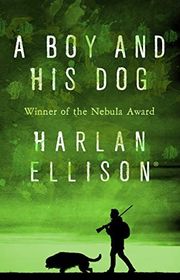
A Boy and His Dog
by Harlan Ellison
1969
Vic and his telepathic dog Blood roam a blasted postwar landscape, scavenging for food and for women. Their partnership is funny, cruel, and deeply unsettling, with survival always hanging by a thread.
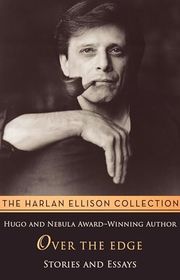
Over the Edge
by Harlan Ellison
1970
Part story collection, part showcase for Ellison's restless curiosity, this book moves through science fiction, fantasy, satire, and memoir. It feels like rummaging through a very live wire.
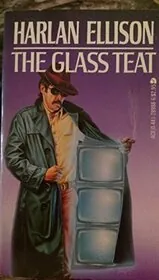
The Glass Teat
by Harlan Ellison
1970
This collection gathers Ellison's late 1960s television columns, mixing reviews, media criticism, and social commentary. He treats TV as entertainment, business, and a force that shapes public life.
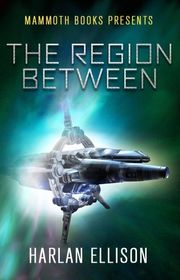
The Region Between
by Harlan Ellison
1970
A human mind is pulled into an alien conflict and forced to see reality from more than one body and one culture. The story is formally adventurous, but its real power comes from dislocation and moral pressure.
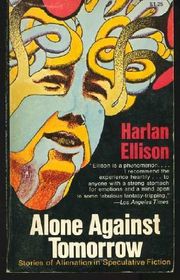
Alone Against Tomorrow
by Harlan Ellison
1972
Built around alienation and loneliness, this volume selects some of Ellison's strongest speculative stories under one theme. Even the wild ideas hit at a very human ache.
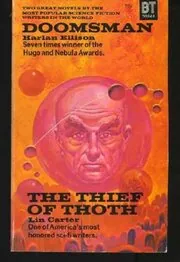
Doomsman
by Harlan Ellison
1972
An early dystopian adventure set in a shattered future, where survival depends on violence, nerve, and refusing the rules of a broken society. You can already see themes Ellison would revisit later.
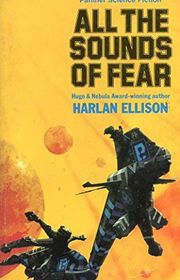
All the Sounds of Fear
by Harlan Ellison
1973
A compact selection of suspense and speculative stories centered on dread, isolation, and nerves stretched too tight. It is a good snapshot of Ellison's darker side.
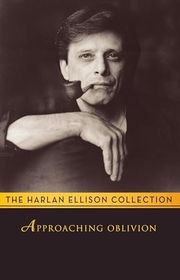
Approaching Oblivion
by Harlan Ellison
1974
This collection pushes toward apocalypse, breakdown, and private ruin without ever feeling abstract. Ellison keeps the stories personal, angry, and unpredictable.
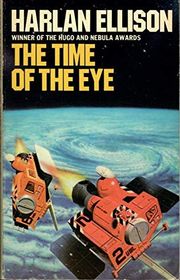
The Time of the Eye
by Harlan Ellison
1974
An early science fiction tale about time, pressure, and what happens when ordinary lives brush against something larger than they understand. It has pulp speed with a melancholy streak.
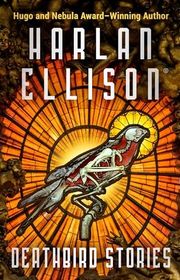
Deathbird Stories
by Harlan Ellison
1975
This major collection gathers dark fantasy, science fiction, and horror stories linked by the idea of worn-out gods and the things people worship instead. It is one of Ellison's richest and most varied books.
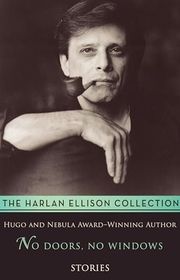
No Doors, No Windows
by Harlan Ellison
1975
Suspense, crime, and psychological unease take center stage in this collection of mostly nonfantastic stories. Ellison is interested less in puzzles than in the moment when a mind tips over.
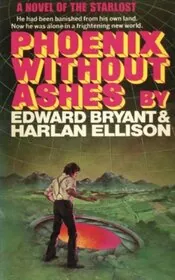
Phoenix Without Ashes
by Harlan Ellison
1975
Ellison's original pilot for The Starlost imagines a generation ship whose isolated communities no longer know they are traveling through space. It is sharp television science fiction about ignorance, control, and discovery.
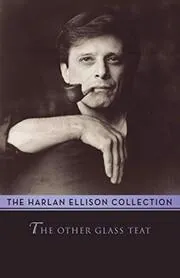
The Other Glass Teat
by Harlan Ellison
1975
The follow-up to The Glass Teat collects more of Ellison's television criticism, aimed at networks, news, sponsors, and the culture around the screen. It is blunt, funny, and still startlingly current.

The City on the Edge of Forever
by Harlan Ellison
1977
Ellison's original Star Trek teleplay appears here with notes and context, letting readers compare the aired episode with the version he meant to tell. It is fascinating both as script and as creative history.
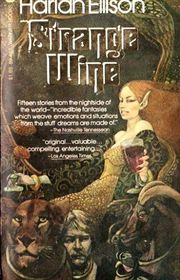
Strange Wine
by Harlan Ellison
1978
A varied collection of fantasies and science fiction pieces that ranges from grotesque comedy to aching melancholy. The title fits, each story feels like a different potent brew.
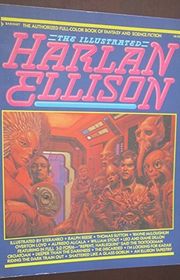
The Illustrated Harlan Ellison
by Harlan Ellison
1978
Several Ellison stories are paired here with bold illustration and comics-influenced visual storytelling. It is a striking way to see how strongly his fiction lends itself to images.

The Fantasies of Harlan Ellison
by Harlan Ellison
1979
This omnibus brings together two of Ellison's key early speculative collections, making it a strong doorway into his short fiction. You get anger, invention, dread, and black humor in one big volume.

All the Lies That Are My Life
by Harlan Ellison
1980
This autobiographical collection blurs memory, performance, and confession as Ellison writes about the stories behind the stories. It is full of tall tales, hard truths, and self-scrutiny.
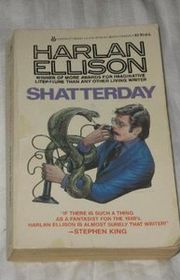
Shatterday
by Harlan Ellison
1980
A strong collection that moves from identity horror to nostalgia, grief, and black comedy. The title story and several others show Ellison at his sharpest and most emotionally direct.
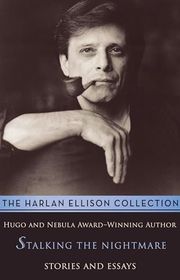
Stalking the Nightmare
by Harlan Ellison
1982
Stories and essays share space in this ambitious collection, so you get Ellison's fiction and the running commentary around it. The result is personal, unruly, and memorable.
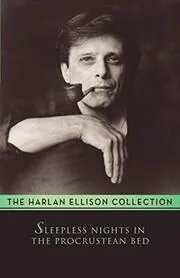
Sleepless Nights in the Procrustean Bed
by Harlan Ellison
1984
A nonfiction collection of essays on books, writers, pop culture, and the state of the world. It is Ellison at his most talkative, reflective, and ready for a fight.
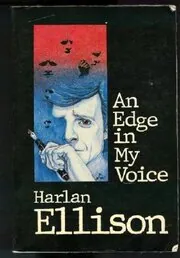
An Edge in My Voice
by Harlan Ellison
1985
These essays and columns show Ellison in full argument mode, taking on politics, culture, censorship, and daily absurdity. The result is personal, funny, and often very sharp.
Paladin of the Lost Hour
by Harlan Ellison
1985
Two strangers meet over a pocket watch tied to the missing hour lost when the calendar changed. What begins as a quiet encounter turns into a moving story about guilt, duty, and mercy.
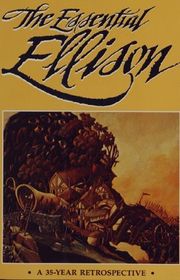
The Essential Ellison
by Harlan Ellison
1985
A broad retrospective that samples Ellison across decades, including fiction, essays, and a few surprises. If you want one big book that shows his range, this is a strong choice.
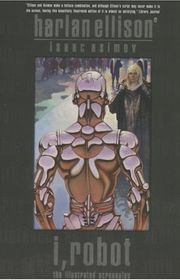
I, Robot: The Illustrated Screenplay
by Harlan Ellison
1987
Ellison adapts Isaac Asimov's robot stories into an ambitious screenplay that was never filmed. It is big, intelligent science fiction, and a fascinating what-might-have-been.

Mefisto in Onyx
by Harlan Ellison
1987
A Black telepath working with police is drawn into the mind of a serial killer and pays for it in ways he does not expect. It is tense, intimate, and more emotionally complicated than its setup suggests.
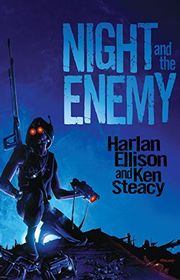
Night and the Enemy
by Harlan Ellison
1987
This graphic volume collects Ellison's future-war tales about Earth and its alien enemies, rendered in comics form. It blends military action with bitterness, exhaustion, and end-of-the-line atmosphere.
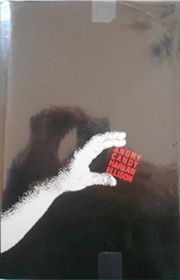
Angry Candy
by Harlan Ellison
1988
Loosely organized around death and loss, this collection holds some of Ellison's most moving later stories. It can be savage, but it also leaves room for grief and grace.
Harlan Ellison's Watching
by Harlan Ellison
1988
A big, unruly collection of film reviews and essays written across more than two decades. Ellison writes as an insider and a fan, praising boldly and attacking just as hard.
The Function of Dream Sleep
by Harlan Ellison
1988
A grief-stricken man is pulled through dream and memory as he tries to understand love after loss. It is one of Ellison's gentler, sadder pieces, without losing his bite.
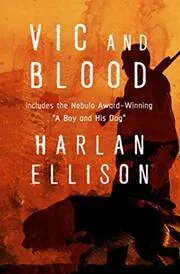
Vic and Blood
by Harlan Ellison
1988
This graphic adaptation brings together the core Vic and Blood stories in visual form, following a teenage scavenger and his telepathic dog through a brutal wasteland. It keeps the series' black humor and mean streak intact.
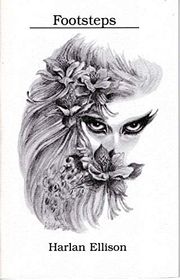
Footsteps
by Harlan Ellison
1989
A suspenseful tale about guilt, memory, and the feeling that something is always just behind you. Ellison keeps the threat close and the psychology closer.

The Coon Rolled Down and Ruptured His Larinks
by Harlan Ellison
1990
A wild, satirical crime novel written at speed and with a grin, this book shows Ellison cutting loose in a louder, rougher register. It is more swagger than polish, and that is part of the fun.
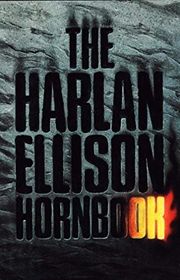
The Harlan Ellison Hornbook
by Harlan Ellison
1990
These newspaper columns mix memoir, rant, cultural criticism, and stories from Ellison's own past. The tone changes fast, but the voice is always unmistakably his.

Dream Corridor Special
by Harlan Ellison
1995
This one-shot launches Ellison's comics adaptation project with a mix of short story adaptations, framing material, and new prose. It shows how naturally his fiction shifts into graphic form.

Dream Corridor 1
by Harlan Ellison
1996
This first collected volume turns Ellison's stories into comics without sanding off their bite. Science fiction, crime, fantasy, and horror all share the same restless hallway.

Dream Corridor Quarterly
by Harlan Ellison
1996
The quarterly format expands the Dream Corridor concept, pairing comics adaptations of Ellison stories with fresh material and strong visual talent. It reads like an anthology with a consistent pulse.
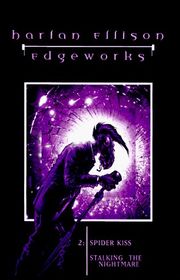
Spider Kiss / Stalking the Nightmare
by Harlan Ellison
1996
This volume pairs one of Ellison's best novels with one of his standout collections, giving you both his rock-and-roll noir and his later short fiction. It is a good two-sided sampler of his work.
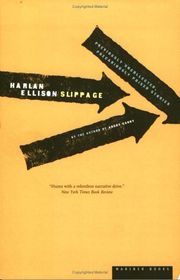
Slippage
by Harlan Ellison
1997
This collection is interested in blurred identities, altered reality, and the instant when normal life slips sideways. Several pieces came from television, but all of them read like Ellison.

From A to Z, in the Sarsaparilla Alphabet
by Harlan Ellison
2001
This alphabet sequence turns twenty-six tiny stories into a showcase for Ellison's wit, cruelty, mythmaking, and humor. He can go from joke to ache in a page or less.
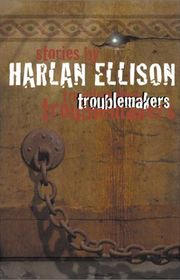
Troublemakers
by Harlan Ellison
2001
A handpicked selection of Ellison stories built around rebels, misfits, and people who refuse the line they have been given. It works well as an introduction because the theme is so clear.
Run for the Stars
by Harlan Ellison
2006
Set in one of Ellison's recurring future wars, this lean novella follows soldiers and survival under impossible pressure. It moves fast and hits with pulp energy and bitterness.
Dreams with Sharp Teeth
by Harlan Ellison
2009
This documentary portrait looks at Ellison's life, work, and public persona through interviews, performance, and archival material. It is less a quiet biography than a front-row seat to the man himself.
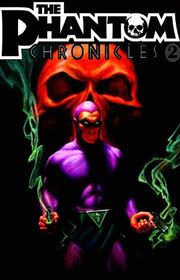
The Phantom Chronicles, Volume 2
by Harlan Ellison
2009
Ellison joins other writers in this anthology built around The Phantom, bringing his own energy to a pulp icon. It is a curiosity piece for fans who like seeing him play in somebody else's sandbox.
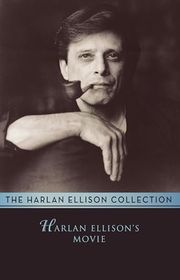
Harlan Ellison's Movie
by Harlan Ellison
2010
This is Ellison's full unproduced feature screenplay, big in scale and openly cinematic on the page. It lets you see how his prose instincts translated into scenes, rhythm, and spectacle.
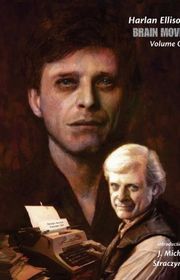
Brain Movies, Volume 1
by Harlan Ellison
2011
The series opener gathers major teleplays such as Soldier, Demon with a Glass Hand, and Paladin of the Lost Hour. It is the best place to see Ellison as a television writer on the page.
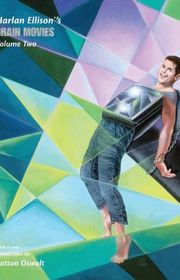
Brain Movies, Volume 2
by Harlan Ellison
2011
This volume collects more produced and unproduced teleplays, including Phoenix Without Ashes and scripts for classic adventure television. You see both the range of the assignments and the consistency of Ellison's voice.
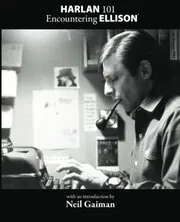
Harlan 101
by Harlan Ellison
2011
Designed as an entry point, this volume mixes stories with essays on writing and reading Ellison. It gives new readers a quick sense of both his fiction and his unmistakable speaking voice.
None of the Above
by Harlan Ellison
2012
This unproduced screenplay adapts Norman Spinrad's Bug Jack Barron into furious political science fiction. Ellison writes it with the speed and bite of live-wire satire.
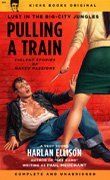
Pulling a Train
by Harlan Ellison
2012
This collection digs up early pulp-era stories full of hustlers, violence, and people making bad bets. The roughness is part of the interest, you can feel Ellison learning how to hit hard.
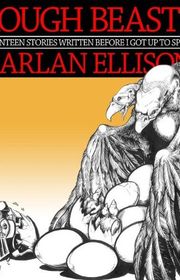
Rough Beasts
by Harlan Ellison
2012
Seventeen early stories from the 1950s, revised for this collection, show Ellison before the polish but not before the punch. Crime, science fiction, and menace all jostle together here.
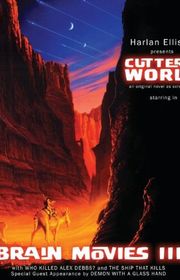
Brain Movies, Volume 3
by Harlan Ellison
2013
Centered on larger television ideas, this volume includes the science fiction western pilot Cutter's World along with crime and adventure material. It is Ellison thinking in series terms, not just episode terms.
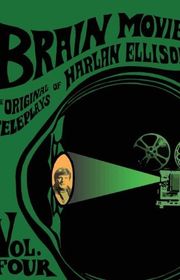
Brain Movies, Volume 4
by Harlan Ellison
2013
This installment features Brillo and other television projects, mixing produced work with pilots that never made it to air. It is a good look at Ellison's fascination with high concepts and sharp hooks.
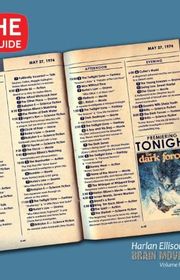
Brain Movies, Volume 5
by Harlan Ellison
2013
Volume five leans into missed opportunities, with unmade pilots, Burke's Law scripts, and other television plans that never fully happened. The pleasure is seeing how alive they still feel on the page.
Brain Movies, Volume 6
by Harlan Ellison
2013
Another batch of teleplays and television concepts, from oddball assignments to projects Ellison never got to finish on screen. The collection is full of sharp premises, clean dialogue, and controlled anger.
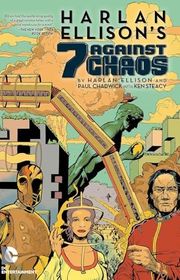
Harlan Ellison's 7 Against Chaos
by Harlan Ellison
2013
A graphic novel about a mismatched crew facing impossible odds on a cosmic mission, drawn from one of Ellison's long-simmering concepts. It has the sweep of space opera and the snap of comics storytelling.

Honorable Whoredom at a Penny a Word
by Harlan Ellison
2013
This volume gathers the fast, sometimes lurid stories Ellison wrote for confession magazines and other pulp markets. It is apprentice work, but lively apprentice work.

Li'l Harlan and His Sidekick Carl the Comet in Danger Land
by Harlan Ellison
2013
A playful oddity that riffs on old-time adventure and kid-hero storytelling, complete with a young Harlan stand-in and a cosmic sidekick. It is lighter than most Ellison, but still quick and strange.

Again, Honorable Whoredom at a Penny a Word
by Harlan Ellison
2014
A second helping of Ellison's early market-driven fiction, written when speed and survival mattered as much as art. The range is wide, and the young writer's hunger shows on every page.
The Top of the Volcano
by Harlan Ellison
2014
This collection focuses on Ellison's award-winning short fiction, making it one of the cleanest ways to sample his biggest hits. The moods vary, but the intensity stays high.

Can & Can'tankerous
by Harlan Ellison
2015
A late collection of previously uncollected stories that proves Ellison never lost his appetite for odd premises and sharp turns. Some pieces are playful, others bruising, all of them sound like him.
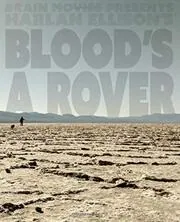
Blood's a Rover
by Harlan Ellison
2019
This book expands the Vic and Blood cycle, returning to the savage, darkly funny world of a hungry teenage survivor and his telepathic dog. It pushes their bond into bigger questions about loyalty and civilization.
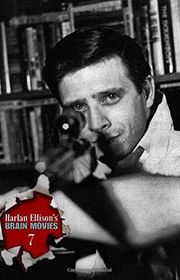
Brain Movies, Volume 7
by Harlan Ellison
2019
This volume digs into lost television work, including abandoned Twilight Zone material and other projects that slipped away before production. It is a reminder of how much Ellison kept inventing even when networks said no.
Brain Movies, Volume 8
by Harlan Ellison
2019
The final Brain Movies volume gathers unmade television projects like Man without Time, Flintlock, and Dark Destroyer. It is a strong closer, full of alternate timelines for Ellison's screen career.
Dimensions of Harlan Ellison
by Harlan Ellison
2019
This book offers another angle on Ellison's career, gathering work that shows how many forms he could write in and how quickly he could switch gears. It is less a single mood piece than a many-sided sampler.
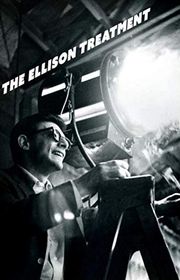
The Ellison Treatment
by Harlan Ellison
2019
A behind-the-scenes look at Ellison's idea stage, this book collects treatments and development material rather than polished finished fiction. It is especially interesting if you like seeing stories before they harden into scripts.
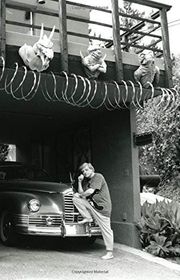
The Ephemeral Ellison
by Harlan Ellison
2019
This volume gathers rarer Ellison material that had been scattered, overlooked, or hard to find. For longtime readers, it feels like opening a drawer of hidden odds and ends.
Working Without a Net
by Harlan Ellison
2020
Part memoir, part performance, this book strings together autobiographical pieces about Ellison's life, work, and battles with the world. The voice is funny, combative, and surprisingly candid.
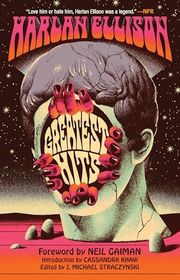
Greatest Hits
by Harlan Ellison
2024
A curated best-of collection that pulls together many of Ellison's best-known and most enduring stories. If you want the famous pieces in one place, this is an easy starting point.
Where to start with Harlan Ellison
For the classic dark short fiction: I Have No Mouth and I Must Scream → Deathbird Stories → Shatterday
For a broad first sampler: Greatest Hits → Troublemakers → The Essential Ellison
For the early streetwise novels and memoir: Web of the City → Memos From Purgatory → Spider Kiss
For the Vic and Blood cycle: A Boy and His Dog → Vic and Blood → Blood's a Rover
For essays and criticism: An Edge in My Voice → The Glass Teat → Harlan Ellison's Watching
Harlan Ellison sub-series and character series
Harlan Ellison collections, short stories, and related book types
Short Stories/Novellas
Short Story Collections
Plays
Graphic Novels
Non-Fiction
Standalone Harlan Ellison books
Author bio
Harlan Ellison was born in Cleveland, Ohio, on May 27, 1934, and spent parts of his childhood in both Cleveland and nearby Painesville. His father died when Ellison was still young, and the family moved back to Cleveland in 1949. He was restless early, ran away from home more than once, and worked a long list of odd jobs while still a teenager, from fishing on the Gulf Coast to driving trucks and selling books.
That restless energy never really left him. It just found a better outlet on the page.
Ellison attended Ohio State University from 1951 to 1953, but he did not stay. He was expelled after striking a professor who had belittled his writing, a story that became part of his legend because it sounded exactly like the kind of thing Harlan Ellison would do. By 1955 he had moved to New York to write full time, and after a period in the U.S. Army from 1957 to 1959, he came back to civilian life already building an extraordinary career.
His early books show where he started. Web of the City drew on his time researching Brooklyn street gangs, and Memos From Purgatory turned that experience into something halfway between memoir and immersion report. Spider Kiss moved into rock and fame, but it kept the same feeling of pressure, danger, and people remaking themselves too fast.
He never stayed in one lane for long.
After moving to California in 1962, Ellison became a force in television. He wrote for shows like The Outer Limits, The Alfred Hitchcock Hour, and Star Trek. His original script for The City on the Edge of Forever became one of the most famous episodes tied to his name, and Demon with a Glass Hand and Paladin of the Lost Hour showed how well he could work in visual, time-limited storytelling without losing his voice. Even on the page, his teleplays have real snap. You can hear the scenes move.
A lot of readers meet him first through the short fiction, and that makes sense. Stories like I Have No Mouth and I Must Scream, A Boy and His Dog, and the collections Deathbird Stories and Shatterday are where his gifts are easiest to feel all at once. The ideas are bold, but the stories are not just clever puzzles. They are usually about fear, cruelty, memory, loneliness, revenge, or the moment a person realizes the world is not run by decent people. Then, just when he has pushed things to the brink, he may turn unexpectedly tender.
Even when the stories shout, they are usually about loneliness.
Ellison was also a major editor and critic. With Dangerous Visions and Again, Dangerous Visions, he helped open science fiction to riskier voices and stranger forms. In books like The Glass Teat, The Other Glass Teat, An Edge in My Voice, and Harlan Ellison's Watching, he wrote about television, film, politics, censorship, and public life with the same intensity he brought to fiction. Over the years he won multiple Hugo, Nebula, and Edgar Awards, along with many other honors, but the awards only tell part of the story. Readers came to him because few writers sounded so unmistakably like themselves.
In his later years he lived in Los Angeles with his wife, Susan Toth, whom he married in 1986. A stroke in 2014 limited him physically, though he remained a towering presence in the field. He died at home in Los Angeles on June 28, 2018. The work he left behind is huge, argumentative, funny, furious, and still very alive.





Edited by
Software engineer whose passion for tracking book recommendations from podcasts inspired the creation of MRB.
Lead investor at 3one4 Capital whose startup expertise and love for books helped shape MRB and its growth.
Comments
Did we miss something? Have feedback?
Help us improve this page by sharing your thoughts