
Hammond Innes Books in Order
Browse Hammond Innes books in order, with quick summaries, standout sea and survival thrillers, travel titles, and simple guidance on where to start.
Last updated:
As an Amazon Associate, we earn from qualifying purchases (at no extra cost to you).
Hammond Innes books in publication order
43 books

All Roads Lead to Friday
by Hammond Innes
1939
An early thriller built around a revolutionary way to make cheap oil from coal. As rival interests close in, Innes turns industrial secrecy and Cornish settings into a tense prewar chase.

The Trojan Horse
by Hammond Innes
1940
A London lawyer decides to help a German inventor who is suspected of murder. What follows is an early Innes thriller of suspicion, hidden motives, and a dangerous invention at the heart of the case.
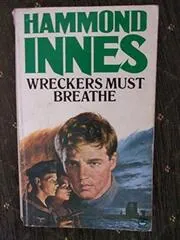
Wreckers Must Breathe / Trapped
by Hammond Innes
1940
On the Cornish coast at the start of the war, an ordinary man uncovers a secret U-boat base hidden in old mine workings. It is a fast, atmospheric blend of spy story and sea adventure.

Attack Alarm
by Hammond Innes
1941
In the summer of 1940, a former Fleet Street journalist serving in an anti-aircraft battery begins to suspect a plot on the ground more dangerous than the Luftwaffe overhead. It is one of Innes's closest-to-home war thrillers.

Dead and Alive
by Hammond Innes
1946
Innes's first postwar novel draws on the rackets and black-market world he saw in Italy. It follows an ordinary man into a dangerous mix of crime, corruption, and unsettled wartime aftermath.
The Killer Mine
by Hammond Innes
1947
Army deserter Jim Pryce returns secretly from Italy to Cornwall and is left robbed, beaten, and wanted for murder. His only way out lies through the dangers of the mine country and the truth someone wants buried.

The Lonely Skier / Fire in the Snow
by Hammond Innes
1947
Recently demobbed Neil Blair takes a strange job at an isolated Dolomite ski resort and stumbles into a hunt for buried Nazi treasure. Snow, deception, and narrow mountain chances drive the suspense.
Maddon's Rock / Gale Warning
by Hammond Innes
1948
A year after a convoy ship was sunk and its crew disgraced, the supposedly lost vessel sends an SOS from the winter sea. Innes builds a superb ghost-ship mystery out of wartime guilt, bad weather, and unfinished business.

The Blue Ice
by Hammond Innes
1948
A mystery around George Farrell draws the narrator into a hunt for a rich ore deposit in the Norwegian mountains. Innes takes the chase into snow and ice, where the search itself becomes a struggle to stay alive.

The White South / The Survivors
by Hammond Innes
1949
When the great whaling ship Southern Cross is crushed in Antarctic ice, hundreds of men face a fight for survival. Innes turns the frozen sea into the true antagonist, with shipwreck, hunger, and bitter divisions on the ice.
Cocos Gold
by Hammond Innes
1950
Johnny Keverne heads for Cocos Island in search of buried treasure and a chance to clear a dead man's name. It is a brisk children's adventure of maps, sea passages, and danger on a remote island.
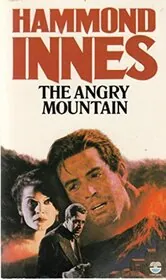
The Angry Mountain
by Hammond Innes
1950
An Englishman still marked by the war becomes caught up in intrigue that runs from Czechoslovakia to Italy. The crisis builds beneath an erupting Vesuvius, giving the book one of Innes's fiercest natural backdrops.

Air Bridge
by Hammond Innes
1951
Set during the Berlin Airlift, this thriller follows a former RAF pilot now in trouble with the law. His route back into the air becomes tangled with postwar suspicion, danger, and the vast effort to keep Berlin supplied.

Campbell's Kingdom
by Hammond Innes
1952
Facing a terminal diagnosis, Bruce Wetheral travels to the Canadian Rockies to prove his grandfather was right about oil beneath Campbell's Kingdom. Dam builders, harsh country, and a race against time drive the story.

Black Gold on the Double Diamond
by Hammond Innes
1953
A children's adventure about boys caught up in the search for oil on the Double Diamond ranch. Rival interests and rough country turn the prospect of sudden wealth into real danger.

The Strange Land / The Naked Land
by Hammond Innes
1954
A remote mission station in the far south of French Morocco waits for a new doctor, and little is as simple as it seems. The desert setting turns this into a tense story of suspicion, isolation, and divided loyalties.
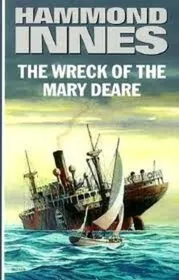
The Wreck of the Mary Deare
by Hammond Innes
1956
Salvager John Sands boards the drifting Mary Deare and finds only one man still aboard, Captain Gideon Patch. The mystery of why the ship was abandoned grows into a taut story of wrecking, fraud, and obsession at sea.

The Land God Gave to Cain
by Hammond Innes
1958
After a plane crash in remote Labrador, a British engineer goes looking for the truth behind the radio messages his father overheard. The frozen wilderness and a half-built railway make every step harder.

Harvest of Journeys
by Hammond Innes
1960
A collection of travel pieces that shows how Innes researched the worlds behind his novels. Ships, remote landscapes, and working lives are all here, observed with a reporter's eye and a novelist's curiosity.
The Doomed Oasis
by Hammond Innes
1960
A solicitor helps a young man cross Arabia in search of his father, an oil prospector who has gone native in the desert. The journey becomes a race through tribal conflict, family tension, and the scramble for oil.
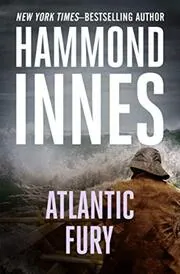
Atlantic Fury
by Hammond Innes
1962
Donald Ross investigates the death of his brother after a military disaster near a remote Hebridean island. The result is a storm-lashed mystery about guilt, memory, and men trying to survive the Atlantic.
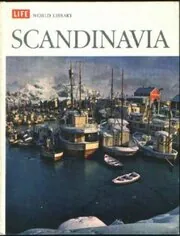
Scandinavia
by Hammond Innes
1963
An illustrated survey of Norway, Sweden, and Denmark that looks at landscape, history, and modern life. It is less a thriller than a guided tour through a region Innes knew well.
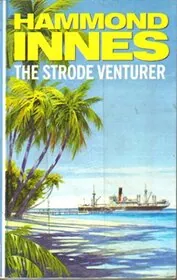
The Strode Venturer
by Hammond Innes
1965
Geoffrey Bailey is asked to find the black sheep of a shipping dynasty and ends up far from London in the Indian Ocean. Family rivalry, corporate intrigue, and a remote island dream make the search increasingly perilous.
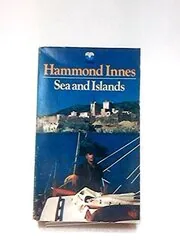
Sea and Islands
by Hammond Innes
1967
Part sea book and part travel journal, this nonfiction volume follows islands and coasts from around Europe and beyond. Innes writes about harbours, local history, and the stubborn appeal of places reached best by boat.

The Conquistadors
by Hammond Innes
1969
Innes turns the Spanish conquest of Mexico and Peru into a fast-moving work of narrative history. It follows the men, ambitions, violence, and sheer risk behind Cortes, Pizarro, and the fall of native empires.

Hammond Innes Introduces Australia
by Hammond Innes
1971
A travel book that moves beyond postcard views to the scale, distance, and rough energy of Australia. Innes writes with an eye for landscape, roads, coastlines, and the people shaped by them.

Levkas Man
by Hammond Innes
1971
A trip to the Greek island of Levkas begins as an attempt to prove a theory about prehistoric man. Before long, scientific obsession, family strain, and Cold War tensions make the search far more dangerous.

Golden Soak
by Hammond Innes
1973
With his Cornish mining business failing, a man fakes his own death and heads for Western Australia. The outback promise of copper riches soon turns into a hard-edged tale of greed, deception, and survival.
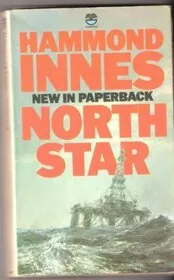
North Star
by Hammond Innes
1974
A man trying to rebuild his life finds himself caught in a plot to blow up a North Sea oil rig. The book blends offshore danger with political suspicion and family shadows from the past.
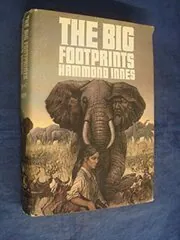
The Big Footprints
by Hammond Innes
1977
Television director Colin Tait goes to Kenya looking for ancient rock dwellings and walks into a fierce fight over elephants, land, and power. Drought, culling, and rival visions of the country turn the trip deadly.

Selected Works
by Hammond Innes
1978
A broad sampler of Innes's fiction, bringing together representative adventures from different points in his career. It is a handy way to get a feel for his sea-going tension, remote settings, and practical, everyman heroes.
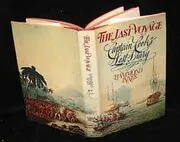
The Last Voyage
by Hammond Innes
1978
Innes imagines a private diary from Captain Cook's final expedition. The book follows the long Pacific voyage, the northern seas, and the pressures that built toward Cook's death in Hawaii.
Solomons Seal
by Hammond Innes
1980
Set against political unrest on Bougainville, this thriller follows an outsider into local loyalties, family mysteries, and sudden violence. Innes mixes island atmosphere with a slow-building struggle over power and identity.
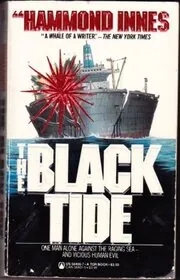
The Black Tide
by Hammond Innes
1982
After his wife dies in a desperate protest against an oil spill, Trevor Rodin is pulled into a wider conspiracy. Innes turns grief, environmental anger, and sabotage into a tense coastal thriller.
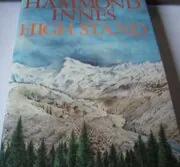
High Stand
by Hammond Innes
1985
Solicitor Philip Redfern follows the trail of a vanished millionaire into the Yukon and British Columbia. What begins as a search soon takes in timber theft, gold, smuggling, and the hard pull between profit and wilderness.

Hammond Innes' East Anglia
by Hammond Innes
1986
A richly illustrated look at East Anglia's coast, countryside, churches, historic houses, and hidden corners. Innes writes it like a traveller who knows the tides, the weather, and the pull of the sea.
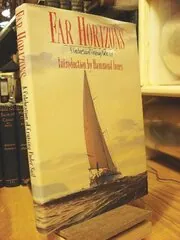
Far Horizons
by Hammond Innes
1988
An illustrated sailing anthology drawn from the Royal Cruising Club Journal. It gathers adventurous cruising pieces, maps, and photographs, with Hammond Innes providing the introduction.
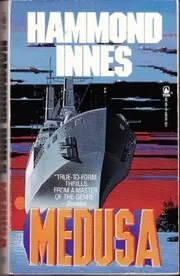
Medusa
by Hammond Innes
1988
Mike Steele's quiet life on Menorca unravels when political violence, marital strain, and a Royal Navy officer's search for his half-brother collide. Soon he is caught between island separatists, smugglers, and the aging frigate Medusa.

Vincent Van Gogh
by Hammond Innes
1990
This unusual biographical work follows Van Gogh's life through narrative, poetry, and the author's own travels in Europe. It pairs the painter's childhood, preaching, art, and breakdown with a personal journey across the places he knew.

Isvik
by Hammond Innes
1991
Peter Kettil joins an expedition to inspect and recover an icebound nineteenth-century ship tied to a mysterious South American family. The voyage from London to Peru and the far southern seas becomes a hunt through obsession, kidnapping, and buried secrets.

Target Antarctica
by Hammond Innes
1993
Ex-RAF pilot Ed Cruse is offered a bizarre job, fly an abandoned Hercules off an Antarctic iceberg. What looks like salvage turns into a cold, high-risk mission with hidden motives and old grievances riding along.

The Delta Connection
by Hammond Innes
1996
A killing in Constanta starts a trail that stretches far beyond Romania. As the search for missing Vikki unfolds, Innes ties political upheaval, old loyalties, and dangerous travel into a late-career thriller.
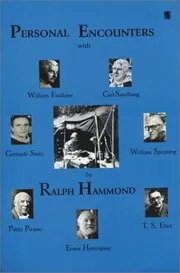
Personal Encounters
by Hammond Innes
2002
A reflective nonfiction volume built around the author's meetings with writers and other public figures. Part memoir and part portrait gallery, it turns remembered interviews into brief character sketches and personal essays.
Where to start with Hammond Innes
If you want classic sea suspense: The Wreck of the Mary Deare → Atlantic Fury → The White South / The Survivors
If you want rugged survival stories: Campbell's Kingdom → The Land God Gave to Cain → Target Antarctica
If you want later political thrillers: Golden Soak → Medusa → The Delta Connection
If you want travel and history instead of fiction: Harvest of Journeys → Scandinavia → The Conquistadors
Hammond Innes collections, short stories, and related book types
Short Story Collections
LIFE World Library Books
Non-Fiction
Standalone Hammond Innes books
Author bio
Hammond Innes was born Ralph Hammond Innes in Horsham, West Sussex, on July 15, 1913. He went to school in Surrey and Kent, and left Cranbrook School in 1931 to work as a journalist on the Financial News. That newsroom start mattered. It gave him a reporter's habit of checking facts, listening closely, and noticing how real places shape the people moving through them.
Writing fiction came early, but he did not arrive as a full-time novelist overnight. His first books appeared in the late 1930s, and then the war interrupted everything. During the Second World War he served in the Royal Artillery and rose to the rank of major. Attack Alarm grew directly from his experience as an anti-aircraft gunner at RAF Kenley during the Battle of Britain, and that closeness to lived detail stayed with him for the rest of his career.
He liked to know the ground under his feet.
After the war, Innes turned fully to books, and readers quickly worked out what he did so well. He was less interested in supermen than in ordinary people under pressure, a salvager on a battered ship, a pilot in trouble, a clerk in the Antarctic, a man who has wandered into something far larger than he understands. In The Lonely Skier, The Blue Ice, and The White South, snow, mountains, and polar seas are not just scenery. They are part of the danger.
The sea kept calling him back. The Wreck of the Mary Deare remains one of his best-known novels, a hard, salty story about a drifting ship and the questions hanging over it. Atlantic Fury and The Strode Venturer show the same gift for maritime tension, while Campbell's Kingdom carries his sense of risk inland to the Canadian Rockies. Even when the setting changed, the basic appeal was steady: strong atmosphere, practical problems, and men forced to think their way out.
He researched like a traveller first and a novelist second.
Innes often worked to a simple rhythm, months of travel and research, then months of writing. That habit took him all over the world and fed both his fiction and his travel books, including Harvest of Journeys, Sea and Islands, and Scandinavia. Later on, his stories also began to show a sharper concern with conservation and the damage people do when money comes before land or sea, something readers can feel in books like The Black Tide and High Stand.
His later novels still pushed into hard places. Medusa turns Menorca into a knot of personal and political tension. Isvik and Target Antarctica return to the southern oceans and ice, settings he never lost his taste for. His last novel, The Delta Connection, was published in 1996, almost sixty years after his first.
Away from the desk, he and his wife Dorothy Mary Lang, whom he married in 1937, shared a deep love of sailing. They raced and cruised yachts, and for many years lived in Kersey, Suffolk. Friends and obituaries remembered him as a serious worker, but also as someone who planted trees wherever he could, in England and beyond, and who cared deeply about the natural world he wrote about so vividly.
He died on June 10, 1998, but the pull of his books is easy to understand. If you like thrillers built from weather, distance, machinery, and nerve, rather than gadgets or swagger, he still feels fresh. He wrote about ordinary competence in extraordinary places, and he made readers believe every cold wave, every engine note, every bad decision in bad country.

















Edited by
Software engineer whose passion for tracking book recommendations from podcasts inspired the creation of MRB.
Lead investor at 3one4 Capital whose startup expertise and love for books helped shape MRB and its growth.
Comments
Did we miss something? Have feedback?
Help us improve this page by sharing your thoughts