
Günter Grass Books in Order
Explore Günter Grass's books in publication order, with short book summaries and guides to the individual series to help you choose where to start.
Last updated: 32 new books added
As an Amazon Associate, we earn from qualifying purchases (at no extra cost to you).
Günter Grass books in publication order
32 books
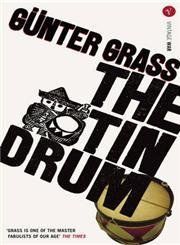
The Tin Drum
by Günter Grass
1959
On his third birthday, Oskar decides to stop growing. With his tin drum, he recounts a life shaped by family deaths, the Nazi years and the disorder of postwar Germany, turning childhood defiance into a disturbing perspective on history.
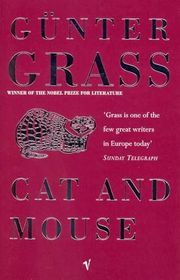
Cat and Mouse
by Günter Grass
1961
Self-conscious about his prominent Adam’s apple, fourteen-year-old Joachim Mahlke becomes an exceptional athlete and diver. His quest for recognition unfolds in wartime Danzig, where admiration cannot protect an outsider from the pressures and violence surrounding him.
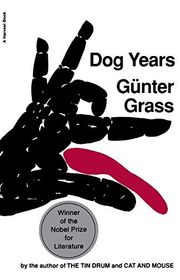
Dog Years
by Günter Grass
1963
Across forty years of German history, intertwined human and canine lives expose the society that nurtured Nazism. Fantasy, memory and grotesque humor follow its characters through the Third Reich, wartime collapse and the uneasy complacency of postwar recovery.
The Plebeians Rehearse the Uprising
by Günter Grass
1966
During the East German workers' uprising of 1953, intellectuals face demands for solidarity and action. Grass's play examines their failure to support the rebellion, bringing the tension between artistic commitments and political responsibility onto the stage.
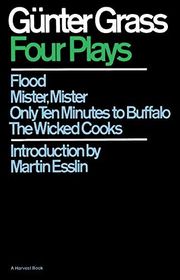
Four Plays
by Günter Grass
1967
Four short plays bring together Flood, Mister, Mister, Only Ten Minutes to Buffalo, and The Wicked Cooks. Through the conventions of absurdist theater, Grass presents situations whose strangeness provides another expression of his dramatic imagination.
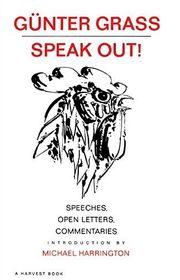
Speak Out!
by Günter Grass
1968
Speeches, open letters, and commentaries collect Günter Grass's interventions in political life. Moving beyond his fiction, the volume presents the novelist's public arguments and offers a view of the concerns behind his role as a German citizen.
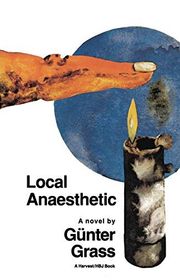
Local Anaesthetic
by Günter Grass
1969
During extended dental treatment, teacher Starusch watches television and projects his own memories and present concerns onto the screen. His shifting recollections form a satire of private dissatisfaction, public confusion, and the uneasy relationship between experience and spectacle.

From the Diary of a Snail
by Günter Grass
1972
During Willy Brandt’s election campaign, Grass interweaves political observations with the history of persecuted Jews in Danzig. Family conversations, memory and the figure of the snail shape his reflections on gradual reform and the burdens of Germany’s past.
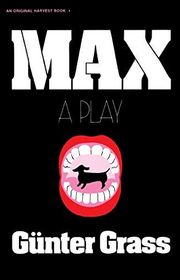
Max
by Günter Grass
1972
A student plans a shocking protest against the use of napalm in Vietnam, intending to burn his dog in public. His teacher tries to stop him as their confrontation exposes opposing ideas about activism and democratic reform.
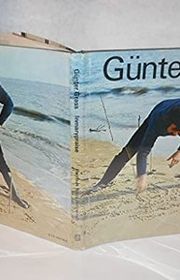
Inmarypraise
by Günter Grass
1973
Günter Grass combines drawings and etchings with photographs by Maria Rama in this illustrated work. Images and translated writing appear together, presenting an encounter between his graphic art and language beyond the form of his novels.

Love Tested
by Günter Grass
1974
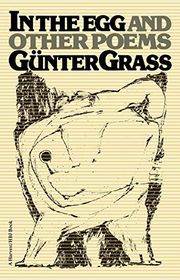
In the Egg and Other Poems
by Günter Grass
1977
This bilingual collection brings together poems from two earlier selections, with German texts facing their English translations. It offers a view of Grass's poetic work through versions by Michael Hamburger and Christopher Middleton gathered in one volume.
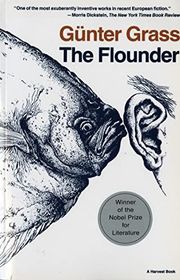
The Flounder
by Günter Grass
1977
An immortal fisherman and a talking flounder move through centuries beginning in the Stone Age near the future city of Danzig. Their continuing association lets Günter Grass interweave distant eras in an expansive, fantastical account of human history.
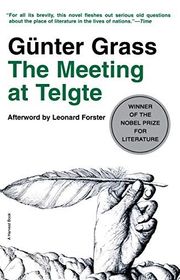
The Meeting at Telgte
by Günter Grass
1979
As the Thirty Years' War nears its end, German intellectuals gather in 1647 to consider their fractured nation's future. Their meeting centers on language and literature as possible bonds among people separated by war and political divisions.
Headbirths
by Günter Grass
1980
Harm and Dörte Peters travel through Asia but cannot escape the political upheaval occupying Germany. Their journey becomes the setting for a satire on competing ideologies, religion, capitalism, and the anxieties surrounding whether to have children.

Drawings and Words 1954-1977
by Günter Grass
1982
Spanning work from 1954 to 1977, this volume places Günter Grass's drawings alongside his writing. The selection brings his visual art into conversation with language, showing another aspect of the novelist's sustained work across artistic forms.

Etchings and Words 1972-1982
by Günter Grass
1984
Etchings from a decade of Günter Grass's artistic career appear alongside selected writing. This illustrated volume brings his visual and literary work together, offering a view of the relationship between the images he made and the words he wrote.
On Writing and Politics
by Günter Grass
1985
Essays written between 1967 and 1983 bring together Grass’s concerns as a novelist and political activist. He considers the responsibilities of writers, the demands of public engagement and the difficult relationship between literary work and political action.
The Rat
by Günter Grass
1986
A narrator debates a female rat who insists that rats will inherit an Earth devastated by humanity. Dreams and reality overlap through nested stories, turning their exchanges into a fantastical confrontation with destruction and the future of civilization.
Show Your Tongue
by Günter Grass
1988
During an extended stay in Calcutta, Günter Grass records everyday life through words and drawings. His observations of poverty and the city become a reflection on shame, prosperity, and the difficulty of understanding another society.
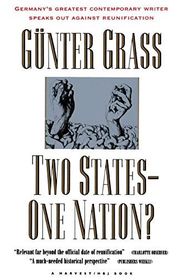
Two States, One Nation?
by Günter Grass
1990
As the Berlin Wall falls, Günter Grass argues against rapid German reunification. These speeches and debates examine the political choices facing the two German states and the wider consequences of a changing European order.

The Call of the Toad
by Günter Grass
1992
A German art historian and a Polish restorer meet through a plan to provide burial plots in Gdansk for Germans expelled after the war. Their cemetery venture brings romance and raises questions about memory, displacement, and reconciliation.

Too Far Afield
by Günter Grass
1995
Two elderly men wander through Berlin after the fall of the Wall: a former East German official and a spy accustomed to changing regimes. Their observations explore reunification, national identity, and the struggle to preserve the past.
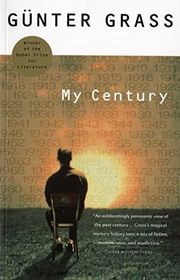
My Century
by Günter Grass
1999
One hundred linked stories, each corresponding to a year from 1900 through 1999, trace the twentieth century's upheavals. Everyday incidents appear alongside war, political change, discoveries, and disasters, building a varied portrait of Germany and its times.
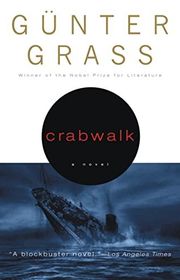
Crabwalk
by Günter Grass
2002
Journalist Paul Pokriefke investigates the wartime sinking that coincided with his birth. His mother's memories and his son's attraction to far-right interpretations force him to confront how a single disaster continues shaping different generations of his family.

The Günter Grass Reader
by Günter Grass
2004
Selections from Günter Grass's novels appear alongside short fiction, essays, and poetry, including work newly translated into English. The collection follows his development as a writer while tracing Germany's efforts to confront its past.
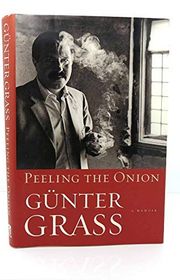
Peeling the Onion
by Günter Grass
2006
Günter Grass recalls his childhood in Danzig, wartime service and captivity, and efforts to become an artist after the war. The memoir follows his early adult life through the writing and publication of The Tin Drum.
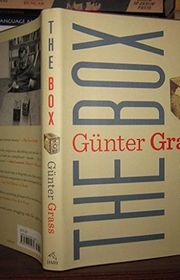
The Box
by Günter Grass
2008
Grass imagines his eight children gathering to recall their lives with a father absorbed in writing. Their conflicting memories mingle with the extraordinary photographs of a family friend whose camera appears to reveal more than ordinary reality.
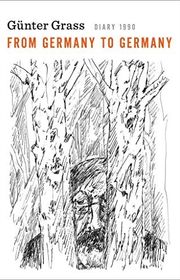
From Germany to Germany
by Günter Grass
2009
During German reunification, Günter Grass records his travels, political debates, family conversations, and emerging literary ideas. His diary follows a year of upheaval after the Berlin Wall's fall, combining personal observations with arguments about the country's future.
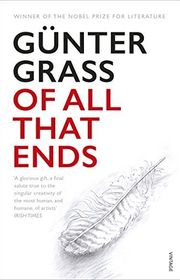
Of All That Ends
by Günter Grass
2015
In his final collection, Günter Grass combines prose, poetry, and drawings to reflect on aging, love, artistic work, and the world around him. Brief pieces move between intimate recollection, social criticism, humor, and awareness of approaching death.

The Living Statue
by Günter Grass
2024
A writer visiting Naumburg invites the cathedral's medieval sculptural models to dinner and finds them alive. One becomes an elusive living statue, sending him searching across Europe as distinctions between past and present, art and life begin to dissolve.
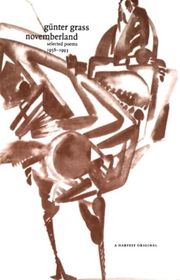
Novemberland
by Günter Grass
Poems written across nearly four decades examine Germany after the Second World War and the Cold War. Surreal images, domestic objects and sharply observed public events carry Grass’s reflections on memory, political responsibility and the persistence of destructive beliefs.
Günter Grass sub-series and character series
Die Danziger books in order
Explore this seriesStandalone Günter Grass books











Edited by
Software engineer whose passion for tracking book recommendations from podcasts inspired the creation of MRB.
Lead investor at 3one4 Capital whose startup expertise and love for books helped shape MRB and its growth.
Comments
Spotted a missing book, a wrong order or a mistake? Tell us and we'll fix this page.
We're a reading guide, not the author or publisher, so we can't send books or pass on messages.