
Guinevere Books in Order
Part ofSharan Newman Books in OrderFind the Guinevere books in order by Sharan Newman, with quick summaries, series background, and where to start this Arthurian retelling.
Last updated:
As an Amazon Associate, we earn from qualifying purchases (at no extra cost to you).
Guinevere books in publication order
3 books
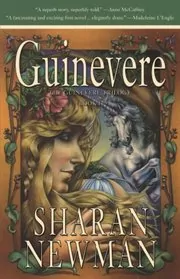
Guinevere
by Sharan Newman
1980
Newman begins with Guinevere's childhood, giving her a life before the legend hardens around her. Magic, family, and politics shape the girl who will one day marry Arthur and step into the center of Britain.
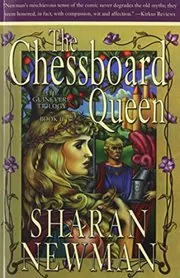
The Chessboard Queen
by Sharan Newman
1983
Now queen beside Arthur, Guinevere discovers that power at Camelot comes with loneliness, court games, and Lancelot. The second book turns the legend into a tense story of desire, duty, and the cracks opening in Arthur's world.
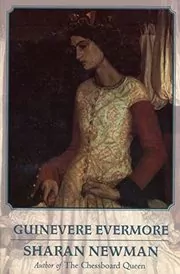
Guinevere Evermore
by Sharan Newman
1985
The final Guinevere novel follows the cost of love as Arthur's court starts to break apart. Lancelot, Modred, and old loyalties pull the story toward the familiar tragedy at the heart of the legend.
Guinevere books in chronological order
Series background & context
The Guinevere books are Sharan Newman's Arthurian trilogy, and they work best if you come to them looking for character as much as legend. This is not a retelling that starts with battles and kings issuing commands. It starts with Guinevere herself, first as a child, then as a young woman growing into the part history will hand her. From Guinevere onward, Newman treats her less as a symbol and more as a person, with a family, a temperament, blind spots, and a life before Camelot ever enters the picture.
That first-book choice matters. By giving Guinevere a childhood and a private world, Newman changes the feel of the whole legend. Arthur is still important, of course, but he is not the center of every scene. The trilogy follows Guinevere from her early years to her marriage to Arthur, then into queenship, and finally into the long emotional and political unraveling that surrounds Lancelot, Modred, and the fall of Arthur's world.
It is Arthuriana told from inside the queen's rooms.
The setting lives in the borderland between history and myth. Britain is threatened, courts are still being built, loyalties shift, and old magic has not gone away. Merlin, the Lady of the Lake, visions, prophecies, and enchanted events all have a place here, but they do not crowd out the everyday strain of court life. Guinevere still has to survive marriage, public duty, gossip, and the simple fact that people expect a queen to mean more than a normal woman ever could.
By the second book, The Chessboard Queen, the trilogy leans harder into the emotional knot at the center of the legend. Arthur's court is taking shape, Lancelot enters the story, and private feeling starts to collide with public duty. Newman keeps the big familiar pieces of the myth, but she filters them through Guinevere's experience, which makes the choices feel more immediate and less ceremonial. The third book, Guinevere Evermore, carries that pressure forward into the sadness built into the Arthur story from the start.
The ending is headed toward tragedy from the moment the court begins to shine.
What makes the trilogy interesting is its tone. It can be wry, intimate, odd, and then suddenly quite sad. Newman is willing to let the legendary figures seem human, inconvenient, proud, foolish, or lonely. Arthur is not just the once and future king. Lancelot is not just the perfect knight. Guinevere is not just the woman blamed for everything. That gives the books a very particular mood, part fantasy, part historical retelling, part domestic court drama.
If you like Arthurian fiction that pays attention to relationships instead of only warfare, this series has a lot to offer. Expect magic, court politics, desire, and the slow realization that even a golden age can be fragile. Read in order, because the emotional arc matters as much as the plot, and because Newman's whole point is to show how a legend looks different when you stay close to the woman at its center.








Edited by
Software engineer whose passion for tracking book recommendations from podcasts inspired the creation of MRB.
Lead investor at 3one4 Capital whose startup expertise and love for books helped shape MRB and its growth.
Comments
Did we miss something? Have feedback?
Help us improve this page by sharing your thoughts