
Guardians Trilogy Books in Order
Part ofJack Whyte Books in OrderExplore the Guardians Trilogy by Jack Whyte, including all Scottish independence novels in order, short book descriptions, series background, and guidance on the ideal starting point.
Last updated:
As an Amazon Associate, we earn from qualifying purchases (at no extra cost to you).
Guardians Trilogy books in publication order
3 books
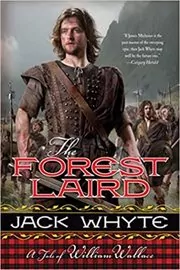
The Forest Laird / Rebel
by Jack Whyte
2010
On the eve of his brutal execution, William Wallace tells his life story to a Scottish priest who is also his cousin. From hunted boy to forest outlaw and finally rebel leader, Wallace’s choices show how one man’s defiance can ignite a nation.
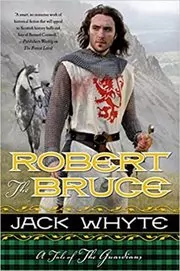
Robert the Bruce / The Renegade / Resistance
by Jack Whyte
2012
Robert Bruce grows up as a powerful noble in a country without a settled crown. Caught between loyalty to England’s king and duty to his own people, he fights, schemes and sacrifices over decades in a relentless bid to win Scotland’s independence.
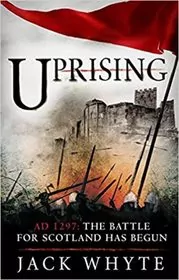
Uprising / The Guardian
by Jack Whyte
2014
Set in 1297, this novel brings William Wallace, Robert the Bruce and Andrew Murray onto the same turbulent stage. Grief‑stricken yet unbending, they turn scattered revolts into a coordinated uprising that batters English power and reshapes Scotland’s future.
Guardians Trilogy books in chronological order
Series background & context
The Guardians Trilogy turns from Roman Britain and the Holy Land to the rain‑soaked hills and crowded burghs of medieval Scotland. Across three novels it follows William Wallace, Robert the Bruce and Andrew Murray as they struggle, in different ways, to push back English rule and imagine a free kingdom.
The Forest Laird opens in a London prison in 1305, with Wallace awaiting execution and confessing his life to a Scottish priest who is also his cousin. Through that frame we see him first as an angry, gifted archer in the forests around Elderslie, then as an outlaw, husband and finally as the reluctant figurehead of a national revolt.
Whyte spends time on the everyday details that make Wallace’s world feel real—tenant farmers and small market towns, church politics, friendships that cross class lines—as well as on ambushes, raids and set‑piece battles. The question running underneath is how a single man ends up carrying the hopes of people far beyond his own parish.
In Robert the Bruce the focus shifts to a young nobleman watching Scotland fracture after the death of King Alexander. Robert Bruce grows up admiring Edward I of England even as he sees his own country denied a stable crown. The novel traces years of divided loyalties, failed compromises and brutal campaigning as Bruce wrestles with whether he is a loyal vassal or a future king.
The final volume, published in different markets as The Guardian or Uprising, brings the threads together. It follows the years when Wallace and Bruce find themselves fighting the same enemy by different methods, and introduces Andrew Murray, a lesser‑known but crucial commander whose tactics and sacrifices help shape the wars of independence. Political assemblies, church negotiations and shifting alliances matter as much here as swordplay.
Throughout the trilogy the tone stays earthy and direct. Priests argue strategy with knights, nobles swear in broad Scots, and famous battles grow out of very human grief, pride and stubbornness.
If you like your Scottish history full of mud, makeshift camps and hard choices instead of easy hero worship, these books give you a long, close look at the people who turned resistance into a country.





Edited by
Software engineer whose passion for tracking book recommendations from podcasts inspired the creation of MRB.
Lead investor at 3one4 Capital whose startup expertise and love for books helped shape MRB and its growth.
Comments
Did we miss something? Have feedback?
Help us improve this page by sharing your thoughts