
Gormenghast Books in Order
Part ofMervyn Peake Books in OrderFind the Gormenghast books by Mervyn Peake in order, with short summaries, series background, reading order, and help choosing where to start.
Last updated:
As an Amazon Associate, we earn from qualifying purchases (at no extra cost to you).
Gormenghast books in publication order
3 books
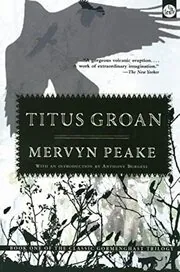
Titus Groan
by Mervyn Peake
1946
In the vast castle of Gormenghast, infant heir Titus Groan is born into a world ruled by ritual. As servants, nobles, and the ruthless Steerpike maneuver for power, the castle starts to tilt toward chaos.
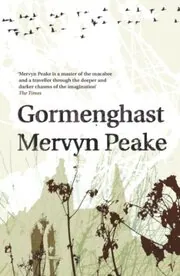
Gormenghast
by Mervyn Peake
1950
Seven-year-old Titus grows restless inside Gormenghast's crushing routines while Steerpike pushes his climb toward power. Schemes, rivalries, and old rituals tighten until the whole castle feels ready to break.
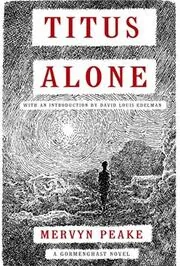
Titus Alone
by Mervyn Peake
1959
Titus leaves Gormenghast and enters a strange outside world that feels modern, fractured, and hostile. Cut loose from the castle's rituals, he has to work out who he is without the life he was born to.
Gormenghast books in chronological order
Series background & context
The Gormenghast books begin inside a huge, decaying castle-state where ritual matters more than reason. Titus Groan is born as the seventy-seventh Earl of Gormenghast, heir to a place so old and rule-bound that daily life feels half ceremony, half trap. The series is fantasy in atmosphere, but it works more like a gothic study of power, habit, ambition, and escape.
Titus is the nominal center, but the books are crowded with unforgettable people. There is his father Sepulchrave, sunk in ritual and melancholy; his mother Gertrude, distant and formidable; his sister Fuchsia, lonely and imaginative; the stiff servant Flay; the dry, darting Doctor Prunesquallor; and, above all, Steerpike, the kitchen boy who refuses to stay in his place. Much of the tension comes from the clash between a world that never wants to change and one young schemer who sees every weakness in it.
Titus Groan starts with Titus's birth, but the novel is really about the whole machinery of Gormenghast beginning to creak. Steerpike starts climbing out of the kitchens and into the lives of the ruling family, using charm, nerve, and patience to turn old resentments to his advantage. The stakes are often political and personal at the same time. A private slight can become a public crisis because every room, office, and ritual in the castle is tied to rank.
In Gormenghast, Titus is older and beginning to feel the full weight of what he has inherited. He is expected to belong to the castle completely, yet more and more of him pushes against that fate. At the same time, Steerpike's rise gathers force, and the castle's brittle routines start to look less permanent than they once did. This is the book where the series becomes a struggle over who gets to define the future, the born heir, the trapped dreamer, or the outsider who means to take control.
The castle is the main character too.
Then Titus Alone breaks the pattern on purpose. Titus moves beyond the closed world of Gormenghast into an outside landscape that feels stranger, faster, and more modern. Some readers are surprised by that change, but it fits the series' larger question: what happens to a person raised by ritual when he finally gets loose from it? The shorter Boy in Darkness belongs beside the main books as well, since it sends Titus into a more concentrated nightmare of captivity and identity.
What should you expect overall? Not a quest story, and not a system-heavy fantasy series. These books move through atmosphere, sharp visual detail, grotesque comedy, and long, tense stretches of social maneuvering. If you like castles that feel lived in, characters who are both funny and sad, and stories where setting shapes everything, Gormenghast has a very particular hold.

















Edited by
Software engineer whose passion for tracking book recommendations from podcasts inspired the creation of MRB.
Lead investor at 3one4 Capital whose startup expertise and love for books helped shape MRB and its growth.
Comments
Did we miss something? Have feedback?
Help us improve this page by sharing your thoughts