
Gordon R Dickson Books in Order
See Harry Harrison's Gordon R. Dickson collaboration, with plot notes, background, and reading context for their shared space survival adventure.
Last updated:
As an Amazon Associate, we earn from qualifying purchases (at no extra cost to you).
Gordon R Dickson books in publication order
97 books

Time Grabber
by Gordon R Dickson
1952
A compact Dickson tale built around time, opportunism, and the trouble that starts when someone tries to seize more of either than they should. Quick, idea-first science fiction.

No Shield from the Dead
by Gordon R Dickson
1953
A grim speculative tale about mortality, memory, and the kind of danger that does not stop just because someone wishes it would. Short, sharp, and darker than the title first suggests.
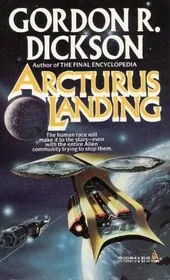
Alien from Arcturus / Arcturus Landing
by Gordon R Dickson
1956
An early Dickson space adventure about travel to a strange world and the hard, uncertain business of making contact beyond Earth. The book already shows his taste for alien perspective and frontier tension.
Mankind on the Run / On the Run
by Gordon R Dickson
1956
Humanity is scattered, pressured, and forced into motion as stronger powers close in. Dickson builds the story around endurance and the grim energy of staying alive by never standing still.
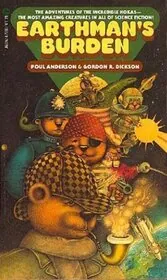
Earthman's Burden
by Gordon R Dickson
1957
The first Hoka collection introduces the fuzzy, overenthusiastic aliens who act out human fiction with alarming sincerity. Human diplomats spend most of the book trying to prevent imaginative play from becoming interplanetary trouble.
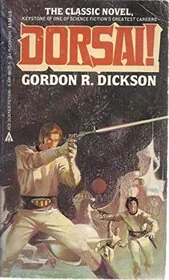
Dorsai! / The Genetic General
by Gordon R Dickson
1960
Donal Graeme rises from the mercenary world of Dorsai to become one of the most formidable military minds in human space. Fast, clean, and strategic, it is the classic entry to Dickson's future history.
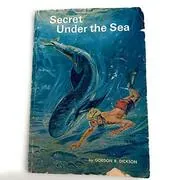
Secret Under the Sea
by Gordon R Dickson
1960
Living in an underwater research station, Robby Hoenig notices his dolphin acting strangely and goes looking for the cause. What he finds on the ocean floor is far bigger and stranger than he expected.
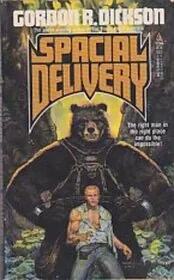
Spacial Delivery
by Gordon R Dickson
1960
John Tardy is treated like mail and sent across Dilbia on a rescue mission among giant bear-like aliens. The fun comes from culture clash, stubborn courage, and surviving by cleverness.
Time to Teleport
by Gordon R Dickson
1960
A breakthrough in instant travel promises to erase distance, but the people inside the discovery learn that freedom and danger arrive together. It is a compact early Dickson novel built on one big idea.
Delusion World
by Gordon R Dickson
1961
A crash landing drops Feliz Gebrod into the mystery of a colony called Dunroamin, where two incompatible utopias seem to occupy the same place. The book turns that puzzle into a tense survival problem.
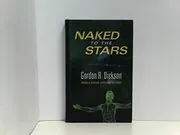
Naked to the Stars
by Gordon R Dickson
1961
A hardened military man becomes part of a mission that must understand aliens rather than conquer them. Dickson uses the setup to push against the easy habits of empire and war.
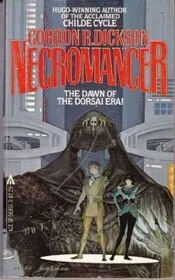
Necromancer / No Room for Man
by Gordon R Dickson
1962
Before the splinter cultures fully form, a damaged man is drawn toward the Exotics and a startling new view of what humanity might become. It is early Childe Cycle material, stranger and more inward than *Dorsai!*.
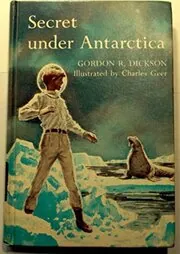
Secret under Antarctica
by Gordon R Dickson
1963
Robby joins his father in Antarctica and stumbles into a plot to destroy the Ross Ice Shelf and reshape the world's climate. The cold setting gives this young-adult adventure a sharper edge.

Analog 1
by Gordon R Dickson
1964
A magazine-style anthology appearance that places Dickson alongside other science fiction voices of the period. Best for readers who enjoy browsing classic sf in its original mixed-company setting.
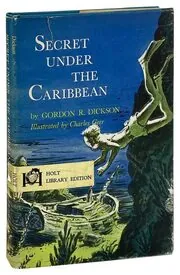
Secret Under the Caribbean
by Gordon R Dickson
1964
Robby Hoenig's latest adventure begins with a historic wreck and turns into a kidnapping and submarine chase. It is a brisk juvenile sf mystery with treasure-hunt energy and real danger.
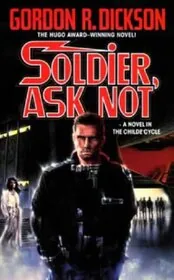
Soldier, Ask Not
by Gordon R Dickson
1964
Journalist Tam Olyn carries anger from world to world and tries to weaponize whole cultures against each other. It is one of Dickson's sharpest books about hatred, guilt, and the cost of getting what you asked for.
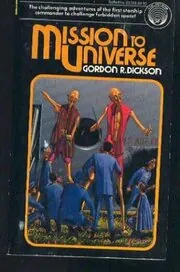
Mission to Universe
by Gordon R Dickson
1965
A mission beyond familiar human limits opens onto deep space, new encounters, and the shock of realizing how small old assumptions were. It is classic exploratory science fiction with forward drive.
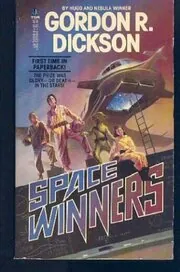
Space Winners
by Gordon R Dickson
1965
Earth teenagers are chosen for a future among the stars, only for the grand plan to go badly off course. Stranded and outmatched, they have to think their way through an alien world.
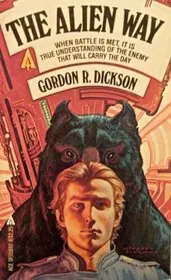
The Alien Way
by Gordon R Dickson
1965
A human becomes mentally linked with an alien mind and learns the invading species from the inside. Dickson turns first contact into a problem of empathy as much as survival.
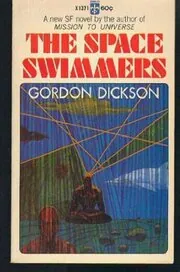
The Space Swimmers
by Gordon R Dickson
1967
Land-born and sea-born humans are pushed past mutual distrust and into dangerous cooperation. Dickson uses the adventure to ask how much culture shapes what people think is normal.
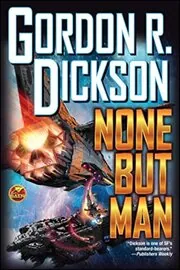
None but Man
by Gordon R Dickson
1969
Humanity's claim to a set of worlds is threatened by the alien race that once abandoned them. The book mixes diplomacy, risk, and alien psychology as one man tries to bargain for the future.
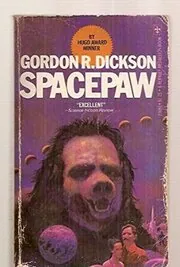
Space Paw
by Gordon R Dickson
1969
Bill Waltham heads to Dilbia to teach practical tools and ends up tangled in local rivalries and a rescue problem among giant, bear-like natives. He will need brains more than strength.
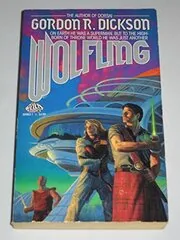
Wolfling
by Gordon R Dickson
1969
A lone human on an alien world grows into a challenge to much larger powers. Dickson gives the story a stripped-down, survivalist feel that slowly turns into open confrontation.

Danger-human
by Gordon R Dickson
1970
A short story collection full of pressure, alien encounters, and the uncomfortable places where ordinary human habits stop being enough. Early Dickson at his most energetic.
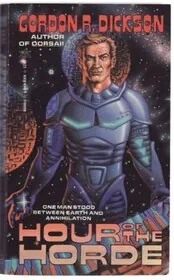
Hour of the Horde
by Gordon R Dickson
1970
An Earthman is pulled into a galactic war against a devastating horde and has to outthink an enemy that can overwhelm whole worlds. It is brisk, pulpy, and driven by one person's refusal to quit.
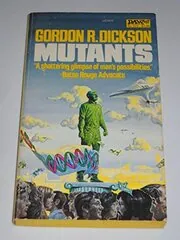
Mutants
by Gordon R Dickson
1970
A short story collection about change, survival, and the unsettling places where humanity stops looking familiar. Dickson uses mutants, outsiders, and edge cases to test what people really are.

The Book of Gordon Dickson
by Gordon R Dickson
1970
A retitled version of *Danger-human*, this collection showcases Dickson's shorter science fiction at a lively, idea-packed length. It is a good place to see how much range he had outside his big series.
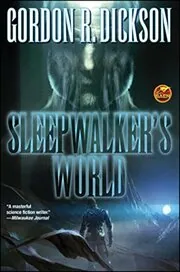
Sleepwalker's World
by Gordon R Dickson
1971
A strange world, a shifting sense of reality, and a protagonist who cannot afford to trust appearances for long. Dickson keeps the story moving even as the ground under it grows more uncertain.
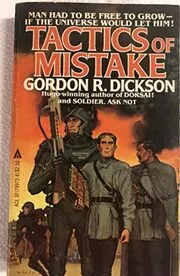
Tactics Of Mistake
by Gordon R Dickson
1971
Cletus Grahame studies whole cultures the way other commanders study maps, then uses that knowledge to reshape interstellar war. It is one of Dickson's smartest military novels.
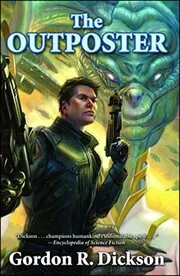
The Outposter
by Gordon R Dickson
1971
Mark Ten Roos leads reluctant colonists on a harsh world and pushes them toward self-sufficiency under the threat of alien raiders and human neglect. It is frontier science fiction with a political bite.
The Pritcher Mass
by Gordon R Dickson
1972
With Earth dying from environmental ruin, humanity pins its hope on a psychic machine built beyond Pluto. But once Chaz Sant gets close to it, the rescue plan looks far darker and more compromised than advertised.
Alien Art
by Gordon R Dickson
1973
On a frontier world, a rough trader tries to prove that the carvings made by his nonhuman companion are real art. The story becomes a sharp clash over value, civilization, and who gets to define beauty.
The Last Master
by Gordon R Dickson
1973
A revised version of *The R-Master*, this novel follows one man's brush with a mental transformation that threatens a carefully controlled society. It is part chase, part system-level revolt.
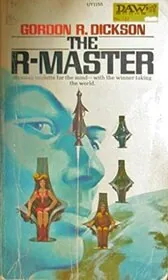
The R-Master
by Gordon R Dickson
1973
A man trapped in a tightly managed future stumbles into a rare change that could free his mind and upend the system around him. Dickson turns bureaucracy into a very personal kind of danger.

The Star Road
by Gordon R Dickson
1973
This collection moves across several sides of Dickson's imagination, from hard-driving adventure to stranger speculative puzzles. It is a solid sampler of his mid-career short fiction.
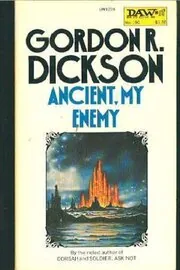
Ancient, My Enemy
by Gordon R Dickson
1974
A collection built around old fears, strange encounters, and the uneasy overlap between humanity and the unknown. The title story sets the tone, thoughtful science fiction with an edge of menace.
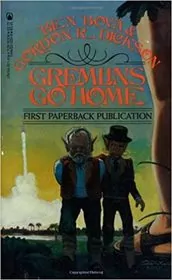
Gremlins Go Home
by Gordon R Dickson
1974
Gremlins want off Earth, and the first Mars rocket looks like their best chance. A boy and his dog get swept into a mischievous, high-stakes plan where mechanical chaos keeps threatening the launch.
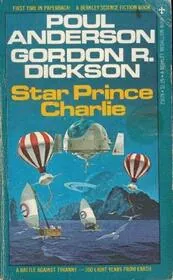
Star Prince Charlie
by Gordon R Dickson
1975
A younger-leaning Hoka novel that stretches the series' comic premise into a longer adventure. The Hokas' love of roleplaying turns history and pageantry into another delightful mess.
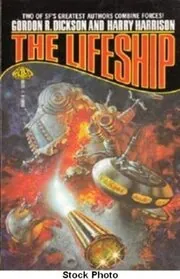
The Lifeship / Lifeboat
by Gordon R Dickson
1975
A damaged voyage leaves human and alien survivors trapped in a lifeboat with dwindling resources and almost no trust. The real fight is not just against space, but against fear, culture clash, and collapse from within.
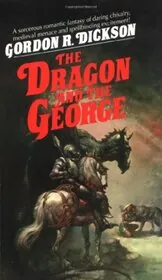
The Dragon and the George
by Gordon R Dickson
1976
Jim Eckert follows his fiancée into a magical medieval world and wakes up in the body of a dragon. To save Angie, he must master his new form before the world's dangers swallow them both.
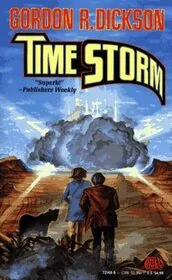
Time Storm
by Gordon R Dickson
1977
A dangerous disturbance in time throws plans, loyalties, and survival into confusion. Dickson treats the big concept as an engine for urgency rather than pure puzzle-solving.
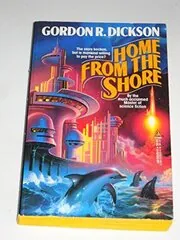
Home from the Shore
by Gordon R Dickson
1978
Sea-Born cadets leave training and face a wider future where identity matters as much as ability. It is part coming-of-age story, part culture-clash science fiction adventure.
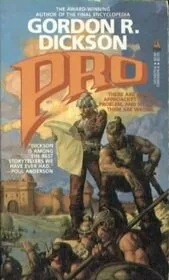
Pro
by Gordon R Dickson
1978
A compact science fiction adventure built around professionalism, skill, and the cost of being very good at one hard thing. Dickson likes the edge where competence becomes isolation.
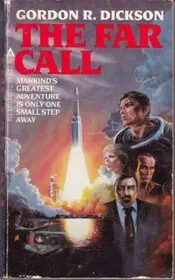
The Far Call
by Gordon R Dickson
1978
A summons from far away pulls its hero into danger, obligation, and a widening sense of what the mission really means. Dickson turns distance itself into tension here.
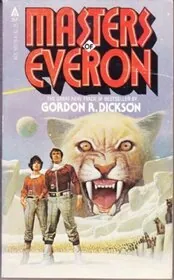
Masters of Everon
by Gordon R Dickson
1979
A standalone adventure about hidden powers, contested authority, and a world whose rules are not as stable as they seem. Dickson keeps the focus on people trying to stay upright inside larger forces.
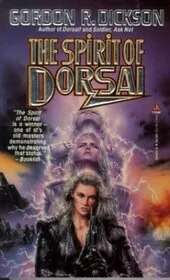
Spirit of Dorsai
by Gordon R Dickson
1979
This Dorsai collection turns toward family history and the deeper roots of the warrior culture. Amanda Morgan stands out here, adding emotional weight to the larger Childe setting.

In Iron Years
by Gordon R Dickson
1980
A collection about strain, endurance, and the futures people have to survive rather than enjoy. The title story gives the book its hard, weathered feel.
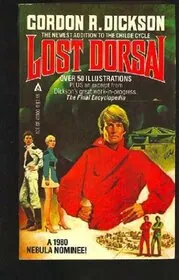
Lost Dorsai
by Gordon R Dickson
1980
A Dorsai collection that adds depth and legend to Dickson's military future history. These stories are about command, sacrifice, and the kind of reputation that keeps echoing long after the battle ends.

Love Not Human
by Gordon R Dickson
1981
A varied collection with an offbeat emotional streak, where love, fear, memory, and the not-quite-human keep colliding. Some stories are funny, some uneasy, and a few quietly bleak.
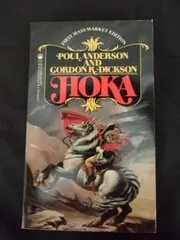
Hoka!
by Gordon R Dickson
1983
More Hoka stories, more human headaches. The bear-like aliens keep acting out borrowed bits of human culture with total sincerity, and the result is gleeful science fiction chaos.

Hoka! Hoka! Hoka!
by Gordon R Dickson
1983
An expanded Hoka volume that brings together the classic comic stories and extra material. If you want the fullest dose of overcommitted fuzzy aliens and exhausted human handlers, start here.
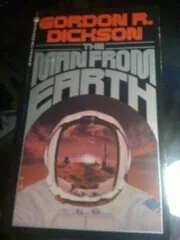
The Man from Earth
by Gordon R Dickson
1983
A strong selected collection centered on the qualities Dickson thought humans carried into the wider universe. The stories are full of pressure, ingenuity, and contact with beings who do not think like us.
Jamie the Red
by Gordon R Dickson
1984
A hot-blooded prince is forced into exile and into a rougher, wider world than the court he left behind. It is a fantasy adventure with swords, politics, and the restless energy of a born troublemaker.
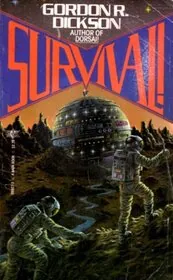
Survival
by Gordon R Dickson
1984
A themed collection of survival stories, whether the threat comes from alien worlds, hostile people, or bad luck in the wrong place. Dickson is especially good when endurance becomes character.
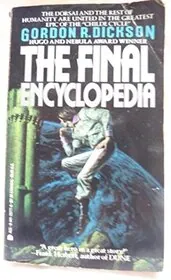
The Final Encyclopedia
by Gordon R Dickson
1984
Hal Mayne reaches the vast knowledge center called the Final Encyclopedia, but understanding humanity's future proves more dangerous than collecting facts. This is where the Childe Cycle turns fully grand and inward-looking.
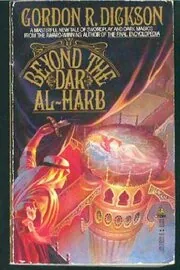
Beyond the Dar Al-Harb
by Gordon R Dickson
1985
A three-story collection that moves between fantasy and science fiction. The title piece gives more time to Red Jamie, while the rest show Dickson's liking for hard journeys and morally awkward choices.

Forward
by Gordon R Dickson
1985
A wide-ranging story collection that keeps moving, from military sf to odd alien encounters and sharp speculative turns. It is a good reminder of how dependable Dickson was at shorter lengths.

Invaders
by Gordon R Dickson
1985
A collection focused on conflict, intrusion, and first contact under pressure. Whether the invaders are alien, cultural, or psychological, Dickson likes making the response matter as much as the threat.
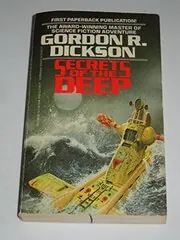
Secrets of the Deep
by Gordon R Dickson
1985
An omnibus of Dickson's Robby Hoenig undersea adventures, full of research stations, dives, mysteries, and youthful nerve. It is a neat way to get the whole sequence in one volume.
Steel Brother
by Gordon R Dickson
1985
A collection and retitled expansion of *Dickson!*, this volume mixes fiction with Dickson's thoughts on the Childe Cycle. It is a good browse for readers who want stories and context together.
Mindspan
by Gordon R Dickson
1986
This collection gathers a dozen stories about intelligence, adaptation, and the odd ways people and aliens misread each other. It is varied, idea-rich, and easy to dip into a story at a time.

The Dorsai Companion
by Gordon R Dickson
1986
This companion volume gathers the key shorter Dorsai works in one place and adds helpful commentary. It is excellent for readers who want the side stories without losing the larger context.
The Forever Man
by Gordon R Dickson
1986
In a war against a mysterious alien enemy, human minds can leave their bodies and inhabit starships. Dickson uses that wild idea for a tense story about identity, duty, and survival at a very strange edge of war.
The Last Dream
by Gordon R Dickson
1986
A collection of stories that leans toward the eerie, the speculative, and the quietly unsettling. It shows Dickson's range beyond soldiers and dragons, with room for fantasy shades and stranger moods.

The Man the Worlds Rejected
by Gordon R Dickson
1986
A collection of longer pieces about outsiders, hard choices, and people who do not fit where history wants to put them. Dickson is especially good here with stubborn, solitary protagonists.

In the Bone
by Gordon R Dickson
1987
A best-of collection that expands on Dickson's earlier selected stories and gathers some of his strongest shorter science fiction in one place. If you want the compact version of his range, start here.

The Stranger
by Gordon R Dickson
1987
Fourteen stories, many of them short and sharp, about odd visitors, misread signals, and the social strain of meeting something unfamiliar. It is one of Dickson's better all-purpose collections.
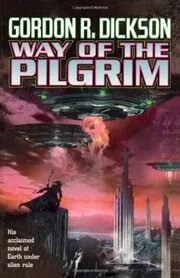
Way of the Pilgrim
by Gordon R Dickson
1987
A reflective science fiction novel built around journey, belief, and endurance. Dickson balances forward motion with a quieter interest in what keeps a person moving when certainty runs out.

Beginnings
by Gordon R Dickson
1988
This collection leans toward formative Dickson stories and key earlier work, including material important to the Childe background. Good for readers who want to see how his major concerns started.

Ends
by Gordon R Dickson
1988
A companion volume to *Beginnings*, with later and weightier stories about consequence, loss, and what remains after the choice has already been made. Dickson can be bluntly effective in this mode.

Guided Tour
by Gordon R Dickson
1988
A generous collection that hops across early stories, odd experiments, and classic Dickson ideas. It reads like a tour through the many directions his shorter work could take.
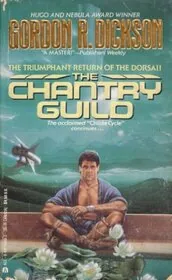
The Chantry Guild
by Gordon R Dickson
1988
The Childe Cycle turns more philosophical here as Hal Mayne faces secret histories, hidden influence, and the next stage of humanity's long argument with itself. The scale is large, but the tension stays personal.
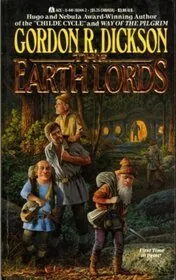
The Earth Lords
by Gordon R Dickson
1988
A fantasy adventure about old powers, contested loyalties, and a struggle that reaches beyond one kingdom or one lifetime. Dickson leans into mythic stakes without losing his taste for practical characters.
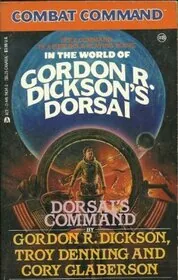
Dorsai's Command
by Gordon R Dickson
1989
An interactive Dorsai adventure that puts you in the boots of a young officer facing a make-or-break first command. It is more gamebook than novel, but the pressure and military mindset fit the setting well.

The Dragon Knight
by Gordon R Dickson
1990
Jim Eckert has survived becoming a dragon, but living in this magical medieval world is only getting more complicated. The sequel widens the politics, the responsibilities, and the long-term stakes.
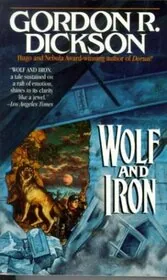
Wolf and Iron
by Gordon R Dickson
1990
After American society collapses, Jeebee Walther crosses a dangerous landscape with only his wits and an uneasy bond with a wolf. It is harsh, lonely, and one of Dickson's strongest standalones.
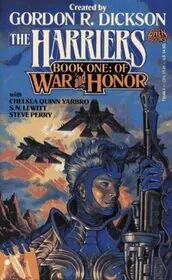
The Harriers / Of War and Honor
by Gordon R Dickson
1991
This first War and Honor volume opens Dickson's shared-world military setting through linked stories of service, command pressure, and hard choices in war. It is a strong entry point if you like anthology-style worldbuilding.
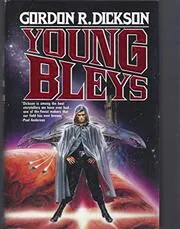
Young Bleys
by Gordon R Dickson
1991
This Childe Cycle novel follows Bleys Ahrens in his formative years and shows how a gifted, manipulative mind takes shape. It is a prelude to the larger conflict of the later series.

Bootcamp 3000
by Gordon R Dickson
1992
A military science fiction anthology built around training, survival, and the brutal work of turning recruits into soldiers. It is best approached as a shared-volume browse rather than a single Dickson novel.

Green Guide
by Gordon R Dickson
1992
A compact illustrated guide to mushrooms and toadstools, written for beginners and casual naturalists. It focuses on clear identification, practical detail, and the species most commonly found in Britain and Europe.
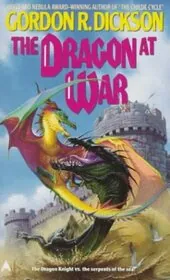
The Dragon at War
by Gordon R Dickson
1992
War pushes the Dragon Knight series onto a larger stage as Jim is forced to think beyond rescue and survival. Battles, politics, and magical obligations all hit at once.
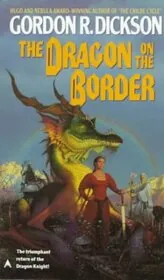
The Dragon on the Border
by Gordon R Dickson
1992
Jim and Angie head toward a dangerous border region where raids, local politics, and long-running tensions make every choice harder. It is a good example of the series growing beyond its original rescue premise.
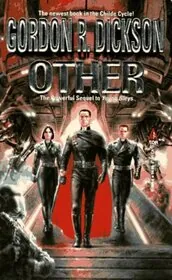
Other
by Gordon R Dickson
1994
Part of the later Childe Cycle, this novel moves closer to Bleys Ahrens and the widening struggle over humanity's direction. It is more political and psychological than a simple military adventure.
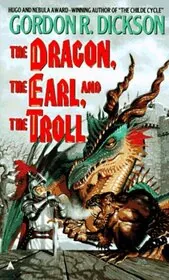
The Dragon, the Earl, and the Troll
by Gordon R Dickson
1994
Jim Eckert gets pulled into noble disputes, troll trouble, and the usual magical complications that come with dragon work. The book keeps the series' easy blend of fantasy adventure and dry humor.
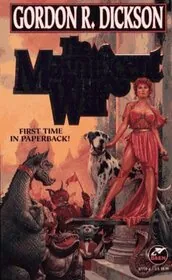
The Magnificent Wilf
by Gordon R Dickson
1995
A lesser-known Dickson novel about an unusual man caught in forces larger than himself. It has the author's familiar interest in competence, pressure, and the way an outsider can upset a whole situation.
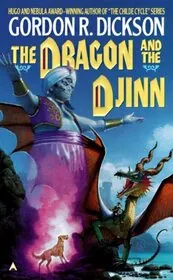
The Dragon and The Djinn
by Gordon R Dickson
1996
This Dragon Knight entry widens the series with a threat tied to djinn magic and a different imaginative tradition. Jim has to adapt fast, because being a dragon never stops getting complicated.
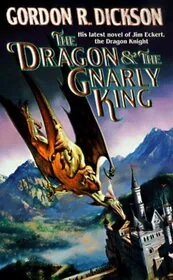
The Dragon & the Gnarly King
by Gordon R Dickson
1997
Another Dragon Knight adventure sends Jim Eckert into a fresh mix of royal trouble, old grudges, and magical risk. The charm is the same, a sensible modern mind trying to cope with a very unreasonable medieval world.
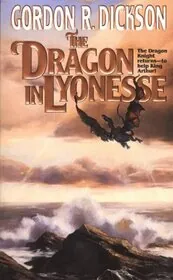
The Dragon in Lyonesse
by Gordon R Dickson
1998
Jim and Angie head deeper into a Britain shaped by legend, where old powers, regional politics, and dragon business refuse to stay simple. It is one of the later Dragon Knight books, with bigger history in the background.
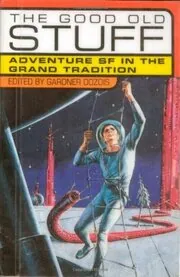
The Good Old Stuff
by Gordon R Dickson
1998
A collection of earlier Dickson stories that shows how strong he was in shorter form. These pieces are full of old-school science fiction energy, clever setups, and very human reactions to the strange.
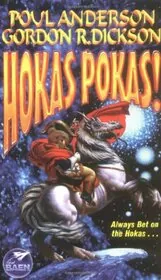
Hokas Pokas!
by Gordon R Dickson
2000
An omnibus Hoka collection full of genre parody and affectionate chaos. The fuzzy, overimaginative Hokas keep turning human stories into real-life trouble for the diplomats trying to manage them.
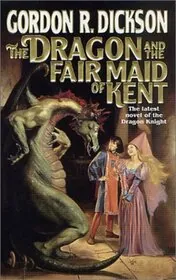
The Dragon and the Fair Maid of Kent
by Gordon R Dickson
2000
Jim Eckert's dragon-sized problems keep growing as he is drawn into another tangle of magic, politics, and danger in medieval England. The series keeps its mix of humor, questing, and practical problem-solving.

The Right to Arm Bears
by Gordon R Dickson
2000
This Dilbia omnibus brings together Dickson's comic culture-clash adventures on a world of huge, bear-like aliens. Humans cannot win by strength here, so they survive with nerve, diplomacy, and trickery.

Hour of the Gremlins
by Gordon R Dickson
2002
An omnibus that bundles *Gremlins Go Home*, *Hour of the Horde*, and *Wolfling*. The mix is pulpy and eclectic, showing how differently Dickson could handle comic chaos, war, and lone-survivor sf.

The Human Edge
by Gordon R Dickson
2003
A posthumous collection of selected stories that circles one of Dickson's favorite ideas, the stubborn, adaptable thing in people that keeps them going. A very good late sampler.
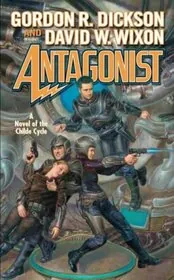
Antagonist
by Gordon R Dickson
2007
This late Childe Cycle novel turns toward Bleys Ahrens, the brilliant and dangerous rival at the edge of humanity's future. It digs into power, manipulation, and the making of a long-term enemy.

It Hardly Seems Fair
by Gordon R Dickson
2011
A brief Dickson piece with a dry, slightly wicked twist, the sort of story where ordinary expectations meet speculative logic and lose. Quick to read, and sharper than its modest size suggests.
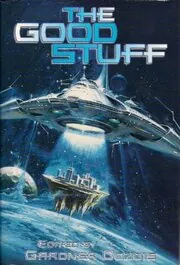
The Good Stuff
by Gordon R Dickson
2013
A later selected collection that gives a broad look at Dickson's science fiction. Expect sharp ideas, capable people under stress, and the mix of grit and curiosity that runs through his best work.
Where to start with Gordon R Dickson
If you want military science fiction: Dorsai! / The Genetic General → Soldier, Ask Not → Tactics Of Mistake
If you want portal fantasy and dragons: The Dragon and the George → The Dragon Knight → The Dragon on the Border
If you want lighter comic science fiction: Earthman's Burden → Hoka! → Hokas Pokas!
If you want strong standalones: Wolf and Iron → The Forever Man → The Outposter
Gordon R Dickson sub-series and character series
Combat Command (Gordon R Dickson) books in order
Explore this seriesCombat Command (Gordon R Dickson) books in chronological order
Dragon and the George books in order
Explore this seriesDragon and the George books in chronological order
Gordon R Dickson collections, short stories, and related book types
Childe Cycle Short Story Collections
Collections
Short Stories/Novellas
Non-Fiction
Hoka Collections
Standalone Gordon R Dickson books
Author bio
Gordon R Dickson was born in Edmonton, Alberta, on November 1, 1923. After his father died, his mother moved the family to Minneapolis in 1937, and Minnesota stayed at the center of his life from then on.
He served in the U.S. Army during World War II, then studied at the University of Minnesota, earning a bachelor's degree and continuing with graduate work there. Those postwar years mattered for another reason, too. They placed him inside a lively local science fiction circle, where he got to know Poul Anderson and began finding his way into print.
Writing started early, and it started in company.
Dickson's first published speculative story, Trespass!, appeared in 1950 and was written with Anderson. Before long he was selling his own short fiction regularly, and by the middle of the decade he had moved into novels as well. That double track never really stopped, which is why his bibliography is so broad. Military science fiction, alien contact stories, funny collaborations, children's adventures, portal fantasy, and big future-history books all sit side by side.
For many readers, the center of his work is the Childe Cycle, the long and unfinished sequence that includes Dorsai!, Soldier, Ask Not, Tactics Of Mistake, The Final Encyclopedia, and The Chantry Guild. Those books begin with mercenary action and strategy, then grow into something larger, asking what happens when humanity splinters into specialized cultures built around war, faith, and philosophy. Even when the ideas get big, Dickson keeps the story tied to people under pressure.
He also had a lighter side.
With Poul Anderson, he created the Hoka stories, comic science fiction about enthusiastic, bear-like aliens who imitate human stories and genres with chaotic results. And with The Dragon and the George, later followed by The Dragon Knight and more sequels, he opened a second major lane in his career. That series let him mix fantasy, humor, medieval adventure, and the very funny problem of a modern man waking up in the body of a dragon. The first book later helped inspire the animated film The Flight of Dragons.
His standalones show still more range. Wolf and Iron is a rough, lonely trek through a collapsing America. The Forever Man plays with war and minds that can inhabit spaceships. The Outposter and The Alien Way show how often he came back to leadership, cultural misunderstanding, and the hard work of dealing with someone truly unlike yourself.
Dickson was active in the field beyond the page, too. He served as president of the Science Fiction Writers of America from 1969 to 1971, won three Hugo Awards and a Nebula Award, and was inducted into the Science Fiction and Fantasy Hall of Fame in 2000. He lived for years with severe asthma, but kept writing through it. He died in Minneapolis on January 31, 2001.
What lasts is the range. Dickson could write mercenaries, philosophers, dragons, stubborn colonists, odd aliens, and very tired diplomats trying to keep the peace. Under all that variety, he kept circling the same question, what kind of people do we become when the world gets larger and harder than we expected?
Edited by
Software engineer whose passion for tracking book recommendations from podcasts inspired the creation of MRB.
Lead investor at 3one4 Capital whose startup expertise and love for books helped shape MRB and its growth.
Comments
Did we miss something? Have feedback?
Help us improve this page by sharing your thoughts