
Gilbert Keith Chesterton Books in Order
Explore Gilbert Keith Chesterton books in order, from Father Brown to essays and biographies, with quick summaries and tips on where to start.
Last updated: 8 new books added
As an Amazon Associate, we earn from qualifying purchases (at no extra cost to you).
Gilbert Keith Chesterton books in publication order
94 books
The Defendant
by Gilbert Keith Chesterton
1901
In these early essays, Chesterton does something wonderfully perverse: he defends the things nobody thinks need defending. Toys, idleness, penny dreadfuls, and other small pleasures become occasions for serious delight.
Robert Louis Stevenson
by Gilbert Keith Chesterton
1902
This affectionate study follows Stevenson as storyteller, traveler, stylist, and adventurer of the imagination. Chesterton especially values the joy, movement, and moral play that keep the books feeling young.

Thomas Carlyle
by Gilbert Keith Chesterton
1902
Chesterton wrestles with Carlyle as both prophet and problem. The book traces the force of Carlyle's prose and personality while also questioning the stern heroic vision that made him so influential.
Tennyson
by Gilbert Keith Chesterton
1903
A short critical portrait of Tennyson that tries to get past the official monument and back to the poet. Chesterton is interested in the tension between public grandeur and the more private, musical mind behind the verse.
Thackeray
by Gilbert Keith Chesterton
1903
Chesterton approaches Thackeray as a moral satirist with a gift for exposing vanity and pretension. The book is brief, but it offers a clear sense of both the novelist's world and the tone that makes him distinctive.
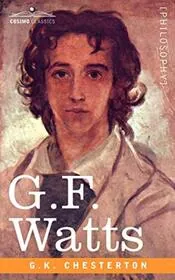
G.F. Watts
by Gilbert Keith Chesterton
1904
Chesterton's study of the painter looks at art through character as much as technique. He uses Watts's life and pictures to ask what symbolic painting can say about beauty, morality, and modern life.
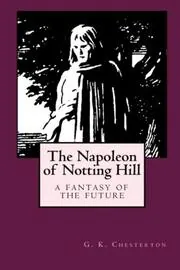
The Napoleon of Notting Hill
by Gilbert Keith Chesterton
1904
In a future London, a prankish king invents pageantry for the city's districts, and one young man takes it completely seriously. The result is a funny, romantic, and oddly moving tale of local loyalty and civic myth.
Biography for Beginners
by Gilbert Keith Chesterton
1905
A playful set of clerihews and comic biographical sketches that treats famous names with cheerful irreverence. The pieces are short, silly, and surprisingly deft, which is exactly why they last.
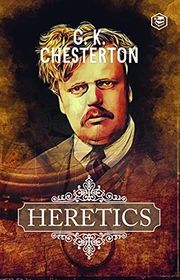
Heretics
by Gilbert Keith Chesterton
1905
This essay collection takes aim at the fashionable thinkers and slogans of Chesterton's day. He argues noisily, often hilariously, but the larger point is serious: ideas matter because they shape ordinary life.

The Club of Queer Trades
by Gilbert Keith Chesterton
1905
A retired judge and his detective brother investigate a secret society of people who invent bizarre new ways to make a living. Each story spins that premise into a comic mystery about eccentricity, enterprise, and urban adventure.
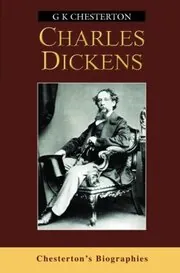
Charles Dickens
by Gilbert Keith Chesterton
1906
This lively study helped bring Dickens back into serious conversation for many readers. Chesterton treats him not just as a novelist of sentiment, but as a writer of comedy, crowds, energy, and moral imagination.
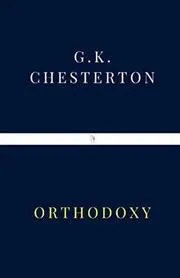
Orthodoxy
by Gilbert Keith Chesterton
1908
Part spiritual autobiography and part argument, this is Chesterton's account of how he arrived at Christian belief. He writes in leaps and paradoxes, but the heart of the book is simple: wonder, gratitude, and reason belong together.
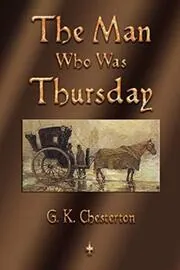
The Man Who Was Thursday
by Gilbert Keith Chesterton
1908
Poet Gabriel Syme joins the police and infiltrates an anarchist council, only to find every step stranger than the last. What begins as a spy thriller turns into a nightmare comedy about order, chaos, and identity.
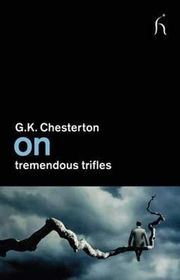
On Tremendous Trifles
by Gilbert Keith Chesterton
1909
Chesterton turns scraps of everyday life into unexpectedly large reflections. A ceiling, a pocket, a walk, or a nuisance can open into philosophy, which is exactly what makes these essays so companionable.
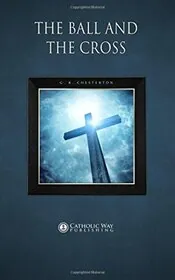
The Ball and the Cross
by Gilbert Keith Chesterton
1909
A Catholic and an atheist become locked in a quarrel so serious that the modern world finds it absurd. Their pursuit of a duel turns into a restless adventure about belief, reason, and what people think matters.
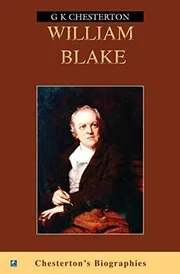
William Blake
by Gilbert Keith Chesterton
1909
Chesterton reads Blake as visionary rather than merely eccentric. The book gives a brisk life of the poet-artist, then argues hard for the sanity, imagination, and spiritual seriousness at the heart of his work.
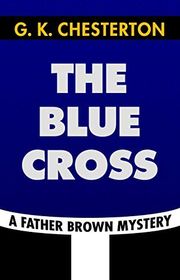
The Blue Cross
by Gilbert Keith Chesterton
1910
In Father Brown's first outing, a famous thief targets a valuable religious relic and underestimates the shabby priest carrying it. The story introduces Brown, Flambeau, and Chesterton's love of clues hidden in plain sight.
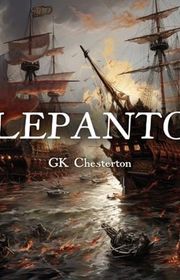
Lepanto
by Gilbert Keith Chesterton
1911
This famous poem retells the Battle of Lepanto with pounding rhythm and bright, martial imagery. It is short, intense, and written to be heard almost as much as read.

The Ballad of the White Horse
by Gilbert Keith Chesterton
1911
Chesterton retells the struggle of King Alfred against the Danes in an epic ballad full of battle, prophecy, and stubborn courage. It is historical in mood more than in detail, and driven by unforgettable rhythm.
The Innocence of Father Brown
by Gilbert Keith Chesterton
1911
The first Father Brown collection introduces Chesterton's unlikely detective, a mild priest with a sharp eye for guilt and motive. Across twelve cases, stolen jewels, impossible crimes, and human vanity all meet the same quiet intelligence.
The Invisible Man
by Gilbert Keith Chesterton
1911
A murder seems to have been committed by someone no witness ever saw enter the house. Father Brown turns that impossible setup into a sly lesson about the people we fail to notice because they seem too ordinary.
The Queer Feet
by Gilbert Keith Chesterton
1911
At an exclusive dining club, Father Brown notices strange footsteps moving between servants and gentlemen. From that tiny clue, he untangles a theft and shows how class habits can hide a criminal in full view.
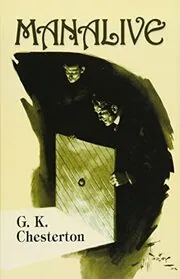
Manalive
by Gilbert Keith Chesterton
1912
When the exuberant Innocent Smith blows into a dull London household, he seems to bring joy, scandal, and possibly crime with him. Chesterton turns the chaos into a comic defense of marriage, gratitude, and being fully alive.
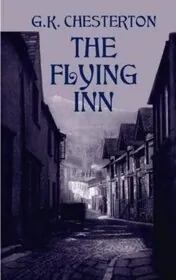
The Flying Inn
by Gilbert Keith Chesterton
1914
In a half-fantastical England gripped by absurd drink laws and political schemes, Captain Patrick Dalroy and Humphrey Pump haul a barrel of rum and an inn sign across the country. It is a wild adventure and a broad satire.

The Wild Knight and Other Poems
by Gilbert Keith Chesterton
1914
This early poetry collection moves from romance and legend to satire and reflection. It shows Chesterton finding the singing, argumentative voice that would later energize his essays and fiction.
The Wisdom of Father Brown
by Gilbert Keith Chesterton
1914
In this second collection, Father Brown faces stranger puzzles, darker motives, and returning enemies. The stories deepen his method, showing how sympathy, theology, and common sense can cut through disguises better than brute logic.
The Crimes of England
by Gilbert Keith Chesterton
1915
Written during the First World War, this polemical book argues that England helped create the dangers it later had to fight. Chesterton mixes wartime urgency with his usual refusal to flatter national myths.
Wine, Water, and Song
by Gilbert Keith Chesterton
1915
A collection of poems and songs that balances tavern cheer with seriousness about faith, freedom, and fellowship. Chesterton can be rowdy one page and devotional the next without sounding like two different writers.

A Short History of England
by Gilbert Keith Chesterton
1917
Chesterton races through English history with strong opinions and a storyteller's eye. He cares less about memorizing dates than about the long struggle between power, faith, custom, and the ordinary people of England.
Eugenics and Other Evils
by Gilbert Keith Chesterton
1922
Chesterton's attack on eugenics is fierce, lucid, and still unsettling. He argues that once the state starts treating people as breeding stock or social waste, ordinary human dignity is the first casualty.

The Ballad of St. Barbara and Other Verses
by Gilbert Keith Chesterton
1922
This later poetry collection brings together religious feeling, martial energy, and Chesterton's love of rhyme and refrain. Even the solemn pieces carry movement, and the lighter ones still have backbone.
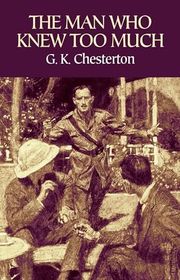
The Man Who Knew Too Much
by Gilbert Keith Chesterton
1922
These detective stories follow Horne Fisher, a well-connected observer whose knowledge of politics and human weakness makes every case more troubling. The puzzles are sharp, but the mood is sadder and more cynical than Father Brown.

The Trees of Pride
by Gilbert Keith Chesterton
1922
A country-house mystery unfolds under the shadow of an old legend about a monstrous creature in the woods. Chesterton blends gothic atmosphere, gossip, and detection until fear of the supernatural meets a very human crime.

What I Saw in America
by Gilbert Keith Chesterton
1922
These travel essays record Chesterton's visit to the United States with curiosity, amusement, and plenty of argument. He notices cities, business culture, democracy, and national habits, always comparing America with England.
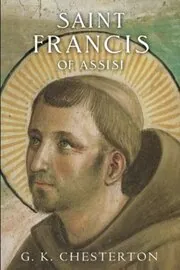
Saint Francis of Assisi
by Gilbert Keith Chesterton
1923
This is Chesterton's warm, approachable life of Francis, told with more storytelling than academic weight. He focuses on Francis as a real, joyful, disruptive human being rather than a stained-glass symbol.
The Incredulity of Father Brown
by Gilbert Keith Chesterton
1923
These later mysteries often begin with ghosts, curses, and miracles, only for Father Brown to uncover the human truth beneath them. The result is a brisk set of cases that are eerie, witty, and sharply rational.
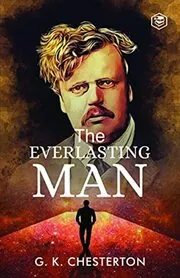
The Everlasting Man
by Gilbert Keith Chesterton
1925
Chesterton's best known apologetic work sets human history and the story of Christ against modern reductionist theories. It is argumentative but readable, asking what makes humanity, and Christianity, so hard to explain away.
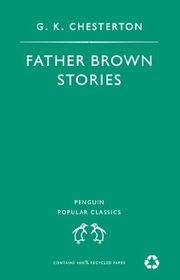
Father Brown Stories
by Gilbert Keith Chesterton
1927
A useful omnibus of Father Brown tales, this volume gathers some of Chesterton's best priest-detective cases in one place. Expect stolen relics, impossible murders, and solutions rooted in human weakness rather than gadgets.
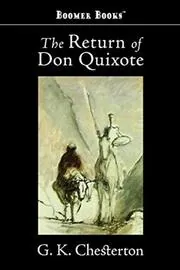
The Return of Don Quixote
by Gilbert Keith Chesterton
1927
A quiet librarian takes part in a medieval pageant and begins to see modern society through Quixote's eyes. The novel turns that comic premise into a satire on politics, class, and the hunger for a better order.
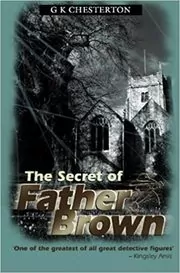
The Secret of Father Brown
by Gilbert Keith Chesterton
1927
This collection frames several mysteries around one larger question: how does Father Brown do it? As the cases unfold, Chesterton reveals more of the priest's method, which depends less on clues than on understanding temptation.

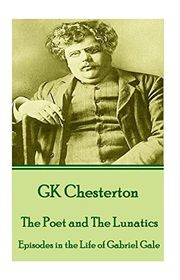
The Poet and the Lunatics
by Gilbert Keith Chesterton
1929
These linked stories follow Gabriel Gale, a poet and painter whose imagination helps him spot danger and madness in unlikely places. It feels part detective book, part fable, and part study of people coming undone.
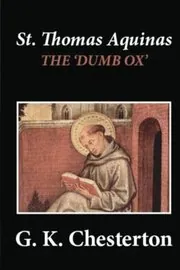
St. Thomas Aquinas
by Gilbert Keith Chesterton
1933
Chesterton wrote this as a clear, accessible portrait of a thinker many readers found intimidating. He turns Aquinas into a living mind, showing the humor, balance, and intellectual courage behind the theology.
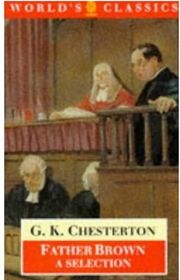
Father Brown: A Selection
by Gilbert Keith Chesterton
1935
A compact introduction to Father Brown that brings together several representative cases from across the series. It shows how Chesterton balances fair-play mystery, comedy, and a very human understanding of guilt.

Favorite Father Brown Stories
by Gilbert Keith Chesterton
1935
This sampler offers a concise way into Father Brown, choosing some of the most memorable cases from the series. It is a good place to meet Chesterton's mix of puzzle plotting, irony, and moral insight.
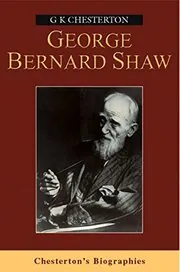
George Bernard Shaw
by Gilbert Keith Chesterton
1935
This study of Shaw is sharp, amused, and personal, shaped by real intellectual rivalry. Chesterton argues with Shaw's ideas at every turn, but the book also shows how much he enjoyed the contest.

The Best of Father Brown
by Gilbert Keith Chesterton
1935
A curated selection of the most famous Father Brown mysteries, from classic introductions to locked-room style puzzles. It works well for new readers who want the highlights before diving into the full collections.

The Puffin Father Brown Stories
by Gilbert Keith Chesterton
1935
This selection trims Father Brown to a younger-friendly sampler without losing the strange charm of the originals. The cases are clever, brisk, and full of the quiet priest's unexpected way of seeing people.
The Scandal of Father Brown
by Gilbert Keith Chesterton
1935
The final Father Brown collection has a slightly later, darker feel, with crimes tied to politics, pride, and modern anxieties. Brown remains calm at the center, quietly spotting the moral flaw that breaks each case open.

Father Brown of the Church of Rome
by Gilbert Keith Chesterton
1936
This collection emphasizes the religious detective who made Chesterton famous. The mysteries are still playful puzzles, but they also show how Brown's priestly calling shapes the way he reads every crime.

The Autobiography of G.K. Chesterton
by Gilbert Keith Chesterton
1936
Finished shortly before his death, this autobiography looks back on Chesterton's life with humor, gratitude, and argument still intact. It is less a pile of facts than a portrait of how he understood his own journey.

The Paradoxes of Mr Pond
by Gilbert Keith Chesterton
1936
An apparently ordinary civil servant keeps making absurd statements that turn out to hide very real adventures. Each story starts with a contradiction and ends as a sly detective tale about language, memory, and experience.
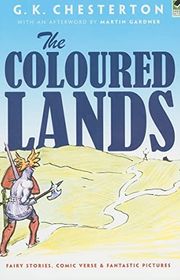
The Coloured Lands
by Gilbert Keith Chesterton
1938
This posthumous collection gathers fairy stories, comic verse, sketches, and drawings into a wonderfully odd miscellany. It feels like opening Chesterton's paintbox and notebook at the same time.
The Collected Poems of G. K. Chesterton
by Gilbert Keith Chesterton
1980
Chesterton’s poetry combines comic observation, human sympathy, and religious conviction. This collection gathers verse from several earlier volumes, including The Wild Knight and The Ballad of the White Horse, alongside further poems not separately listed.
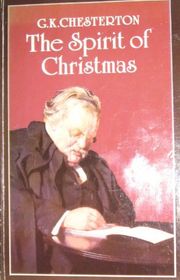
The Spirit of Christmas
by Gilbert Keith Chesterton
1984
A seasonal collection of essays, reflections, and festive pieces that shows how seriously Chesterton took joy. He writes about Christmas as both a public feast and a private revolt against dreariness.

Collected Nonsense and Light Verse
by Gilbert Keith Chesterton
1987
Chesterton’s comic verse ranges from nonsense and drinking songs to parodies, satire, ballades, and occasional poems. The collection brings together these different forms, revealing how he used playful language to question people, habits, and conventions.
The Illustrated London News, 1908-1910
by Gilbert Keith Chesterton
1987
Chesterton’s weekly columns from 1908 to 1910 are gathered into a single volume, with most appearing in book form for the first time. They preserve his responses to contemporary life across several years of journalism.
English Country House Murders
by Thomas Godfrey, Arthur Conan Doyle, Wilkie Collins, Robert Barr, Emma Orczy, R Austin Freeman, Gilbert Keith Chesterton, Agatha Christie, Dorothy L. Sayers, Ngaio Marsh, Margery Allingham, Freeman Wills Crofts, John Dickson Carr, Cecil Day-Lewis, PG Wodehouse, J. I. M. Stewart, Philip MacDonald, Ethel Lina White, Christianna Brand, Cyril Hare, Ruth Rendell, PD James & James G. Miles
1988
Edited by Thomas Godfrey, this anthology gathers classic British mystery stories set in and around country estates. The selection ranges from early detective fiction to later crime tales, with contributions from writers including Arthur Conan Doyle, Agatha Christie, Ngaio Marsh, Ruth Rendell, and P. D. James.
Collected Plays and Chesterton on Shaw
by Gilbert Keith Chesterton
1989
Chesterton’s collected plays share this volume with his writings and debates about George Bernard Shaw. Previously uncollected pieces broaden the record of a friendship sustained through sharp disagreements about politics, religion, society, and literature.
The Illustrated London News, 1917-1919
by Gilbert Keith Chesterton
1989
These 130 wartime columns examine pacifism, patriotism, socialism, democracy, and the place of ordinary people in public life. Most were previously uncollected, bringing Chesterton’s journalism from 1917 to 1919 into book form.
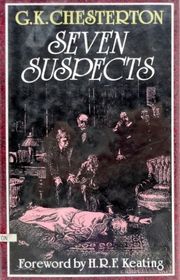
Seven Suspects
by Gilbert Keith Chesterton
1990
This later collection gathers seven rare Chesterton mysteries full of false trails, odd characters, and sudden reversals. It is a good reminder that he kept finding new ways to turn a detective setup inside out.
Short Stories, Fairy Tales, Mystery Stories, Illustrations
by Gilbert Keith Chesterton
1993
Previously unpublished and uncollected stories reveal Chesterton’s work beyond his familiar books. Forty-three stories, notebook tales, drawings, and two recovered Father Brown mysteries bring together fairy tales, comic fiction, and puzzles from across his career.
Collected Poetry, Part 1
by Gilbert Keith Chesterton
1994
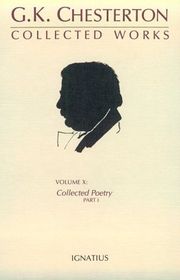
The first volume of Chesterton’s collected poetry includes verse appearing in print for the first time. Arranged by subject, the poems celebrate ordinary existence while questioning the pretensions of politicians, planners, and social reformers.
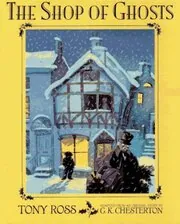
The Shop of Ghosts
by Gilbert Keith Chesterton
1995
A brief, eerie tale in which an ordinary London outing slips into something dreamlike and uncanny. Chesterton mixes childlike wonder with ghostly atmosphere, making the familiar city feel suddenly strange.
Basil Howe
by Gilbert Keith Chesterton
2001
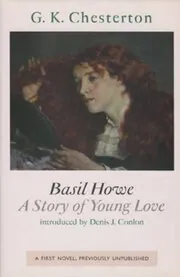
This early novel, published long after it was written, is a youthful story of love, feeling, and self-discovery. It shows Chesterton before the full public voice arrived, but the humor and emotional candor are already there.

Tales of the Long Bow
by Gilbert Keith Chesterton
2001
Chesterton's comic tall tales mock modern fads by pretending the impossible is perfectly ordinary. The stories are outrageous on purpose, and the fun lies in how straight-faced he stays while the world bends.
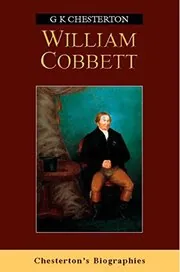
William Cobbett
by Gilbert Keith Chesterton
2001
Chesterton's portrait of Cobbett is really a study of English politics from the ground up. He treats Cobbett as a fighter for ordinary people and uses his life to talk about land, liberty, and national character.

G.K. Chesterton's Sherlock Holmes
by Gilbert Keith Chesterton
2003
This volume brings together Chesterton's connection to Holmes, including his own writing on detective fiction and his drawings of Conan Doyle's great sleuth. It is a small but fascinating meeting of two traditions.
The New Jerusalem
by Gilbert Keith Chesterton
2004
Part travel book and part meditation, this follows Chesterton's journey across Europe to Palestine. He writes about holy places, politics, and religion with the same mix of curiosity, wit, and stubborn opinion.
The Oracle of the Dog
by Gilbert Keith Chesterton
2004
When a household starts to think a dog can identify a killer, Father Brown is unimpressed by the mystical theory. He follows the ordinary facts instead and finds the trick behind the supposed revelation.
Collected Poetry, Part 2
by Gilbert Keith Chesterton
2008
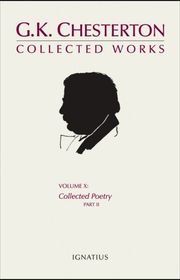
The second poetry volume gathers published and uncollected verse through 1900, including poems from Chesterton’s childhood. His own sketches accompany the collection, which also includes Greybeards at Play and his humorous clerihews.
Greybeards at Play
by Gilbert Keith Chesterton
2008
Chesterton's first published book is a tiny collection of comic poems and drawings. It is playful, whimsical, and youthful, but you can already hear the delight in nonsense that stayed with him for life.
Lord Kitchener
by Gilbert Keith Chesterton
2008
Written soon after Kitchener's death, this short biography looks at the soldier's public legend and private character. Chesterton tries to understand the man behind the imperial image, not just repeat the slogans.
The Strange Crime of John Boulnois
by Gilbert Keith Chesterton
2011
In a respectable suburban world of committees, gossip, and garden walls, one sudden act throws everything off balance. Chesterton turns jealousy and public virtue into a compact mystery with a sting.
The Wrong Shape
by Gilbert Keith Chesterton
2012
A poet is found dead beside what looks like a final message, but Father Brown sees that the whole scene has been forced into the wrong pattern. It is a neat mystery about appearances, wording, and intention.
What's Wrong with the World
by Gilbert Keith Chesterton
2015
This book collects Chesterton's social criticism on family, education, property, and modern reform movements. He is combative, but the recurring concern is simple: how do ordinary people keep a sane human life?
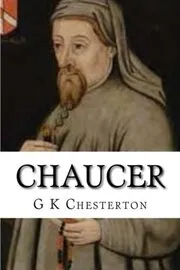
Chaucer
by Gilbert Keith Chesterton
2016
Chesterton presents Chaucer as a lively, humane poet rather than a dusty classroom monument. The book mixes literary criticism with a warm portrait of medieval England and the comic variety that runs through The Canterbury Tales.
Four Faultless Felons
by Gilbert Keith Chesterton
2016
These stories play with the idea that innocence, guilt, and respectability rarely line up neatly. Chesterton makes each case feel like a paradox, then uses the solution to question easy moral labels.
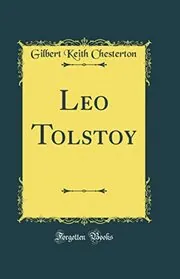
Leo Tolstoy
by Gilbert Keith Chesterton
2017
A compact study of Tolstoy's life and ideas, written with more argument than reverence. Chesterton is interested in the Russian giant as both artist and moral thinker, and he never stops pushing back where he disagrees.

The Sins of Prince Saradine
by Gilbert Keith Chesterton
2017
An old Mediterranean quarrel, a lonely island, and a supposed dead man give Father Brown one of his strangest early puzzles. The story moves like an adventure tale while quietly undoing every easy assumption.
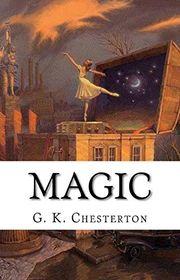
Magic
by Gilbert Keith Chesterton
2018
A mysterious conjurer unsettles a country-house circle by making everyone wonder whether he is a fraud, a genius, or something worse. Chesterton uses the stage trick as a clever way to ask what people really believe.
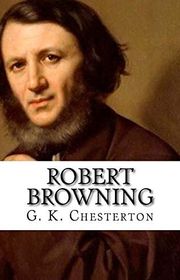
Robert Browning
by Gilbert Keith Chesterton
2018
Chesterton's early critical study of Browning is part biography, part appreciation, and part argument. He sketches the poet's life while trying to explain the energy, difficulty, and dramatic voice that make Browning worth the effort.

The Absence of Mr. Glass
by Gilbert Keith Chesterton
2018
An apparently missing man becomes the center of a country-house puzzle, and the mystery lies as much in social assumptions as in physical evidence. Father Brown solves it by asking who was never truly absent.
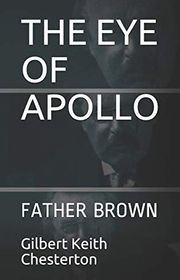
The Eye of Apollo
by Gilbert Keith Chesterton
2018
A fashionable new religious cult and a suspicious death bring Father Brown up against fake enlightenment and real danger. It is one of Chesterton's sharpest attacks on spiritual fraud dressed up as modern wisdom.
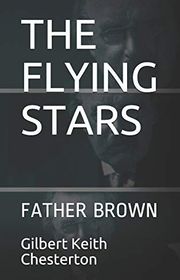
The Flying Stars
by Gilbert Keith Chesterton
2018
A Christmas party and a stolen jewel necklace set off one of Father Brown's most enjoyable chases. The case is light on gore and rich in sleight of hand, quick thinking, and Chesterton's holiday mischief.

The Honour of Israel Gow
by Gilbert Keith Chesterton
2018
A dead Scottish laird leaves behind a grave robbed of its skull and a house full of baffling objects. Father Brown looks past the eerie surface and finds a touching truth where others expected sacrilege.
The Secret Garden
by Gilbert Keith Chesterton
2018
After a fashionable dinner party, a headless corpse turns up inside a sealed garden. Father Brown cuts through the shock and ceremony to expose the one motive everyone else has politely stepped around.

The Three Tools of Death
by Gilbert Keith Chesterton
2018
A poet is discovered hanging in his garden, surrounded by absurd clues that seem to point everywhere at once. Father Brown doubts the obvious verdict and patiently works back to the motive beneath the performance.
The Hammer of God
by Gilbert Keith Chesterton
2019
A killing in a quiet village seems wrapped in piety, pride, and the shadow of the church tower. Father Brown sees how spiritual arrogance can disguise itself as holiness, and why the smallest tool may matter most.
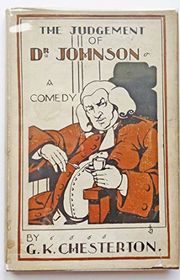
Judgement of Dr. Johnson
by Gilbert Keith Chesterton
2020
This brief dramatic piece imagines Samuel Johnson in a setting made for argument, wit, and literary self-defense. It is less a conventional play than a brisk conversation about common sense, language, and greatness.

Short Stories of To-Day and Yesterday
by Gilbert Keith Chesterton
2020
A varied gathering of Chesterton's shorter fiction, moving between mystery, satire, fantasy, and parable. Even in brief form, he likes to begin with something ordinary and end in a completely altered light.

The Man Who Was Chesterton
by Gilbert Keith Chesterton
2020
This posthumous anthology offers a broad self-portrait through essays, stories, poems, and other pieces. It is one of the easiest ways to sample the full range of Chesterton's voice in a single volume.

The Queen of Seven Swords
by Gilbert Keith Chesterton
2020
This later poetry collection leans more openly into devotion, legend, and spiritual struggle. The poems keep Chesterton's strong rhythms and clarity while giving more space to prayer, sorrow, and hope.
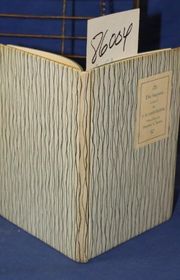
The Surprise
by Gilbert Keith Chesterton
2020
A puppet master's art slides into a play within a play, and then into a meditation on freedom, love, and creation. Chesterton turns theatrical trickery into a comedy with a strangely tender metaphysical heart.
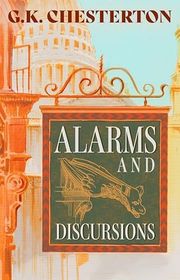
Alarms and Discursions
by Gilbert Keith Chesterton
2023
A loose, lively essay collection where Chesterton moves from politics to daily habits without warning. The pleasure is in the jump itself, and in the way even side remarks can sharpen into full arguments.
Where to start with Gilbert Keith Chesterton
If you want classic mysteries: The Innocence of Father Brown → The Wisdom of Father Brown → The Incredulity of Father Brown
If you want a strange, fast-moving novel: The Man Who Was Thursday → The Napoleon of Notting Hill
If you want Chesterton's Christian thought: Orthodoxy → The Everlasting Man → Heretics
If you want comic fantasy and satire: Manalive → The Flying Inn → The Ball and the Cross
Gilbert Keith Chesterton sub-series and character series
Gilbert Keith Chesterton collections, short stories, and related book types
Father Brown Collections
Short Stories
Plays
Short Story Collections
Picture Books
Biographies
Non-Fiction
Poetry
E.C. Bentley Collections
Standalone Gilbert Keith Chesterton books

by Thomas Godfrey, Arthur Conan Doyle, Wilkie Collins, Robert Barr, Emma Orczy, R Austin Freeman, Gilbert Keith Chesterton, Agatha Christie, Dorothy L. Sayers, Ngaio Marsh, Margery Allingham, Freeman Wills Crofts, John Dickson Carr, Cecil Day-Lewis, PG Wodehouse, J. I. M. Stewart, Philip MacDonald, Ethel Lina White, Christianna Brand, Cyril Hare, Ruth Rendell, PD James & James G. Miles
1988
Author bio
Gilbert Keith Chesterton was born on 29 May 1874 in Campden Hill, Kensington, London, and he grew up in a comfortable middle-class home that gave him room for reading, drawing, and daydreaming. From early on he liked pictures as much as words, which helps explain why even his essays often feel vivid and visual.
As a boy and young man he wandered through belief and doubt. He was baptized into the Church of England, grew up around loosely Unitarian practice, became fascinated for a time by the occult, and later wrote that by his teens he had turned agnostic. That long detour matters, because so much of his writing sounds like a man arguing his way back toward wonder.
He went to St Paul's School and then to the Slade School of Art, hoping to become an illustrator. He never took a degree, but the art training stayed with him. In the 1890s he worked for publishers in London and started reviewing books and art as a freelancer, and by 1902 he had a weekly newspaper column. He would go on to write for decades, at a pace that still looks slightly impossible.
He wrote as if every ordinary thing in the world had just been discovered.
Readers usually meet Chesterton through one of three doors. There is The Man Who Was Thursday, a strange spy story that starts like a thriller and turns into something dreamlike. There are the Father Brown stories, where a small priest solves crimes by understanding sin, fear, vanity, and self-deception better than anyone around him. And there is Orthodoxy, the book in which he explains, in his own winding and funny way, why Christian belief made sense to him.
But he was much broader than that. The Napoleon of Notting Hill and Manalive show his love of comic fantasy and his suspicion of modern boredom. The Everlasting Man lays out his Christian view of history. His studies of Charles Dickens, Robert Browning, William Blake, and St. Thomas Aquinas show how much he enjoyed arguing with other minds while still writing for ordinary readers.
He liked debate, and he was good at it.
Chesterton sparred in public and print with figures such as George Bernard Shaw, H. G. Wells, Bertrand Russell, and Clarence Darrow, usually with more laughter than malice. In 1901 he married Frances Blogg, whom he later credited with helping lead him back toward Anglican belief, and in 1922 he entered full communion with the Catholic Church. That step shaped much of his later work, but it did not turn him into a dry writer. He stayed playful, punchy, and fond of paradox.
He spent his later years in Beaconsfield, kept writing columns, books, poems, and plays, and built a body of work that ran to around 80 books, hundreds of poems, some 200 stories, and thousands of essays. He died there on 14 June 1936. What keeps readers coming back is not just the wit. It is the feeling that Chesterton can look at a lamp-post, a pub sign, a saint, or a murder case and make it seem freshly strange, and then oddly familiar again.






Edited by
Software engineer whose passion for tracking book recommendations from podcasts inspired the creation of MRB.
Lead investor at 3one4 Capital whose startup expertise and love for books helped shape MRB and its growth.
Comments
Did we miss something? Have feedback?
Help us improve this page by sharing your thoughts