
Georgian Queens Books in Order
Part ofLaura Purcell Books in OrderSee the Georgian Queens books by Laura Purcell in order, with quick summaries, series background, reading order, and help choosing where to start.
Last updated:
As an Amazon Associate, we earn from qualifying purchases (at no extra cost to you).
Georgian Queens books in publication order
2 books

Queen of Bedlam
by Laura Purcell
2012
In 1788, Queen Charlotte must hold her family and the crown together as George III's madness worsens. Through Charlotte and her daughters, the novel shows how royal duty, frustrated hopes, and public scandal can turn a palace into a prison.
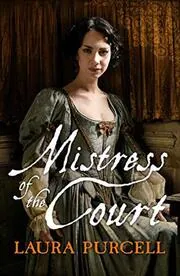
Mistress of the Court
by Laura Purcell
2015
Orphaned and trapped in a brutal marriage, Henrietta Howard risks everything on a new life with the Hanoverian court. There she is drawn into Princess Caroline's world, where ambition, desire, and family feuds make every friendship dangerous.
Georgian Queens books in chronological order
Series background & context
The Georgian Queens books show Laura Purcell before the full gothic turn of her later work, but many of her favourite concerns are already here. These novels are set around the Hanoverian court and built from real figures, yet they read less like textbook history and more like close-up stories about women trying to live, love, and hold on to some control inside a rigid system.
The series opens with God Save the King, later reissued as Queen of Bedlam. Set in 1788, it follows Queen Charlotte as George III's illness deepens, while their daughters, especially Princess Charlotte, known as Royal, and Sophia, watch their own futures narrow. What should be the most privileged household in the country starts to feel like a family prison, with royal duty and public scrutiny pressing in from every side.
Mistress of the Court moves to an earlier stretch of the dynasty and shifts the focus to Henrietta Howard. Orphaned and trapped in an abusive marriage, she stakes everything on a place in the Hanoverian household in Germany, where she becomes close to Princess Caroline and entangled with Prince George. The stakes here are not supernatural, but they are still sharp. Security depends on favour. Friendship can turn political. A wrong choice can follow a woman for years.
These are court stories, but they are not fairy tales.
What links the books is Purcell's interest in the gap between rank and freedom. Her queens, princesses, and court women live in splendid rooms, yet they have little privacy and even less room to move. Marriage is political, motherhood is public, and reputation is always fragile. The wider world matters too, wars, unrest, succession anxieties, and Jacobite tension, but Purcell is usually most interested in how those large events land inside families and drawing rooms.
The setting does a lot of work. Palaces, carriages, reception rooms, and long ceremonial routines are written with enough detail to feel real, but Purcell never lets the glitter hide the discomfort. These books are full of cold corridors, awkward silences, whispered alliances, and the slow pressure of households where everyone is watching everyone else. If you know her later gothic fiction, you can already see the seeds of it here, especially in the claustrophobia and the attention to women who seem powerful on the surface but are stuck underneath.
That makes Georgian Queens a good place to start if you want Laura Purcell without the ghosts. The books connect by era, mood, and subject more than by one continuous plot, so they work well as standalones. Read together, though, they build a strong picture of Georgian womanhood under the crown, elegant on the surface, tense underneath, and shaped at every turn by duty, desire, and survival.









Edited by
Software engineer whose passion for tracking book recommendations from podcasts inspired the creation of MRB.
Lead investor at 3one4 Capital whose startup expertise and love for books helped shape MRB and its growth.
Comments
Did we miss something? Have feedback?
Help us improve this page by sharing your thoughts