
Fritz Leiber Books in Order
Browse Fritz Leiber books in order, with quick summaries for his fantasy, horror, and science fiction, plus series notes and where to start.
Last updated:
As an Amazon Associate, we earn from qualifying purchases (at no extra cost to you).
Fritz Leiber books in publication order
84 books

Conjure Wife
by Fritz Leiber
1943
A college professor learns that his wife practices witchcraft, and that she may have been protecting him from a world full of similar hidden power. Domestic life and academic politics become a superbly nasty supernatural trap.

Gather, Darkness!
by Fritz Leiber
1943
In a far future ruled by a theocracy that disguises science as miracle, rebellion takes on the look of black magic. It is part dystopia, part anti-clerical thriller, and still feels brisk.

Destiny Times Three
by Fritz Leiber
1945
A Probability Engine opens the way to alternate worlds, and suddenly history is no longer singular or safe. Leiber uses the setup for a brainy, fast-moving novel about branching realities and looming conflict.

Night's Black Agents
by Fritz Leiber
1947
Leiber's first major collection gathers fantasy and horror stories, including some of his most important weird fiction. It is the place to see his early urban dread and supernatural bite.

Coming Attraction
by Fritz Leiber
1950
In a damaged future America obsessed with masks, style, and violence, a drifter meets a woman trying to escape a brutal fate. It is short, sharp, and eerily modern in its social satire.

The Sinful Ones
by Fritz Leiber
1950
Carr Mackey discovers that most people around him move through life like automatons, while a hidden few are fully awake and often dangerous. It turns paranoia, romance, and reality slippage into a tense science fiction nightmare.

A Pail of Air
by Fritz Leiber
1951
After Earth is torn from the Sun and the air freezes, a family fights to stay alive in the dark and cold. The story is told simply, which makes the catastrophe feel even larger.

The Moon Is Green
by Fritz Leiber
1952
This postwar science fiction story keeps its focus close to home, where survival, denial, and hope live side by side under a poisoned sky. The domestic scale only makes the dread stronger.

Night Monsters
by Fritz Leiber
1953
A dark collection of Leiber stories that leans toward horror and the uncanny. Expect menace, city shadows, and the kind of strange idea he could land in a few pages.

The Green Millennium
by Fritz Leiber
1953
Phil Gish's dreary life changes when a mysterious green cat named Lucky walks into it. What follows is a funny, odd, and quietly satirical future adventure with more danger than its opening suggests.

What's He Doing in There?
by Fritz Leiber
1957
Earth's first Martian visitor politely asks for the bathroom, then stays in there far too long. Leiber turns that simple joke into a wonderfully tense and silly first-contact comedy.

Bread Overhead
by Fritz Leiber
1958
A small everyday problem with food turns into comic science fiction chaos. Leiber uses the setup to poke fun at technology, habits, and how badly ordinary people adapt to change.
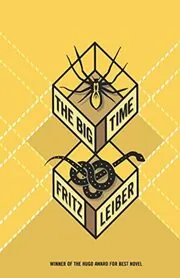
The Big Time
by Fritz Leiber
1958
Most of this time-war classic unfolds in a single offstage refuge where soldiers and staff from many eras wait, gossip, and panic. The result is tight, theatrical science fiction with huge implications.

The Night of the Long Knives
by Fritz Leiber
1960
In a blasted future America, a scavenger and a mysterious girl circle each other through fear, attraction, and the urge to kill first. It is lean post-apocalyptic fiction with a mean streak.

The Big Time / The Mind Spider and Other Stories
by Fritz Leiber
1961
This volume pairs Leiber's best-known time-war novella with additional shorter fiction. It is a good sampler if you want both the major Change War work and a wider spread of his ideas.
The Silver Eggheads
by Fritz Leiber
1961
In a future where books are manufactured and authors can be replaced, publishing becomes a target for satire. Leiber has a lot of fun with robot writers, literary vanity, and commercial absurdity.

Shadows With Eyes
by Fritz Leiber
1962
A collection of eerie Leiber tales where ordinary spaces hide watching things, bad decisions, and supernatural pressure. It is a strong fit for readers who like their weird fiction lean and moody.

The Creature from Cleveland Depths
by Fritz Leiber
1962
A sardonic science fiction novella about advertising, gadgets, and social pressure, as one man gets caught in a world that seems engineered to think for him. Leiber keeps it funny and uneasy at once.

The Unholy Grail
by Fritz Leiber
1962
This Gray Mouser origin story follows a young apprentice from scholarship into revenge, swordplay, and darker company. It is short, vivid, and essential if you want the pair's backstory.

No Great Magic
by Fritz Leiber
1963
A theater-centered science fiction story where rehearsal, memory, and history start bleeding together. Leiber turns backstage confusion into something funny, strange, and quietly uncanny.

Ships to the Stars
by Fritz Leiber
1964
This volume gathers spacefaring and speculative stories that show Leiber's science fiction range. Even at his most cosmic, he stays interested in human nerves, vanity, and improvisation.

The Wanderer
by Fritz Leiber
1964
A rogue planet appears near the Moon and throws Earth into chaos. Leiber handles the cosmic disaster on a grand scale, but never loses sight of frightened people trying to survive it.

The Night of the Wolf
by Fritz Leiber
1966
A collection of fantasy and horror stories with a darker, more predatory mood than the title suggests. Leiber gives the book menace, movement, and a steady undertow of strangeness.

Gonna Roll the Bones
by Fritz Leiber
1967
A swaggering gambler heads into a nightmarish game and ends up throwing dice against Death itself. The story is dark, folkloric, and unforgettable in just a few pages.

A Specter Is Haunting Texas
by Fritz Leiber
1968
A long-limbed actor from an orbital society heads to a grotesquely enlarged future Texas and gets caught up in revolution. Leiber turns the setup into broad satire with a very sharp bite.
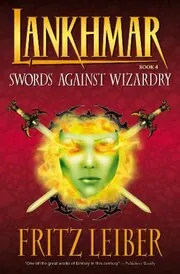
Swords Against Wizardry
by Fritz Leiber
1968
This collection leans into the series' magical side, with dangerous errands, weird towers, and trouble arranged by wizards who never tell the whole truth. The friendship stays at the center.
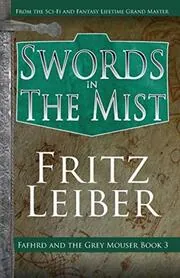
Swords in the Mist
by Fritz Leiber
1968
Hard times split Fafhrd and the Gray Mouser apart, then throw them back together for voyages, curses, and dangerous bargains. The mood is a little sadder here, but the adventure stays sharp.

The Secret Songs
by Fritz Leiber
1968
This collection moves through fantasy, horror, and speculative strangeness with Leiber's usual feel for mood and human weakness. It is more about atmosphere than one single showcase story.
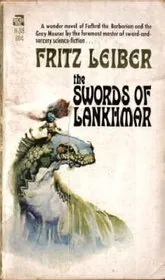
The Swords of Lankhmar
by Fritz Leiber
1968
When the two rogues tangle with forces beneath Lankhmar, they uncover a rat-led threat that could overrun the city. It is one of Leiber's fullest, funniest, and strangest single adventures.
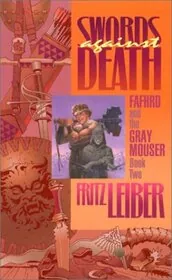
Swords Against Death
by Fritz Leiber
1970
Fresh from their fateful meeting, Fafhrd and the Gray Mouser drift into theft, sorcery, monsters, and shipboard danger. It is one of the core collections that defines the pair's swaggering, melancholy style.

Swords and Deviltry
by Fritz Leiber
1970
This is the origin book for Fafhrd and the Gray Mouser. Leiber follows their separate youths, their first meeting in Lankhmar, and the loss that binds them together.

The Best of Fritz Leiber
by Fritz Leiber
1974
A career-spanning selection of Leiber essentials, from classic horror to major science fiction and fantasy. If you want one volume that shows why readers keep coming back to him, this is a smart choice.

The Book of Fritz Leiber
by Fritz Leiber
1974
This book mixes ten stories with related essays and commentary, giving you both Leiber's fiction and the way he thought about it. It is unusually personal without losing the fun.

The Second Book of Fritz Leiber
by Fritz Leiber
1975
A varied collection of Leiber's shorter work, moving between fantasy, horror, science fiction, and reflection on the field. It is a strong book for readers who want range rather than one mode.

The Worlds of Fritz Leiber
by Fritz Leiber
1976
This collection lives up to its title by ranging across Leiber's different modes, from sly science fiction to darker fantasy and horror. It works well as a broad introduction.

Our Lady of Darkness
by Fritz Leiber
1977
In 1970s San Francisco, recovering writer Franz Westen finds himself pulled into an occult mystery tied to cities, geometry, and a dangerous old book. It is eerie, personal, and deeply rooted in place.
Rime Isle
by Fritz Leiber
1977
This late Lankhmar volume sends Fafhrd and the Gray Mouser into colder, stranger territory. The adventures have the familiar wit and danger, but with an older, more reflective edge.
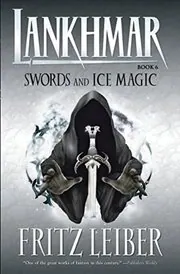
Swords and Ice Magic
by Fritz Leiber
1977
A varied Lankhmar collection that sends Fafhrd and the Gray Mouser through cursed streets, sea-haunted danger, and magical schemes where wit matters as much as steel.

Heroes and Horrors
by Fritz Leiber
1978
This collection leans into fantasy and horror, including Fafhrd and Gray Mouser material alongside darker standalone pieces. It shows how easily Leiber could move from adventure to unease.

Ervool
by Fritz Leiber
1980
A compact fantasy fable about innocence, danger, and the strange logic of magic. It is small in scale, but it has the odd dreamlike pressure Leiber could do so well.

Ship of Shadows
by Fritz Leiber
1982
This collection ranges from time war to horror and fantasy, anchored by the eerie title piece. It is a good snapshot of Leiber when he is most unpredictable and least interested in staying in one lane.

The Mystery of the Japanese Clock
by Fritz Leiber
1982
Leiber turns to Sherlock Holmes here, building a neat period mystery around an impossible clockwork puzzle. It is a clever pastiche that enjoys both the problem and the atmosphere.
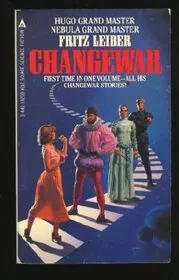
Changewar
by Fritz Leiber
1983
This linked collection gathers Leiber's Change War stories, where the Snakes and Spiders rewrite history itself. Time travel here feels unstable, personal, and more unsettling than triumphant.

Bazaar of the Bizarre
by Fritz Leiber
1984
This Lankhmar collection gathers Fafhrd and the Gray Mouser stories shaped by temptation, glamour, and magical traps. The title tale alone tells you a lot about Leiber's taste for cursed desire.

The Ghost Light
by Fritz Leiber
1984
A substantial collection of stories and novelettes, plus a long autobiographical essay by Leiber himself. It is one of the better books for readers who want the fiction and the man beside it.

The Knight and Knave of Swords
by Fritz Leiber
1988
These late Lankhmar tales follow older, wearier versions of Fafhrd and the Gray Mouser as old desires, strange magic, and one more round of trouble pull them back into adventure.

No Truce with Kings & Ship of Shadows
by Fritz Leiber
1989
This paired volume brings together two award-winning novellas: a future civil war in No Truce with Kings, and Leiber's eerie Ship of Shadows. It is a compact double dose of tense, idea-rich speculative fiction.
Ill Met in Lankhmar
by Fritz Leiber
1990
This novella tells the first meeting of Fafhrd and the Gray Mouser, along with the night's joy, theft, and tragedy that forges their bond. It is one of the defining stories of sword and sorcery.

The Leiber Chronicles: Fifty Years of Fritz Leiber
by Fritz Leiber
1990
A retrospective volume built around Leiber's long career, gathering fiction and appreciation in one place. It is best for readers who want a wider look at his influence and legacy.

Dark Ladies
by Fritz Leiber
1991
This omnibus pairs Conjure Wife with Our Lady of Darkness, two of Leiber's strongest supernatural novels. Read together, they show how his horror moved from domestic threat to urban occult dread.
The Circle Curse/The Howling Tower
by Fritz Leiber
1991
This graphic volume adapts two classic Lankhmar tales, pairing curses, cliffside danger, and sharp-tongued heroics with bold fantasy art. It is a quick, visual gateway into Leiber's rogues.

Gummitch and Friends
by Fritz Leiber
1992
A cat-centered collection full of wit, affection, and Leiber's delight in giving animals far more inner life than humans expect. It is playful, but never merely cute.

Kreativity for Kats and Other Feline Fantasies
by Fritz Leiber
1992
Leiber's love of cats gets the spotlight in this feline-themed collection. Expect humor, fantasy, and a sense that cats may already understand worlds people only stumble into.

Swords Against the Shadowlands
by Fritz Leiber
1994
Fafhrd and the Gray Mouser reluctantly return to Lankhmar, where a sorcerer's curse has unleashed a devastating plague. Visions of their dead lovers accompany the adventure, forcing the companions to confront old grief while opposing the wizard Malygris.

The Dealings of Daniel Kesserich
by Fritz Leiber
1996
Writer George Kramer returns to a California town gripped by hysteria and finds his old friends missing, a grave disturbed, and a time experiment at the center of it all. It mixes pulp horror with slippery science fiction.

The Black Gondolier
by Fritz Leiber
1998
An oil-soaked horror story in which obsession, industry, and a sinister seaman slide together into something deeply unhealthy. It is one of Leiber's grimiest and most memorable weird tales.

Selected Stories
by Fritz Leiber
2001
A modern career-spanning selection that shows how easily Leiber moved among horror, fantasy, and science fiction. It is one of the best one-book ways to meet his shorter work.

Day Dark, Night Bright
by Fritz Leiber
2002
A wide-ranging collection of Leiber stories that moves from fantasy to horror to science fiction without strain. The pleasures here are variety, tone, and the number of strange ideas packed in.

Smoke Ghost
by Fritz Leiber
2002
A man is haunted by a ghost born not from castles or graveyards, but from soot, smoke, and the city's industrial filth. It is a landmark piece of modern urban horror.

Smoke Ghost & Other Apparitions
by Fritz Leiber
2002
This horror collection centers on one of Leiber's signature urban nightmares and surrounds it with related uncanny tales. It is a strong entry point if you want the weird side first.

Horrible Imaginings
by Fritz Leiber
2004
A collection of horror and weird tales led by the deeply unsettling title novella. It shows Leiber at his most intimate and unnerving, where fear grows out of the mind as much as the supernatural.
Fritz Leiber's Fafhrd and the Gray Mouser
by Fritz Leiber
2007
Howard Chaykin and Mike Mignola adapt Leiber's famous duo into a moody comic adventure full of alleys, sorcery, and dirty old cities. It keeps the wit and danger of the originals intact.

The Creature from Cleveland Depths and Other Tales
by Fritz Leiber
2007
This collection gathers the satirical title novella with other short Leiber pieces, blending science fiction comedy with sharper social unease. It is a lively sample of his lighter touch.

Poor Superman and Others
by Fritz Leiber
2009
A collection of short fiction that leans into Leiber's satirical and speculative side. Expect odd premises, human vanity, and a willingness to poke holes in heroic certainty.

Strange Wonders
by Fritz Leiber
2010
This volume gathers rare early Leiber work, including stories from before his first professional breakthrough. It is especially interesting if you want to watch the writer taking shape.

Horror Gems, Vol. Two
by Fritz Leiber
2011
A small horror volume showcasing Leiber's talent for atmosphere, dread, and the nasty turn of the final image. Best for readers who want a quick sample rather than a full collection.

Mariana
by Fritz Leiber
2011
A quiet, haunting Leiber story where longing and memory open onto a subtle science fictional turn. It is gentle on the surface and stranger underneath.

Science Fiction Collection 001
by Fritz Leiber
2011
A digital-era sampler of Leiber science fiction, useful for readers who want a quick run through his shorter speculative work. The appeal is variety and accessibility.

Science Fiction Collection 002
by Fritz Leiber
2011
Another compact sampler of Leiber's science fiction, gathering shorter work in a convenient omnibus form. It works best for browsing across ideas rather than following one series.

The Dead Man
by Fritz Leiber
2011
This grim short horror piece circles guilt, mortality, and the fear that death may not end a presence as neatly as the living would like. It is compact and nasty in the best way.

The Last Letter
by Fritz Leiber
2011
A brief, unsettling tale in which an apparently ordinary message opens onto loss, dread, and something stranger. Leiber lets the unease arrive quietly, then stay.

The Lords of Quarmall / The Beacon to Elsewhere
by Fritz Leiber
2011
This paired fantasy volume offers subterranean scheming, strange power, and a taste of Leiber outside his best-known books. The first half is especially good if you like dark, crooked fantasy politics.

The Night of the Long Knives and Other Works
by Fritz Leiber
2011
Anchored by Leiber's bleak post-apocalyptic novella, this collection adds more shorter work around it. It is a solid choice if you want the harsher, more stripped-down side of his fiction.

Hatchery of Dreams
by Fritz Leiber
2012
A collection shaped by Leiber's fondness for dreams, unstable reality, and the moment the ordinary tilts into the uncanny. It is more about mood and surprise than one flagship story.

Snakes & Spiders
by Fritz Leiber
2012
This omnibus gathers all of Leiber's Change War fiction in one place. If you want the full sweep of the Snakes versus Spiders conflict, this is the most direct route.

The Moon Is Green and Other Tales
by Fritz Leiber
2013
This collection gathers the title story with more Leiber tales of disaster, irony, and human stubbornness. It is a good fit if you prefer his shorter science fiction and darker social satire.

Claws from the Night
by Fritz Leiber
2014
A dark tale of pursuit and nocturnal menace, built on the feeling that something hungry is just outside the light. Leiber keeps the pressure tight and the atmosphere thick.

The Frost Monstreme
by Fritz Leiber
2014
A late Fafhrd and Gray Mouser adventure built around rumor, cold-country danger, and a monster that may be more complicated than it first appears. Short, odd, and very Lankhmar.

A Hitch in Space and Other Tales
by Fritz Leiber
2016
This collection leans into Leiber's science fictional side, with space travel, dislocation, and sly twists never far away. The stories are brisk, clever, and rarely too comfortable.

Bullet with His Name and Other Tales
by Fritz Leiber
2016
A mixed collection of shorter Leiber pieces, with danger, irony, and speculative turns arriving fast. It is a handy pick if you enjoy his pulpy, economical storytelling.

Fritz Leiber
by Fritz Leiber
2016
A broad sampler of Leiber's work, useful for readers who want a quick taste of his horror, fantasy, and science fiction in one place. Think of it as a doorway rather than a final stop.

Nice Girl with 5 Husbands
by Fritz Leiber
2016
A wandering man stumbles into a hidden desert community and meets a young woman whose household makes ordinary ideas about marriage and identity useless. It is playful science fiction with a sly edge.

Yesterday House
by Fritz Leiber
2016
A deceptively calm story about a house touched by the past, where familiar rooms begin to feel unstable. Leiber builds the unease a little at a time instead of rushing it.

The Science Fiction Archive #2
by Fritz Leiber
2018
A compact archival sampler of Leiber science fiction, built for readers who want to dip into shorter work and older magazine-era ideas. The fun is in the range and the speed.
Where to start with Fritz Leiber
If you want classic sword and sorcery: Swords and Deviltry → Swords Against Death → The Swords of Lankhmar
If you want eerie supernatural fiction: Conjure Wife → Our Lady of Darkness
If you want big-idea science fiction: The Big Time → The Wanderer → Gather, Darkness!
If you want a career-spanning sampler: Night's Black Agents → The Best of Fritz Leiber → Selected Stories
Fritz Leiber sub-series and character series
Fafhrd and the Gray Mouser books in order
Explore this seriesFafhrd and the Gray Mouser books in chronological order
Fafhrd and the Gray Mouser Graphic Novels books in order
Explore this series

The Circle Curse/The Howling Tower
by Fritz Leiber
1991Fafhrd and the Gray Mouser Graphic Novels, Book 2
Fritz Leiber's Fafhrd and the Gray Mouser
by Fritz Leiber
2007Fafhrd and the Gray Mouser Graphic Novels, Book 3
Fafhrd and the Gray Mouser Graphic Novels books in chronological order
The Circle Curse/The Howling Tower
by Fritz Leiber
1991Fafhrd and the Gray Mouser Graphic Novels, Book 2Fritz Leiber's Fafhrd and the Gray Mouser
by Fritz Leiber
2007Fafhrd and the Gray Mouser Graphic Novels, Book 3
Fritz Leiber collections, short stories, and related book types
Short Stories/Novellas
Short Story Collections
Standalone Fritz Leiber books
Author bio
Fritz Leiber was born in Chicago on December 24, 1910, and he grew up with the theater all around him. His father and mother were professional actors, and as a teenager he toured with their Shakespeare company. That sense of performance stayed with him for the rest of his life. You can feel it in his dialogue, his timing, and the way even quiet scenes seem ready for a spotlight.
The stage never really left him.
He studied at the University of Chicago, spent time preparing for the ministry at General Theological Seminary in New York, and also tried acting himself, sometimes under the stage name Francis Lathrop. For a while, writing was only one part of a crowded life. He took small film roles, kept reading widely, and worked his way through a period when a stable future probably looked easier to imagine than a writer's career.
A key turn came in 1936, when he began corresponding with H. P. Lovecraft. Lovecraft encouraged him, and not long after that Leiber made his first professional sale. The story was Two Sought Adventure, published in 1939, and it introduced Fafhrd and the Gray Mouser, the mismatched adventurers who would become his best-known creation. Working from ideas he had developed with his friend Harry Otto Fischer, Leiber helped shape the kind of fantasy later called sword and sorcery, and he even helped give it that name.
His writing life grew alongside a very ordinary working life. He married Jonquil Stephens in 1936, and they had one son, Justin. To support his family, Leiber worked as an encyclopedia staff writer, taught speech and drama at Occidental College, inspected aircraft parts during World War II, and later served as an associate editor at Science Digest. All the while, he kept writing fiction. By the late 1950s, he was able to live as a full-time author.
He could move easily between genres, but he rarely sounded like he was switching costumes.
Readers who come to him through fantasy usually stay for the range. Conjure Wife turns college politics and marriage into a sharp supernatural thriller. Gather, Darkness! imagines a future theocracy using science dressed up as religion and miracle. The Big Time takes a sprawling time war and stages much of it in one enclosed, pressure-cooker setting. The Wanderer goes bigger, bringing cosmic disaster close to Earth while keeping its eye on frightened, stubbornly human people.
His later work often feels more personal. After Jonquil's death in 1969, Leiber moved permanently to San Francisco, struggled for years with alcoholism, and slowly rebuilt his life. That experience fed into Our Lady of Darkness, one of his most intimate and unsettling books, in which grief, the modern city, and occult fear all press against each other. He also kept returning to recurring interests that gave his fiction its particular flavor: city streets, theater people, con artists, lonely outsiders, and cats.
He kept changing.
The field honored him in plain, concrete ways. He won Hugo Awards for The Big Time and The Wanderer, later became a Grand Master of science fiction and fantasy, and also received lifetime recognition in horror. But the best reason to read him is still on the page. His stories are sly, moody, funny, and strange without trying too hard to prove any of that.
In his final years he remained a beloved elder figure in the genre world, living modestly and writing when he could. He married journalist and poet Margo Skinner in 1992 and died that same year after a stroke. New readers still find him because his work does not sit neatly in one box. It slips between fantasy, horror, and science fiction, and usually brings something human with it.




Edited by
Software engineer whose passion for tracking book recommendations from podcasts inspired the creation of MRB.
Lead investor at 3one4 Capital whose startup expertise and love for books helped shape MRB and its growth.
Comments
Did we miss something? Have feedback?
Help us improve this page by sharing your thoughts