
Freeman Wills Crofts Books in Order
Browse all Freeman Wills Crofts books in order, from Inspector French novels to standalones, with short summaries, reading order help, and easy starting points.
Last updated:
As an Amazon Associate, we earn from qualifying purchases (at no extra cost to you).
Freeman Wills Crofts books in publication order
37 books
The Cask
by Freeman Wills Crofts
1920
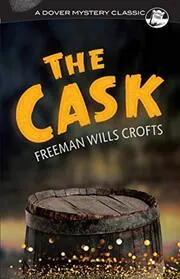
A damaged cask at the London docks reveals the body of a murdered woman hidden inside. Crofts’s debut follows the investigation through shipping records, alibis, and journeys between London, Paris, and beyond.
The Ponson Case
by Freeman Wills Crofts
1921
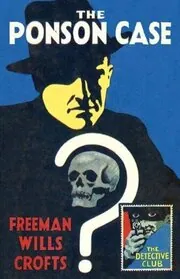
When Sir William Ponson’s body is found in the Cranshaw River near Luce Manor, everyone wants to believe it was an accident. Inspector Tanner is not so sure, and family secrets soon turn the country-house case much uglier.
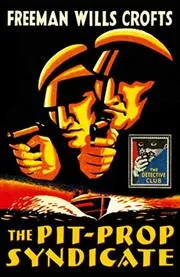
The Pit-Prop Syndicate
by Freeman Wills Crofts
1922
A vessel supposedly carrying pit props is really being used for smuggling, and the secret leads straight to murder in a London taxi. Inspector Willis has to work through shipping cover stories and a criminal scheme spreading across borders.
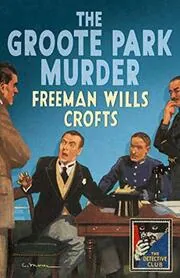
The Groote Park Murder
by Freeman Wills Crofts
1923
A body found in a South African railway tunnel seems at first to point to accident. Then a strikingly similar death in the Scottish Highlands suggests a much darker pattern hiding behind both cases.
Inspector French’s Greatest Case
by Freeman Wills Crofts
1924
A clerk is found dead after a diamond merchant’s safe is robbed in Hatton Garden, and Inspector French gets his first major case. The hunt sends him across England and Europe in pursuit of disguise, stolen gems, and one last shock.
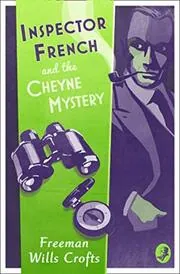
Inspector French and the Cheyne Mystery
by Freeman Wills Crofts
1926
Maxwell Cheyne is drugged in a Plymouth hotel, then later lured onto a ship by people desperate to recover an old letter. When the threats escalate to kidnapping and attempted murder, Inspector French takes up the chase.
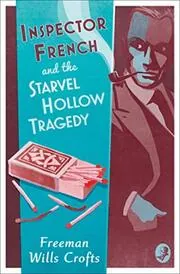
Inspector French and the Starvel Hollow Tragedy
by Freeman Wills Crofts
1927
A Yorkshire house fire kills three people and at first looks like a terrible accident. Inspector French soon finds arson, murder, and even body snatching woven together in a case that keeps changing shape.
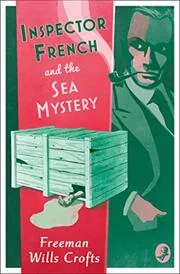
Inspector French and the Sea Mystery
by Freeman Wills Crofts
1928
A fisherman on the South Wales coast discovers a crate containing a battered corpse, and the sea refuses to give up its secrets easily. French uses tides, routes, and patient legwork to trace the case back to Devon.
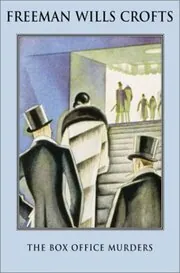
The Box Office Murders
by Freeman Wills Crofts
1929
When several cinema box office cashiers die in suspicious circumstances, French is pulled into a nasty case with little obvious logic behind it. The pattern suggests a larger scheme, but finding the motive is the hardest part.
Inspector French and Sir John Magill’s Last Journey
by Freeman Wills Crofts
1930
Sir John Magill disappears after setting out on a journey tied to a promising new textile idea for the Irish linen trade. French follows trains, boats, and false assumptions to prove that Magill’s last trip was a murder plot from the start.
Mystery in the Channel
by Freeman Wills Crofts
1931
A cross-Channel ferry finds a drifting yacht with two shot men aboard, and the dead turn out to be directors of a collapsing City firm. French must untangle financial panic, vanished associates, diamonds, and a killer with a strong alibi.
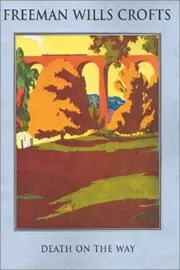
Death on the Way
by Freeman Wills Crofts
1932
A young engineer is run over during railway works on the Dorset coast, and the death is first treated as an accident. French quickly finds fraud beneath the surface, then discovers the cover-up has claimed more than one victim.
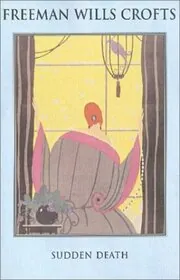
Sudden Death
by Freeman Wills Crofts
1932
Out-of-work Anne Day lands a comfortable housekeeping post in Kent, but the household’s calm is badly misleading. When death strikes and the obvious suspect is arrested, Anne and Inspector French begin to think the real danger is still inside the house.
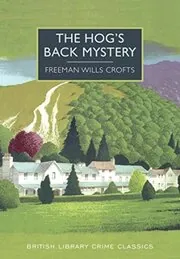
The Hog's Back Mystery
by Freeman Wills Crofts
1933
At a lonely Surrey cottage, Dr. James Earle seems to vanish from his own study without a trace. Inspector French follows the disappearance into a case of shifting loyalties, more vanishings, and multiple murders.
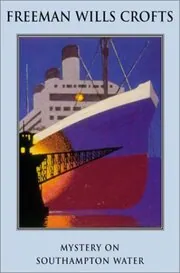
Mystery on Southampton Water
by Freeman Wills Crofts
1934
Two men steal a rival cement formula and accidentally kill the night watchman who catches them in the act. They think their alibis are secure, until blackmail and a fatal explosion on Southampton Water bring French into the case.
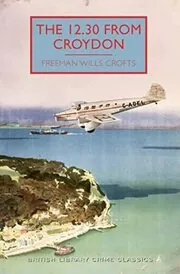
The 12.30 from Croydon
by Freeman Wills Crofts
1934
Charles Swinburn thinks killing his wealthy uncle will save his business and clear the way to the life he wants. Then the death happens on the 12.30 flight from Croydon, and a blackmailer turns one crime into a far more dangerous mess.
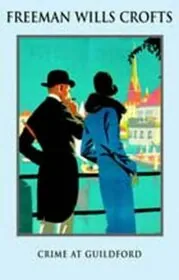
Crime at Guildford
by Freeman Wills Crofts
1935
An accountant from a struggling jewellers is murdered during a meeting at the managing director’s house near Guildford. At the same time, the firm’s London offices are robbed, giving French two linked crimes and no easy answer.
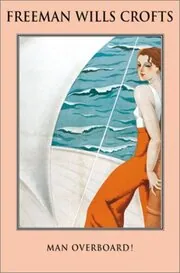
Man Overboard
by Freeman Wills Crofts
1936
A valuable new fuel process makes several people very interested in one man’s movements on the Northern Irish coast. When someone disappears from a boat, French has to decide whether he is facing suicide, theft, or a carefully staged killing.
The Loss of the Jane Vosper
by Freeman Wills Crofts
1936
A cargo ship bound for South America is abandoned after a series of unexplained explosions. When an insurance investigator disappears while looking into the sinking, Inspector French follows the trail from factory floor to explosives theft and murder.
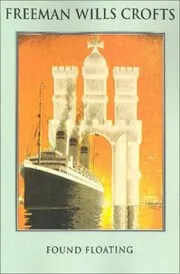
Found Floating
by Freeman Wills Crofts
1937
A family takes a Mediterranean cruise in hopes of easing strain at home, but the voyage ends in murder and a body found under baffling circumstances. French must untangle shipboard routine, damaged relationships, and clues the sea keeps shifting.
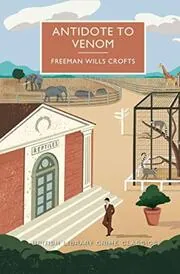
Antidote to Venom
by Freeman Wills Crofts
1938
George Surridge, a zoo director in money trouble and trapped in an unhappy marriage, starts planning a murder that seems impossibly clever. Inspector French is less interested in who did it than in how the trick was managed.
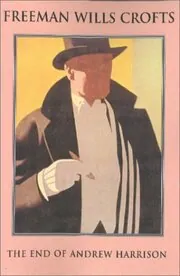
The End of Andrew Harrison
by Freeman Wills Crofts
1938
Few people mourn ruthless financier Andrew Harrison when he is found dead on his houseboat at Henley. The trouble is that what looks like suicide makes less and less sense once Inspector French starts asking questions.
Fatal Venture
by Freeman Wills Crofts
1939
A new cruise business sounds like the chance of a lifetime, especially once offshore gambling enters the plan. But big money draws big risks, and Inspector French is left to pick through ambition, blackmail, and a deadly venture.
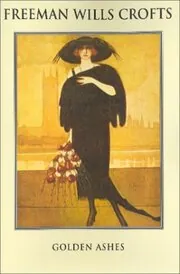
Golden Ashes
by Freeman Wills Crofts
1940
Widowed Betty Stanton takes a housekeeping job at Forde Manor just as the estate is being cleared out for sale. Then fire tears through the house, the art collection is threatened, and a dead expert gives French far more to investigate.
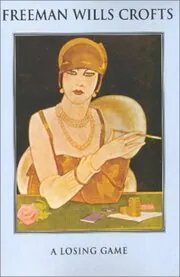
A Losing Game
by Freeman Wills Crofts
1941
A blackmailing moneylender is murdered and his cottage burned, and a detective novelist soon finds himself under suspicion. French digs into debt, old grudges, and a buried secret that reaches back to Australia.
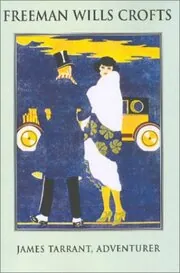
James Tarrant, Adventurer
by Freeman Wills Crofts
1941
James Tarrant builds a fortune by pushing dubious indigestion remedies, using charm and other people’s money to get ahead. When he dies after a fishing trip, the obvious suspect may be far too obvious for French.
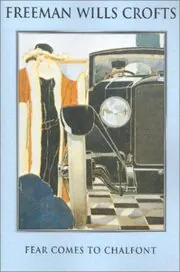
Fear Comes to Chalfont
by Freeman Wills Crofts
1942
Richard Elton is killed at his Surrey property, where a marriage of convenience and a dangerous love affair have reached breaking point. French arrives with a young sergeant and patiently sorts through motive, money, and lies.
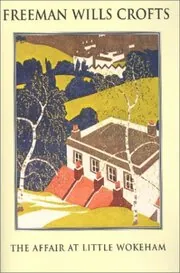
The Affair at Little Wokeham
by Freeman Wills Crofts
1943
In the quiet village of Little Wokeham, a respectable man is drawn into a crime that first looks manageable and then anything but. Inspector French has to work through guilt, deception, and a plan that was never as safe as it seemed.
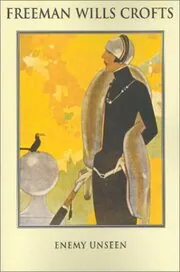
Enemy Unseen
by Freeman Wills Crofts
1945
In wartime Cornwall, stolen Home Guard grenades are soon followed by a wealthy man’s violent death on the beach. French is called in to investigate quietly before the case becomes a public embarrassment.
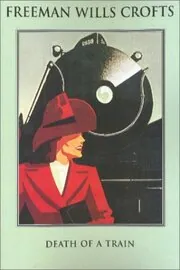
Death of a Train
by Freeman Wills Crofts
1946
During the war, a ring of German agents plans to derail a train carrying vital supplies. One mistake changes the target, and Inspector French races to hunt down the saboteurs before they vanish for good.

Murderers Make Mistakes
by Freeman Wills Crofts
1947
This collection of short mysteries is built around the fatal slip, the one small error that brings a criminal down. Crofts uses the shorter form to deliver neat setups, sharp reversals, and several cases with Inspector French nearby.
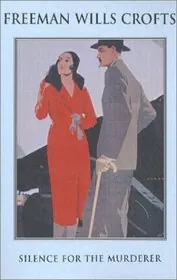
Silence for the Murderer
by Freeman Wills Crofts
1949
Ex-soldier Frank Roscoe thinks a shabby little swindle will change his fortunes when he takes a job with a wealthy invalid. But when the old man dies, suspicion, inheritance hopes, and Dulcie Heath’s doubts turn the scheme poisonous.
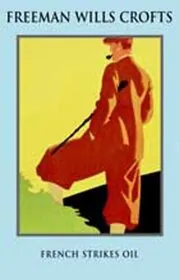
Dark Journey / French Strikes Oil
by Freeman Wills Crofts
1951
Oil has been discovered on the Vale family estate, promising riches for some and ruin for others. When Maurice Vale is murdered, French faces inheritance motives, family conflict, and two odd gloves left by the body.
Many a Slip
by Freeman Wills Crofts
1955
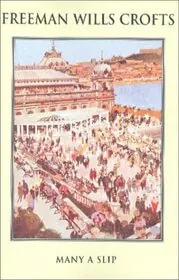
This short story collection brings together brisk puzzles, several Inspector French cases, and the kind of tiny blunders Crofts loved to punish. Trains, poison, blackmail, and domestic deceit all turn on one missed detail.

Mystery of the Sleeping Car Express
by Freeman Wills Crofts
1956
This collection gathers ten Crofts stories, including the early railway puzzle of the title tale and several Inspector French investigations. It is a compact tour of his short-form style, with travel clues, tight setups, and clever reversals.
Anything to Declare?
by Freeman Wills Crofts
1957
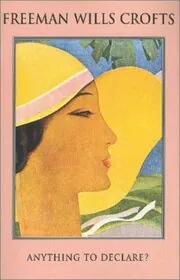
A seemingly foolproof get-rich-quick scheme promises easy money for a group of restless young men. Instead it pulls them into blackmail and murder, leaving Inspector French to separate bold plans from fatal mistakes.
English Country House Murders
by Thomas Godfrey, Arthur Conan Doyle, Wilkie Collins, Robert Barr, Emma Orczy, R Austin Freeman, Gilbert Keith Chesterton, Agatha Christie, Dorothy L. Sayers, Ngaio Marsh, Margery Allingham, Freeman Wills Crofts, John Dickson Carr, Cecil Day-Lewis, PG Wodehouse, J. I. M. Stewart, Philip MacDonald, Ethel Lina White, Christianna Brand, Cyril Hare, Ruth Rendell, PD James & James G. Miles
1988
Edited by Thomas Godfrey, this anthology gathers classic British mystery stories set in and around country estates. The selection ranges from early detective fiction to later crime tales, with contributions from writers including Arthur Conan Doyle, Agatha Christie, Ngaio Marsh, Ruth Rendell, and P. D. James.
Where to start with Freeman Wills Crofts
If you want to start at the beginning: Inspector French’s Greatest Case → Inspector French and the Cheyne Mystery → Inspector French and the Starvel Hollow Tragedy
If you want Crofts at his most inventive: The 12.30 from Croydon → Antidote to Venom → Mystery on Southampton Water
If you like trains, routes, and transport puzzles: Inspector French and Sir John Magill’s Last Journey → Death on the Way → Death of a Train
If you want strong pre-French standalones: The Cask → The Ponson Case → The Groote Park Murder
Freeman Wills Crofts sub-series and character series
Inspector French books in order
Explore this series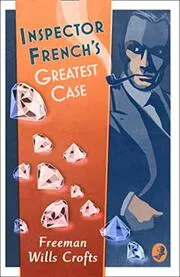
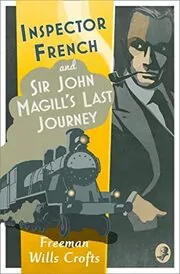
Inspector French and Sir John Magill’s Last Journey
by Freeman Wills Crofts
1930Inspector French, Book 6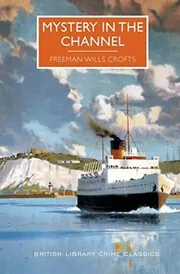
Inspector French books in chronological order
Inspector French and Sir John Magill’s Last Journey
by Freeman Wills Crofts
1930Inspector French, Book 6
Freeman Wills Crofts collections, short stories, and related book types
British Library Crime Classics
Short Story Collections
Standalone Freeman Wills Crofts books
by Thomas Godfrey, Arthur Conan Doyle, Wilkie Collins, Robert Barr, Emma Orczy, R Austin Freeman, Gilbert Keith Chesterton, Agatha Christie, Dorothy L. Sayers, Ngaio Marsh, Margery Allingham, Freeman Wills Crofts, John Dickson Carr, Cecil Day-Lewis, PG Wodehouse, J. I. M. Stewart, Philip MacDonald, Ethel Lina White, Christianna Brand, Cyril Hare, Ruth Rendell, PD James & James G. Miles
1988
Author bio
Freeman Wills Crofts was born in Dublin on June 1, 1879, but much of his childhood was spent in Gilford, County Down, after his mother remarried and the family settled in the vicarage there. He later studied at Methodist College and Campbell College in Belfast. Before he ever wrote a detective novel, he trained as an engineer, which tells you a lot about the books that came later.
At seventeen he was apprenticed to his uncle, Berkeley Deane Wise, chief engineer of the Belfast and Northern Counties Railway. Crofts worked his way up through railway jobs in Ireland and eventually became chief assistant engineer. Timetables, routes, materials, and careful planning were part of his daily life long before they became part of his fiction.
Writing came in through illness.
In 1919, during a long break from work, he started the novel that became The Cask. It was published in 1920 and sold extremely well, giving him a second career almost by accident. Even after that success, he stayed with the railway for several more years before leaving engineering in 1929 and settling near Guildford in Surrey as a full-time writer.
His best-known creation is Inspector Joseph French, who first appeared in Inspector French’s Greatest Case. French is not a flashy genius. He is polite, patient, and stubborn in the best way, the sort of detective who checks the timetable again, walks the route himself, and keeps going when everyone else is tired. That steady style runs through books like Inspector French and the Cheyne Mystery, Inspector French and the Sea Mystery, and The Hog's Back Mystery.
Crofts could also shift the angle of the story when he wanted to. In The 12.30 from Croydon and Antidote to Venom, he lets readers get dangerously close to the criminal mind, turning the suspense into a question of how the plan will fail. In Death on the Way and Death of a Train, his old knowledge of transport systems comes roaring back, with rail lines, logistics, and practical details doing real work in the plot.
He kept things grounded.
That is one reason readers still find him rewarding. His cases often begin in very ordinary places: a country house, a business office, a train, a ferry, a village road, a ship. The stakes can be large, but the texture is everyday. He liked hidden frauds, awkward money problems, false alibis, and the little mistake that finally breaks a supposedly perfect plan. He also returned again and again to travel, shipping, and the mechanics of movement, which gives his stories a very particular feel.
Away from crime writing, Crofts had a full life. He married Mary Bellas Canning in 1912, had no children, and was active in music as an organist and choirmaster. He was also a member of the Detection Club, and in 1939 he was elected a fellow of the Royal Society of Arts.
In his later years he moved with his wife to Worthing in Sussex, where he died in 1957, the same year his final Inspector French novel, Anything to Declare?, appeared. By then he had written for decades at an almost yearly pace. His books are still easy to recognise: careful plots, real work, no fuss, and the sense that if a crime can be solved, someone patient enough will get there in the end.


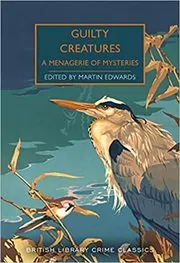


Edited by
Software engineer whose passion for tracking book recommendations from podcasts inspired the creation of MRB.
Lead investor at 3one4 Capital whose startup expertise and love for books helped shape MRB and its growth.
Comments
Did we miss something? Have feedback?
Help us improve this page by sharing your thoughts