
Ernest Hemingway Books in Order
Browse Ernest Hemingway books in order, from the major novels to the stories and letters, with short summaries, background, and ideas on where to start.
Last updated:
As an Amazon Associate, we earn from qualifying purchases (at no extra cost to you).
Ernest Hemingway books in publication order
55 books
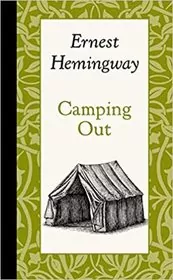
Camping Out
by Ernest Hemingway
1920
An early outdoor piece in which camping, gear, and getting away from town matter as much as plot. It has the eager feel for practical detail and open-air freedom that stayed with Hemingway.
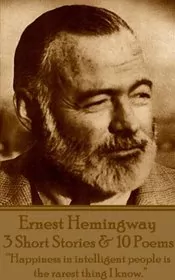
3 Short Stories and 10 Poems
by Ernest Hemingway
1923
Hemingway's first book is slim but revealing, pairing early poems with a few sharp stories. You can see a young writer already stripping language down and testing how much force a short piece can carry.

Cross Country Snow
by Ernest Hemingway
1924
Nick Adams and his friend George spend a joyous day skiing in Switzerland, but adulthood waits at the bottom of the hill. The story holds pleasure and coming responsibility in the same cold air.

Big Two-Hearted River
by Ernest Hemingway
1925
Back from war, Nick Adams camps and fishes alone in the Michigan woods. Very little happens on the surface, but the story quietly tracks recovery, control, and the work of staying steady.
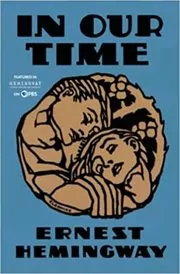
In Our Time
by Ernest Hemingway
1925
This debut American collection moves through war, childhood, violence, and recovery in brief, exact scenes. It includes early Nick Adams stories and shows Hemingway discovering his signature compression.
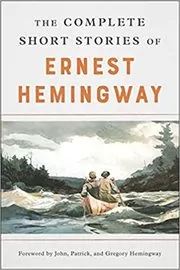
The Complete Short Stories
by Ernest Hemingway
1925
This large collection gathers Hemingway's essential short fiction, from the Nick Adams stories to major later works. If you want the full range of his shorter writing, this is the place to start.
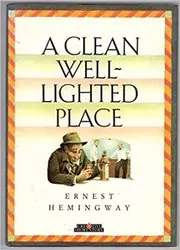
A Clean Well Lighted Place
by Ernest Hemingway
1926
Late at night in a nearly empty cafe, two waiters watch an old customer linger over his drink. In a few quiet pages, Hemingway turns ordinary talk into a haunting study of loneliness and refuge.
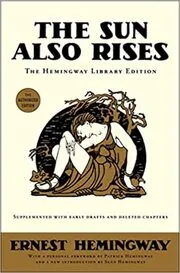
The Sun Also Rises
by Ernest Hemingway
1926
Jake Barnes moves through 1920s Paris and Pamplona with Lady Brett Ashley and a drifting circle of friends. The novel is witty, restless, and full of desire, damage, and postwar disillusionment.
Recommended by
1 person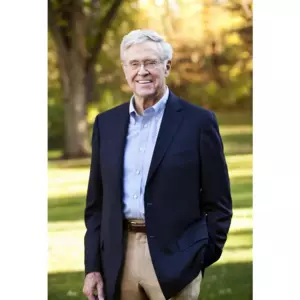 Charles Koch recommended this book
Charles Koch
Charles Koch recommended this book on his website.
Charles Koch's recommendation of this book
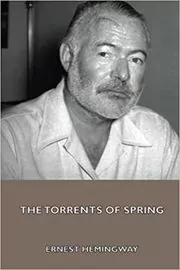
The Torrents of Spring
by Ernest Hemingway
1926
This early novella follows two men in a Michigan town as romance and literary parody tangle together. It is Hemingway at his most openly comic, satirical, and mischievous.

An Alpine Idyll
by Ernest Hemingway
1927
After a ski trip in Austria, two friends stop at an inn and hear a grim local story that curdles the mountain calm. Hemingway turns a travel scene into something strange and unsettling.

Hills Like White Elephants
by Ernest Hemingway
1927
At a train station in Spain, a couple circle around a decision neither wants to name directly. The story is famous for what it leaves unsaid, and for how much tension lives in casual talk.
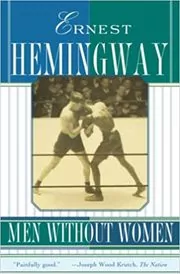
Men Without Women
by Ernest Hemingway
1927
These early stories explore wounded veterans, strained love, sport, and sudden violence. The collection includes some of Hemingway's best-known short fiction, including The Killers and Hills Like White Elephants.
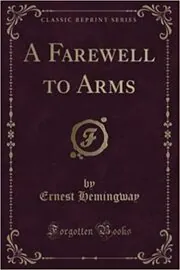
A Farewell to Arms
by Ernest Hemingway
1929
On the Italian front in World War I, ambulance driver Frederic Henry falls in love with nurse Catherine Barkley. Their attempt to make a private life away from war becomes a moving story of love, fear, and loss.
Recommended by
1 person Jordan Peterson recommended this book
Jordan Peterson
Recommended on Jordan Peterson's website.
Jordan Peterson's recommendation of this book
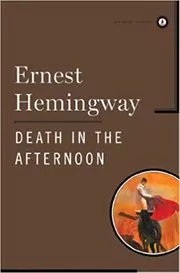
Death in the Afternoon
by Ernest Hemingway
1932
Part guide, part essay, and part argument, this book dives into Spanish bullfighting and why Hemingway thought it mattered. Along the way, it becomes a meditation on courage, spectacle, and writing.
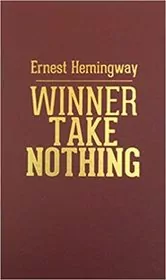
Winner Take Nothing
by Ernest Hemingway
1933
Fourteen stories ranging from cafe nights to hospital rooms and railway stops. The mood is darker and more varied here, with loneliness and disappointment close to the surface.
Green Hills of Africa
by Ernest Hemingway
1935
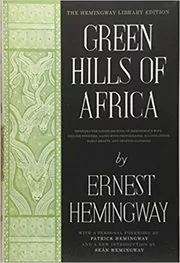
Hemingway turns an East African safari into a memoir about hunting, landscape, rivalry, and writing itself. It mixes travel, camp talk, and literary argument in a book that is both restless and reflective.
Recommended by
1 person Josh Waitzkin recommended this book
Josh Waitzkin
Josh Waitzkin recommended this book in the "Tools of Titans" book.
Josh Waitzkin's recommendation of this book
The Short Happy Life of Francis Macomber
by Ernest Hemingway
1936
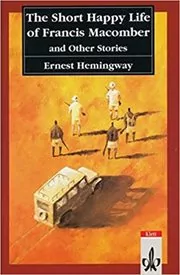
On an African safari, a wealthy American couple and their guide find that fear, pride, and marriage can turn dangerous fast. It is one of Hemingway's sharpest stories about courage and humiliation.
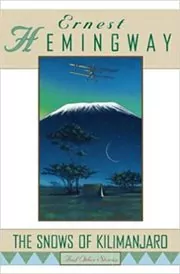
The Snows of Kilimanjaro
by Ernest Hemingway
1936
This selection brings together ten of Hemingway's most famous stories, including the title piece, The Killers, and Francis Macomber. It works well as an introduction to his short fiction at full strength.
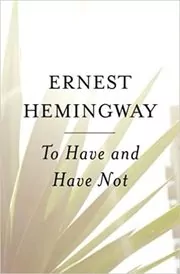
To Have and Have Not
by Ernest Hemingway
1937
Key West boat captain Harry Morgan is pushed toward smuggling between Cuba and Florida when honest work stops paying. The novel is tough, bitter, and deeply interested in money, class, and survival.
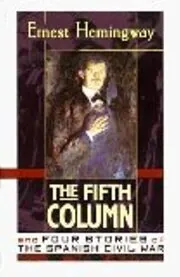
The Fifth Column
by Ernest Hemingway
1938
Hemingway's only full-length play is set in besieged Madrid during the Spanish Civil War. Espionage, suspicion, and romance all sit under the pressure of bombardment and political violence.
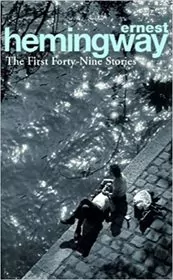
The First Forty-Nine Stories
by Ernest Hemingway
1938
An early omnibus of Hemingway's short fiction, bringing together the collections that built his reputation. It is a strong overview of the stories that shaped his public image before later additions.

The Old Man at the Bridge
by Ernest Hemingway
1938
During the Spanish Civil War, a soldier meets an exhausted old man who has stopped beside a bridge and can go no farther. In a page or two, Hemingway makes war feel intimate and devastating.
For Whom the Bell Tolls
by Ernest Hemingway
1940
American dynamiter Robert Jordan joins anti-fascist guerrillas in the Spanish Civil War with orders to blow a bridge. Over a few tense days, duty, love, and politics collide under enormous pressure.
Recommended by
4 people- Jordan Peterson recommended this book
Jordan Peterson
Recommended on Jordan Peterson's website.
Jordan Peterson's recommendation of this book - Josh Waitzkin recommended this book
Josh Waitzkin
Josh Waitzkin recommended this book in the "Tools of Titans" book.
Josh Waitzkin's recommendation of this book 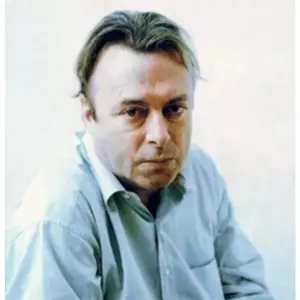 Christopher Hitchens recommended this book
Christopher Hitchens
"Influenced me very greatly." - Christopher Hitchens
Christopher Hitchens's recommendation of this book  Brian Dean recommended this book
Brian Dean
"Tragic story by one of the best to ever do it." - Brian Dean
Brian Dean's recommendation of this book
Across the River and into the Trees
by Ernest Hemingway
1950
In postwar Venice, aging Colonel Richard Cantwell spends a weekend remembering war, age, and the life behind him. A late love affair gives the novel its melancholy, elegiac mood.
The Old Man and the Sea
by Ernest Hemingway
1952
Aging Cuban fisherman Santiago hooks a giant marlin far out in the Gulf Stream and refuses to quit. It is a spare, powerful story about endurance, pride, and what a hard-won victory can cost.
Recommended by
8 people- Jordan Peterson recommended this book
Jordan Peterson
Recommended on Jordan Peterson's website.
Jordan Peterson's recommendation of this book  Jack Dorsey recommended this book
Jack Dorsey
One of Jack Dorsey's answers to "what are the books that had a major influence on you?"
Jack Dorsey's recommendation of this book - Josh Waitzkin recommended this book
Josh Waitzkin
Josh Waitzkin recommended this book in the "Tools of Titans" book.
Josh Waitzkin's recommendation of this book  Phil Keoghan recommended this book
Phil Keoghan
"Every year, I read [this book]. It’s so easy to read, and it has such a strong message." - Phil Keoghan
Phil Keoghan's recommendation of this book  PewDiePie recommended this book
PewDiePie
"I thought it was fun to read." - PewDiePie
PewDiePie's recommendation of this book  Lex Fridman recommended this book
Lex Fridman
Lex Fridman mentioned this book on Instagram.
Lex Fridman's recommendation of this book +2
More recommendations
- Mark Manson
Mark Manson recommended this book on his website.
- Jack Edwards
"Very fishy option." - Jack Edwards
- Mark Manson
The Wild Years
by Ernest Hemingway
1962
This collection draws on Hemingway's early journalism and travel writing, catching him as a restless young reporter. The pieces move quickly through public events, foreign scenes, and the making of a writer's voice.
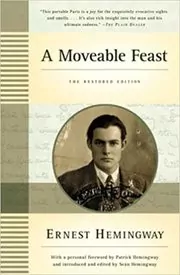
A Moveable Feast
by Ernest Hemingway
1964
Hemingway looks back on Paris in the 1920s, his first marriage, and the writers and artists around him. It is affectionate, sharp-eyed, and full of scenes about work, hunger, friendship, and ambition.
Recommended by
1 person Brian Koppelman recommended this book
Brian Koppelman
"[One of the autobiographies] I have read the most often." - Brian Koppelman
Brian Koppelman's recommendation of this book
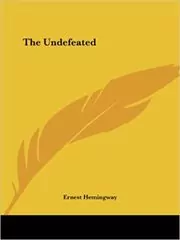
The Undefeated
by Ernest Hemingway
1965
Aging bullfighter Manuel Garcia comes back for one more bout, even though his body says he should stop. The story is short, tough, and deeply interested in pride under pressure.
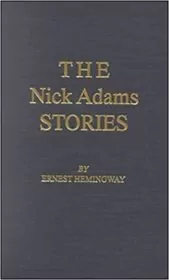
The Nick Adams Stories
by Ernest Hemingway
1966
This sequence follows Nick Adams from boyhood through war, adulthood, and parenthood. Read together, the stories form a broken but powerful life narrative running beneath much of Hemingway's fiction.
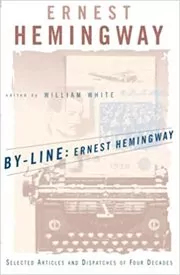
By-Line
by Ernest Hemingway
1967
A wide-ranging selection of Hemingway's journalism, from foreign correspondence to reported features and profiles. It shows how much of the later fiction grew out of close observation and exact reporting.
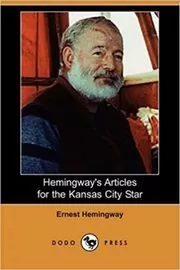
Articles for The Kansas City Star
by Ernest Hemingway
1970
These early newspaper articles show Hemingway learning to report cleanly, quickly, and without waste. They matter both as journalism and as a map of his style in formation.
Cub Reporter
by Ernest Hemingway
1970
These Kansas City Star pieces catch Hemingway at the start, covering crime, hospitals, rail yards, and city life. You can already hear the clipped, direct style that would shape the later books.
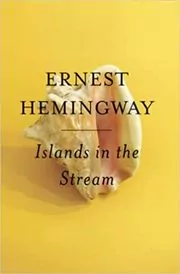
Islands in the Stream
by Ernest Hemingway
1970
This posthumous novel follows artist Thomas Hudson from family life in Bimini to wartime patrols off Cuba. It is expansive, sea-soaked, and haunted by love, grief, and duty.
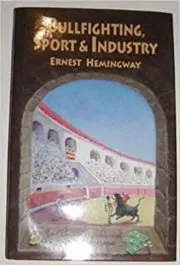
Bullfighting, Sport & Industry
by Ernest Hemingway
1974
This brief piece studies bullfighting as ritual, business, and public spectacle, not just entertainment. It is forceful, observant, and a clear warm-up for Death in the Afternoon.
Selected Letters 1917-1961
by Ernest Hemingway
1981
Nearly six hundred letters sketch Hemingway's life across war, fame, family, travel, friendship, and work. Read together, they form an informal autobiography in his own voice.
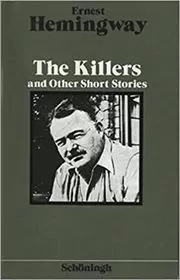
The Killers
by Ernest Hemingway
1982
Two hit men arrive at a lunchroom looking for ex-boxer Ole Andreson, and a young Nick Adams gets pulled into the waiting. The story is all menace, stripped-down dialogue, and dread.
Ernest Hemingway on Writing
by Ernest Hemingway
1984
A compact collection of Hemingway's thoughts on craft, revision, discipline, and the writer's daily routine. It is less a manual than a sharp, unsentimental look at how serious work gets done.
Recommended by
2 people Matt Mullenweg recommended this book
Matt Mullenweg
"I got from this [book from 'The Tim Ferriss Show' podcast, actually.]" - Matt Mullenweg
Matt Mullenweg's recommendation of this book - Josh Waitzkin recommended this book
Josh Waitzkin
"The most potent little book of wisdom on the creative process that I have run into." - Josh Waitzkin
Josh Waitzkin's recommendation of this book
Dateline Toronto
by Ernest Hemingway
1985
These Toronto Star dispatches show Hemingway writing on politics, travel, labor, sport, and city life in the early 1920s. The pieces are lively, curious, and full of a young reporter testing what prose can do.
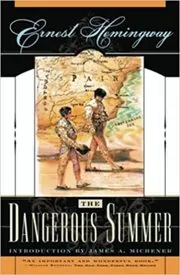
The Dangerous Summer
by Ernest Hemingway
1985
Hemingway follows the 1959 bullfighting rivalry between Antonio Ordonez and Luis Miguel Dominguin in Spain. The book blends sports writing, travel, and a veteran observer's feel for ritual and danger.
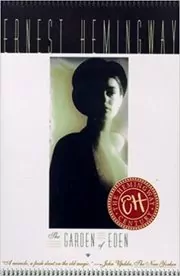
The Garden of Eden
by Ernest Hemingway
1985
On a honeymoon along the French coast, writer David Bourne and Catherine drift into a tense game of desire, jealousy, and reinvention. The novel feels unusually intimate, with identity and art at its center.
On Writing
by Ernest Hemingway
1986
This short fragment, cut from Big Two-Hearted River, follows Nick Adams as he thinks about memory and how stories get made. It offers a rare, direct glimpse of Hemingway reflecting inside the fiction.
Florida Stories
by John Miller, Larry McMurtry, Dave Barry, Elmore Leonard, Ernest Hemingway, John D MacDonald, Damon Runyon, Isaac Bashevis Singer, Nathaniel Hawthorne, Stephen Crane, Zora Neale Hurston, Elizabeth Bishop, Tennessee Williams, Alison Lurie, Wallace Stevens, John Sayles, John James Audubon, Joy Williams, Joan Didion, Kirsten Miller & William Bartram
1993
Edited by John and Kirsten Miller, this literary collection brings together fiction and nonfiction set in Florida. Selections by writers including Joan Didion, Zora Neale Hurston, and Dave Barry offer varied perspectives on the state’s history, landscape, and cultural contradictions.
Hemingway at Oak Park High
by Ernest Hemingway
1993
This collection gathers school newspaper and magazine writing from Hemingway's high school years, 1916-1917. It is juvenilia, but lively and revealing if you want to see the apprenticeship before the fame.
True at First Light
by Ernest Hemingway
1999
Set during Hemingway's final African safari, this posthumous book blends memoir and fiction. Camp life, marriage, danger, and storytelling keep shifting under one another.
Hemingway on Fishing
by Ernest Hemingway
2000
This anthology gathers fiction, reportage, and memoir pieces about angling from across Hemingway's career. It is as much about patience, obsession, and place as it is about fish.
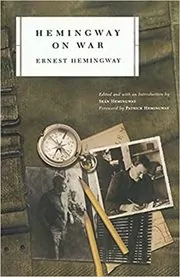
Hemingway on War
by Ernest Hemingway
2003
Stories, reportage, and excerpts come together here to show how central war was to Hemingway's writing. The selections range from the front line to the private wreckage that follows.
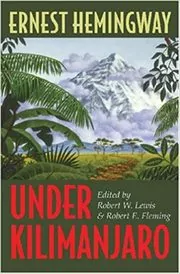
Under Kilimanjaro
by Ernest Hemingway
2005
This fuller version of Hemingway's late African manuscript lingers over safari life, local relationships, hunting, and long talk. It offers a broader, looser look at the material later shaped into True at First Light.
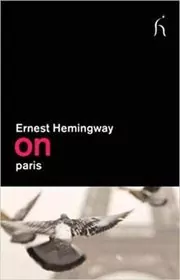
On Paris
by Ernest Hemingway
2008
These brief newspaper pieces catch Hemingway reporting on Paris while he was still learning his trade. They show the city as lived experience, not postcard scenery.
The Letters of Ernest Hemingway: Volume 1, 1907–1922
by Ernest Hemingway
2011
The first volume traces Hemingway from youth in Oak Park through war service and early newspaper work. Family tensions, apprenticeship, ambition, and travel all appear in real time.
The Letters of Ernest Hemingway: Volume 2, 1923-1925
by Ernest Hemingway
2013
This volume covers Hemingway's Paris apprenticeship, key literary friendships, and the making of his first books. You can watch the young reporter become a serious writer almost letter by letter.
The Letters of Ernest Hemingway: Volume 3, 1926-1929
by Ernest Hemingway
2015
As Hemingway publishes The Sun Also Rises and moves toward A Farewell to Arms, fame begins to press in. These letters track success, strain, travel, and growing artistic confidence.
The Letters of Ernest Hemingway: Volume 4, 1929–1931
by Ernest Hemingway
2017
This volume records Hemingway's life after A Farewell to Arms, when international fame, money, travel, and changing relationships all gather around him. The letters show success at close range, with all its friction.
The Letters of Ernest Hemingway: Volume 5, 1932–1934
by Ernest Hemingway
2020
Covering 1932 to 1934, this volume follows the completion of Death in the Afternoon and Winner Take Nothing. Key West, Cuba, fishing, travel, and an African safari all push into the correspondence.
My Old Man
by Ernest Hemingway
Young Joe recounts life in Italy and France with his father, a steeplechase jockey. Admiration for his father collides with suspicions about corruption in horse racing, as the boy struggles to understand the adult world surrounding them.
The Snows of Kilimanjaro and Other Stories
by Ernest Hemingway
Ten stories explore mortality, courage, violence, and strained relationships through encounters ranging from African safaris to American towns. The collection includes a dying writer’s reflections in the title story, alongside The Killers, Fathers and Sons, and other short fiction.
Where to start with Ernest Hemingway
If you want the classic Lost Generation novel: The Sun Also Rises → A Farewell to Arms
If you want war, love, and bigger stakes: A Farewell to Arms → For Whom the Bell Tolls
If you want the short fiction first: In Our Time → Men Without Women → The Complete Short Stories
If you want a brief late masterpiece: The Old Man and the Sea → A Moveable Feast
Ernest Hemingway sub-series and character series
The Letters of Ernest Hemingway books in order
Explore this series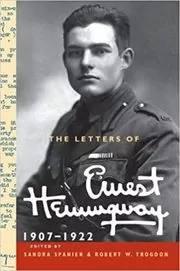
The Letters of Ernest Hemingway: Volume 1, 1907–1922
by Ernest Hemingway
2011The Letters of Ernest Hemingway, Book 1
The Letters of Ernest Hemingway: Volume 2, 1923-1925
by Ernest Hemingway
2013The Letters of Ernest Hemingway, Book 2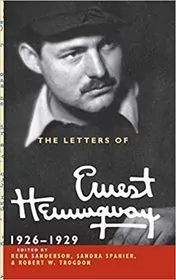
The Letters of Ernest Hemingway: Volume 3, 1926-1929
by Ernest Hemingway
2015The Letters of Ernest Hemingway, Book 3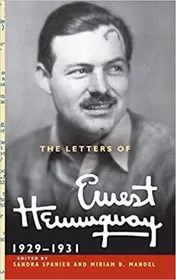
The Letters of Ernest Hemingway: Volume 4, 1929–1931
by Ernest Hemingway
2017The Letters of Ernest Hemingway, Book 4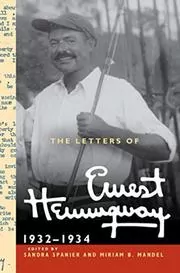
The Letters of Ernest Hemingway: Volume 5, 1932–1934
by Ernest Hemingway
2020The Letters of Ernest Hemingway, Book 5
The Letters of Ernest Hemingway books in chronological order
The Letters of Ernest Hemingway: Volume 1, 1907–1922
by Ernest Hemingway
2011The Letters of Ernest Hemingway, Book 1The Letters of Ernest Hemingway: Volume 2, 1923-1925
by Ernest Hemingway
2013The Letters of Ernest Hemingway, Book 2The Letters of Ernest Hemingway: Volume 3, 1926-1929
by Ernest Hemingway
2015The Letters of Ernest Hemingway, Book 3The Letters of Ernest Hemingway: Volume 4, 1929–1931
by Ernest Hemingway
2017The Letters of Ernest Hemingway, Book 4The Letters of Ernest Hemingway: Volume 5, 1932–1934
by Ernest Hemingway
2020The Letters of Ernest Hemingway, Book 5
Ernest Hemingway collections, short stories, and related book types
Short Stories/Novellas
Short Story Collections
Non-Fiction


The Letters of Ernest Hemingway: Volume 1, 1907–1922
by Ernest Hemingway
2011The Letters of Ernest Hemingway, Book 1The Letters of Ernest Hemingway: Volume 2, 1923-1925
by Ernest Hemingway
2013The Letters of Ernest Hemingway, Book 2The Letters of Ernest Hemingway: Volume 3, 1926-1929
by Ernest Hemingway
2015The Letters of Ernest Hemingway, Book 3The Letters of Ernest Hemingway: Volume 4, 1929–1931
by Ernest Hemingway
2017The Letters of Ernest Hemingway, Book 4The Letters of Ernest Hemingway: Volume 5, 1932–1934
by Ernest Hemingway
2020The Letters of Ernest Hemingway, Book 5
Standalone Ernest Hemingway books
by John Miller, Larry McMurtry, Dave Barry, Elmore Leonard, Ernest Hemingway, John D MacDonald, Damon Runyon, Isaac Bashevis Singer, Nathaniel Hawthorne, Stephen Crane, Zora Neale Hurston, Elizabeth Bishop, Tennessee Williams, Alison Lurie, Wallace Stevens, John Sayles, John James Audubon, Joy Williams, Joan Didion, Kirsten Miller & William Bartram
1993
Author bio
Ernest Hemingway was born on July 21, 1899, in Oak Park, Illinois, and grew up in a careful, churchgoing suburb just outside Chicago. He also spent long summers in northern Michigan, where he learned to fish, hunt, camp, and pay attention to weather, water, and small physical details. Those places stayed with him.
He started writing early, but not in some romantic attic.
After high school, he skipped college and went straight into newspaper work at The Kansas City Star. The paper's style rules pushed him toward short sentences, plain words, and clean observation. That training mattered. You can still hear it in the hard, clear movement of the later fiction.
In 1918 he volunteered as an ambulance driver in Italy during World War I and was badly wounded. The war, the pain, and the hospital time did not leave him behind when he came home. They fed directly into his fiction, especially A Farewell to Arms, and more broadly into his lifelong interest in fear, courage, injury, and the strange ways people try to hold themselves together.
In the early 1920s he worked for the Toronto Star and moved to Paris with his first wife, Hadley Richardson. Paris was a huge turning point. He was still a reporter, still learning, still broke a lot of the time, but he was also meeting writers and artists, including Ezra Pound, Gertrude Stein, and F. Scott Fitzgerald. In Our Time showed what he could do. The Sun Also Rises made many more people notice.
Then he kept going.
Readers often come to Hemingway through the novels, but the short stories are where a lot of his power hits fastest. In Our Time and Men Without Women show how much tension he could pack into a few pages. For Whom the Bell Tolls brings war, politics, and love together under extreme pressure. The Old Man and the Sea strips a struggle down to something almost elemental. Even a very short piece like 'A Clean, Well-Lighted Place' can feel larger than it looks.
His settings changed, but certain things kept returning: war zones, cafes, hotel rooms, fishing boats, camps, bullrings, wounded men, uneasy love affairs, and people trying to act with some dignity when life is not helping. Spain mattered a lot to him. So did the sea. So did Michigan, even when he was writing far from it.
He lived for a time in Key West and later mostly in Cuba, while continuing to travel as a reporter and sportsman. The Old Man and the Sea won the Pulitzer Prize in 1953, and the Nobel Prize in Literature followed in 1954. By then he was famous enough to seem larger than life, but the books themselves still feel grounded in rooms, tools, bodies, weather, and work.
His last years were hard. After leaving Cuba, he settled in Ketchum, Idaho, and struggled with serious health problems and depression before his death on July 2, 1961. What remains is a body of work that still feels startlingly direct. The sentences do not waste much, and that is part of why they last.





Edited by
Software engineer whose passion for tracking book recommendations from podcasts inspired the creation of MRB.
Lead investor at 3one4 Capital whose startup expertise and love for books helped shape MRB and its growth.
Comments
Did we miss something? Have feedback?
Help us improve this page by sharing your thoughts