
Erma Bombeck Books in Order
Browse all Erma Bombeck books in order, with short summaries, background on her humor columns and activism, and guidance on the best titles to start with.
Last updated:
As an Amazon Associate, we earn from qualifying purchases (at no extra cost to you).
Erma Bombeck books in publication order
22 books
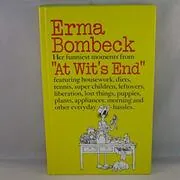
Erma Bombeck, Her Funniest Moments From "At Wit's End"
by Erma Bombeck
1977
Created as a gift edition, Erma Bombeck, Her Funniest Moments From At Wit's End pulls favorite early columns into a small, illustrated volume. It is a quick sampler of her jokes about housework, kids, neighbors, and the endless surprises of suburban life.
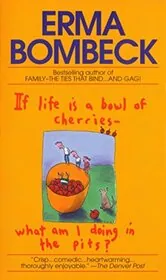
If Life Is a Bowl of Cherries What Am I Doing in the Pits?
by Erma Bombeck
1978
This classic collection finds Bombeck riffing on marriage, teenagers, money worries, aging parents, and even tennis lessons that never quite take. She captures the way small daily irritations and deep affection can exist in the same messy household.
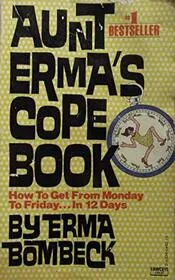
Aunt Erma's Cope Book - How to Get From Monday to Friday in 12 Days
by Erma Bombeck
1979
Aunt Erma's Cope Book spoofs self-improvement guides as it offers survival tips for people slogging through the workweek. Bombeck skewers fad cures, miracle organizers, and cheerful experts, reminding readers that sometimes the best coping tool is a shared laugh.

Just Wait Till You Have Children of Your Own!
by Erma Bombeck
1979
Partnering with cartoonist Bil Keane, Bombeck turns the scolding phrase 'Just wait till you have children of your own' into a running joke. Short pieces and drawings look at surly teens, baffled parents, and the way family slogans echo across generations.
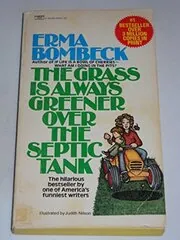
The Grass Is Always Greener Over The Septic Tank
by Erma Bombeck
1981
In The Grass Is Always Greener Over The Septic Tank, Bombeck follows one family's move to the suburbs, where mortgages, freeways, and PTA meetings replace city crowds. Her send-up of tract-house life nails the hopes and disappointments of the American dream.
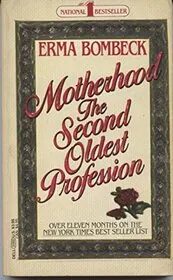
Motherhood: The Second Oldest Profession
by Erma Bombeck
1983
Motherhood: The Second Oldest Profession treats raising children as a job no one is trained for, complete with imaginary courses and performance reviews. Through portraits of many different moms, Bombeck shows how love, guilt, and chaos keep colliding in family life.

I Lost Everything in the Post-Natal Depression
by Erma Bombeck
1984
In these essays on early motherhood, Bombeck writes about sleepless nights, impossible toddlers, and the way new babies rearrange marriages. Her dark, quick jokes sit beside flashes of tenderness, giving worn-out parents permission to laugh at what almost breaks them.
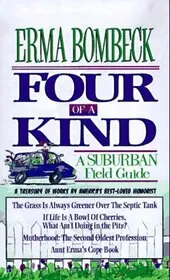
Four of a Kind
by Erma Bombeck
1985
Four of a Kind brings together four of Bombeck's major books in one hefty hardcover, following families through cramped starter homes, suburbia, and the trenches of motherhood. It is a convenient way to read her mid-career classics back to back.

Mud Pies and Silver Spoons
by Erma Bombeck
1985
Mud Pies and Silver Spoons is a regional cookbook linked to Bombeck's hometown, mixing practical recipes with light commentary and cartoons. It captures the spirit of community fundraisers and family meals where food and laughter are served together.
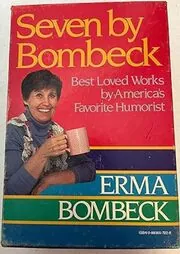
Seven
by Erma Bombeck
1985
Seven is a slipcased collection that combines two large omnibus volumes to showcase seven of Bombeck's bestselling books. It is aimed at readers who want a long, uninterrupted stretch of her sharp, affectionate domestic humor.
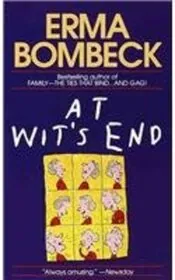
At Wit's End
by Erma Bombeck
1986
At Wit's End gathers Bombeck's early newspaper columns about the chaos of keeping house, raising kids, and staying sane in suburbia. Each short piece turns small disasters into punch lines that made millions of readers feel less alone.

Laugh along with Bombeck
by Erma Bombeck
1986
Laugh along with Bombeck is a boxed set that packages four of her funniest paperbacks in a single sleeve, including favorites like At Wit's End. It offers an easy way to binge her wry take on marriage, motherhood, and suburban life.
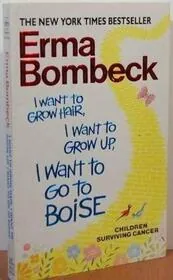
I Want to Grow Hair, I Want to Grow Up, I Want to Go to Boise
by Erma Bombeck
1990
Bombeck spent time with children surviving cancer and their families, then wrote this collection of real stories about their courage and mischief. She shows how jokes, pranks, and stubborn hope help kids and parents face treatment without losing themselves.
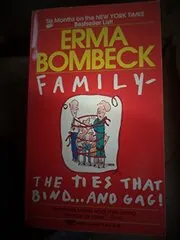
The Ties That Bind and Gag
by Erma Bombeck
1990
Originally published as Family: The Ties That Bind... and Gag!, this book finds humor in families that are supposedly grown up. Bombeck writes about adult children moving back home, aging parents, in-laws, and the way family roles keep shifting but never disappear.
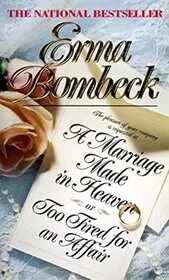
A Marriage Made in Heaven or Too Tired for an Affair
by Erma Bombeck
1993
In this candid look at her long marriage, Bombeck recalls courtship, cramped first apartments, raising kids, and growing older alongside the same partner. The stories balance sharp jokes with small, revealing moments that show how love survives busy, ordinary days.
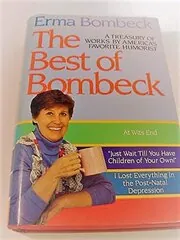
The Best of Bombeck
by Erma Bombeck
1993
The Best of Bombeck gathers several of her early bestsellers in one thick volume, including classic collections of columns on family life. It lets readers follow her voice from diaper duty to teenagers, watching her jokes deepen along with the subjects.
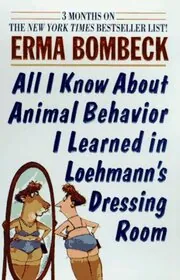
All I Know About Animal Behavior I Learned In Loehmann's Dressing Room
by Erma Bombeck
1996
Bombeck has fun comparing human quirks to the animal kingdom, from show-off gorillas to hoarding squirrels with closets full of bargains. These short pieces use pets, wildlife, and zoo exhibits as mirrors for dating, parenting, dieting, and other everyday struggles.

Forever, Erma
by Erma Bombeck
1996
Forever, Erma collects more than a hundred of Bombeck's most cherished columns, chosen from three decades of writing. The mix of sharp one-liners and quieter, reflective pieces shows how her humor grew deeper as she faced illness, aging, and change.

When You Look Like Your Passport Photo, It's Time to Go Home
by Erma Bombeck
1997
In this travel collection, Bombeck dismantles the myth of the carefree vacation with stories of lost luggage, baffling bus tours, and family meltdowns on foreign soil. Every delayed flight and bad hotel room becomes material for laughing at why we travel at all.
Eat Less Cottage Cheese and More Ice Cream
by Erma Bombeck
2003
Based on Bombeck's famous 'if I had my life to live over' essay, this gift book urges readers to trade perfect housekeeping for real experiences. Her brief reflections turn small regrets into a warm reminder to savor ordinary days.
When God Created Mothers
by Erma Bombeck
2005
This keepsake version of a beloved column imagines God working late to design the first mother while an angel looks on. In a few tender, funny pages, Bombeck celebrates the toughness, worry, and quiet joy packed into that one job.

The Erma Bombeck Collection
by Erma Bombeck
2013
The Erma Bombeck Collection gathers three full-length books in one volume: If Life Is a Bowl of Cherries What Am I Doing in the Pits?, Motherhood: The Second Oldest Profession, and The Grass Is Always Greener Over The Septic Tank. It is a generous starting point for readers who want her essential work in a single book.
Where to start with Erma Bombeck
If you want her most famous family humor first: If Life Is a Bowl of Cherries What Am I Doing in the Pits? → The Grass Is Always Greener Over The Septic Tank
If you are especially interested in motherhood: Motherhood: The Second Oldest Profession → I Lost Everything in the Post-Natal Depression
If you prefer short, early newspaper columns: At Wit's End → Forever, Erma
If you like big omnibus editions: The Erma Bombeck Collection → Four of a Kind → The Best of Bombeck
If you want her more reflective later work: I Want to Grow Hair, I Want to Grow Up, I Want to Go to Boise → A Marriage Made in Heaven or Too Tired for an Affair → When You Look Like Your Passport Photo, It's Time to Go Home
Erma Bombeck collections, short stories, and related book types
Short Story Collections
Non-Fiction
Cookbooks
Author bio
Erma Bombeck was born Erma Louise Fiste in Bellbrook, Ohio, in 1927 and grew up in nearby Dayton. Her father died when she was young, and she was raised in a working class family that prized steady jobs and getting on with things. She turned that background, and a sharp eye for small details, into the raw material for a new kind of domestic humor.
As a girl she devoured books and wrote for her junior high and high school newspapers, which led to part time work at the Dayton Herald as a copygirl and typist. After a short, unsuccessful stint at Ohio University she enrolled at the University of Dayton, worked in retail and advertising to pay tuition, and earned an English degree in 1949, encouraged by a professor who told her she truly could write.
That same year she married schoolteacher Bill Bombeck. Doctors said children were unlikely, so the couple adopted a daughter, Betsy, in 1953, then surprised everyone by welcoming two sons, Andrew and Matthew, a few years later. For about a decade Erma stepped away from newspapers, running a busy household in the new suburb of Centerville and stockpiling the stories she would later tell.
Eventually, the jokes she was telling over the ironing board had to go somewhere.
In 1964 she began a weekly humor column for a small local paper, often typing in a bedroom while the kids were at school. Within a year the Dayton Journal Herald hired her, and by 1965 her column At Wit's End was in national syndication. Over the next three decades she produced more than four thousand pieces about housework, money, marriage, and the strange creatures known as children, reaching tens of millions of readers.
Book contracts followed. Collections like At Wit's End, The Grass Is Always Greener over the Septic Tank, If Life Is a Bowl of Cherries What Am I Doing in the Pits?, Motherhood: The Second Oldest Profession, and I Lost Everything in the Post-Natal Depression landed on bestseller lists and stayed there. Readers recognized their own cluttered kitchens and mixed feelings in her pages, where slapstick often sat right next to a lump in the throat.
She kept widening her range. In I Want to Grow Hair, I Want to Grow Up, I Want to Go to Boise she spent time with children surviving cancer and their families, writing about illness with respect, awe, and mischief. Later books such as When You Look Like Your Passport Photo, It's Time to Go Home, A Marriage Made in Heaven or Too Tired for an Affair, and All I Know About Animal Behavior I Learned in Loehmann's Dressing Room took on travel, long marriages, and human behavior in general.
Outside the books she became a familiar presence on radio and television and a sought after speaker. She lent her name and time to the drive for the Equal Rights Amendment, joined a presidential advisory committee on women, and spoke for groups that trained volunteers and raised money for women's equality. Through it all she insisted that everyday housewives had important things to say, not just chores to do.
She used humor as a way to make those stories heard without scolding or self pity.
Much of this public work happened while she lived with polycystic kidney disease, a genetic condition diagnosed when she was in her twenties, and later with breast cancer. She largely kept those struggles private, continuing to tour, raise money for causes she cared about, and file columns until days before her death from complications of a kidney transplant in April 1996.
Her influence has not faded. Her columns and books remain in print, anthologies like Forever, Erma still introduce new readers to her voice, and the Erma Bombeck Writers' Workshop at the University of Dayton gathers humor writers every two years in her honor. People come for the laughs and stay for the feeling that someone else understands what life in a messy, loving household is really like.













Edited by
Software engineer whose passion for tracking book recommendations from podcasts inspired the creation of MRB.
Lead investor at 3one4 Capital whose startup expertise and love for books helped shape MRB and its growth.
Comments
Did we miss something? Have feedback?
Help us improve this page by sharing your thoughts