
Elizabeth Trilogy Books in Order
Part ofMargaret Irwin Books in OrderExplore the Elizabeth Trilogy by Margaret Irwin, with all three books in order, quick summaries, series background, and clear where-to-start guidance.
Last updated:
As an Amazon Associate, we earn from qualifying purchases (at no extra cost to you).
Elizabeth Trilogy books in publication order
3 books
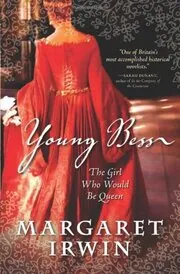
Young Bess
by Margaret Irwin
1944
Princess Elizabeth grows up under Henry VIII's shifting favor, marked by her mother's fate and her own uncertain status. After the king's death, her closeness to Katherine Parr and Thomas Seymour places the spirited young princess in fresh danger.
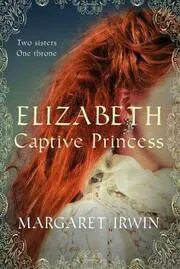
Elizabeth, Captive Princess
by Margaret Irwin
1948
After Edward VI dies, Elizabeth is caught between rival claims to England's crown and her sister Mary's growing suspicion. Court intrigue, rebellion, and imprisonment test the young princess's nerve as she learns how dangerous popularity can be.
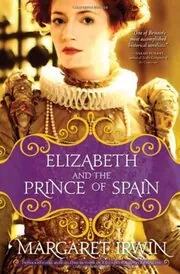
Elizabeth and the Prince of Spain
by Margaret Irwin
1953
Princess Elizabeth faces peril under Queen Mary's rule as Philip of Spain arrives to marry her half-sister. Mary's jealousy and Philip's uneasy interest force Elizabeth to move carefully through a court where every alliance carries a cost.
Elizabeth Trilogy books in chronological order
Series background & context
Margaret Irwin's Elizabeth Trilogy follows Elizabeth Tudor before she becomes Elizabeth I. The three books begin when she is a young princess living under the unpredictable rule of Henry VIII and continue through the years when simply surviving at court can be a political act.
Young Bess introduces Elizabeth as the daughter of Anne Boleyn, growing up with an uncertain place in the royal family. Henry VIII's marriages, shifting moods, and changing laws shape every part of her childhood. After his death, Elizabeth finds warmth with her stepmother Katherine Parr, but Katherine's new marriage to Thomas Seymour brings emotional confusion and real danger. It is a coming-of-age story, but one played out in palaces where a careless word can carry lasting consequences.
In Elizabeth, Captive Princess, the stakes become much sharper. Edward VI's death throws the succession into crisis, and Elizabeth must navigate the short reign of Lady Jane Grey, the accession of her half-sister Mary, religious division, rebellion, and suspicion. Elizabeth has supporters, but being popular makes her look dangerous to a queen who has every reason to fear a rival.
The final book, Elizabeth and the Prince of Spain, brings Philip of Spain into the center of the story as Mary's husband. Elizabeth has to balance Mary's jealousy, the pressure of court factions, and Philip's interest in the princess everyone is watching. The novel keeps its focus on the tense relationship between the two Tudor sisters, while showing how England's future is tied to choices being made in Spain, Rome, and the royal court.
Elizabeth is never allowed to forget that she is watched.
These are historical novels with plenty of pageantry, romance, and political maneuvering, but their main thread is Elizabeth's education in caution. Irwin presents her as clever, spirited, and still young enough to make mistakes. The surrounding cast includes family members, friends, advisers, rivals, and would-be allies whose loyalties can change with the weather. Readers who enjoy Tudor history will find familiar events, while readers new to the period can follow the story through Elizabeth's immediate risks and relationships.
Start with Young Bess and read in publication order. A 1953 film adaptation of Young Bess helped bring Irwin's version of the young Elizabeth to a wider audience, but the novels offer the fuller journey from vulnerable princess to a woman learning how to protect her claim to the throne.
















Edited by
Software engineer whose passion for tracking book recommendations from podcasts inspired the creation of MRB.
Lead investor at 3one4 Capital whose startup expertise and love for books helped shape MRB and its growth.
Comments
Did we miss something? Have feedback?
Help us improve this page by sharing your thoughts