
Edward L Beach Books in Order
Explore Edward L Beach books in order, with summaries of his submarine novels, naval histories, and memoirs to help you choose a book and where to start.
Last updated:
As an Amazon Associate, we earn from qualifying purchases (at no extra cost to you).
Edward L Beach books in publication order
12 books
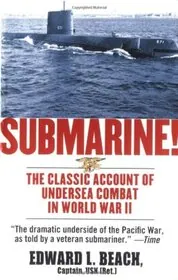
Submarine!
by Edward L Beach
1952
Edward L. Beach combines his experiences aboard USS Trigger with accounts of other American submarines during World War II. This nonfiction narrative describes Pacific patrols, crew life, combat pressures, and the losses endured by the submarine service.
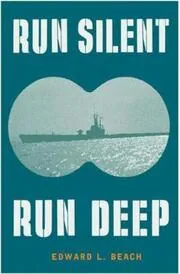
Run Silent Run Deep
by Edward L Beach
1955
After Pearl Harbor, submarine commander Richardson receives orders to attack Japanese shipping in the Pacific. His encounters with a formidable enemy destroyer turn the assignment into a prolonged contest, testing his judgment and the crew's endurance.

Around the World Submerged
by Edward L Beach
1962
Commanding USS Triton, Beach receives secret orders to undertake a submerged voyage around the world rather than a routine cruise. His firsthand account follows the crew through technical failures, illness, and the pressures of an unprecedented journey.

Wreck of the Memphis
by Edward L Beach
1966
Beach recounts the destruction of USS Memphis by enormous waves in Santo Domingo Harbor in 1916. His historical account examines the disaster and subsequent court-martial of the ship's captain, who was also the author's father.
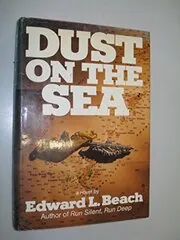
Dust On The Sea
by Edward L Beach
1972
During World War II, American submarines undertake a hazardous mission against Japanese shipping close to enemy waters. This sequel to Run Silent, Run Deep follows a coordinated patrol, examining combat responsibility and the strain placed on commanders and crews.

Cold Is the Sea
by Edward L Beach
1978
A nuclear submarine undertakes a secret Arctic mission as the American fleet moves beyond conventional propulsion. When USS Cushing becomes incapacitated near a suspicious Soviet vessel, its crew faces a crisis amid Cold War tensions.

Naval Terms Dictionary
by Edward L Beach
1978
Compiled by John V. Noel and Edward L. Beach, this reference dictionary explains naval terminology. Its entries provide a guide to the language used in naval contexts, complementing narrative histories with a resource for looking up unfamiliar expressions.
Keepers of the Sea
by Edward L Beach
1983
Fred J. Maroon's photographs and Edward L. Beach's accompanying text document the American Navy of the 1980s. The volume covers air, surface, and submarine forces alongside training, logistics, and the routines of life aboard ships.
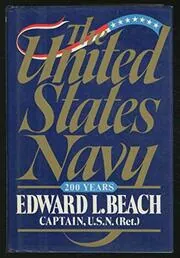
The United States Navy
by Edward L Beach
1986
Beach traces the American Navy's development through its people, ships, and major engagements. This narrative history moves from the service's early years through World War II, examining changes in naval power and the decisions that shaped its growth.

Scapegoats
by Edward L Beach
1995
Beach reassesses the blame assigned to Admiral Kimmel and General Short after Pearl Harbor. He argues that the commanders were unfairly judged, examining the intelligence available to Washington and questioning how responsibility for the disaster was apportioned.
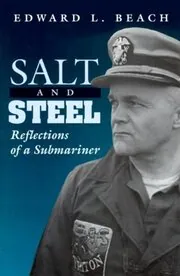
Salt and Steel
by Edward L Beach
1999
Beach reflects on a naval career spanning Pacific submarine patrols, Pentagon disputes, and service as President Eisenhower's naval aide. His memoir combines personal recollection with observations of the Navy's leadership, institutional conflicts, and changing place in American defense.
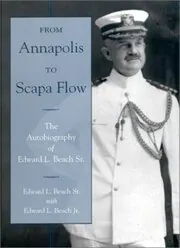
From Annapolis to Scapa Flow
by Edward L Beach
2002
Edward L. Beach Sr.'s memoir follows a naval career bridging wooden sailing ships and modern warships. Prepared for publication by his son, it recounts experiences from Manila Bay to Scapa Flow and the loss of USS Memphis.
Standalone Edward L Beach books


















Edited by
Software engineer whose passion for tracking book recommendations from podcasts inspired the creation of MRB.
Lead investor at 3one4 Capital whose startup expertise and love for books helped shape MRB and its growth.
Comments
Did we miss something? Have feedback?
Help us improve this page by sharing your thoughts