
Edward Abbey Books in Order
Find Edward Abbey's books in order, with summaries, background on his desert writing, reading guides, and suggestions on where to start exploring his work.
Last updated:
As an Amazon Associate, we earn from qualifying purchases (at no extra cost to you).
Edward Abbey books in publication order
27 books

Jonathan Troy
by Edward Abbey
1954
Jonathan Troy centers on a brilliant, arrogant high school senior in a Pennsylvania mill town who longs to escape to the desert West. A chain of romances, family fights, and political tensions shows both his gifts and his deep contempt for almost everyone around him.
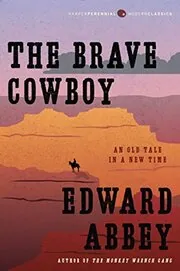
The Brave Cowboy
by Edward Abbey
1956
The Brave Cowboy follows Jack Burns, a saddle tramp who rejects identification cards, fences, and the draft. When he deliberately gets himself arrested to spring a jailed friend, his escape attempt becomes a chase between one man on horseback and the modern state.
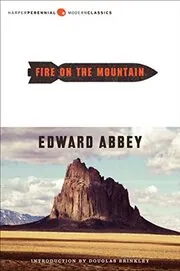
Fire on the Mountain
by Edward Abbey
1962
Fire on the Mountain tells of New Mexico rancher John Vogelin, whose land is condemned so the Air Force can expand a bombing range. Narrated by his visiting grandson, the story tracks a stubborn stand against eviction and the cost of defiance.
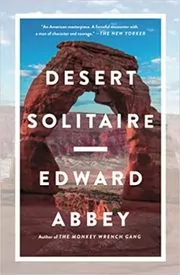
Desert Solitaire
by Edward Abbey
1968
Desert Solitaire recounts Abbey's seasons as a backcountry ranger at Arches in the late 1950s. Vivid portraits of snakes, canyons, storms, and lonely camp shifts lead into attacks on roads, dams, and the spread of industrial tourism in wild places.
Recommended by
1 person Maria Popova recommended this book
Maria Popova
"So powerful, so enduring, so fiercely necessary today." - Maria Popova
Maria Popova's recommendation of this book
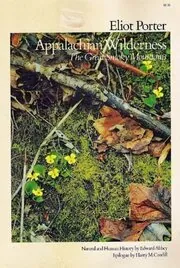
Appalachian Wilderness
by Edward Abbey
1970
Appalachian Wilderness combines color photographs of the Great Smoky Mountains with essays by Abbey and others. The book lingers on misty ridges, old forests, and threatened hollows, linking eastern landscapes to the conservation battles he cared about.
Beyond the Wall
by Edward Abbey
1971
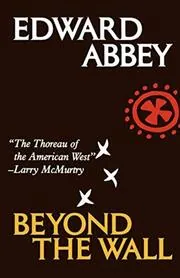
Beyond the Wall gathers essays about hiking, rafting, and wandering from Alaska to Mexico. Abbey uses trips through deserts, rivers, and borderlands to explore solitude, friendship, loss, and the pressures pushing wild country toward development.
Black Sun
by Edward Abbey
1971
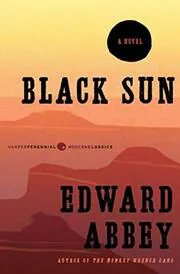
Black Sun follows Will Gatlin, a middle aged fire lookout on the North Rim of the Grand Canyon who falls hard for a much younger woman spending the summer there. When she vanishes, love story turns to mystery and quiet grief.
Slickrock
by Edward Abbey
1971
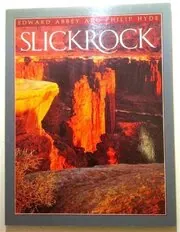
Slickrock showcases photographs of the canyon country of southeast Utah alongside Abbey's text. Together they trace rivers, domes, and stone mazes, making a visual and verbal case for keeping this redrock landscape wild.

Cactus Country
by Edward Abbey
1973
Cactus Country is Abbey's tour of the Sonoran Desert in southern Arizona and northern Mexico, written to accompany a wealth of color photographs. He explains saguaros, coyotes, flash floods, and heat while arguing that this region is anything but empty.

The Monkey Wrench Gang
by Edward Abbey
1975
A Vietnam veteran, a river guide, a surgeon, and a feminist firebrand form an unlikely crew of saboteurs in the desert Southwest, targeting dams, roads, and strip mines. Their underground campaign against industrial development soon draws the full attention of the law.
The Hidden Canyon
by Edward Abbey
1977
The Hidden Canyon combines color photographs with Abbey's journal from an eighteen day dory trip down the Colorado River through Grand Canyon. Notes on rapids, side canyons, guides, and camp life capture the river's mix of danger and stillness.
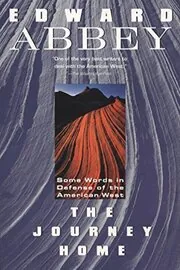
The Journey Home
by Edward Abbey
1977
In The Journey Home Abbey writes about leaving cities behind and returning, again and again, to the American West. The essays move from Hoboken streets to Utah slickrock, blending natural history, memory, and criticism of boomtown growth.
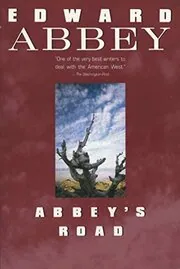
Abbey's Road
by Edward Abbey
1979
Abbey's Road is a travel essay collection that follows Abbey along back roads, rivers, and borderlands from the Southwest to Australia and Mexico. Comic mishaps, portraits of odd characters, and sharp environmental warnings run side by side.

Desert Images
by Edward Abbey
1979
Desert Images pairs large color photographs of the American Southwest with Abbey's essays and captions. His spare, insistent text celebrates cliffs, canyons, and open sky while arguing that this harsh country deserves respect rather than extraction.
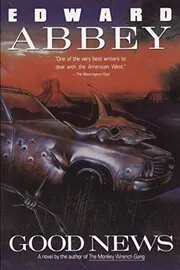
Good News
by Edward Abbey
1980
In Good News the economy and government have collapsed, leaving a ruined Phoenix divided between scattered free communities and a would-be general building his own army. Old cowboy Jack Burns and a younger drifter are drawn into a final struggle over freedom.
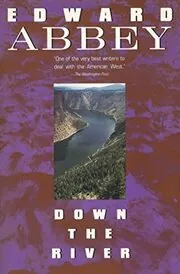
Down the River
by Edward Abbey
1982
This collection of essays follows Abbey on river trips through canyons of the American West. Descriptions of floating wild water and camping on remote sandbars mix with portraits of friends and criticism of dams, militarized landscapes, and land grabs.

Slumgullion Stew
by Edward Abbey
1984
Slumgullion Stew is a reader Abbey assembled from his own work. Chapters from novels, essays, and travel pieces are stirred together into one volume, offering a rough, flavorful sampling of his fiction and nonfiction in a single place.
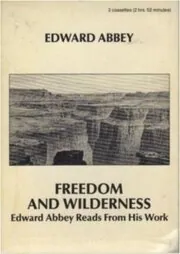
Freedom and Wildness
by Edward Abbey
1987
Freedom and Wildness presents a short selection of Abbey's nonfiction on wilderness and personal liberty, drawn from books like Desert Solitaire, The Journey Home, Abbey's Road, and Down the River. It offers a compact introduction to many of his fiercest ideas.
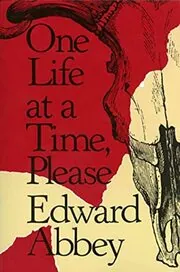
One Life at a Time, Please
by Edward Abbey
1987
In One Life at a Time, Please Abbey gathers essays and reviews about ranchers, city planners, critics, and desert country. He ranges from road trips and wilderness defenses to sharp attacks on bureaucracy, mass culture, and runaway growth.

The Best of Edward Abbey
by Edward Abbey
1988
The Best of Edward Abbey is a substantial collection he chose himself, pulling long excerpts from novels like The Brave Cowboy, Black Sun, and The Monkey Wrench Gang along with many of his strongest essays and a few sketches and poems.
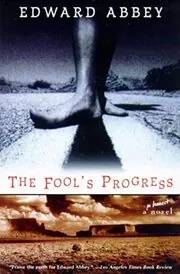
The Fool's Progress
by Edward Abbey
1988
Aging misfit Henry Lightcap reacts to the collapse of his third marriage by shooting his refrigerator and driving his old truck and older dog back toward his Appalachian hometown. Along the way, memories and detours sketch a rough, darkly comic life story.
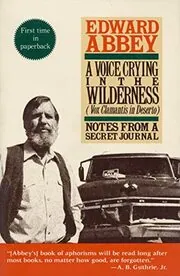
A Voice Crying in the Wilderness
by Edward Abbey
1989
A Voice Crying in the Wilderness collects brief, punchy notes from Abbey's journals on subjects ranging from God and government to wilderness and beer. The result reads like a desert notebook, caustic, funny, and unexpectedly tender in places.
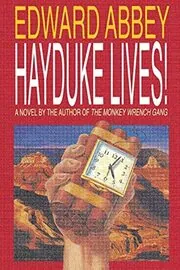
Hayduke Lives!
by Edward Abbey
1990
Hayduke Lives! returns to the world of The Monkey Wrench Gang, as George Hayduke resurfaces in canyon country under new aliases. He and his old comrades join younger activists to wage fresh acts of eco-sabotage against massive desert developments.
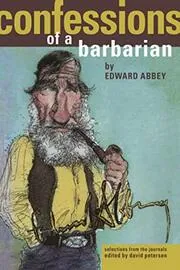
Confessions of a Barbarian
by Edward Abbey
1994
This volume selects entries from Abbey's private journals, spanning his early ranger years to the weeks before his death. Candid notes on work, marriage, travel, and politics sit beside desert sketches and fragments that later fed his essays and novels.

Earth Apples
by Edward Abbey
1994
Earth Apples collects Abbey's poems, from rough political pieces to quiet lyrics about desert light and love. The tone swings between jokey and sincere, giving fans of his prose a different, compact way into his obsessions.

The Serpents of Paradise
by Edward Abbey
1995
The Serpents of Paradise arranges essays, travel pieces, and short fiction in the order of Abbey's life, from boyhood in Pennsylvania to his last desert years. It works as a narrative sampler, showing how his style and concerns changed over time.
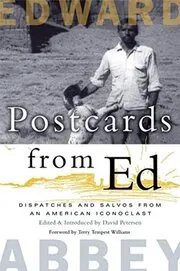
Postcards from Ed
by Edward Abbey
2006
Postcards from Ed gathers decades of Abbey's letters and postcards to friends, editors, and enemies. The pieces show him arguing over wilderness, politics, and art while joking, apologizing, and revealing the daily life behind his books.
Where to start with Edward Abbey
If you're new to Edward Abbey's nonfiction: Desert Solitaire → Down the River → The Journey Home
If you want his classic eco-thriller fiction: The Monkey Wrench Gang → Hayduke Lives!
If you prefer Western-leaning novels: The Brave Cowboy → Fire on the Mountain → The Fool's Progress
If you like essays and letters in smaller bites: Abbey's Road → One Life at a Time, Please → Postcards from Ed
Edward Abbey collections, short stories, and related book types
Collections
Non-Fiction
Standalone Edward Abbey books
Author bio
Edward Abbey was born in 1927 in Indiana, Pennsylvania, where his mother taught school and played organ at church and his father argued politics at the kitchen table. Stories, music, and debate shaped him early, along with a restless urge to leave town.
Just before turning eighteen he headed west on his own, hitchhiking and riding freight trains through the Four Corners country. The bare rock, open sky, and silence of the desert hit him hard, and that first long wander became the reference point for almost everything he wrote later.
After service in the army, Abbey studied philosophy and English at the University of New Mexico, earning degrees in philosophy. A year as a Fulbright scholar at the University of Edinburgh gave him time to read, walk, and finish his first novel, Jonathan Troy. Back home he kept writing between odd jobs in the Southwest, publishing The Brave Cowboy and Fire on the Mountain while working as a ranger and fire lookout.
In the mid 1950s Abbey spent two seasons as a seasonal ranger at Arches, then a quiet national monument at the end of a dirt road near Moab, Utah. He kept detailed notebooks while he maintained trails, talked with visitors, and watched the desert change around him. Those notes became Desert Solitaire, a raw, reflective memoir of living alone in canyon country that many readers still treat as a kind of desert scripture.
Where Desert Solitaire is mostly solitary, his best known novel, The Monkey Wrench Gang, runs on noise and trouble. A group of misfits and river guides roam the canyonlands sabotaging billboards, bulldozers, and bridges in defense of the place they love. The book helped give the word 'monkeywrenching' its modern meaning and pushed a generation of activists to think harder about what real resistance might look like.
Later novels such as Good News and The Fool's Progress push the same themes into new shapes, from a broken future in Phoenix to a stubborn, half comic stand in for Abbey driving back toward his Appalachian boyhood.
His nonfiction runs just as wide. Collections like The Journey Home, Abbey's Road, Down the River, and Beyond the Wall mix backcountry travel stories with sharp arguments about public land, dams, and what he saw as the deadening effects of modern life. The same pages that praise canyon light often slam bureaucrats, developers, and what he called industrial tourism in the national parks.
Abbey liked to claim that he wrote to wake people up, not to soothe them, and his smaller books show that voice at close range. A Voice Crying in the Wilderness gathers short, sharp notes on everything from religion to beer. Confessions of a Barbarian and Postcards from Ed open his journals and letters, revealing a working life spent drafting, revising, quarreling with editors, raising children, and trying to balance solitude with companionship.
He spent most of his adult life in the deserts of the Southwest, especially Utah, New Mexico, and Arizona, rarely far from the canyons and rivers that shaped his thinking. Friends and family remember him as generous, funny, and argumentative all at once. His views on population, immigration, and gender still draw criticism, and readers continue to debate how to square those stances with his fierce defense of wild places.
Abbey died in 1989 near Tucson and was buried, as he requested, in a sleeping bag in an unmarked desert grave. His books are still passed from hiker to hiker and teacher to student as invitations to go outside, look closely, and love a place enough to fight for it.








Edited by
Software engineer whose passion for tracking book recommendations from podcasts inspired the creation of MRB.
Lead investor at 3one4 Capital whose startup expertise and love for books helped shape MRB and its growth.
Comments
Did we miss something? Have feedback?
Help us improve this page by sharing your thoughts