
Edna O'Brien Books in Order
Explore Edna O'Brien books in order, with quick summaries, a guide to The Country Girls trilogy, and clear suggestions on where to start reading.
Last updated:
As an Amazon Associate, we earn from qualifying purchases (at no extra cost to you).
Edna O'Brien books in publication order
47 books
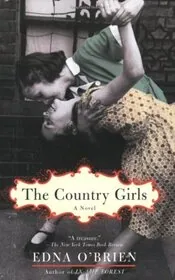
The Country Girls
by Edna O'Brien
1960
Kate Brady and Baba Brennan leave a strict rural upbringing and convent discipline behind for the promise of Dublin. Funny and tender at first, the novel slowly shows how freedom can come with its own costs.
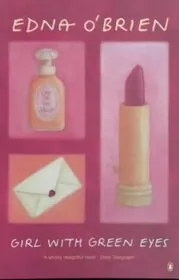
Girl with Green Eyes
by Edna O'Brien
1962
Living in Dublin with Baba, Kate falls for the older and more worldly Eugene Gaillard and imagines a grand romance. The second Country Girls novel tracks first love, class awkwardness, and disillusion.
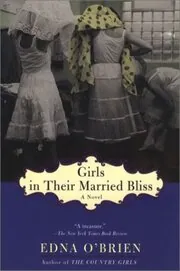
Girls in Their Married Bliss
by Edna O'Brien
1964
Kate and Baba have reached London and marriage, but not peace. The final Country Girls novel is funny, bruising, and unsentimental about husbands, sex, motherhood, and the gap between freedom and happiness.
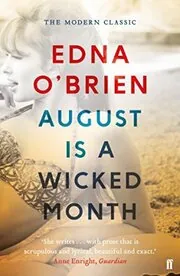
August Is A Wicked Month
by Edna O'Brien
1965
Recently separated Ellen leaves London for a reckless holiday on the French Riviera, chasing freedom and pleasure. What begins as escape turns into a raw study of desire, loneliness, and consequence.
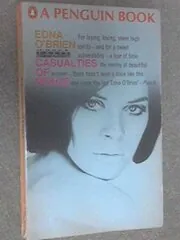
Casualties of Peace
by Edna O'Brien
1966
In London, glass artist Willa McCord and her friend Patsy try to live more freely than the men and marriages around them allow. O'Brien mixes friendship, longing, and social pressure with a darker edge.

The Love Object
by Edna O'Brien
1968
This story collection circles around desire, betrayal, loneliness, and the hard bargains women make in love. O'Brien moves between Ireland and elsewhere with sharp, intimate portraits and a cool eye for emotional dependence.

Three Dublin Plays
by Edna O'Brien
1969
A collection that brings together O'Brien's dramatic writing, rooted in Dublin lives and literary subjects. It is a good way to hear her stage voice, quick, tense, and deeply interested in women under strain.
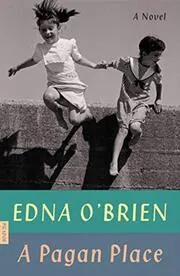
A Pagan Place
by Edna O'Brien
1971
Told in second person, this coming-of-age novel follows an unnamed girl through childhood and adolescence in rural Ireland. Family violence, religion, gossip, and awakening desire press in from every side.
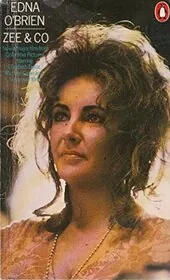
Zee & Co.
by Edna O'Brien
1971
O'Brien's screenplay for the story later filmed as X Y & Zee follows a brittle love triangle among wealthy Londoners. Sharp dialogue drives a tale of jealousy, erotic games, and emotional cruelty.
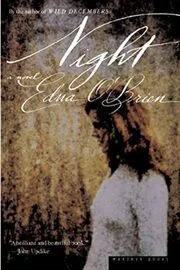
Night
by Edna O'Brien
1973
During a sleepless night, Mary Hooligan's mind ranges through memory, desire, fear, and grief. The novel is intense and interior, less driven by plot than by a consciousness under pressure.

A Scandalous Woman And Other Stories
by Edna O'Brien
1974
These stories return to girls, wives, lovers, and mothers caught between desire and judgment. O'Brien is especially sharp on village memory, small humiliations, and the private cost of being watched.
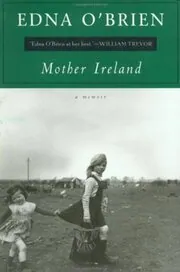
Mother Ireland
by Edna O'Brien
1976
Part memoir and part meditation on place, this slim book looks at the Ireland that formed and troubled O'Brien. It is full of childhood memory, anger, affection, and the strange hold of home.
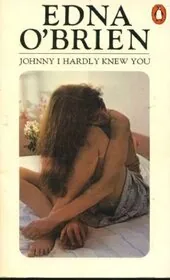
Johnny I Hardly Knew You
by Edna O'Brien
1977
A young Irish widow leaves village life for London, hoping work and distance will bring freedom. Instead she finds loneliness, divided loyalties, and the lingering wounds of marriage and family.

Collector's Choice
by Edna O'Brien
1978
A large omnibus gathering seven novels and shorter work from O'Brien's early career. It offers a useful snapshot of the themes that first defined her, escape, shame, desire, and disillusion.

A Rose in the Heart
by Edna O'Brien
1979
This collection, closely related to Mrs. Reinhardt and Other Stories, follows women through city love affairs, family burdens, and emotional dependence. The stories are cool-eyed about longing, but never cruel.

James and Nora
by Edna O'Brien
1981
A compact play about James Joyce and Nora Barnacle, tracing their long, difficult, passionate life together. O'Brien focuses on work, poverty, desire, and the bond that survived all of it.

The Dazzle
by Edna O'Brien
1981
Tim's meeting with Mattie, a mouse with a touch of magic, opens the door to a playful children's adventure. Short and charming, it mixes animal story warmth with surprise and make-believe.

Virginia
by Edna O'Brien
1981
O'Brien's play about Virginia Woolf follows the writer across the key relationships and pressures of her life. It is literary but direct, interested in art, mental strain, and the cost of being fully seen.
A Christmas Treat
by Edna O'Brien
1982
Tim and Mattie, the mouse with the magic dazzle, head into the city at night to see the Christmas decorations. A small, lively children's adventure full of festive wonder and after-dark excitement.
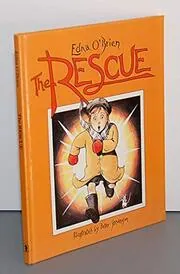
The Rescue
by Edna O'Brien
1983
A children's adventure, illustrated by Peter Stevenson, built around peril, movement, and a race toward safety. It has the quick, storybook feel of O'Brien's writing for younger readers.

A Fanatic Heart
by Edna O'Brien
1984
A selected stories volume spanning much of O'Brien's early and middle career. It shows her range, from Irish girlhood and village life to adult love, exile, and the ache of wanting more.
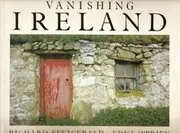
Vanishing Ireland
by Edna O'Brien
1987
With photographs and text, this book records Irish people, places, and ways of life already slipping from view. It works as both a portrait gallery and a moving act of cultural memory.
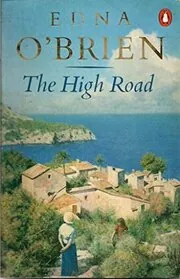
The High Road
by Edna O'Brien
1988
After a devastating affair ends, Anna escapes to a Spanish island hoping to recover. Instead she finds a moody, unsettling landscape of obsession, self-deception, and danger that will not stay politely in the background.
On The Bone
by Edna O'Brien
1989
O'Brien's first published poetry collection gathers intimate poems about love, memory, desire, faith, and mortality. The language is lean and exposed, carrying the same emotional pressure found in her fiction.

Lantern Slides
by Edna O'Brien
1990
This award-winning collection offers vivid stories about Irish villages, city love affairs, and the weight of memory. O'Brien works on a short-story scale but still gives whole lives room to breathe.
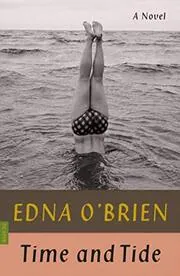
Time and Tide
by Edna O'Brien
1992
Nell, an Irish woman in London, tries to make a life through love affairs, motherhood, and the literary world. Fragmented and searching, the novel follows passion, loss, and the cost of depending on the wrong people.

Edna O'Brien Reader
by Edna O'Brien
1994
A broad selection of fiction and other writing that works as an introduction to O'Brien's career. Expect signature themes, Irish childhood, desire, exile, and mothers and daughters gathered in one volume.
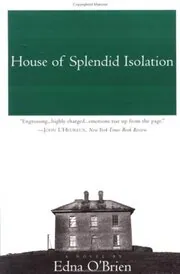
House of Splendid Isolation
by Edna O'Brien
1994
Josie O'Meara, alone in a decaying country house, finds herself sheltering IRA fugitive McGreevy. Their uneasy standoff becomes a tense, intimate novel about violence, history, and unexpected human connection.

Mrs. Reinhardt
by Edna O'Brien
1996
These stories follow women entangled in bad love, family demands, and restless self-questioning. Often set away from rural Ireland, they show O'Brien writing about emotional dependence with unusual clarity.
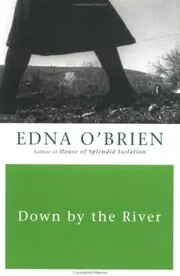
Down by the River
by Edna O'Brien
1997
Mary, a teenage girl abused by her father, becomes pregnant and is swept into a public battle over abortion. O'Brien turns a real Irish controversy into an urgent novel about power, shame, and a girl's fight for agency.

Irish Revel
by Edna O'Brien
1998
A standalone short story about a young Irish girl facing class embarrassment and social cruelty at what should be a festive occasion. Small in scale, it captures O'Brien's gift for humiliation, longing, and social detail.

Returning
by Edna O'Brien
1998
This collection revisits childhood and adolescence in rural Ireland through closely observed emotional landscapes. Convent rules, village gossip, first crushes, and family tensions all arrive with unusual immediacy.
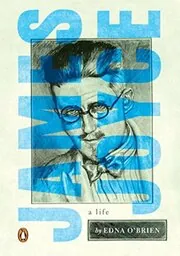
James Joyce
by Edna O'Brien
1999
A short, accessible life of James Joyce, from Dublin beginnings and European exile to the making of Ulysses. Good for readers who want the family tensions, the hardships, and the writer without a massive biography.
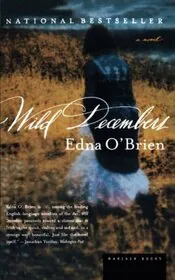
Wild Decembers
by Edna O'Brien
1999
In western Ireland, Joseph Brennan and newcomer Mick Bugler become locked in a feud over land, pride, and desire. The local quarrel turns deadly as O'Brien maps inheritance, isolation, and long-buried rage.
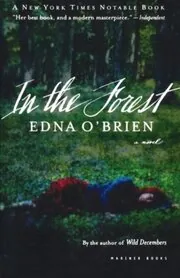
In the Forest
by Edna O'Brien
2002
Based on a real Irish murder case, this novel follows the damaged Michen O'Kane toward an act of appalling violence. O'Brien turns true crime into a stark study of loneliness, madness, and terror in rural life.

Triptych
by Edna O'Brien
2005
A stage play built around a love triangle and the emotional wreckage it leaves behind. O'Brien gives each corner of the triangle a voice, making desire, grievance, and performance the real action.

Triptych and Iphigenia
by Edna O'Brien
2005
This volume pairs Triptych with Iphigenia, bringing together two O'Brien plays about desire, sacrifice, and power. It shows her theatrical writing at its sharpest, intimate, talky, and emotionally combative.
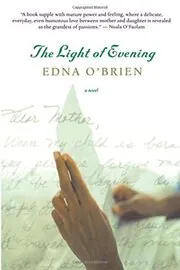
The Light of Evening
by Edna O'Brien
2006
As Dilly Macready lies in a Dublin hospital, she waits for a final visit from her estranged daughter, a writer living in London. Past and present fold together in a tender, tense novel about mothers, daughters, and home.
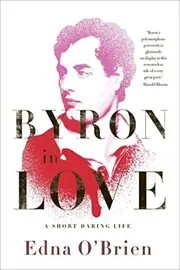
Byron in Love
by Edna O'Brien
2009
A brief, intimate portrait of Lord Byron through his appetites, scandals, travels, and restless need to be in love. O'Brien keeps the focus on the man behind the legend and the life behind the poems.

Shovel Kings
by Edna O'Brien
2009
A story set among Irish laborers in London, looking at exile, hard work, and a generation that left home to dig up other people's streets. Brief and pointed, it carries the sadness of distance.

Haunted
by Edna O'Brien
2011
A play about an aging marriage, lost hopes, and a younger woman drawn into the couple's damage. O'Brien treats it almost like a ghost story, where regret and memory feel as solid as the living.

Saints and Sinners
by Edna O'Brien
2011
This collection ranges from London to rural Ireland, but keeps returning to memory, family, and old emotional debts. It includes some of O'Brien's strongest late stories and won a major short story prize.
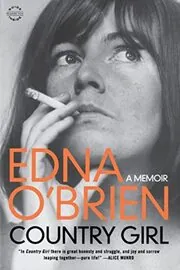
Country Girl
by Edna O'Brien
2012
O'Brien's memoir traces her path from a strict County Clare childhood to literary London, scandal, and hard-won independence. It is candid, vivid, and especially strong on family, ambition, and the making of a writer.
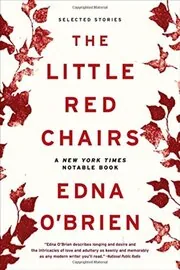
The Little Red Chairs
by Edna O'Brien
2015
A charismatic Balkan healer arrives in a small Irish village and draws Fidelma McBride into a disastrous affair. When his true identity surfaces, the novel opens into a dark story of war, exile, and complicity.
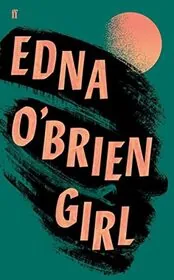
Girl
by Edna O'Brien
2019
Maryam, a Nigerian schoolgirl, is abducted by jihadists and must survive captivity, rape, escape, and the hard journey home. A harrowing novel about trauma, stigma, and the stubborn will to live.

Paradise
by Edna O'Brien
2019
A short story about a woman on holiday with her married lover, learning that glamour and disappointment can sit side by side. It is precise, sad, and quietly ruthless about romantic illusion.

Joyce's Women
by Edna O'Brien
2022
Written for the centenary of Ulysses, this play gives voice to the women around James Joyce, especially Nora and Lucia. It refracts the writer through those who loved him, lived with him, and suffered for him.
Where to start with Edna O'Brien
If you want the classic breakthrough: The Country Girls → Girl with Green Eyes → Girls in Their Married Bliss
If you want the later, darker novels: House of Splendid Isolation → Down by the River → The Little Red Chairs → Girl
If you want family and mother-daughter fiction: A Pagan Place → The Light of Evening
If you want memoir first: Country Girl → Mother Ireland
If you want the short stories: The Love Object → Lantern Slides → Saints and Sinners
Edna O'Brien sub-series and character series
The Country Girls Trilogy books in order
Explore this seriesThe Country Girls Trilogy books in chronological order
Edna O'Brien collections, short stories, and related book types
Collections
Picture Books
Short Stories/Novellas
Non-Fiction
Faber Stories
Penguin Lives
Standalone Edna O'Brien books
Author bio
Edna O'Brien was born in Tuamgraney, County Clare, on December 15, 1930, and grew up in a rural Ireland shaped by church, custom, gossip, and long memory. She was the youngest of four children. Her mother was deeply religious, her father drank and gambled, and books were not exactly welcomed in the house, which made reading feel both private and urgent from an early age.
She went first to school in Scariff, then to the Convent of Mercy in Loughrea, and later studied at the Pharmaceutical College in Dublin. For a time she worked in a pharmacy by day and studied at night. Dublin mattered because it widened the world. It gave her access to books, ideas, and the sense that writing might be a life, not just a secret habit.
Then London changed things.
O'Brien married the writer Ernest Gébler, and in the late 1950s moved with him to London. There she worked as a reader for a publishing house, writing reports on other people's manuscripts. That job turned out to be a doorway. Her employers saw something in the way she wrote and asked her for a novel, and the result was The Country Girls, published in 1960.
That first novel made her famous and made her trouble. The Country Girls, and later Girl with Green Eyes and Girls in Their Married Bliss, wrote frankly about young women, sex, shame, hunger, and escape. In Ireland the books were banned and denounced, and copies were burned in her home area. Readers elsewhere kept finding them. What felt scandalous to some people felt true to others.
Ireland never left her.
Across the decades she kept returning to the same deep subjects, even as the settings changed. Her books often center women trying to make a life under pressure, daughters and mothers locked in love and resentment, people leaving home and never fully leaving it behind. You can see that in the fierce inwardness of A Pagan Place, the political tension of House of Splendid Isolation, the public cruelty at the heart of Down by the River, the mother-daughter ache of The Light of Evening, and the late, harrowing power of Girl. Her short stories mattered just as much. Collections like The Love Object, Lantern Slides, and Saints and Sinners show how much she could do in a few pages, and Saints and Sinners won the Frank O'Connor International Short Story Award.
She also wrote memoir, biography, poetry, and plays. Country Girl looks back on her own life with unusual candor, from County Clare childhood to literary London, difficult love, motherhood, and public notoriety. She wrote books on James Joyce and Lord Byron, both writers she understood not as marble busts but as messy, driven people. That human scale is part of what makes her work feel so alive.
Her marriage ended in divorce in 1964, and she raised two sons, Carlo and Sasha. She lived in London for most of her adult life, though Ireland stayed at the center of her imagination and much of her fiction. Edna O'Brien died in London on July 27, 2024, at the age of ninety-three. By then she had spent more than sixty years writing about the things polite society preferred not to name, and doing it in a voice that was intimate, restless, and unmistakably her own.






Edited by
Software engineer whose passion for tracking book recommendations from podcasts inspired the creation of MRB.
Lead investor at 3one4 Capital whose startup expertise and love for books helped shape MRB and its growth.
Comments
Did we miss something? Have feedback?
Help us improve this page by sharing your thoughts