
Dudley Pope Books in Order
Explore Dudley Pope books in order, from Ramage to Ned Yorke, with quick summaries, series background, reading order, and simple advice on where to start.
Last updated:
As an Amazon Associate, we earn from qualifying purchases (at no extra cost to you).
Dudley Pope books in publication order
37 books
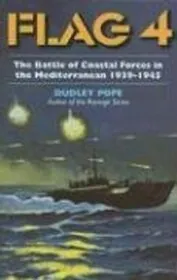
Flag 4
by Dudley Pope
1954
Pope's first book covers Coastal Forces in the Mediterranean during the Second World War. It focuses on small craft, night attacks, and the kind of hard, close fighting that larger fleet histories often miss.
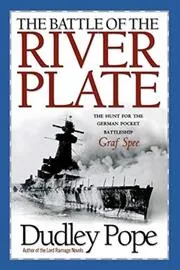
The Battle of the River Plate
by Dudley Pope
1956
This account follows Captain Hans Langsdorff and the Graf Spee as British forces close in. Pope explains the pursuit, the deception, and the famous battle with the pace and clarity of a thriller.
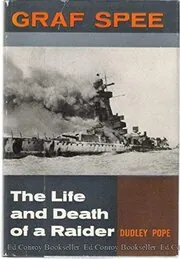
Graf Spee
by Dudley Pope
1957
Pope traces the career of the German pocket battleship from commerce raiding to its dramatic end off South America. The story balances shipboard detail, command decisions, and the larger fight for Atlantic trade.
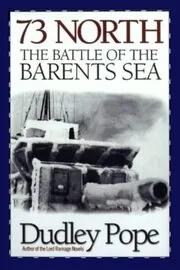
73 North
by Dudley Pope
1958
Focusing on the Battle of the Barents Sea, Pope follows the Arctic convoy fight that checked a much stronger German force. Ice, weather, and narrow margins make this World War II history read like frontline action.
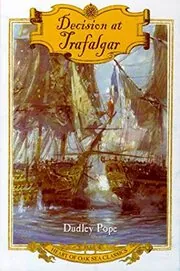
Decision at Trafalgar / England Expects
by Dudley Pope
1960
Pope follows the campaign to Trafalgar from strategy and personalities through the battle itself. It is a clear, energetic account of how Nelson forced the showdown that shaped the war at sea.

At 12 Mr. Byng was Shot
by Dudley Pope
1962
This book reexamines Admiral John Byng's execution after the failure to relieve Minorca. Pope follows the battle, the politics, and the court martial to ask whether Byng paid for other men's mistakes.
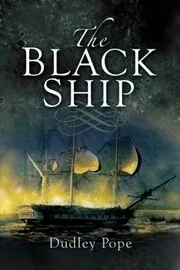
The Black Ship
by Dudley Pope
1963
Pope recounts the bloody mutiny aboard HMS Hermione and the relentless effort to hunt down the killers afterward. It is a grim, gripping study of brutality, discipline, and revenge in the late eighteenth-century navy.
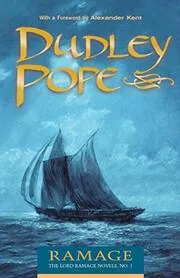
Ramage
by Dudley Pope
1964
Young Lieutenant Lord Nicholas Ramage is sent on a desperate mission to rescue stranded aristocrats from the Italian coast as Napoleon advances. With almost nothing going his way, he survives through speed, nerve, and quick decisions.
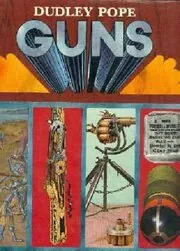
Guns
by Dudley Pope
1965
This illustrated history traces the development of guns across centuries of warfare. Pope combines clear explanation with vivid examples, making the technology and its battlefield impact easy to follow.
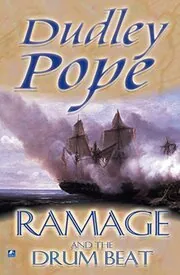
Ramage and the Drum Beat
by Dudley Pope
1968
Ordered toward Gibraltar in the run-up to major action, Ramage is swept into dangerous operations around Spain. The book mixes naval maneuvering, covert work, and the widening reach of Nelson's war.
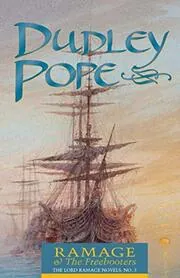
Ramage and the Freebooters / Triton Brig
by Dudley Pope
1969
Given command of the brig Triton just as mutiny shakes the fleet, Ramage must carry sealed dispatches across hostile seas. If crew unrest or enemy action stops him, he will be the convenient scapegoat.
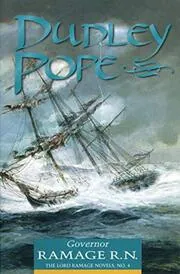
Governor Ramage R. N.
by Dudley Pope
1973
Escort duty from Barbados to Jamaica sounds routine until Ramage must protect a politically important French refugee family. Old enemies, fragile loyalties, and a dangerous passage make the assignment anything but ordinary.
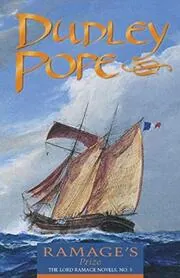
Ramage's Prize
by Dudley Pope
1974
British post vessels are vanishing between England and the West Indies, threatening vital wartime communications. From Jamaica, Ramage sets out to learn whether privateers, treachery, or something worse is behind the losses.
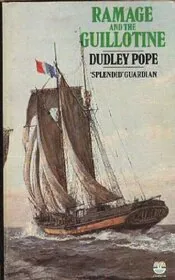
Ramage and the Guillotine
by Dudley Pope
1975
With Napoleon preparing invasion forces across the Channel, Ramage is sent on a covert mission into France. If he fails to uncover the truth, the cost is not just defeat but the guillotine.
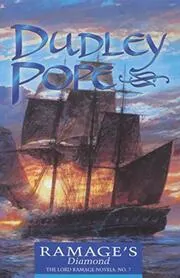
Ramage's Diamond
by Dudley Pope
1976
Sent to Martinique and Diamond Rock on what looks like a routine blockade mission, Ramage soon finds his ship and crew in poor shape. French pressure and weak discipline make every decision harder.
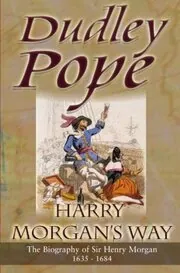
Harry Morgan's Way
by Dudley Pope
1977
Pope's biography of Sir Henry Morgan strips away the easy pirate myths and follows the man through raids, politics, and governorship in Jamaica. It is a lively look at the world that made him famous.
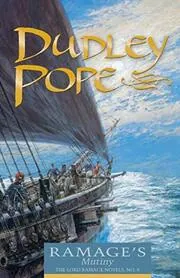
Ramage's Mutiny
by Dudley Pope
1977
When the British ship Jocasta falls prey to mutiny and Spanish capture, Ramage goes after her at enormous risk. To save the ship, he may have to stir dangerous unrest aboard his own vessel.
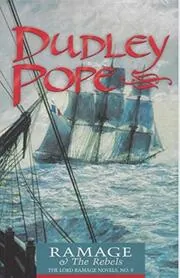
Ramage and the Rebels
by Dudley Pope
1978
While searching Jamaican waters for freebooters, Ramage finds the aftermath of a massacre by a French privateer. His pursuit becomes a hard, personal hunt for justice across dangerous Caribbean seas.

The Buccaneer King
by Dudley Pope
1978
This biography looks past the pirate legend to the real Sir Henry Morgan, raider, strategist, and later governor of Jamaica. Pope places him in the hard politics of the seventeenth-century Caribbean.
The Great Gamble
by Dudley Pope
1978
Pope tells the story of Nelson at Copenhagen, focusing on the battle itself and the command failures around it. It is as much about hesitation, politics, and nerve as it is about cannon fire.
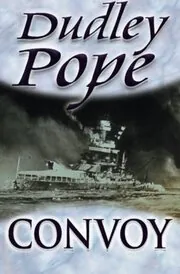
Convoy
by Dudley Pope
1979
Lieutenant Ned Yorke is sent to discover why merchant ships are being lost from inside supposedly protected convoys. The hunt leads into a shadowy Atlantic game of U-boats, deception, and danger from within.
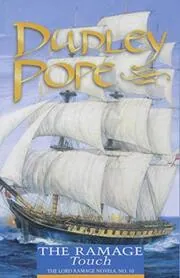
The Ramage Touch
by Dudley Pope
1979
Cruising the Tuscan coast with little support, Ramage spots a powerful French invasion force assembling. With only the Calypso and two bomb ketches, he has to improvise fast before the enemy strikes.
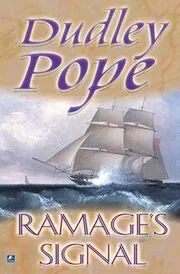
Ramage's Signal
by Dudley Pope
1980
Deep in French-controlled Mediterranean waters, Ramage takes the Calypso on a mission of destruction and deception. Outnumbered and far from help, he must turn surprise and seamanship into his only real advantages.
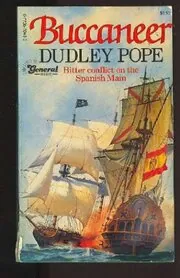
Buccaneer
by Dudley Pope
1981
In the 1650s Caribbean, Royalist Ned Yorke sails from Barbados with enemies on every side, from Roundheads to Spaniards. His fight for freedom pulls him into the struggle for Jamaica and the raid on Santiago.
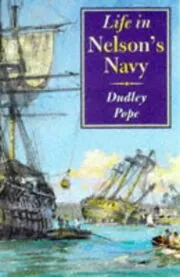
Life in Nelson's Navy
by Dudley Pope
1981
Rather than retelling famous battles, Pope shows how Nelson's navy actually worked day to day. He covers press gangs, discipline, food, shipbuilding, promotion, and the hard lives of ordinary seamen.
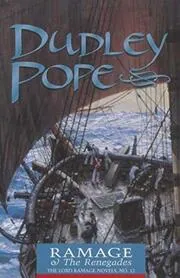
Ramage and the Renegades
by Dudley Pope
1981
Sent to inspect remote Trinidad off Brazil, Ramage instead finds captured merchantmen and violent pirates. The mission turns into a chase through unfamiliar waters, with prisoners and crews depending on his judgment.
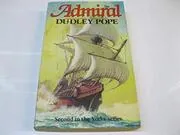
Admiral
by Dudley Pope
1982
Charles II's return changes the politics of the Caribbean almost overnight. Ned Yorke must navigate shifting loyalties, uneasy truces, and fresh danger on the Spanish Main, where royal orders and sea survival rarely match.
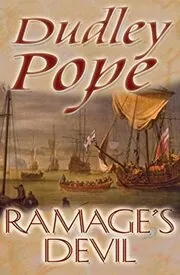
Ramage's Devil
by Dudley Pope
1982
Ramage's honeymoon in France ends abruptly when the Peace of Amiens collapses. Trapped on enemy soil with Sarah, he must evade Napoleon's police before war fully closes around them.
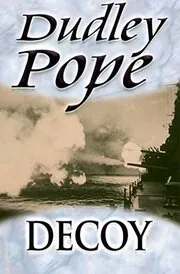
Decoy
by Dudley Pope
1983
In wartime Britain, Ned Yorke is handed a near-impossible mission: capture a U-boat intact and seize its codes without alerting the Germans. It is tense naval suspense built around secrecy, timing, and raw nerve.
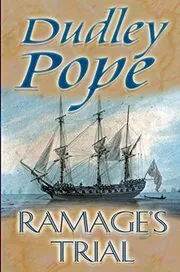
Ramage's Trial
by Dudley Pope
1984
Returning from Devil's Island without his wife, Ramage is forced to shepherd a slow convoy back to England. Then baffling events push him toward a court martial where his career and life are both at risk.
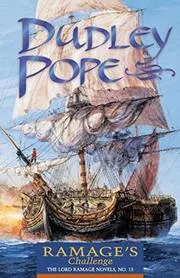
Ramage's Challenge
by Dudley Pope
1985
British agents and allies are trapped on the Tuscan mainland, among them people Ramage deeply cares about. He returns to hostile coastlines and hidden operations, where rescue depends on nerve and deception.
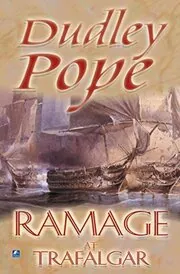
Ramage At Trafalgar
by Dudley Pope
1986
Ramage is called from home to join Nelson off Cadiz as the British prepare for a decisive clash. The novel places him close to the tension, tactics, and violence of Trafalgar.
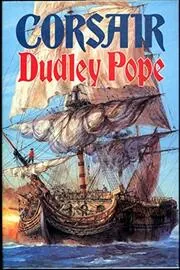
Corsair
by Dudley Pope
1987
Jamaica sits on shaky ground as rumors spread of a Spanish fleet in the Caribbean. Ned Yorke raids, scouts, and fights for answers, knowing one mistake could leave the island wide open to attack.
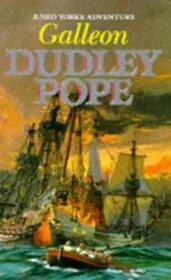
Galleon
by Dudley Pope
1987
Peace may have been declared, but Jamaica is still in danger and Spain remains powerful at sea. Ned Yorke, now a buccaneer leader, must act before weak officials and old enemies leave the island exposed.
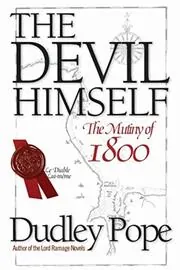
The Devil Himself
by Dudley Pope
1987
Pope reconstructs the 1800 mutiny aboard HMS Danae, when British sailors handed a captured French corvette back to the enemy. It is a tight, human account of pressure, fear, and betrayal at sea.
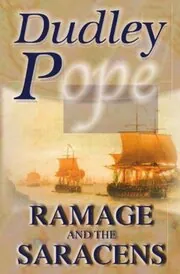
Ramage And The Saracens
by Dudley Pope
1988
Off Sicily, Ramage hunts Barbary Coast raiders who are enslaving villagers and carrying captives to sea. To stop them, he must find their base and attempt a dangerous rescue before another town is hit.
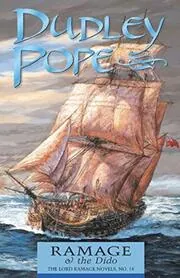
Ramage and the Dido
by Dudley Pope
1989
Ramage expects a quiet spell ashore, but instead he is ordered to take command of the 74-gun Dido and sail for the West Indies. Mastering a ship of the line is challenge enough before war and politics tighten the screws.
Where to start with Dudley Pope
If you want the classic naval adventures: Ramage → Ramage and the Drum Beat → Ramage and the Freebooters / Triton Brig
If you want Ramage at his most seasoned: The Ramage Touch → Ramage's Signal → Ramage and the Renegades → Ramage's Devil
If you prefer seventeenth-century Caribbean action: Buccaneer → Admiral → Galleon → Corsair
If you want World War II suspense: Convoy → Decoy
If you want his nonfiction first: The Battle of the River Plate → Decision at Trafalgar / England Expects → Life in Nelson's Navy
Dudley Pope sub-series and character series
Buccaneer Ned Yorke books in order
Explore this seriesBuccaneer Ned Yorke books in chronological order
Dudley Pope collections, short stories, and related book types
Non-Fiction
Standalone Dudley Pope books
Author bio
Dudley Pope was born at Stubb's Corner, near Ashford in Kent, on 29 December 1925, and he grew up in the county with the sea never feeling far away. Even before he became a writer, his life had the shape of one of his books: early danger, hard work, long stretches afloat, and a lasting fascination with how sailors think and survive.
The sea got him young.
He lied about his age to join the Home Guard at fourteen, and at sixteen became a Merchant Navy cadet. In 1942 his ship was torpedoed in the Atlantic, and he spent two weeks in a lifeboat before rescue. The injuries stayed with him for the rest of his life, and he lost a finger joint to gangrene.
After the war pushed him ashore, he turned to journalism. He worked first on a Kent newspaper and then joined the London Evening News, where he became its naval and defence correspondent. Reporting on ships and strategy pulled him deeper into naval history, and that research became the foundation of both his nonfiction and his fiction.
A nudge from C. S. Forester helped turn the historian into a novelist.
Pope's first books were nonfiction, beginning with Flag 4 in 1954. He went on to write histories such as The Battle of the River Plate, Decision at Trafalgar / England Expects, and Life in Nelson's Navy. Readers still come to those books for the same reason they come to his novels: he knew the practical side of ships, but he also knew how fear, fatigue, and bad luck can shape a fight.
That mix of research and lived experience shows up most clearly in Ramage, the first novel in the long Nicholas Ramage sequence. Pope follows Ramage from dangerous early commands to bigger ships and wider responsibility, and he does it without slowing the story down. Readers who like the series usually mention the same things: clear sea action, sharp decision-making under pressure, and a hero who wins as much by judgment as by dash.
He used the same feel for salt, politics, and survival in the Ned Yorke books, starting with Buccaneer. Those novels move through the seventeenth-century Caribbean, with Spain, England, privateers, governors, and smugglers all pulling in different directions. Even when the setting changes, Pope returns to the same questions: what duty means, how crews hold together, and what happens when official plans meet weather, distance, and human nature.
Much of his adult life was spent living on boats with his wife Kay and their daughter. The family lived in Italy for a time, later sailed to Barbados, and eventually made St Martin home. Pope wrote many of his books afloat, including work done aboard a wooden yacht named Ramage, and in later years he and Kay were known for diving and collecting seashells.
He died in Marigot, St Martin, on 25 April 1997. By then he had built a body of work that moved easily between fiction and history, but always stayed close to the people on deck. That is probably why the books still read so well: they know that ships matter, but people matter more.










Edited by
Software engineer whose passion for tracking book recommendations from podcasts inspired the creation of MRB.
Lead investor at 3one4 Capital whose startup expertise and love for books helped shape MRB and its growth.
Comments
Did we miss something? Have feedback?
Help us improve this page by sharing your thoughts