
Dracula Lives Books in Order
Part ofPeter Tremayne Books in OrderSee the Dracula Lives books in order by Peter Tremayne, with quick summaries, series background, and help choosing where to start this Gothic horror trilogy.
Last updated:
As an Amazon Associate, we earn from qualifying purchases (at no extra cost to you).
Dracula Lives books in publication order
3 books
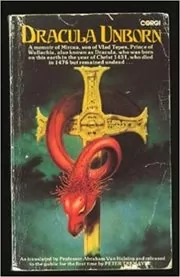
Dracula Unborn
by Peter Tremayne
1977
A Gothic reworking of the Dracula legend that imagines the vampire's story from within. Part confession and part dark historical fantasy, it follows bloodline, exile, and the lure of immortality.
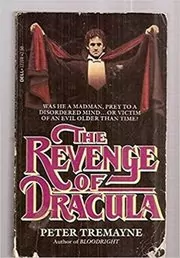
The Revenge of Dracula
by Peter Tremayne
1978
Upton Welsford's life unravels after a jade figurine brings nightmares and the woman he loves seems possessed. Soon he is caught in Dracula's long search for immortality.
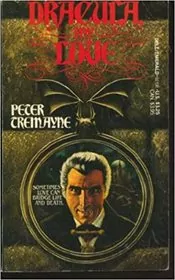
Dracula, My Love
by Peter Tremayne
1980
Grieving governess Morag MacLeod travels to Transylvania and enters the service of a sinister count. Under Dracula's spell, she must choose between passion, freedom, and survival.
Dracula Lives books in chronological order
Series background & context
The Dracula Lives books are Peter Tremayne's way of stepping into vampire fiction without simply replaying the familiar beats. This is not a straight retelling of Bram Stoker's novel from beginning to end. Instead, Tremayne circles the Dracula legend from different angles, using three connected books to explore bloodline, obsession, possession, and the long afterlife of an old evil.
Dracula is the constant presence, but he is not always used in the same way.
In Dracula Unborn, Tremayne leans into the historical and personal side of the myth. The book treats Dracula less like a monster who appears for a few shocks and more like a dark force with a past, a memory, and a voice of his own. That gives the story a slightly different feel from many paperback vampire novels of the same era. There is Gothic mood, of course, but there is also a sense of lineage and fatalism running underneath it.
The Revenge of Dracula shifts the focus to modern lives caught in the vampire's reach. A strange jade figurine, mounting nightmares, and a woman who seems to be slipping out of herself bring the supernatural threat into a more everyday setting. This middle book feels like the series at its most compact and pulpy, with cursed objects, psychological pressure, and the question of how far Dracula's desire for survival can bend the people around him.
Then Dracula, My Love turns toward Gothic romance. Morag MacLeod travels to Transylvania after personal loss and enters the service of the Count himself. The setting matters here. Tremayne uses the old castle-country atmosphere, foreign landscapes, isolation, and temptation to push the story toward a more intimate kind of horror. The danger is not just physical. It is emotional, seductive, and bound up with choice.
That variety is really the point of the series. One book feels closer to dark historical fantasy, one to a modern curse tale, and one to a doomed Gothic love story. What links them is Tremayne's interest in the Dracula myth as something flexible, something that can be retold through different characters and moods without losing its core pull.
Readers should expect old-school horror, rich atmosphere, and a serious affection for classic Gothic storytelling. These are leaner books than the later Sister Fidelma novels, and they move quickly, but they still carry Tremayne's usual interest in folklore, history, and people facing forces older than they understand. If you like vampire fiction that sits somewhere between legend, melodrama, and menace, Dracula Lives is a good place to meet his earlier work.


Edited by
Software engineer whose passion for tracking book recommendations from podcasts inspired the creation of MRB.
Lead investor at 3one4 Capital whose startup expertise and love for books helped shape MRB and its growth.
Comments
Did we miss something? Have feedback?
Help us improve this page by sharing your thoughts