
Dietrich Bonhoeffer Books in Order
This page lists Dietrich Bonhoeffer books in order, with short summaries, context on the Dietrich Bonhoeffer Works series, and suggestions on where to start.
Last updated:
As an Amazon Associate, we earn from qualifying purchases (at no extra cost to you).
Dietrich Bonhoeffer books in publication order
41 books
Act and Being
by Dietrich Bonhoeffer
1930
In this demanding but important study, Bonhoeffer examines how human thinking and acting relate to God’s self-revelation, criticizing both individualistic and purely intellectual accounts of faith and insisting that real knowledge of God happens in the church’s life.
Sanctorum Communio
by Dietrich Bonhoeffer
1930
Bonhoeffer’s doctoral dissertation argues that the church is a concrete social community where Christ is present, drawing on sociology and theology to describe how believers share life, guilt, and forgiveness as one body.
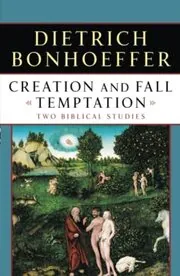
Creation and Fall
by Dietrich Bonhoeffer
1937
Based on lectures on Genesis 1–3, Creation and Fall explores the goodness of creation, the reality of sin, and the meaning of human freedom, setting classic biblical themes in conversation with modern questions about power, knowledge, and responsibility.
Discipleship
by Dietrich Bonhoeffer
1937
This critical edition of Discipleship presents the original text of The Cost of Discipleship with extensive notes, tracing how Bonhoeffer’s reading of the Sermon on the Mount formed his call to costly grace and visible obedience to Christ.
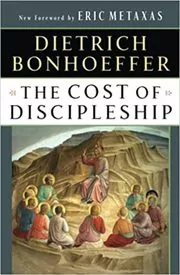
The Cost of Discipleship
by Dietrich Bonhoeffer
1937
Bonhoeffer unpacks Jesus’ Sermon on the Mount and introduces his famous contrast between cheap grace and costly grace, calling Christians to concrete obedience, cross-bearing, and life in community rather than comfortable, nominal belief.
Life Together and Prayerbook of the Bible
by Dietrich Bonhoeffer
1939
This volume pairs Bonhoeffer’s beloved meditation on Christian community, Life Together, with his short guide to praying the Psalms, offering a picture of shared worship, confession, work, and Scripture that shaped his underground seminary and still guides churches today.
Ethics
by Dietrich Bonhoeffer
1949
Left unfinished at his death, Ethics gathers Bonhoeffer’s mature reflections on responsible action before God in a world marked by guilt and ambiguity, asking what it means to tell the truth, protect life, and serve neighbors under unjust regimes.
Fiction from Tegel Prison
by Dietrich Bonhoeffer
1950
During his first year in Tegel prison, Bonhoeffer drafted an unfinished play, a novel fragment, and a short story. These imaginative pieces draw on his own experience to explore conscience, compromise, and courage under totalitarian rule.
Letters and Papers from Prison
by Dietrich Bonhoeffer
1951
Written during two years of imprisonment, these candid letters, theological notes, and poems show Bonhoeffer thinking through suffering, guilt, and 'religionless Christianity', while staying connected to family, friends, and the wider church he could no longer see.
The Young Bonhoeffer, 1918–1927
by Dietrich Bonhoeffer
1952
This early volume of letters, sermons, and student papers follows Bonhoeffer from the end of World War I through his doctoral work, revealing a precocious mind already wrestling with church, community, and the meaning of Christian responsibility.
Psalms: The Prayer Book of the Bible
by Dietrich Bonhoeffer
1959
In this brief classic, Bonhoeffer explains how the Psalms teach Christians to pray with Christ and the whole church, turning fear, anger, joy, and hope into honest speech before God and shaping a shared life of worship.
Christ the Center
by Dietrich Bonhoeffer
1960
Adapted from his 1933 Christology lectures, this book presents Bonhoeffer’s conviction that Jesus Christ is the living center of reality and of theology, challenging readers to think about revelation, church, and discipleship in resolutely Christ-focused terms.
I Loved This People
by Dietrich Bonhoeffer
1966
This slim collection highlights Bonhoeffer’s reflections on his vocation to serve the German people and church, expressing both deep affection and sharp critique as he wrestles with nationalism, guilt, and the call to responsible Christian witness.

No Rusty Swords
by Dietrich Bonhoeffer
1970
Covering 1928–1936, this collection of letters, lectures, and notes shows Bonhoeffer sharpening his critique of nationalism and church complacency, as he moves from academic theology into the front lines of the German church struggle.

The Way to Freedom
by Dietrich Bonhoeffer
1971
Gathering texts from 1935–1939, The Way to Freedom includes sermons, essays, and circular letters from the Finkenwalde years and beyond, revealing how Bonhoeffer linked inner spiritual formation with active resistance to Nazism.

Letters to London
by Dietrich Bonhoeffer
1972
These intimate letters record Bonhoeffer’s correspondence with a young confirmand in his London congregation, offering pastoral counsel on faith, friendship, prayer, and courage as the situation in Germany darkened and his own involvement in the church struggle deepened.

True Patriotism
by Dietrich Bonhoeffer
1973
Letters, lectures, and notes from 1939–1945 show Bonhoeffer grappling with war, loyalty, and conscience, arguing that real love of country may require resisting its leaders when they betray justice and the gospel.
Prayers From Prison
by Dietrich Bonhoeffer
1978
Collected from his final years behind bars, these prayers and poems reveal Bonhoeffer’s inner life in Tegel prison—his honesty about fear and guilt, his trust in God’s presence, and his intercession for family, church, and enemies.

Meditating on the Word
by Dietrich Bonhoeffer
1985
Here Bonhoeffer reflects on how to read and pray Scripture, drawing from sermons, letters, and an unfinished meditation on Psalm 119 to show how quiet, daily engagement with the Bible orders a Christian’s inner life and outward action.
Spiritual Care
by Dietrich Bonhoeffer
1985
Based on Bonhoeffer’s lectures on pastoral theology, Spiritual Care reflects on how God meets people through proclamation, counseling, and the life of the congregation, offering practical wisdom on confession, visitation, preaching, and accompanying others through suffering.

A Testament To Freedom
by Dietrich Bonhoeffer
1990
This large anthology gathers Bonhoeffer’s most important writings—from early academic essays to sermons, prison letters, and classic books—creating a single-volume overview of his life, theology, and the choices that led him into resistance and martyrdom.
Theological Education at Finkenwalde, 1935-1937
by Dietrich Bonhoeffer
1996
Drawing on lectures, circular letters, and sermons, this volume portrays Bonhoeffer’s illegal seminary at Finkenwalde, where he trained young pastors in Scripture, worship, community life, and pastoral care as the Confessing Church faced increasing repression.
Berlin: 1932–1933.
by Dietrich Bonhoeffer
1997
Focusing on the crisis years surrounding Hitler’s rise to power, this volume presents Bonhoeffer’s university lectures, sermons, and essays from Berlin, showing how he grappled with the church’s identity while Nazism reshaped German society and theology.
Meditations on the Cross
by Dietrich Bonhoeffer
1998
Selections from Bonhoeffer’s sermons and letters meditate on the cross and resurrection as the center of Christian life, exploring how God meets human weakness, guilt, and fear in Christ’s suffering and calls believers to hopeful, costly obedience.
The Mystery of Easter
by Dietrich Bonhoeffer
1998
This small, beautifully produced book offers Easter meditations from Bonhoeffer alongside classic artwork, reflecting on the cross, resurrection, and the transformation of suffering, and inviting readers into a quiet contemplation of the central mystery of Christian faith.
Theological Education Underground: 1937-40
by Dietrich Bonhoeffer
1998
After the Gestapo closed his Finkenwalde seminary, Bonhoeffer continued training Confessing Church pastors in secret. This volume gathers their letters, circulars, lectures, and Bible studies, revealing a hidden network preparing ministers for costly discipleship under dictatorship.

Voices in the Night
by Dietrich Bonhoeffer
1999
Voices in the Night brings together Bonhoeffer’s prison poems in an earlier translation, revealing in verse his longing, doubt, hope, and steadfast trust in God during the final years before his execution.
Barcelona, Berlin, New York: 1928–1931
by Dietrich Bonhoeffer
2003
This Dietrich Bonhoeffer Works volume traces his development as a young pastor and theologian through letters, sermons, and journals from his service in Barcelona, his Berlin lectures, and his formative year at Union Theological Seminary in New York.

A Year with Dietrich Bonhoeffer
by Dietrich Bonhoeffer
2005
Arranged as daily readings, this devotional walks through Bonhoeffer’s letters, sermons, and books over 365 days, introducing key themes like discipleship, community, and hope in suffering with brief selections and accompanying reflections.
I Want to Live These Days with You
by Dietrich Bonhoeffer
2005
Organized around the church year, this yearlong devotional gathers prayers, sermons, and reflections from across Bonhoeffer’s work, offering a few paragraphs per day that invite readers to pray, reflect, and follow Christ in ordinary life.
Meditations on Psalms
by Dietrich Bonhoeffer
2005
In these sermons and short meditations, Bonhoeffer turns again and again to the Psalms as the church’s prayer book, showing how biblical lament, praise, and trust can shape Christian spirituality in times of turmoil, injustice, and joy.

Prison Poems
by Dietrich Bonhoeffer
2005
This later collection presents all ten of Bonhoeffer’s prison poems with fresh translation and commentary, inviting readers to encounter his theological depth and emotional honesty as he faces isolation, guilt, and the nearness of death.
Conspiracy and Imprisonment 1940-1945
by Dietrich Bonhoeffer
2006
Here readers follow Bonhoeffer through the years of active resistance, arrest, and imprisonment, through hundreds of letters, official documents, and final theological fragments written as he participated in the conspiracy against Hitler and awaited execution.
London, 1933–1935
by Dietrich Bonhoeffer
2007
This volume documents Bonhoeffer’s pastorate in two German-speaking congregations in London, including sermons, letters, and reports that show how his time abroad deepened his resistance to the Nazified German church and strengthened his international ecumenical ties.
God is in the Manger
by Dietrich Bonhoeffer
2010
This companion volume offers forty short devotions for Advent and Christmas, interweaving Bonhoeffer’s prison letters and sermons to explore themes of waiting, incarnation, joy, and God’s presence among the poor and forgotten.
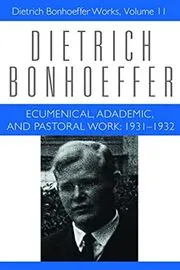
Ecumenical Academic Pastoral Work
by Dietrich Bonhoeffer
2012
This Dietrich Bonhoeffer Works volume collects his lectures, sermons, and correspondence from 1931–1932, when he returned from the United States to Berlin, entered the ecumenical movement, and began challenging rising National Socialism from the pulpit and the classroom.
God Is on the Cross
by Dietrich Bonhoeffer
2012
Drawn from Bonhoeffer’s sermons, letters, and books, these daily readings follow Lent and Holy Week, focusing on the meaning of the cross, repentance, discipleship, and resurrection hope for Christians living amid suffering and injustice.

The Collected Sermons of Dietrich Bonhoeffer
by Dietrich Bonhoeffer
2012
Spanning his ministry from Berlin parishes to underground seminaries and prison, these sermons show Bonhoeffer as preacher, bringing Scripture to bear on everyday life, political crisis, and Christian community with clarity, realism, and hope.

Bonhoeffer Reader
by Dietrich Bonhoeffer
2013
Designed as an introduction to his theology, The Bonhoeffer Reader offers substantial excerpts from across his works in chronological order, helping students and general readers trace how his thought develops from early academic writings to prison fragments.
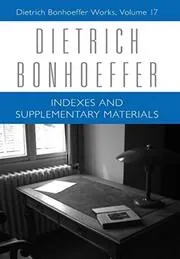
Indexes and Supplementary Materials
by Dietrich Bonhoeffer
2014
This reference volume provides master indexes, chronologies, and a comprehensive list of documents for the multi-volume Dietrich Bonhoeffer Works edition, along with additional letters and essays that help readers trace his life, themes, and major texts.
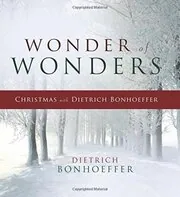
Wonder of Wonders
by Dietrich Bonhoeffer
2014
This illustrated gift book gathers brief Advent and Christmas meditations from Bonhoeffer’s writings, pairing them with evocative photographs to invite quiet reflection on the incarnation, waiting, and hope during a season often crowded with noise and hurry.
Where to start with Dietrich Bonhoeffer
If you want his classic challenge to follow Jesus: The Cost of Discipleship → Discipleship.
If you’re drawn to Christian community and shared life: Life Together and Prayerbook of the Bible → Meditations on Psalms.
If you prefer daily devotional readings: I Want to Live These Days with You → A Year with Dietrich Bonhoeffer → God is in the Manger → God Is on the Cross.
If you like theology and history together: Sanctorum Communio → Act and Being → Creation and Fall → Ethics.
If you’re interested in his resistance and prison years: Letters and Papers from Prison → Prison Poems → Conspiracy and Imprisonment 1940-1945.
Dietrich Bonhoeffer sub-series and character series
Dietrich Bonhoeffer Works books in order
Explore this series
Life Together and Prayerbook of the Bible
by Dietrich Bonhoeffer
1939Dietrich Bonhoeffer Works, Book 5
Theological Education at Finkenwalde, 1935-1937
by Dietrich Bonhoeffer
1996Dietrich Bonhoeffer Works, Book 10
Theological Education Underground: 1937-40
by Dietrich Bonhoeffer
1998Dietrich Bonhoeffer Works, Book 12
Dietrich Bonhoeffer Works books in chronological order
Life Together and Prayerbook of the Bible
by Dietrich Bonhoeffer
1939Dietrich Bonhoeffer Works, Book 5Theological Education at Finkenwalde, 1935-1937
by Dietrich Bonhoeffer
1996Dietrich Bonhoeffer Works, Book 10Theological Education Underground: 1937-40
by Dietrich Bonhoeffer
1998Dietrich Bonhoeffer Works, Book 12
Dietrich Bonhoeffer collections, short stories, and related book types
Collections
Author bio
Dietrich Bonhoeffer was born on February 4, 1906, in Breslau, then part of Germany and now Wrocław, Poland. He grew up in a large, close‑knit family; his father was a prominent psychiatrist and his mother a former teacher from a line of theologians and artists. From early on he combined a love of music, philosophy, and church life.
As a teenager Bonhoeffer decided to study theology, a choice that surprised some relatives who expected him to follow his father into medicine or science. He studied at Tübingen and then at the University of Berlin, finishing his doctorate in his early twenties with a demanding study of the church as a living community. Academic doors opened quickly, but he never saw himself as only a scholar.
Pastoral work pulled him outward. He served a German congregation in Barcelona, where he began preaching regularly and watching how ordinary people struggled to connect faith with daily life. A year of postgraduate study in New York at Union Theological Seminary, and especially worshipping in a Black Baptist church in Harlem, deepened his sense that Christian faith had to confront racism and social injustice, not just personal morality.
Back in Berlin in the early 1930s, Bonhoeffer became a lecturer in systematic theology and a pastor to university students. Almost as soon as Hitler came to power he warned that a church which accepted racist laws and political propaganda could no longer speak truthfully about Christ. He helped form the Confessing Church, a movement of pastors and congregations that refused to let the Nazi state define the gospel.
From 1935 he led an illegal seminary at Finkenwalde, training young pastors for life in a compromised and dangerous church. The daily rhythms of worship, Scripture meditation, shared meals, and honest conversation there shaped two of his best-known books, Discipleship (often published as The Cost of Discipleship) and Life Together. In them he insists that grace is free but never cheap, and that Christian community is built on mutual service, confession, and listening to God’s Word.
As pressure on the Confessing Church grew, Bonhoeffer was banned from teaching and later from public speaking. Through family connections he was drawn into a resistance network inside Germany’s military intelligence service, which used church contacts as cover for its work. He struggled with the moral weight of serving a conspiracy linked to plots against Hitler, but concluded that responsible discipleship sometimes meant stepping into guilt for the sake of others.
Bonhoeffer was arrested in April 1943 and held for many months in Tegel military prison in Berlin. There he wrote letters, theological notes, and poems to his parents, fiancée, and close friends that were later gathered as Letters and Papers from Prison. They show a man who is honest about fear and uncertainty yet anchored in prayer, Scripture, and a stubborn hope in Christ.
After the failed assassination attempt on Hitler in July 1944, documents came to light that tied Bonhoeffer more closely to the resistance. He was moved through several prisons and camps before being executed by hanging at Flossenbürg concentration camp on April 9, 1945, just weeks before the war in Europe ended. Witnesses remembered his calm, his prayers with fellow prisoners, and his quiet trust as he walked to the gallows.
Across his writings—The Cost of Discipleship, Life Together, Ethics, Creation and Fall, Sanctorum Communio, and many sermons, letters, and meditations—certain themes stand out. He insists that Christ must be at the center of both theology and daily decisions. He sees the church as a visible, suffering community that exists for others. And he never lets readers forget that real faith is lived out in specific places, among particular neighbors, under concrete political pressures.
Today Bonhoeffer’s work is read by pastors, students, activists, and ordinary Christians on every continent. Some turn to him for guidance on resisting tyranny; others for help nurturing honest community or learning to pray the Psalms. His life does not offer easy answers, but it does offer a compelling picture of someone who tried, with all his limits, to follow Jesus in a very dark time.







Edited by
Software engineer whose passion for tracking book recommendations from podcasts inspired the creation of MRB.
Lead investor at 3one4 Capital whose startup expertise and love for books helped shape MRB and its growth.
Comments
Did we miss something? Have feedback?
Help us improve this page by sharing your thoughts