
Dick Wolf Books in Order
Explore Dick Wolf books in order, with Jeremy Fisk reading order, quick summaries, series background, and clear advice on where to start.
Last updated:
As an Amazon Associate, we earn from qualifying purchases (at no extra cost to you).
Dick Wolf books in publication order
4 books
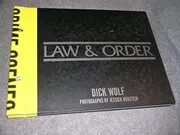
Law & Order
by Dick Wolf
2003
A companion to the TV series, this book pairs staged crime scene photography with behind-the-scenes notes on how Law & Order builds its cases. It also includes character sketches and episode context for longtime fans.
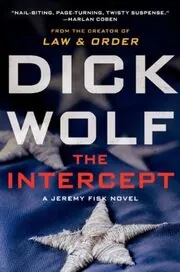
The Intercept
by Dick Wolf
2012
Days before July Fourth and the dedication of One World Trade Center, NYPD Intelligence detective Jeremy Fisk investigates a troubling incident on a plane and a vanished passenger. What looks isolated may be the first move in a much larger attack on New York.
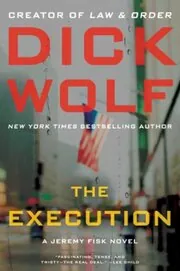
The Execution
by Dick Wolf
2014
During U.N. Week in Manhattan, Jeremy Fisk teams up with Mexican intelligence officer Cecilia Garza to track a notorious assassin called Chuparosa. Their hunt races from cartel violence to a threat that could explode in New York at exactly the wrong moment.
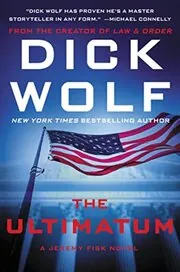
The Ultimatum
by Dick Wolf
2015
After a leak exposes Detective Jeremy Fisk's home address, a drone-assisted sniper begins killing in New York and making public demands. Fisk and reporter Chay Maryland must untangle the leak and the larger plot before fear grips the whole city.
Where to start with Dick Wolf
If you want the Jeremy Fisk story from the beginning: The Intercept → The Execution → The Ultimatum
If you like high-stakes New York police thrillers: The Intercept → The Execution
If you want a nonfiction companion to the TV franchise: Law & Order
Dick Wolf sub-series and character series
Dick Wolf collections, short stories, and related book types
Non-Fiction
Author bio
Dick Wolf was born Richard Anthony Wolf in New York City on December 20, 1946, and grew up in Manhattan. As a boy in the 1950s and 1960s, he was drawn to cop shows and courtroom dramas, the kind of stories that turned city life into conflict, procedure, and hard choices. That mix of New York energy and screen storytelling stayed with him for decades.
He attended prep school before going to the University of Pennsylvania, where he graduated in 1969. After college he did not head straight into Hollywood. He went into advertising instead, working as a copywriter at Benton & Bowles and helping create television commercials while writing screenplays on the side.
The move into writing happened step by step. While still in advertising, he kept chasing film work and briefly collaborated on a script with Oliver Stone when both men were still early in their careers. After moving to Los Angeles, he saw several scripts produced, including Skateboard and later Masquerade.
That turned out to be the right lane.
Television gave Wolf the structure he liked best: fast openings, strong procedural detail, and stories that keep pulling you forward. He wrote for Hill Street Blues, worked on Miami Vice, and in 1990 created Law & Order. The show's split design, investigation first and prosecution second, made it instantly recognizable and gave him a format he would keep reworking in new ways.
He kept building from there. Law & Order: Special Victims Unit, the Chicago shows, and the FBI franchise all show the same interest in people doing pressured jobs inside big public systems. His stories usually begin with a crime, but what makes them stick is the argument around the crime, who is at fault, what the rules allow, and what gets missed when institutions are stretched thin.
He has often described himself in plain terms, as a storyteller more than anything else, and that helps explain the appeal. The cases move quickly, but they also leave room for moral friction. On his best shows, the mystery is not only who did it. It is what justice should look like once the facts are on the table.
That same instinct shows up in his books. The Jeremy Fisk novels, The Intercept, The Execution, and The Ultimatum, take his procedural style into prose and push it toward counterterror thrillers. Readers who like them tend to respond to the pace, the New York setting, and the way Wolf mixes police work with politics, surveillance, and the feeling that one bad clue can open into a citywide crisis.
He is still at it.
Wolf has won two Emmys, a Grammy, and an Edgar, and he was inducted into the Television Academy Hall of Fame. He also received a star on the Hollywood Walk of Fame. In recent years he has kept expanding his television work, including the Chicago, FBI, and Law & Order worlds, and he has also moved into documentary projects such as Homicide: New York. He lives in Southern California, but much of his work still circles back to New York, the city that seems to have wired his imagination from the start.


Edited by
Software engineer whose passion for tracking book recommendations from podcasts inspired the creation of MRB.
Lead investor at 3one4 Capital whose startup expertise and love for books helped shape MRB and its growth.
Comments
Did we miss something? Have feedback?
Help us improve this page by sharing your thoughts