
Diane Setterfield Books in Order
Explore Diane Setterfield books in order, with quick summaries, reading guidance, and simple tips on where to start with her gothic and literary fiction.
Last updated:
As an Amazon Associate, we earn from qualifying purchases (at no extra cost to you).
Diane Setterfield books in publication order
4 books
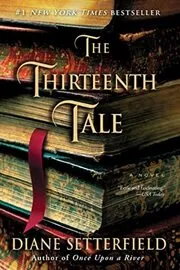
The Thirteenth Tale
by Diane Setterfield
2006
Margaret Lea is summoned to record the life of reclusive novelist Vida Winter, who has spent decades hiding behind invented biographies. As Vida finally tells the truth, Margaret is pulled into a gothic family mystery full of twins, fire, ghosts, and buried secrets.
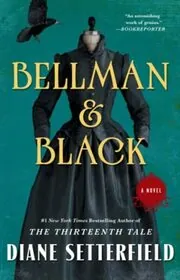
Bellman & Black
by Diane Setterfield
2013
Years after he kills a rook with his catapult, William Bellman seems to have a charmed life, until loss and a stranger in black drag him into a chilling bargain. A dark Victorian tale of grief, work, and obsession.

The Princess and the Pea
by Diane Setterfield
2013
Setterfield gives the familiar fairy tale a quick, playful makeover. A prince, a test, and one supposed princess are all in place, but the ending nudges the old story just enough to give it a sly twist.
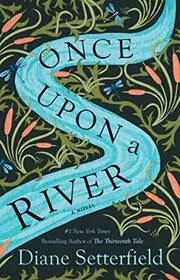
Once Upon a River
by Diane Setterfield
2018
At an inn on the Thames, a wounded stranger arrives carrying a drowned child who later revives. Three families claim the girl, and the mystery of who she is draws the whole river community into folklore, grief, and suspicion.
Where to start with Diane Setterfield
If you want the breakout gothic mystery first: The Thirteenth Tale → Bellman & Black
If you prefer the darkest Victorian mood: Bellman & Black → The Thirteenth Tale
If you want a wider cast and more folklore: Once Upon a River → The Thirteenth Tale
If you only have a few minutes: The Princess and the Pea → The Thirteenth Tale
Diane Setterfield collections, short stories, and related book types
Short Stories/Novellas
Standalone Diane Setterfield books
Author bio
Diane Setterfield was born in rural Berkshire in 1964 and spent most of her childhood in the village of Theale. That mix of English village life, long memory, and old stories feels close to the surface in her fiction, even when the books tip into ghosts, rumor, or fairy tale.
Before she published a novel, she took a very academic route. She studied French Literature at the University of Bristol, then wrote a PhD on autobiographical structures in the early fiction of André Gide. She taught English in Mulhouse, France, and later lectured in French in the UK, so for years her working life was built around reading, language, and close attention to how stories are made.
Then she left academia.
In the late 1990s, Setterfield stepped away from teaching to pursue writing full time. That change matters when you read her books: they feel written by someone who spent years inside other people's sentences, and who knows that stories can be carefully built while still feeling a little wild. Her first published novel was The Thirteenth Tale, and when it appeared in 2006 it did not read like a trial run.
The Thirteenth Tale made her name quickly. It reached number one on the New York Times hardcover fiction list, sold in dozens of countries, and later became a 2013 television film starring Vanessa Redgrave and Olivia Colman. Readers still come to it for the same reasons they did at the start: the bookshop setting, the biographer Margaret Lea, the secretive writer Vida Winter, and the pleasure of watching one family mystery open into another.
She doesn't rush her books.
Her second novel, Bellman & Black, arrived seven years later and turned in a darker direction. It begins with a boy killing a rook with a catapult and follows the long shadow of that moment into adulthood, grief, and a strange bargain. People who connect with this book often talk about its mood first, the Victorian business world, the rituals of mourning, and the sense that work, loss, and superstition are all quietly feeding each other.
With Once Upon a River, Setterfield opened the frame wider. The novel starts at an inn on the Thames, where a dead child is carried in and later revives, then grows into a riverbank story about missing girls, competing claims, folklore, science, and the stories communities tell to explain what they cannot quite explain. It is still recognizably her work, but it shows another side of her too, more crowded, more communal, and a little warmer, without losing the eerie pull.
Even a small piece like The Princess and the Pea, her very short retelling of the old fairy tale, fits the pattern. Setterfield returns again and again to hidden histories, doubles and twins, haunted houses, damaged families, missing children, and characters trapped between what happened and what can be spoken aloud.
Another detail says a lot about her. She has kept a reading diary since 1982, which feels exactly right for a writer who has said she is a reader first and a writer second. She now lives in Oxford by the Thames, reads widely, and has said that when she is not actually reading, she is usually talking or thinking about it.


Edited by
Software engineer whose passion for tracking book recommendations from podcasts inspired the creation of MRB.
Lead investor at 3one4 Capital whose startup expertise and love for books helped shape MRB and its growth.
Comments
Did we miss something? Have feedback?
Help us improve this page by sharing your thoughts