
Diane Ackerman Books in Order
Browse Diane Ackerman's books in order, with short summaries, poetry and nonfiction highlights, and clear tips on where to start reading her work.
Last updated: 1 new book added
Coming soonNext book: A Feast in Every Sense (2027) · Pre-order on Amazon
As an Amazon Associate, we earn from qualifying purchases (at no extra cost to you).
Diane Ackerman books in publication order
28 books
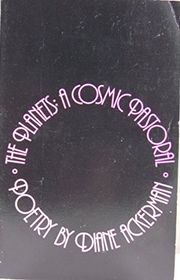
The Planets
by Diane Ackerman
1976
Ackerman's debut poetry collection ranges across the solar system, mixing astronomy, myth, satire, and wonder. These poems look outward to planets and stars while keeping a very human sense of curiosity and awe.

Wife of Light
by Diane Ackerman
1978
This early collection shows Ackerman's appetite for big subjects and vivid images. The poems roam through history, nature, desire, and moonlit moods, already hinting at the blend of science and lyricism that marks her later work.
Lady Faustus
by Diane Ackerman
1983
These poems circle around flight, dreaming, daring, and the restless wish to know more. Ackerman writes about possibility with energy and sensual detail, making curiosity itself feel like an adventure.
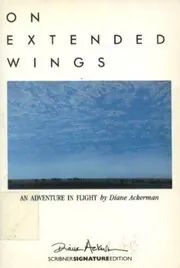
On Extended Wings
by Diane Ackerman
1985
Ackerman learns to fly and earns her pilot's license, taking readers through lessons, first solos, and cross-country flights. Along the way she opens up the language, history, and exhilaration of aviation.
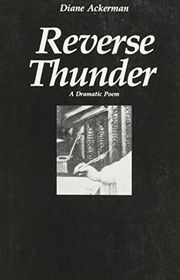
Reverse Thunder
by Diane Ackerman
1988
This dramatic poem reimagines the life of Sor Juana Ines de la Cruz, the brilliant seventeenth-century Mexican writer and nun. Ackerman uses wit, argument, and passion to stage a life shaped by intellect, desire, and religious power.
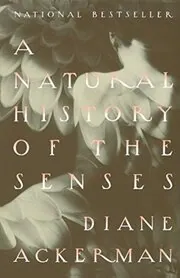
A Natural History of the Senses
by Diane Ackerman
1990
Ackerman turns smell, taste, touch, hearing, and sight into a lively tour of science, history, and daily life. It is a book about perception, but also about how fully we inhabit the world.
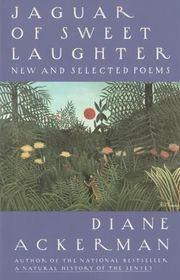
Jaguar of Sweet Laughter
by Diane Ackerman
1991
This new and selected collection brings together poems rooted in the natural world, the body, and the life of the mind. Ackerman moves easily between wit and wonder, always paying close attention to what it means to be human.
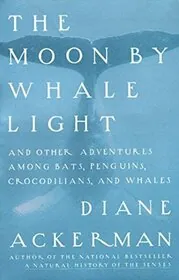
The Moon by Whale Light and Other Adventures Among Bats, Penguins, Crocodilians and Whales
by Diane Ackerman
1991
These essays follow Ackerman into close encounters with bats, penguins, crocodilians, and whales. She blends firsthand adventure with natural history, making each animal feel strange, beautiful, and connected to our own fate.
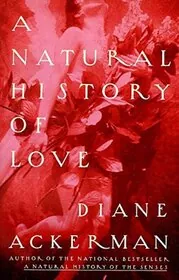
A Natural History of Love
by Diane Ackerman
1994
Part science, part cultural history, and part meditation, this book asks why people fall in love and how they live it. Ackerman moves through courtship, desire, marriage, jealousy, and devotion with curiosity and warmth.
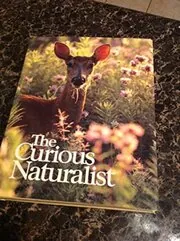
The Curious Naturalist
by Diane Ackerman
1994
This richly illustrated guide invites readers into nine North American habitats, from backyards to shores. Along the way it offers practical ways to identify trees, read tracks, spot fossils, and pay closer attention outdoors.
Monk Seal Hideaway
by Diane Ackerman
1995
Ackerman travels to the remote refuge of the Hawaiian monk seal, one of the world's rarest seals. She blends close observation with a conservation message that makes the animals feel immediate and worth protecting.
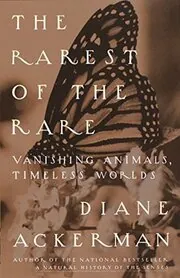
The Rarest of the Rare
by Diane Ackerman
1995
Traveling from Japan to the Amazon, Ackerman seeks out endangered animals and the people trying to save them. The book mixes field adventure with a clear-eyed sense of what extinction means.
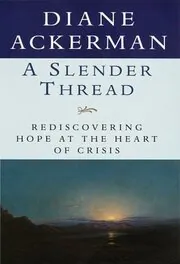
A Slender Thread
by Diane Ackerman
1997
Drawing on her time as a crisis line volunteer, Ackerman writes about callers in despair and the fragile work of keeping them talking. It is a compassionate book about loneliness, survival, and the thin line between crisis and hope.
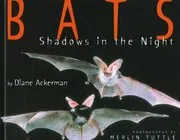
Bats
by Diane Ackerman
1997
Following bat expert Merlin Tuttle into Texas bat country, Ackerman explains how these animals live, hunt, and help ecosystems. The result is an accessible, photo-rich portrait that turns a feared creature into a fascinating one.

I Praise My Destroyer
by Diane Ackerman
1998
These poems face love, aging, friendship, grief, and death without losing their appetite for the physical world. Ackerman's language is lush but direct, turning ordinary pleasures and hard truths into vivid moments.
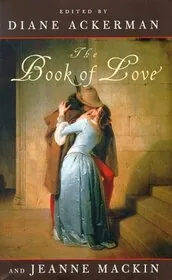
The Book of Love
by Diane Ackerman
1998
Coedited with Jeanne Mackin, this anthology gathers more than 200 poems, letters, essays, memoirs, and stories about love. It moves from romance to family and friendship, showing how many forms devotion can take.
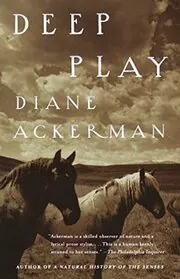
Deep Play
by Diane Ackerman
1999
Why do humans seek games, ritual, art, danger, and absorption? Ackerman follows that question into sports, religion, creativity, and thrill-seeking, arguing that deep play helps explain some of our boldest and strangest impulses.
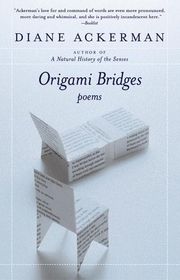
Origami Bridges
by Diane Ackerman
2000
At the center of this collection is the fragile trust between analyst and patient. Ackerman writes about therapy, memory, desire, and emotional risk in poems that are intimate, searching, and alert to the heat under everyday speech.

The Senses of Animals
by Diane Ackerman
2000
Short poems introduce the five senses through creatures such as bats, bees, swans, and moles. Ackerman turns animal biology into playful verse that helps young readers notice how differently other species experience the world.
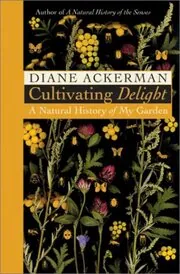
Cultivating Delight
by Diane Ackerman
2001
Using her own garden as a starting point, Ackerman writes about growth, weather, neighbors, pests, beauty, and mortality. It is intimate nature writing that treats a backyard as a whole world.
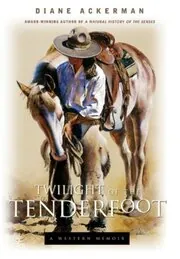
Twilight of the Tenderfoot
by Diane Ackerman
2002
Ackerman leaves the classroom for a New Mexico cattle ranch and learns the daily work of cowboy life firsthand. The memoir is funny, observant, and honest about myth, labor, and the pull of the American West.
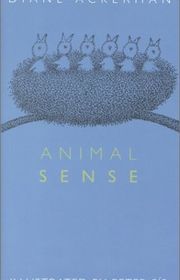
Animal Sense
by Diane Ackerman
2003
This children's poetry collection uses rhyme and wit to explore how animals smell, hear, taste, touch, and see. It makes science feel lively and funny, while inviting readers to imagine the world from nonhuman points of view.
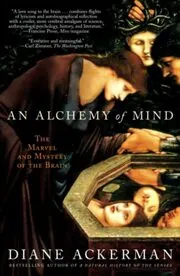
An Alchemy of Mind
by Diane Ackerman
2004
Ackerman explores the brain as the seat of memory, language, imagination, gender, emotion, and selfhood. She makes neuroscience approachable without losing sight of the mystery of consciousness.
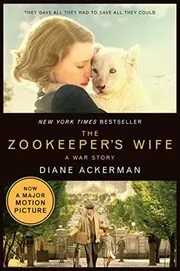
The Zookeeper's Wife
by Diane Ackerman
2007
In wartime Warsaw, zoo directors Jan and Antonina Zabinski turn their damaged zoo into a hiding place for Jews fleeing Nazi persecution. Ackerman tells the true story with close attention to both human courage and the animals around them.
Dawn Light
by Diane Ackerman
2009
Ackerman builds a meditation on morning from cranes, beekeeping, weather, art, religion, and ritual. The book asks what dawn does to animals and people, and why that daily return can still feel new.

One Hundred Names for Love
by Diane Ackerman
2011
When her husband, writer Paul West, loses language after a devastating stroke, Ackerman helps him fight back word by word. The memoir is part love story, part recovery story, and part exploration of the brain's resilience.
The Human Age
by Diane Ackerman
2014
Ackerman looks at the Anthropocene through inventions, conservation work, and the strange scale of human influence. It's an energetic, hopeful survey of how people are reshaping the planet, for harm and for repair.
A Feast in Every Sense
by Diane Ackerman
2027
Diane Ackerman explores how sensory experience shapes perception, emotion and everyday decisions. Combining recent science with history and personal observation, she examines familiar sensations and overlooked senses to reveal the intricate connections between bodily experience and inner life.
Where to start with Diane Ackerman
If you want her signature blend of science and lyric prose: A Natural History of the Senses → A Natural History of Love
If you want true history with high stakes: The Zookeeper's Wife
If you want memoir, marriage, and recovery: One Hundred Names for Love
If you want her biggest environmental view: The Human Age
If you want to start with the poetry: Jaguar of Sweet Laughter → I Praise My Destroyer → Origami Bridges
Diane Ackerman collections, short stories, and related book types
Non-Fiction
Collections
Author bio
Diane Ackerman was born in Waukegan, Illinois, and spent part of her childhood in Allentown, Pennsylvania. She has said that as a girl she was full of experiments, private images, and questions about the natural world, the kind of child who noticed bats, weather, and language with equal excitement. That mix of curiosity and sensory attention still sits at the center of her writing.
One small accident helped set the course.
After a year at Boston University, she transferred to Pennsylvania State University. There, a computer error listed her major as English, and she decided to treat it as fate. She earned her bachelor's degree there, then went on to Cornell University for an MA, an MFA, and a PhD. At Penn State she also studied with novelist Paul West, who later became her husband and, by her own account, taught her a great deal about prose.
She started as a poet, and she never really stopped thinking like one.
Ackerman's early collections, including The Planets, Wife of Light, and Lady Faustus, already show the range that would define the rest of her career. She wrote about astronomy, dream life, desire, myth, and flight without feeling any need to stay in one lane. That refusal to choose between science and art became her signature.
Many readers first met her through A Natural History of the Senses, the book that turned smell, taste, touch, hearing, and sight into a lively tour through biology, history, memory, and everyday life. She followed it with books like A Natural History of Love and An Alchemy of Mind, which use the same wide-angle method on love and the brain. Readers tend to come to Ackerman for facts, then stay for the pleasure of seeing how she links those facts to ordinary human experience.
She also likes to learn by going somewhere difficult, strange, or new. Twilight of the Tenderfoot came out of time spent on a New Mexico cattle ranch. On Extended Wings grew from her training as a pilot. In The Moon by Whale Light and The Rarest of the Rare, she traveled in search of animals and endangered habitats, while Cultivating Delight and Dawn Light found just as much wonder much closer to home, in a garden and in the daily arrival of morning.
History matters in her work, too.
Her best known narrative book may be The Zookeeper's Wife, a nonfiction account of Jan and Antonina Zabinski, the Warsaw Zoo keepers who sheltered more than 300 Jews during World War II. The book became a long-running bestseller, won the Orion Book Award, and later became a film. Much later, The Human Age widened the lens again, asking what it means to live in a world so deeply reshaped by human beings, while still making room for hope and invention.
Some of Ackerman's most moving work is also the most personal. A Slender Thread draws on her time volunteering at a crisis line. One Hundred Names for Love tells the story of Paul West's stroke and the long, inventive effort to help him recover language. That memoir was a finalist for the Pulitzer Prize and the National Book Critics Circle Award, and it shows something essential about her whole body of work, her belief that language, attention, and care can be forms of repair.
Across poetry, memoir, natural history, and cultural writing, Ackerman returns to a few big concerns: how the senses shape thought, how animals and humans share the world, how play and imagination keep us alive, and how wonder can survive even in hard times. She has also written children's books, hosted a PBS series inspired by A Natural History of the Senses, taught at universities including Cornell and Columbia, and received honors that include a Guggenheim Fellowship, the PEN Henry David Thoreau Prize, and election to the American Academy of Arts and Sciences. She has long been based in Ithaca, New York, and her books still carry that same alert, delighted way of looking, as if the world has just done something surprising and she wants you to see it too.







Edited by
Software engineer whose passion for tracking book recommendations from podcasts inspired the creation of MRB.
Lead investor at 3one4 Capital whose startup expertise and love for books helped shape MRB and its growth.
Comments
Did we miss something? Have feedback?
Help us improve this page by sharing your thoughts