
Dennis Wheatley Books in Order
Browse Dennis Wheatley books in order, with short summaries, series guides, and easy tips on where to start across his occult thrillers, spy stories, and adventures.
Last updated:
As an Amazon Associate, we earn from qualifying purchases (at no extra cost to you).
Dennis Wheatley books in publication order
77 books

Such Power Is Dangerous
by Dennis Wheatley
1933
Avril Bamborough is swept into an adventure where hidden power promises far more than it should. Curiosity turns risky as rival interests close in and the journey heads into dangerous, little-known territory.

The Forbidden Territory
by Dennis Wheatley
1933
When Rex Van Ryn vanishes into Soviet Russia after chasing lost treasure, the Duke de Richleau and his friends mount a reckless rescue. It is a fast, snowy chase through prisons, secret police, and dangerous borderlands.
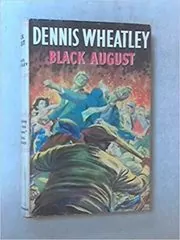
Black August
by Dennis Wheatley
1934
In a near-future Britain sliding into collapse, Kenyon Fane and Anne Croome are caught in riots, hunger, and revolutionary violence. This is Wheatley at his most political and apocalyptic.

The Devil Rides Out
by Dennis Wheatley
1934
Simon Aron has fallen in with a Satanic circle, and the Duke de Richleau races to pull him back. The rescue becomes a terrifying struggle against Mocata, ritual magic, and the pull of evil.

The Fabulous Valley
by Dennis Wheatley
1934
An expedition into an isolated valley promises wealth, mystery, and escape from the ordinary world. Instead, Wheatley turns it into a tense adventure of greed, survival, and dangerous discoveries.

The Eunuch of Stamboul
by Dennis Wheatley
1935
Forced out of the army, Swithin Destime arrives in Istanbul to investigate rumors of an uprising. Soon he is alone in a city of spies, hunted by a sinister chief of secret police.
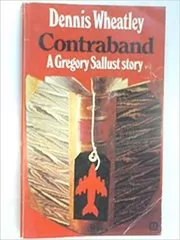
Contraband
by Dennis Wheatley
1936
A beautiful woman draws Gregory Sallust into a smuggling ring that is anything but small-time. Night flights, covert landings, and double-dealing turn this into a brisk prewar spy thriller.

Murder Off Miami
by Dennis Wheatley
1936
A pleasure trip off Miami turns deadly when murder breaks the holiday mood. This is a neat old-school puzzle, full of suspicious passengers, changing stories, and tropical atmosphere.

They Found Atlantis
by Dennis Wheatley
1936
A bold expedition sets out to prove Atlantis was real and still reachable beneath the Atlantic. Wheatley mixes ocean adventure, lost civilization fantasy, and plenty of peril on the way down.

The Secret War
by Dennis Wheatley
1937
Wheatley surveys the hidden side of modern conflict, where deception, intelligence, and political maneuvering matter as much as open battle. It is a readable look at war behind the headlines.
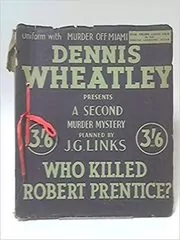
Who Killed Robert Prentice?
by Dennis Wheatley
1937
This interactive crime puzzle lays out statements, clues, and documents for readers to examine themselves. The fun lies in weighing the evidence and naming the killer before the solution is revealed.

The Golden Spaniard
by Dennis Wheatley
1938
Amid the Spanish Civil War, the Duke de Richleau hunts a hidden fortune while a glamorous double agent plays both sides. Gold, divided loyalties, and personal rivalries drive the chase.

The Malinsay Massacre
by Dennis Wheatley
1938
A shocking outbreak of violence sits at the center of this hard-driving thriller. Wheatley builds the tension around fear, divided loyalties, and the brutal consequences of revenge.

Uncharted Seas
by Dennis Wheatley
1938
After a violent storm, a stranded group drifts into waters far stranger than the open Atlantic. What begins as a survival story becomes a weird and dangerous lost-world adventure.
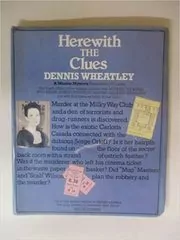
Herewith the Clues
by Dennis Wheatley
1939
Another classic Wheatley crime challenge, this book invites readers to study witness statements, plans, and exhibits and solve the mystery for themselves. It is part novel, part case file.

Sixty Days to Live
by Dennis Wheatley
1939
A comet may be heading for Earth, and a wealthy circle quietly prepares to outlast the end of the world. Wheatley combines social panic, survival planning, and apocalyptic spectacle.

The Quest of Julian Day
by Dennis Wheatley
1939
Seeking revenge on the men who ruined his diplomatic career, Julian Day stumbles into a hunt for treasure buried for two thousand years. It is part adventure tale, part romantic intrigue.

Faked Passports
by Dennis Wheatley
1940
Gregory Sallust moves through early wartime Europe on forged papers and borrowed identities. His mission takes him from Germany into a wider struggle where failure would be fatal.

The Black Baroness
by Dennis Wheatley
1940
Gregory Sallust is drawn into intrigue involving a mysterious baroness, shifting loyalties, and deadly political stakes. The novel mixes espionage, romance, and criminal danger at a fast clip.

The Scarlet Impostor
by Dennis Wheatley
1940
In 1940 Gregory Sallust slips into Nazi Germany under a series of disguises to contact plotters who want Hitler overthrown. It is tense, glamorous, and packed with danger.

Three Inquisitive People
by Dennis Wheatley
1940
Three curious outsiders become entangled in a murder case among the wealthy and well-connected. The pleasure here is in the questioning, the atmosphere, and the slow tightening of suspicion.

Strange Conflict
by Dennis Wheatley
1941
The Duke de Richleau faces a case where modern ambition and black magic begin to overlap. What starts as a puzzle turns into a fight for one man's body, mind, and soul.

The Sword of Fate
by Dennis Wheatley
1941
In 1940 Julian Day finds himself in Alexandria, under suspicion from both the British and the Axis powers. His search for Daphnis carries him into Greece and deep into enemy-held territory.

Mediterranean Nights
by Dennis Wheatley
1942
This collection gathers tales of danger and glamour around the Mediterranean, where bright settings hide trouble just beneath the surface. Wheatley keeps the mood light, brisk, and uneasy.

V for Vengeance
by Dennis Wheatley
1942
Gregory Sallust heads into the thick of wartime Europe, where sabotage, secret loyalties, and sudden violence shape every move. It is a taut mission story with danger closing in from all sides.
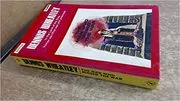
Man Who Missed the War
by Dennis Wheatley
1945
While the wider world is consumed by war, Philip Vaudell is swept into an adventure far removed from the ordinary front lines. Wheatley mixes isolation, discovery, and survival in a strange setting.

Codeword - Golden Fleece
by Dennis Wheatley
1946
With war about to explode, the Duke de Richleau and his friends are caught up in conspiracy in Warsaw and Bucharest. Their real target is the fuel supply feeding Hitler's war machine.
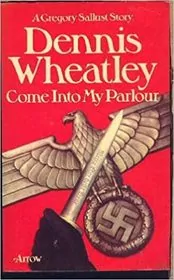
Come Into My Parlour
by Dennis Wheatley
1946
Gregory Sallust enters the Soviet Union just as it joins the war against Germany, with his old enemy Grabber close behind. The chase carries him on to Switzerland and a sinister German castle.
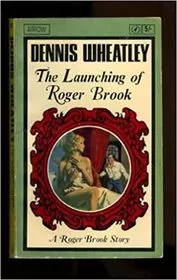
The Launching of Roger Brook
by Dennis Wheatley
1947
Set in 1783, this opening Roger Brook novel sends its young hero into a world of ambition, danger, and political intrigue. It is the start of Wheatley's big historical adventure cycle.

The Haunting of Toby Jugg
by Dennis Wheatley
1948
A badly injured young airman is sent to a remote old house to recover, but the place seems full of whispers, dread, and invisible threats. This is one of Wheatley's most intimate and unsettling books.
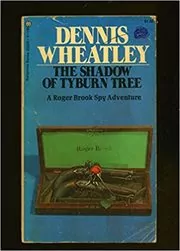
The Shadow of Tyburn Tree
by Dennis Wheatley
1948
Roger Brook moves through late eighteenth-century London and Europe as scandal, crime, and politics crowd in on him. The series widens here into a fuller swashbuckling historical saga.

The Rising Storm
by Dennis Wheatley
1949
Roger Brook is caught in the early upheavals of the French Revolution, where public excitement is turning toward violence. History and personal danger rise together throughout the novel.
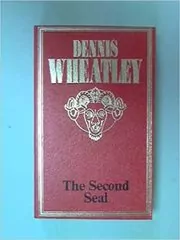
The Second Seal
by Dennis Wheatley
1950
In spring 1914 the Duke de Richleau is drawn from a masked ball into secret societies, espionage, and the opening moves of the First World War. Adventure and romance run side by side.

The Man Who Killed the King
by Dennis Wheatley
1951
Roger Brook fights to survive the terror years of revolutionary France, when prisons, plots, and shifting loyalties can destroy anyone. It is one of the darkest books in the series.

Star of Ill-Omen
by Dennis Wheatley
1952
An ominous sign in the sky ushers Kem Lincoln into a story of fear, speculation, and cosmic menace. Wheatley gives this science fiction thriller an eerie, end-of-an-era mood.

Curtain of Fear
by Dennis Wheatley
1953
A man trapped behind the Iron Curtain finds that memory, identity, and survival have all become unreliable. Wheatley turns the Cold War setting into a tense chase thriller.
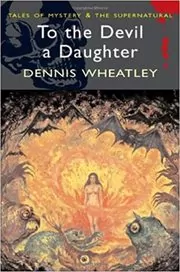
To the Devil, A Daughter
by Dennis Wheatley
1953
Molly Fountain becomes involved in the terrifying case of a young girl marked out for a Satanic purpose. The story builds from uneasy mystery to full occult confrontation.

The Island Where Time Stands Still
by Dennis Wheatley
1954
A Gregory Sallust mission leads toward a remote island that feels cut off from ordinary history. Espionage, old loyalties, and a touch of the uncanny give this thriller an unusual flavor.

The Dark Secret of Josephine
by Dennis Wheatley
1955
Roger Brook moves through France and Italy while private passions and great events reshape Europe. Josephine's hidden life becomes part of a larger web of political and personal intrigue.

The Ka of Gifford Hillary
by Dennis Wheatley
1956
Gifford Hillary's fascination with ancient beliefs and the human soul leads him into experiments that should have been left alone. Wheatley blends occult dread with speculative science.

The Prisoner in the Mask
by Dennis Wheatley
1957
This prehistory of the Duke de Richleau shows him as a younger man caught in a royalist conspiracy in France. Prison, disguise, and dangerous politics shape the hero he will become.

Traitors' Gate
by Dennis Wheatley
1958
On a secret mission to wartime Budapest, Gregory Sallust finds brief glamour, then mounting fear. His involvement with a powerful man's mistress makes escape as dangerous as the mission itself.

Plot and Counterplot
by Dennis Wheatley
1959
Wheatley writes about war the way he wrote thrillers, with an eye for bluff, planning, and misdirection. This nonfiction volume explores how deception can shape major events.

Stranger Than Fiction
by Dennis Wheatley
1959
Part memoir and part collection of extraordinary true episodes, this book shows the real-life experiences that fed Wheatley's imagination. It is full of crisp anecdote and behind-the-scenes detail.
The Rape of Venice
by Dennis Wheatley
1959
Roger Brook heads into Italy as Napoleon's advance threatens Venice and everyone bound to it. Politics, betrayal, and passion drive the story as the old order gives way.

The Satanist
by Dennis Wheatley
1960
Trying to uncover the truth about her husband's death, a determined woman enters a Satanic circle and risks being trapped by it. Wheatley keeps the tension grounded in secrecy, ritual, and fear.
Saturdays with Bricks
by Dennis Wheatley
1961
Anecdotal and reflective, this book gathers memories, opinions, and personal sketches in Wheatley's plainspoken style. It offers a more relaxed side of the man behind the thrillers.

Vendetta in Spain
by Dennis Wheatley
1961
The Duke de Richleau returns to Spain for a mission shadowed by old grudges and fresh dangers. Personal revenge and political conflict make this a tense late-series adventure.

Mayhem in Greece
by Dennis Wheatley
1962
Set against wartime confusion in Greece, this adventure mixes covert work, divided loyalties, and hard escapes. The setting gives Wheatley plenty of room for danger and sudden reversals.

The Sultan's Daughter
by Dennis Wheatley
1963
Roger Brook is drawn eastward into diplomacy, adventure, and romance as the Napoleonic age spreads into the Ottoman world. The historical setting gives the book a wider, more exotic sweep.

Bill for the Use of a Body
by Dennis Wheatley
1964
A baffling death opens into a crime story of blurred identities, hidden motives, and carefully planted deception. This late Wheatley novel is tighter and more forensic than many of his adventures.
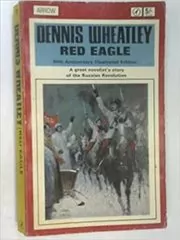
Red Eagle
by Dennis Wheatley
1964
Revolution, conspiracy, and pursuit drive this fast-moving adventure. Wheatley builds the tension around a dangerous symbol that can inspire loyalty just as easily as it can invite disaster.

Second Book of Horror Stories
by Dennis Wheatley
1964
Wheatley's second horror anthology gathers eerie tales chosen for atmosphere, menace, and supernatural bite. It is a good snapshot of the kind of ghostly fiction he loved to champion.

They Used Dark Forces
by Dennis Wheatley
1964
Gregory Sallust faces Nazis, secret weapons, and an occult enemy whose influence seems to reach beyond ordinary espionage. It is a war thriller that edges fully into black magic.
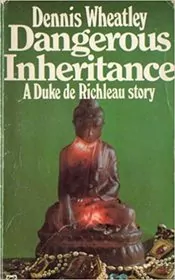
Dangerous Inheritance
by Dennis Wheatley
1965
An inheritance in the Caribbean brings the Duke de Richleau and his old friends into another fight with occult evil. Money, family claims, and supernatural danger make a treacherous combination.

Gunmen, Gallants and Ghosts
by Dennis Wheatley
1965
This lively collection ranges from history to mystery to the supernatural. Wheatley moves easily between swashbuckling adventure, true-life anecdote, and eerie material.
Quiver of Horror
by Dennis Wheatley
1965
This volume gathers more tales of the uncanny, the sinister, and the outright macabre. It is an editor's showcase for Wheatley's taste in traditional horror storytelling.

Shafts of Fear
by Dennis Wheatley
1965
A handpicked horror anthology built for quick chills, dark atmosphere, and memorable shocks. Wheatley presents stories that favor suspense as much as outright terror.

The Wanton Princess
by Dennis Wheatley
1966
Roger Brook enters another stretch of Napoleonic Europe where desire, politics, and reckless privilege collide. The title hints at the trouble that follows him through court and campaign.

Old Rowley
by Dennis Wheatley
1967
Wheatley's biography of Charles II is brisk, readable, and drawn to character as much as politics. It follows the king's long survival, restoration, and complicated private life.

Unholy Crusade
by Dennis Wheatley
1967
Lucky Adam Gordon is swept into a historical adventure where warfare, belief, and dark rites become entangled. It is one of Wheatley's later books, with a stronger occult edge than most.
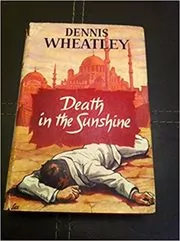
Death in Sunshine
by Dennis Wheatley
1968
Bright weather and holiday ease cannot hide the murder at the center of this mystery. Wheatley pairs resort atmosphere with a tidy puzzle and a tightening circle of suspects.
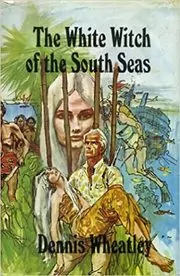
The White Witch of the South Seas
by Dennis Wheatley
1968
In Rio, Gregory Sallust befriends a young rajah seeking treasure from a sunken ship. Murder, blackmail, kidnapping, and a touch of magic quickly follow.

Evil in a Mask
by Dennis Wheatley
1969
Roger Brook moves through Napoleonic Europe where disguise, seduction, and political plotting conceal deadly intent. It is a historical thriller built on false faces and risky loyalties.

The Devil and All His Works
by Dennis Wheatley
1971
Here Wheatley sets out his views on Satanism, black magic, and the occult traditions that fascinated him. It is part survey, part warning, and a useful companion to his fiction.

The Ravishing of Lady Mary Ware
by Dennis Wheatley
1971
Roger Brook's world of war and espionage collides with a personal crisis when Lady Mary Ware is put in grave danger. The book balances rescue adventure with the larger sweep of the wars.

Gateway to Hell
by Dennis Wheatley
1972
A puzzling bank theft and a fresh occult threat pull the Duke de Richleau and his friends into danger in South America. The series ends with crime, black magic, and loyal friendship still intact.

The Strange Story of Linda Lee
by Dennis Wheatley
1972
A strange young woman stands at the center of this suspenseful mystery, and nothing about her case stays ordinary for long. Wheatley slowly builds the sense that darker forces may be involved.

The Irish Witch
by Dennis Wheatley
1973
Roger Brook enters Ireland during the closing years of the Napoleonic wars and finds politics tangled with superstition and occult fear. It gives the series one of its darkest turns.
Desperate Measures
by Dennis Wheatley
1974
Roger Brook rides into the final crisis of the Napoleonic era, where every choice feels improvised and risky. It is a fittingly urgent close to his long historical career.

Satanism and Witches
by Dennis Wheatley
1974
In this nonfiction work Wheatley looks at witchcraft beliefs, Satanism, and the fears that have gathered around them over centuries. He writes for curious general readers, not specialists.

Uncanny Tales 1
by Dennis Wheatley
1974
This first volume of uncanny tales gathers ghostly, eerie, and suspenseful stories chosen for atmosphere and narrative punch. It reflects Wheatley's long love of classic supernatural fiction.

Uncanny Tales 2
by Dennis Wheatley
1974
The second volume continues the run of strange and supernatural stories, mixing ghostly unease with sharper shocks. It is a companion collection for readers who like traditional chills.

The Time Has Come: The Young Man Said, 1897-1914
by Dennis Wheatley
1977
In the first volume of his autobiography, Wheatley writes about family, school, and the world that shaped him before the First World War. It is direct, candid, and full of period detail.

The Time Has Come: Drink and Ink, 1919-1977
by Dennis Wheatley
1978
The closing autobiography follows Wheatley through business failure, literary success, war work, and old age. It is the fullest account of how his life and books grew together.

The Time Has Come: Officer and Temporary Gentleman, 1914-1919
by Dennis Wheatley
1978
This second memoir volume covers Wheatley's war service, injury, and the difficult shift back into civilian life. It is one of his most personal and historically grounded books.

The Deception Planners
by Dennis Wheatley
1980
Drawing on his own wartime work, Wheatley explains how Allied deception was planned and carried out. It offers a readable insider's view of strategy, bluff, and secrecy.
Where to start with Dennis Wheatley
If you want occult thrillers: The Devil Rides Out → To the Devil, A Daughter → The Satanist
If you want spy adventures: Contraband → The Scarlet Impostor → Faked Passports → V for Vengeance
If you want sweeping historical fiction: The Launching of Roger Brook → The Shadow of Tyburn Tree → The Rising Storm
If you want classic adventure first: The Forbidden Territory → The Golden Spaniard → Codeword - Golden Fleece
Dennis Wheatley sub-series and character series
Dennis Wheatley collections, short stories, and related book types
Short Story Collections
Non-Fiction
Standalone Dennis Wheatley books
Author bio
Dennis Wheatley was born in Brixton Hill, London, on January 8, 1897, into a comfortable family that owned a Mayfair wine business. He grew up around money, trade, and grown-up conversation, all of which later fed the worldly confidence of his fiction.
School was not a success. He was expelled from Dulwich College, then went to sea as an officer cadet on HMS Worcester. That early mix of discipline, boredom, and rule-breaking suited him better than classrooms ever had.
War marked him early.
During the First World War he served as an artillery officer and saw action in Flanders, on the Ypres Salient, at Cambrai, and at Saint-Quentin. He was gassed at Passchendaele and invalided out, an experience that stayed with him and helped give his later war scenes their matter-of-fact edge.
After 1919 he went into the family wine trade and, for a while, looked like a businessman rather than a novelist. The Depression changed that. With the business in decline, he sold up and turned seriously to writing, using the same practical energy that had gone into commerce.
The breakthrough came fast. The Forbidden Territory, his first published novel, was a major success in 1933, and The Devil Rides Out followed a year later and fixed his name in readers' minds. He was good at getting people moving quickly through danger, whether that meant Soviet prisons, black magic circles, or wartime Europe.
That range is a big part of why readers still remember him. Some come for the occult chill of The Devil Rides Out and To the Devil, A Daughter. Others prefer the polished espionage of the Gregory Sallust books, such as Contraband, or the long historical sweep of the Roger Brook novels, beginning with The Launching of Roger Brook. Across all of them, he liked capable heroes, secret plans, real historical pressure, and the sense that a locked door usually had something alarming behind it.
He did his homework. When he started writing occult fiction he sought out people with firsthand knowledge of the subject, including Aleister Crowley and Montague Summers. During the Second World War, fiction and real strategy met in a startling way when he joined the London Controlling Section and later the Joint Planning Staff, working on military deception and planning. He was commissioned as a Wing Commander in the RAF Volunteer Reserve and was awarded the U.S. Bronze Star after the war.
That part of his life reads like one of his own plots.
In later years he kept publishing fiction, wrote nonfiction on history and the occult, and turned to memoir in the three volumes of The Time Has Come. He also oversaw the Dennis Wheatley Library of the Occult, reissuing older supernatural books he admired. He died in London on November 10, 1977, after writing more than seventy books. His work is very much of its time, but the speed, atmosphere, and appetite for adventure are still easy to spot.
Edited by
Software engineer whose passion for tracking book recommendations from podcasts inspired the creation of MRB.
Lead investor at 3one4 Capital whose startup expertise and love for books helped shape MRB and its growth.
Comments
Did we miss something? Have feedback?
Help us improve this page by sharing your thoughts