
David Lodge Books in Order
Explore David Lodge's books in order with summaries, Campus trilogy context, reading order tips, and suggestions on where new readers should begin.
Last updated:
As an Amazon Associate, we earn from qualifying purchases (at no extra cost to you).
David Lodge books in publication order
40 books

The Picturegoers
by David Lodge
1960
Set around a south London cinema in the 1950s, this first novel interweaves the lives of Roman Catholic parishioners and other locals, using their trips to the pictures to probe changing morals, class tensions and the pull between faith and the modern world.
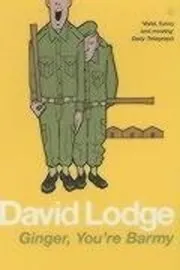
Ginger, You're Barmy
by David Lodge
1962
Drawing on Lodge's own National Service, this novel follows conscripts Jonathan Browne and Ginger Brady through the petty humiliations, friendships and moral compromises of army life, showing how two years in uniform can warp a young man's sense of time and purpose.
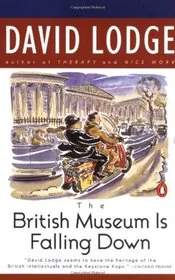
The British Museum Is Falling Down
by David Lodge
1965
Over one hectic day in 1960s London, Catholic graduate student Adam Appleby tries to work on his thesis while worrying that his wife may be pregnant again, producing a fast moving comic portrait of faith, contraception and literary ambition.
Graham Greene
by David Lodge
1966
This short monograph offers an overview of Graham Greene's career, outlining the major novels, their mix of thriller and moral inquiry and the role of Catholic belief and doubt in shaping his characters and plots.
Language of Fiction
by David Lodge
1966
Lodge's first major critical book argues that close attention to language is central to understanding the English novel, combining theoretical discussion with detailed readings of writers from Jane Austen and Dickens to Henry James and Kingsley Amis.
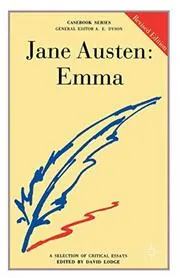
Jane Austen, Emma
by David Lodge
1968
An edited casebook for students of Jane Austen's Emma, bringing together classic essays and more recent critical approaches, with an introduction from Lodge that maps how readers' views of the novel have changed over time.
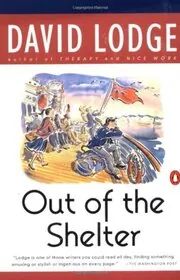
Out of the Shelter
by David Lodge
1970
Timothy Young grows up in wartime and austerity London, then spends a transformative summer with his older sister in postwar Heidelberg, where American affluence, German scars and first sexual experiences pull him out of his sheltered, anxious adolescence.
Evelyn Waugh
by David Lodge
1971
A concise critical study that introduces the life and work of Evelyn Waugh, tracing how his comic early novels, wartime experiences and Catholic faith feed into books like Decline and Fall, Brideshead Revisited and the Sword of Honour trilogy.
The Novelist At The Crossroads
by David Lodge
1971
A collection of essays on fiction in which Lodge assesses contemporary novelists and critics, reflects on choices facing the modern novelist, and sketches his own developing views on language, realism and narrative technique.
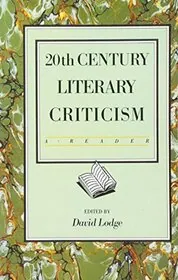
20th Century Literary Criticism
by David Lodge
1972
This large reader, edited by Lodge, gathers influential essays on modern literature from across the twentieth century, giving students an accessible way into changing schools of criticism from formalism and psychoanalysis to Marxism and beyond.
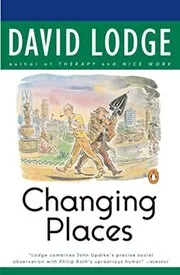
Changing Places
by David Lodge
1975
The first Campus novel introduces shy English lecturer Philip Swallow from gloomy Rummidge and flamboyant American critic Morris Zapp from sunlit Euphoria, whose six month job swap sends each into the other's campus, marriage and culture with comic, sometimes unsettling results.
The Modes of Modern Writing
by David Lodge
1977
A study of modern literature that uses the contrast between metaphor and metonymy to explore realism, modernism and postmodernism, asking what shapes shifts in literary fashion and how style, narrative technique and history interact.
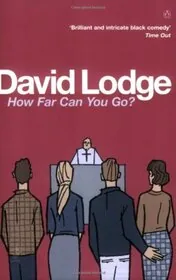
How Far Can You Go?
by David Lodge
1980
This comic yet serious novel tracks a group of English Catholic friends from student days in the early 1950s into middle age, as marriage, contraception, illness and Vatican II force them to rethink what obedience, sin and salvation might mean in modern life.

Souls and Bodies
by David Lodge
1981
Published in the United States under this title, this is the same story as How Far Can You Go, following a circle of English Catholics from youth into middle age as they navigate marriage, parenthood, changing doctrine and the fading fear of hell.

Working with Structuralism
by David Lodge
1981
A set of essays and reviews that introduces structuralist approaches to nineteenth and twentieth century literature, explaining concepts such as metaphor and metonymy and showing how they can illuminate individual poems, novels and critical debates.
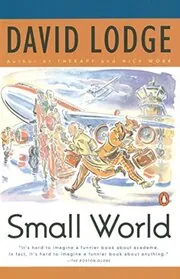
Small World
by David Lodge
1984
Continuing the Campus trilogy, Small World follows Philip Swallow, Morris Zapp and a host of new academics around an increasingly frantic circuit of international conferences, where job offers, affairs and a young scholar's quest for an elusive woman play out like a modern romance.
Write On
by David Lodge
1986
Collected essays and reviews from over two decades, many sparked by invitations to comment on particular books, films or trips, in which Lodge links everyday observation to his own fiction and shows how a professional novelist keeps the muscles of writing in constant use.
Modern Criticism and Theory
by David Lodge
1988
An anthology edited by Lodge, this reader collects substantial extracts from major twentieth century literary theorists, arranging them to help students trace how ideas about language, culture and power reshaped the study of literature.
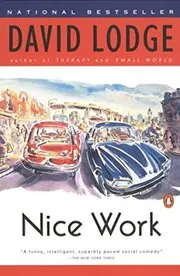
Nice Work
by David Lodge
1988
Set in 1980s Rummidge, this novel pairs feminist English lecturer Robyn Penrose with hard pressed factory manager Vic Wilcox on an industry shadowing scheme, turning their clash of class, politics and gender into a sharp, surprisingly warm story about work and changing Britain.
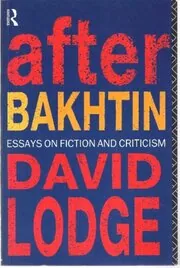
After Bakhtin
by David Lodge
1990
These essays use the ideas of Russian theorist Mikhail Bakhtin, especially dialogism and the novel as a polyphonic form, to shed light on nineteenth and twentieth century fiction, while also gently testing how far such theory really helps working critics and readers.
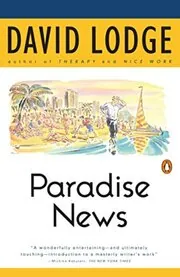
Paradise News
by David Lodge
1991
Bernard Walsh, a former priest turned religious education teacher, escorts his difficult father to Hawaii to visit a dying aunt and soon finds himself juggling family secrets, questions of faith and an unexpected late flowering romance in the supposed island paradise.

The Writing Game
by David Lodge
1991
Set on a residential creative writing course in the English countryside, this play brings together bestselling author Maude, one hit wonder Simon and visiting American novelist Leo as professional rivalries, flirtations and doubts about why anyone writes begin to boil over.
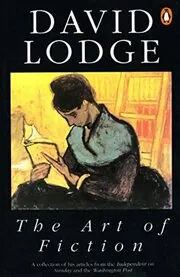
The Art of Fiction
by David Lodge
1992
Fifty short, lively chapters explain key techniques of fiction, from point of view and unreliable narration to symbolism and interior monologue, each illustrated with a passage from a classic or modern novel and written for general readers rather than specialists.
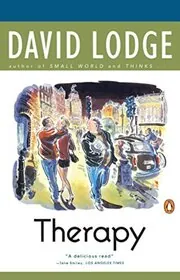
Therapy
by David Lodge
1995
Middle aged sitcom writer Laurence Tubby Passmore appears successful yet is dogged by knee pain, depression and a failing marriage, and finds little help in assorted therapies until an obsession with Kierkegaard sends him on a literal and spiritual journey back to his first love.

Surprised by Summer
by David Lodge
1996
This short volume in the Penguin 60s series gathers a small sample of Lodge's fiction in a compact format, giving a quick taste of his comic eye for changing manners, unexpected desire and the small crises that arrive with holidays and good weather.
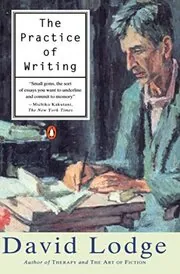
The Practice of Writing
by David Lodge
1996
A wide ranging collection of essays in which Lodge reflects on his own working methods, the writers who influenced him, the uses of biography and the rise of creative writing courses, always with an eye on how criticism connects to the actual business of making fiction.

The Man Who Wouldn't Get Up and Other Stories
by David Lodge
1997
Lodge's first collection of short fiction gathers eight stories written across four decades, including the title tale of a man who refuses to leave his bed, with most pieces circling themes of sex, faith, ageing and the small absurdities of everyday life.

Home Truths
by David Lodge
1999
Novelist Adrian Ludlow is living quietly under the Gatwick flight path when his screenwriter friend, furious about a savage newspaper profile, draws him into a risky plan to take revenge on the interviewer, forcing Adrian to weigh privacy against the temptations of publicity.
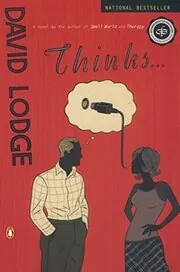
Thinks . . .
by David Lodge
2001
At a provincial university, grieving novelist Helen Reed takes up a writer in residence post and is drawn into the orbit of Ralph Messenger, a charismatic cognitive scientist and notorious womaniser, as their conversations about mind and morality slide toward dangerous intimacy.
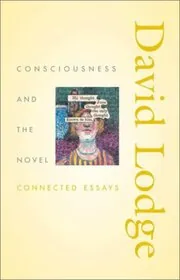
Consciousness and the Novel
by David Lodge
2002
Linked essays that ask how fiction represents consciousness, from inner monologue to shifting viewpoints, using close readings of novelists from Dickens and James to modern writers to show how narrative techniques shape our sense of the mind on the page.
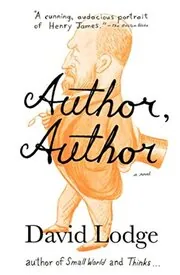
Author, Author
by David Lodge
2004
Centred on Henry James's disastrous attempt to conquer the London stage, this novel follows his friendships, rivalries and private doubts, offering a sympathetic, quietly comic portrait of an artist who sees his best work misunderstood in his own lifetime.

Scenes of Academic Life
by David Lodge
2005
Compiled for Penguin's anniversary Pocket Penguins series, this slim volume selects some of the funniest and most telling episodes from Lodge's campus novels, offering a quick tour of Rummidge lecture halls, conferences and staff rooms.
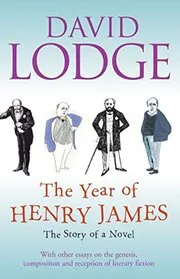
The Year of Henry James
by David Lodge
2006
Part literary memoir, part criticism, this book uses the writing and reception of Author, Author as a springboard for essays on Henry James and other novelists, examining how stories move from first idea to finished book and how they fare in the world.
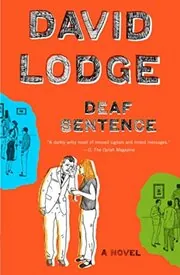
Deaf Sentence
by David Lodge
2008
Recently retired linguistics professor Desmond Bates is drifting through late middle age, frustrated by his worsening deafness, his energetic wife's success and an elderly father who will not accept help, when a needy young student threatens to upend what remains of his orderly life.
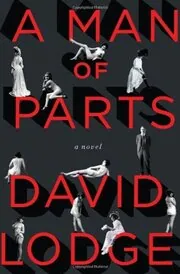
A Man of Parts
by David Lodge
2011
A biographical novel about H G Wells, following the ageing writer as he looks back on his explosive literary career, his political hopes and the many complicated love affairs that both energise and unsettle him.

Secret Thoughts
by David Lodge
2011
A two handed play adapted from Thinks, focusing on the charged conversations between Helen, a widowed novelist, and Ralph Messenger, a provocative cognitive scientist, as their debates about consciousness, love and morality slide into something more dangerous.
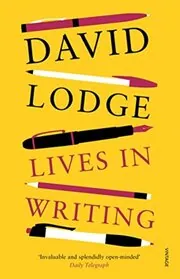
Lives in Writing
by David Lodge
2014
A collection of essays about writers and writing, this book brings together Lodge's portraits of figures such as Graham Greene, Muriel Spark and H G Wells, using their lives to explore how biography, criticism and fiction overlap.
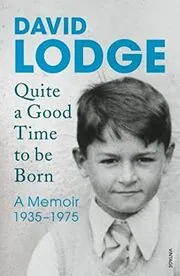
Quite A Good Time to be Born
by David Lodge
2015
In this first memoir, Lodge traces his journey from a wartime childhood in south London through grammar school, university and early teaching, showing how Catholic upbringing, post war social change and literary ambition shaped the novels that followed.
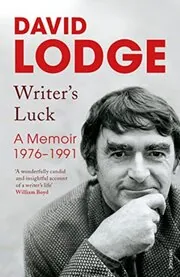
Writer's Luck
by David Lodge
2018
This second memoir covers the years when novels like Small World and Nice Work turned Lodge from a busy academic into a full time writer, charting the role of luck, persistence and family life in that uneasy transition.
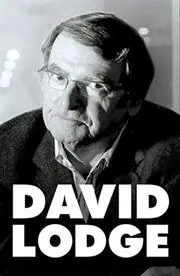
Varying Degrees of Success
by David Lodge
2021
Completing Lodge's trilogy of memoirs, this volume looks back on six decades of writing, teaching and travel, mixing behind the scenes stories about his novels with frank reflections on fame, failure and the practical business of earning a living by words.
Where to start with David Lodge
If you want the classic campus comedies first: Changing Places → Small World → Nice Work
If you are curious about his Catholic generation novels: The Picturegoers → How Far Can You Go? → Paradise News
If you enjoy reflective midlife stories: Therapy → Deaf Sentence
If you want to know him as a person: Quite A Good Time to be Born → Writer's Luck → Varying Degrees of Success
If you are interested in how fiction works: The Art of Fiction → The Practice of Writing → Consciousness and the Novel
David Lodge sub-series and character series
David Lodge collections, short stories, and related book types
Short Stories/Novellas
Plays
Collections
Non-Fiction
Standalone David Lodge books
Author bio
David Lodge was born in south London on 28 January 1935, the only child of a dance band musician and a devout Catholic mother of Irish and Belgian descent. He grew up in Brockley, a lower middle class neighbourhood where wartime bombing, air raid shelters and rationing formed the backdrop to his early memories.
As a boy he won a place at a Catholic grammar school and discovered that books could open doors that everyday life kept shut. He read widely, acted in school plays and began to see that writing might be a way to make sense of both faith and the noisy city around him.
After National Service in the army he studied English at University College London, taking a first class degree and then a master's. There he met Mary Jacob, whom he married in 1959, and began the double life that would define him for decades, junior lecturer by day and aspirant novelist by night.
His first novels, including The Picturegoers, Ginger, You're Barmy and The British Museum Is Falling Down, drew on Catholic upbringing, army experience and the frustrations of young married life on a tight budget. They are serious about belief and class, yet already show the comic timing and structural playfulness that later became his hallmark.
In 1960 Lodge joined the English department at the University of Birmingham, eventually becoming Professor of English Literature. Out of that career came the Campus trilogy, Changing Places, Small World and Nice Work, which turned the fictional city of Rummidge and its transatlantic links into one of the great comic stages of postwar fiction.
Alongside the novels he built a second reputation as an explainer of literary form. Books such as Language of Fiction, The Modes of Modern Writing, The Art of Fiction, The Practice of Writing, Consciousness and the Novel and Modern Criticism and Theory helped generations of students see how narrative technique, theory and close reading fit together.
From the 1990s onwards his fiction grew more reflective. Novels like Paradise News, Therapy, Thinks . . . and Deaf Sentence combine jokes about travel, television and university life with frank explorations of illness, hearing loss, depression and religious doubt. Later he turned to biographical fiction in Author, Author and A Man of Parts, inhabiting the lives of Henry James and H G Wells with the empathy of a fellow craftsman.
In his trilogy of memoirs, Quite A Good Time to be Born, Writer's Luck and Varying Degrees of Success, Lodge looks back on the long arc from Blitz childhood to literary conferences and prizes. He writes movingly about his marriage, his children, one of whom was born with Down syndrome, and his gradual shift from orthodox believer to what he called an agnostic Catholic.
Lodge retired from teaching in 1987 but stayed in Birmingham and kept writing criticism, fiction and drama. He was elected a fellow of the Royal Society of Literature, appointed a Commander of the Order of the British Empire and made a Chevalier of the French Order of Arts and Letters, honours he tended to treat with dry amusement rather than pomp.
He died in Birmingham on 1 January 2025, aged eighty nine. Readers still turn to his work for its mix of intellectual curiosity, humane satire and the sense that even the most intimidating institutions, from universities to churches, are made up of fallible people muddling through.






Edited by
Software engineer whose passion for tracking book recommendations from podcasts inspired the creation of MRB.
Lead investor at 3one4 Capital whose startup expertise and love for books helped shape MRB and its growth.
Comments
Did we miss something? Have feedback?
Help us improve this page by sharing your thoughts