
David Goodis Books in Order
Explore David Goodis books in order, with quick summaries, where to start, and background on the bleak, street-level noir worlds he made his own.
Last updated:
As an Amazon Associate, we earn from qualifying purchases (at no extra cost to you).
David Goodis books in publication order
18 books
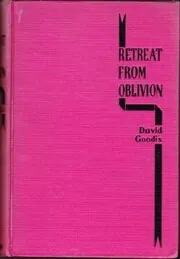
Retreat from Oblivion
by David Goodis
1939
Goodis's first novel is a broader, less noir tale of tangled couples, frustrated ambition, and restless longing. Set around New York on the edge of war, it follows people whose bad loves and big dreams keep pushing them off course.
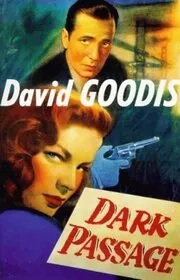
Dark Passage
by David Goodis
1946
Vincent Parry escapes San Quentin after being wrongly convicted of killing his wife. Hunted across San Francisco and helped by a woman who believes him, he races to expose the real murderer before he is framed again.
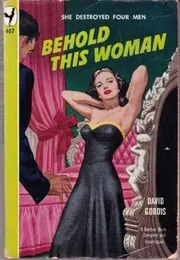
Behold This Woman
by David Goodis
1947
Clara Ervin controls everyone around her, from husband to servants to stepdaughter, leaving damage wherever she goes. As one young man sees how deep her manipulation runs, stopping her starts to feel both necessary and dangerous.
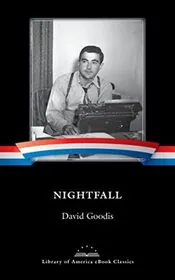
Nightfall/Missing Believed Murdered / The Dark Chase / Convicted
by David Goodis
1947
This noir classic follows commercial artist Jim Vanning, who cannot remember what happened after crossing paths with fleeing bank robbers. With killers, police, and missing cash closing in, he must recover the truth before it destroys him.
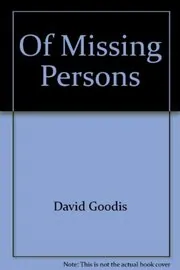
Of Missing Persons
by David Goodis
1950
Paul Ballard heads Los Angeles's Missing Persons Bureau and spends his days chasing other people's disappearances. When a prized client turns up dead, the case opens into murder, politics, and a fight that could wreck Ballard's career.
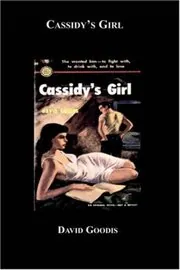
Cassidy's Girl
by David Goodis
1951
Bus driver Jim Cassidy is trapped in a violent marriage and drinking hard when he falls for the fragile Doris. Then a vindictive rival turns a crash into a frame-up, and escape starts to look even more dangerous.
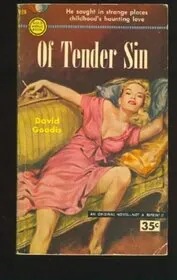
Of Tender Sin
by David Goodis
1952
Alvin Darby has a job, a wife, and a respectable life, until jealousy and buried memory crack it open. Hunting for betrayal through Philadelphia's night streets, he descends into obsession, old desire, and the threat of violence.

Street of the Lost
by David Goodis
1952
On filthy Ruxton Street, Chet Lawrence has learned to keep his head down and survive. When Hagen attacks a young woman and drags her into his orbit, Chet must decide whether indifference is just another kind of guilt.
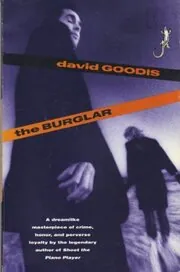
The Burglar
by David Goodis
1953
Nathaniel Harbin runs a burglary crew that feels more like a damaged family than a gang. After an emerald heist goes wrong, a crooked cop and Harbin's feelings for Gladden turn a clean job into a desperate chase.
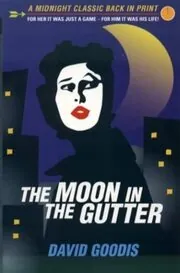
The Moon in the Gutter
by David Goodis
1953
Dockworker Bill Kerrigan cannot let go of the alley where his sister died. As he hunts for the man who raped her, desire, class tension, and self-destruction twist his search into something even darker.
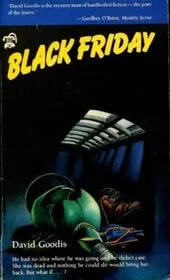
Black Friday
by David Goodis
1954
Freezing fugitive Hart takes a wallet from a dying man and becomes prey for the killers who want it back. His search for shelter leads him into a criminal hideout where every alliance looks temporary.
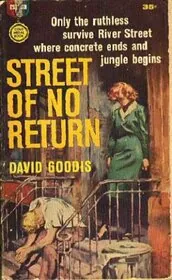
Street of No Return
by David Goodis
1954
Whitey was once a successful singer. Now he drinks on skid row until a glimpse of the thugs who destroyed his voice pulls him back into old love, police corruption, and street violence he thought he'd escaped.
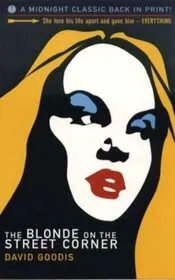
The Blonde on the Street Corner
by David Goodis
1954
Ralph Creel drifts through Depression era Philadelphia, dreaming of a cleaner life than the one he has. Torn between decent Edna and the dangerous blonde who wants him, he edges toward a choice that could finish him.
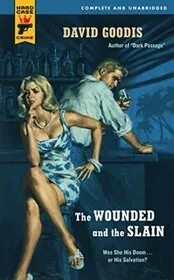
The Wounded and the Slain
by David Goodis
1955
James and Cora Bevan head to Jamaica hoping to repair a failing marriage. Instead, drink, danger, and new temptations pull them deeper into a tense world where every bad decision makes going home harder.
Down There/Shoot the Piano Player
by David Goodis
1956
Eddie is a former concert pianist now hiding behind a barroom piano in Philadelphia. When his brother brings gangsters to the door and a barmaid stirs him back to life, the past refuses to stay buried.
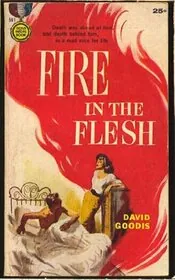
Fire in the Flesh
by David Goodis
1957
Blazer, a homeless alcoholic with a habit of setting small fires, is blamed after a deadly blaze kills five people. With cops, bootleggers, and vengeance closing in, Cora may be his only chance to stay alive.
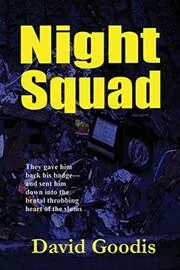
Night Squad
by David Goodis
1961
Disgraced ex-cop Corey Bradford saves gangster Walter Grogan and gets hired by both Grogan and the police on the same night. Working the slum called the Swamp, he must choose between dirty money and the last scraps of his conscience.
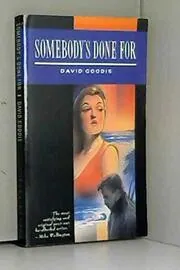
Somebody's Done For
by David Goodis
1967
Calvin Jander nearly drowns off the New Jersey coast and washes into the hands of Vera and her criminal father. Trapped in an isolated house with suspicious gangsters, he has to survive people who may kill him before dawn.
Where to start with David Goodis
If you want the essential fugitive noir: Dark Passage → Nightfall/Missing Believed Murdered / The Dark Chase / Convicted → The Burglar
If you want Philadelphia at its bleakest: Street of No Return → The Moon in the Gutter → Black Friday
If you want broken artists and bruised romance: Cassidy's Girl → Down There/Shoot the Piano Player → The Blonde on the Street Corner
If you want the later, rawer books: The Wounded and the Slain → Fire in the Flesh → Night Squad → Somebody's Done For
Standalone David Goodis books
Author bio
David Goodis was born in Philadelphia on March 2, 1917, and Philadelphia stayed at the center of his work for the rest of his life. He grew up in a Jewish family, attended Simon Gratz High School, and got involved early in student publications. Before he was known for noir, he was already writing, editing, and drawing cartoons.
Temple fit him.
After a short stretch at Indiana University, he returned home and studied journalism at Temple University, graduating in 1938. Around that same period he worked in advertising and wrote his first published novel, Retreat from Oblivion. It was a much broader book than the lean crime novels he later became known for, but it already showed his interest in frustrated people, bad choices, and lives going sideways.
He soon moved to New York and learned the hard way how to make a living with words. Goodis wrote fast, a lot, and in many moods, sometimes under pen names, for pulp magazines covering crime, adventure, horror, and war stories. In the 1940s he also wrote for radio serials such as Hop Harrigan, House of Mystery, and Superman. That kind of work sharpened his sense of pace. It also taught him how to get a reader worried fast.
Then Hollywood called.
His real break came with Dark Passage in 1946. The novel was serialized, published as a book, and then adapted for film the next year. Warner Bros. signed him, and for a while he worked in Hollywood on scripts and story treatments. On paper that sounds like the big arrival. In practice, Goodis never seems to have become a smooth studio success story. By 1950 he was back in Philadelphia, living with his parents and his brother Herbert.
That return matters. Many of the books readers most connect with him came after he moved home again and started writing paperback originals that felt closer to the bars, rooming houses, docks, and back streets he knew. Nightfall, Cassidy's Girl, The Burglar, Street of No Return, and Down There all show his gift for cornered people. His main characters are often drunks, washed-up artists, small-time crooks, bus drivers, ex-cops, or men wrongly accused. They keep telling themselves there might still be one way out.
That is a big part of why people like him. The plots can be tight and suspenseful, but the deeper pull is emotional. Goodis wrote about shame, bad luck, obsession, class frustration, and the strange loyalty that survives in rough places. He had a special feel for winter streets, cheap rooms, and the tired hope of someone walking all night because going home feels worse.
Several of his books made the jump to the screen. Dark Passage and Nightfall were adapted in Hollywood, The Burglar became a film with a screenplay by Goodis himself, and François Truffaut turned Down There into Shoot the Piano Player. Those adaptations helped keep his work in circulation, especially for readers and filmmakers who were drawn to stories about fugitives, losers, and people hanging on by nerve alone.
Goodis died in Philadelphia on January 7, 1967. He was only forty-nine.
For a time his name faded in the United States, but the books never really stayed buried. Readers still come back for the same reason they did in the first place. He was very good at making desperation feel immediate, and just as good at showing tenderness in places where you would not expect to find it.













Edited by
Software engineer whose passion for tracking book recommendations from podcasts inspired the creation of MRB.
Lead investor at 3one4 Capital whose startup expertise and love for books helped shape MRB and its growth.
Comments
Did we miss something? Have feedback?
Help us improve this page by sharing your thoughts