
Daniel Easterman Books in Order
Browse Daniel Easterman books in order, with short summaries, pen-name notes, and easy where-to-start tips for his thrillers and ghost stories.
Last updated:
As an Amazon Associate, we earn from qualifying purchases (at no extra cost to you).
Daniel Easterman books in publication order
25 books
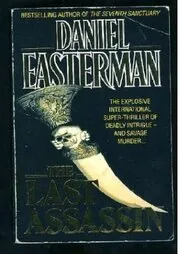
The Last Assassin
by Daniel Easterman
1984
CIA agent Peter Randall uncovers a plot by seven powerful Iranians to assassinate seven world leaders. With help from an Iranian ally, he has to move fast through a maze of politics, religion, and espionage.

The Seventh Sanctuary
by Daniel Easterman
1987
Archaeologist David Rosen is hunting a lost city in Syria when murders begin to close around him. His search for Iram becomes a race against a neo-Nazi plot, with faith, identity, and survival all on the line.
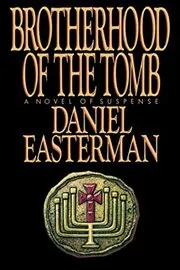
Brotherhood of the Tomb
by Daniel Easterman
1989
A tomb discovered in Jerusalem, and what may lie inside it, sets off decades of secrecy and violence. Former CIA man Patrick Canavan is drawn into murders, cryptic texts, and a brotherhood with plans for the Church.
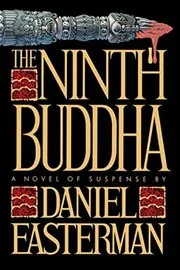
The Ninth Buddha
by Daniel Easterman
1989
When his son is kidnapped, former intelligence officer Christopher Wylam follows the trail to Tibet and Mongolia. The hunt becomes a clash of spies, prophecies, and reincarnation, with a child at the center of competing visions of power.

Naomi's Room
by Daniel Easterman
1991
Charles Hillenbrand's young daughter disappears on a Christmas shopping trip and is later found murdered. Grief gives way to haunting, and his search for the truth opens the door to something far older and more vicious.
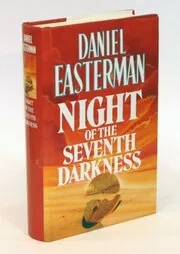
Night of the Seventh Darkness
by Daniel Easterman
1991
Haitian-born artist Angelina Hammel returns to Brooklyn and finds horror waiting under her own floorboards. With Lieutenant Reuben Abrams, she follows murder, voodoo, and old slave-trade secrets all the way to Haiti.
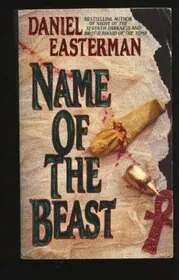
Name of the Beast
by Daniel Easterman
1992
Egyptologist A'isha Manfaluti unwraps a mummy and finds her murdered husband inside. As plague, terror, and prophecy spread across Egypt, she and Michael Hunt race to stop a fanatic who may be staging his own apocalypse.

Whispers in the Dark
by Daniel Easterman
1992
After losing her comfortable life, Charlotte Metcalf goes in search of her missing brother and arrives at Barras Hall. The house offers safety by day, but at night it fills with whispers, dread, and a terrible destiny.

The Judas Testament
by Daniel Easterman
1994
An Aramaic scholar becomes the unwilling center of a deadly struggle over a scroll said to be written by Jesus himself. If the document is genuine, it could shake the Church, and several ruthless men want control of it.

The Vanishment
by Daniel Easterman
1994
Peter and Sarah head to Cornwall hoping a quiet house will mend their failing marriage. Instead the place seems to remember too much, and when Sarah disappears Peter is left with grief, suspicion, and something far stranger.
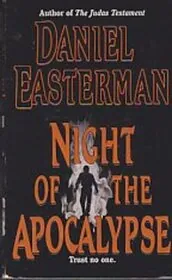
Night of the Apocalypse / Day of Wrath
by Daniel Easterman
1995
When a secret peace conference in Ireland is attacked and its delegates vanish, Declan Carberry is forced into a desperate hunt. Grief, terrorism, intelligence games, and apocalyptic obsession all close in at once.

The Matrix
by Daniel Easterman
1995
Andrew MacLeod discovers a sixteenth-century book of magic and finds that the text is reading him back. Strange dreams, forbidden learning, and a shadowy cult pull him toward a terror older than reason.
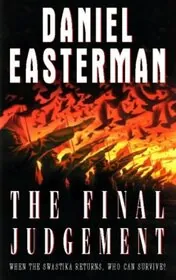
The Final Judgement
by Daniel Easterman
1996
A child's kidnapping pulls Yosef Abuhatseira into a brutal rescue mission that quickly turns larger and darker. As murders pile up, he uncovers a neo-Nazi plot aimed at Holocaust survivors and the future of Europe.

The Lost
by Daniel Easterman
1996
Tired of his life in England, Michael Feraru travels to Romania to claim a family inheritance. What waits in a remote Transylvanian castle is not just property, but a dark legacy that seems to know his name.

K
by Daniel Easterman
1997
John Ridgeforth enters an alternate wartime America ruled by the Ku Klux Klan, where camps, lynchings, and informers are part of daily life. His secret mission becomes a chilling look at how near democracy can come to fascism.
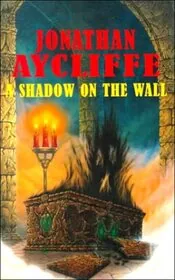
A Shadow on the Wall
by Daniel Easterman
1999
When a Victorian rector disturbs an ancient tomb beneath his church, something malign slips free. He turns to Cambridge scholar Richard Asquith, but some buried things do not stay quiet for long.
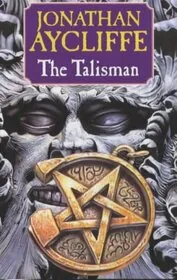
The Talisman
by Daniel Easterman
1999
A sinister statue unearthed in Babylon reaches London and begins poisoning the lives around it. Mesopotamian scholar Tom Alton must uncover what it is, and what it wants, before the evil spreads even further.

Incarnation
by Daniel Easterman
2000
In northern India, a twelve-year-old boy claims memories that belong to a dead British agent. If he is telling the truth, he may be the only person who can stop a terrifying conspiracy tied to China, Iraq, and a hidden superweapon.
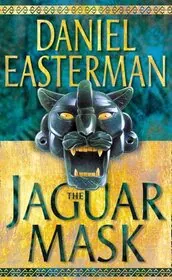
The Jaguar Mask
by Daniel Easterman
2001
While an archaeologist uncovers a Mayan city in the Mexican jungle, Declan Carberry investigates ritual murders in France. Their stories collide in a thriller of ancient codes, colonial history, and modern bloodshed.
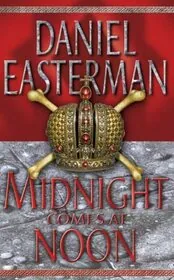
Midnight Comes at Noon
by Daniel Easterman
2002
A whole English village is wiped out, a reforming president is kidnapped, and the violence is only beginning. Easterman turns the hunt for answers into a dark political thriller about fanaticism, terror, and the price of power.
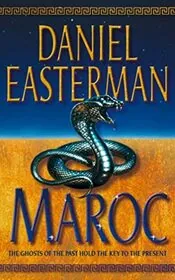
Maroc
by Daniel Easterman
2003
In 1936, Beatrice and Gerard Le Tourneau leave France for Morocco, where love, war, and divided loyalties reshape their lives. Decades later, Nicholas Budgeon digs into his ex-wife's family history and uncovers the tragedy still echoing through it.

A Garden Lost in Time
by Daniel Easterman
2004
After his father's death in the First World War, a fifteen-year-old boy is sent to relatives in Cornwall. Trevelyan Priors offers comfort on the surface, but its garden, its house, and its past are hiding something hungry.
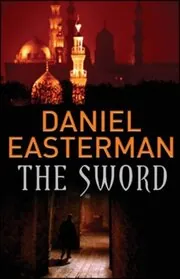
Sword
by Daniel Easterman
2008
A Cairo scholar is asked to authenticate a sword said to have belonged to the Prophet Muhammad. Almost at once his family is shattered, and he is pulled into a chase to stop extremists from turning the relic into a weapon of holy war.
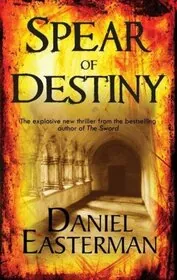
Spear of Destiny
by Daniel Easterman
2009
When Ethan Usherwood finds his uncle dead beside an ancient relic, he follows wartime diaries across Europe and Egypt. The trail points to Christ's tomb, a deadly secret, and a Nazi-tinged conspiracy that is not finished yet.
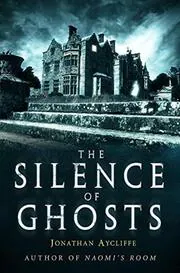
The Silence of Ghosts
by Daniel Easterman
2013
During the Blitz, wounded naval gunner Dominic Lancaster is sent with his deaf sister to a decaying lakeside estate. There, voices, dead children, and an older evil turn recovery into a fight for survival.
Where to start with Daniel Easterman
If you want globe-spanning thrillers: The Seventh Sanctuary → The Ninth Buddha → Brotherhood of the Tomb
If you like religious conspiracies and sacred relics: The Judas Testament → The Final Judgement → Sword → Spear of Destiny
If you want classic ghost story chills: Naomi's Room → The Matrix → The Vanishment
If you prefer a more historical, atmospheric haunt: Whispers in the Dark → A Shadow on the Wall → The Silence of Ghosts
Standalone Daniel Easterman books
Author bio
Daniel Easterman was the thriller name used by Denis MacEoin, a Belfast-born writer, scholar, and teacher whose fiction drew heavily on the places, languages, and religious histories he knew firsthand. Born in 1949 in Northern Ireland, he grew up with a strong interest in books and language, and he was taught English at school by the poet Michael Longley, a small detail that feels fitting when you look at how much reading and study shaped the rest of his life.
In 1967 he left Belfast for Dublin to study English at Trinity College. After that he moved to Edinburgh, where he studied Persian, Arabic, and Islamic history, then went on to King's College, Cambridge, where he completed a PhD in Persian studies in 1979. That academic route gave him a deep grounding in religion, politics, and the Middle East, and those subjects later became the raw material for much of his fiction.
He came to fiction through scholarship, travel, and work, not through any neat literary apprenticeship.
After Cambridge he taught in Fez, Morocco, an experience he later described in bleak and darkly funny terms. It was also important because it helped spark his first novel, The Last Assassin, which drew on his knowledge of Iran and Shi'ism. He later taught Arabic and Islamic studies at Newcastle, but by the 1980s he was moving away from academic life and toward writing full time.
That shift mattered. Under the Daniel Easterman name, he wrote international thrillers that mixed espionage with archaeology, religious history, political extremism, and the unsettling idea that the past is never really finished. These are big, restless books. They move from deserts and monasteries to libraries, embassies, ruined churches, and cities under pressure.
Some of his best-known Easterman novels show that range clearly. The Seventh Sanctuary sends archaeologist David Rosen into a hunt tied to a lost city and a neo-Nazi plot. The Ninth Buddha travels through India, Tibet, and Mongolia, blending intelligence work with prophecy and reincarnation. Brotherhood of the Tomb and The Judas Testament both turn on ancient discoveries that could upend the modern world, which is very much his territory as a storyteller.
He liked big stakes, but he also liked big questions.
Again and again, his fiction returns to fanaticism, buried belief, and the way old myths can be weaponized in modern politics. Books like The Final Judgement, Name of the Beast, Sword, and Spear of Destiny are full of kidnappings, secret groups, sacred objects, and men convinced that history is on their side. What keeps them interesting is that MacEoin knew the material behind the thrill. He understood the texts, the sects, the symbols, and the places.
He also wrote as Jonathan Aycliffe, the name he used for ghost stories such as Naomi's Room, The Matrix, and The Silence of Ghosts. Those books work on a different scale, but they share some of the same instincts. Old houses matter. Hidden histories matter. The dead are rarely done with the living. If the Easterman novels are outward-looking and geopolitical, the Aycliffe books are intimate, claustrophobic, and quietly vicious.
Alongside the novels, MacEoin published academic work and journalism on Islamic studies and Middle Eastern affairs. He was married for many years to writer and homeopath Beth MacEoin, and he spent much of his later life in the north of England. Denis MacEoin died in June 2022. The Daniel Easterman books still hold up for readers who want thrillers with real historical weight, strong ideas, and a genuine taste for the uncanny.












Edited by
Software engineer whose passion for tracking book recommendations from podcasts inspired the creation of MRB.
Lead investor at 3one4 Capital whose startup expertise and love for books helped shape MRB and its growth.
Comments
Did we miss something? Have feedback?
Help us improve this page by sharing your thoughts