
Dancing Gods Books in Order
Part ofJack L Chalker Books in OrderSee the Dancing Gods books in order by Jack L Chalker, with quick summaries, series background, and help deciding whether to start with book one.
Last updated:
As an Amazon Associate, we earn from qualifying purchases (at no extra cost to you).
Dancing Gods books in publication order
5 books
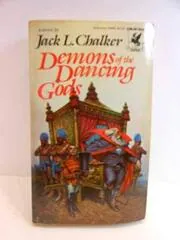
Demons of the Dancing Gods
by Jack L Chalker
1984
Joe and Marge barely have time to adjust to Husaquahr before new demonic trouble finds them. The sequel keeps the jokes coming while pushing the magical stakes much higher.
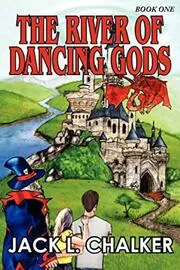
The River of Dancing Gods
by Jack L Chalker
1984
Down-on-their-luck Joe and Marge are snatched from modern Earth and dropped into Husaquahr, a world of wizards, demons, and impossible quests. It is a portal fantasy romp with a sly comic streak.
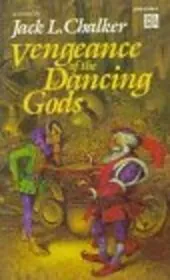
Vengeance of the Dancing Gods
by Jack L Chalker
1985
Old enemies are not done with Joe and Marge, and Husaquahr's uneasy peace starts to crack. This installment leans into revenge, magical chaos, and the series' playful take on epic fantasy.
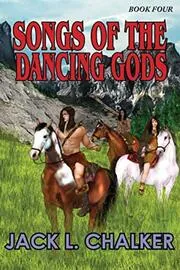
Songs of the Dancing Gods
by Jack L Chalker
1990
Joe and Marge return to Husaquahr for another round of magical trouble, capricious powers, and unlikely heroics. The series keeps its mix of quest fantasy, satire, and escalating danger.
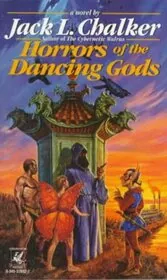
Horrors of the Dancing Gods
by Jack L Chalker
1995
Husaquahr faces another outbreak of chaos as old threats and fresh monstrosities close in. Joe and Marge are pulled back into a comic fantasy adventure where wit matters almost as much as magic.
Dancing Gods books in chronological order
Series background & context
The Dancing Gods books are Chalker in comic-fantasy mode. Rather than epic seriousness, these novels start with ordinary people from modern Earth being yanked into Husaquahr, a secondary world full of wizards, demons, prophecies, and the sort of larger-than-life rules that fantasy heroes are usually expected to take very seriously.
Joe and Marge are the human center of the series, and their outsider status matters. They do not arrive as chosen nobles or destiny-trained warriors. They arrive confused, skeptical, and very aware that magic worlds can be ridiculous as well as dangerous, which gives the books their teasing, satirical edge.
The guide into that chaos is Throckmorton P. Ruddygore, a powerful and eccentric wizard who knows more than he first admits. Around him gathers a cast of demons, schemers, and accidental heroes, while the plot keeps widening from simple survival to battles over the fate of the whole world. The stakes are real, even when the tone is playful.
Husaquahr itself is built like a stage for affectionate parody. Chalker borrows the shape of quest fantasy, dark lords, magical artifacts, strange companions, and last-minute escapes, then keeps nudging the whole thing sideways with jokes, reversals, and very human reactions. The result is not cozy fantasy, and it is not straight parody either. It is adventure that knows the genre well enough to laugh at it.
Things only get stranger from book to book.
If you start with The River of Dancing Gods, expect a portal fantasy with a wink, then a steady escalation through Demons of the Dancing Gods, Vengeance of the Dancing Gods, Songs of the Dancing Gods, and Horrors of the Dancing Gods. The later books keep the same core appeal: banter, bizarre magical problems, and a setting where cosmic danger can sit right next to broad comedy. Readers who like Chalker best when he loosens up and lets the pulp fun show will probably feel at home here.


Edited by
Software engineer whose passion for tracking book recommendations from podcasts inspired the creation of MRB.
Lead investor at 3one4 Capital whose startup expertise and love for books helped shape MRB and its growth.
Comments
Did we miss something? Have feedback?
Help us improve this page by sharing your thoughts