
DA Mishani Books in Order
See D.A. Mishani books in order, with quick summaries, reading paths, and simple advice on where to start with his Avraham novels and standalone fiction.
Last updated:
As an Amazon Associate, we earn from qualifying purchases (at no extra cost to you).
DA Mishani books in publication order
4 books
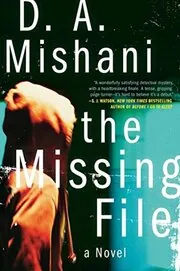
The Missing File
by DA Mishani
2011
When sixteen-year-old Ofer disappears on his way to school, Inspector Avraham Avraham is slow to see how serious the case is. The search draws him into a maze of neighbors, half-truths, and assumptions that become harder to trust with every step.
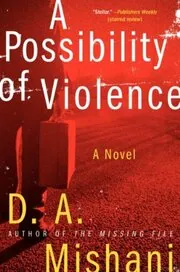
A Possibility of Violence
by DA Mishani
2013
A suspicious suitcase is left outside a day care center in Holon, then a threatening call says it was only the beginning. Still shaken by his last case, Avraham follows a trail of fear, missing pieces, and a father who seems to be running from something worse.
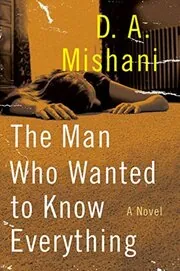
The Man Who Wanted to Know Everything
by DA Mishani
2015
Called to his first murder scene as head of investigations, Avraham learns a witness saw a policeman leaving the building. As the case collides with a young mother's troubled marriage, the novel turns into a tense study of doubt, love, and misplaced certainty.

Three
by DA Mishani
2018
A divorced mother, a religious immigrant caregiver, and a married researcher each fall into the orbit of the same man, Gil. Their separate stories slowly lock together in a tense psychological thriller about secrecy, vulnerability, and everyday danger.
Where to start with DA Mishani
If you want the detective series from the start: The Missing File → A Possibility of Violence → The Man Who Wanted to Know Everything
If you want his best standalone suspense: Three
If you want a darker, more psychological Avraham case: A Possibility of Violence → The Man Who Wanted to Know Everything
DA Mishani sub-series and character series
Avraham Avraham Mystery books in order
Explore this seriesAvraham Avraham Mystery books in chronological order
Standalone DA Mishani books
Author bio
Dror A. Mishani was born in 1975 in Holon, a working, lower-middle-class suburb just south of Tel Aviv, and Holon has never really left his fiction. He grew up there, later said he spent years wanting to escape it, and then turned the same streets into the setting that made his name. That choice tells you a lot about his books. He is drawn to ordinary places, ordinary people, and the quiet pressures that can turn daily life strange.
He did leave, for a while.
After Holon he studied law and literature in Jerusalem, then spent time in Paris, where crime fiction became less of a side interest and more of an obsession. Before publishing novels, he worked as a critic, editor, translator, and literary scholar, with a special focus on the history of detective fiction. He knew the genre from the inside long before he tried adding his own detective to it.
The big turn came in England.
While his wife was teaching in Cambridge, Mishani planned to finish a doctoral dissertation on detective fiction. Instead, in nearby Impington, he wrote The Missing File. The book appeared in Hebrew in 2011 and introduced Inspector Avraham Avraham, a detective who is almost the opposite of the swaggering genre hero. He is lonely, hesitant, and often too ready to believe people.
Readers who start with The Missing File usually notice the same thing first: the case matters, but the people matter more. A missing teenage boy sends Avraham through apartments, schools, and family tensions, and the book keeps asking how well anyone really knows the people next door. A Possibility of Violence builds on that with a case shaped by fear, public panic, and private shame. The Man Who Wanted to Know Everything pushes him further, mixing a murder investigation with the stresses of marriage, memory, and institutional doubt.
Then came Three, his first standalone novel, and it showed another side of his work. Instead of following a detective, the book tracks three women who drift into the orbit of the same man. The suspense is slow, precise, and very human. Mishani is less interested in flashy tricks than in the way loneliness, hope, class, and desire can leave people exposed.
Across his books, he returns to a few themes again and again: people who misread each other, suburbs and side streets that look safe until they do not, and characters pulled between suspicion and compassion. His Israel is built from schools, police stations, marriages, stairwells, and missed calls, not from postcard views or headline drama. That focus has helped his books travel widely, and several have been adapted for film and television.
Mishani now lives in Tel Aviv with his wife and two children and teaches at Tel Aviv University. That seems fitting. His novels love the pleasures of the mystery form, but they also keep asking why we look for hidden truths in the first place, and what it costs when we are wrong.










Edited by
Software engineer whose passion for tracking book recommendations from podcasts inspired the creation of MRB.
Lead investor at 3one4 Capital whose startup expertise and love for books helped shape MRB and its growth.
Comments
Did we miss something? Have feedback?
Help us improve this page by sharing your thoughts